#environment patching
146 related articles

·2 min
GPT-5.6 Deep Dive: A Qualitative Leap in Coding and Frontend Capabilities
A 1-billion-token deep dive into GPT-5.6 Solar Max reveals qualitative leaps in coding stability, Skills compliance, and frontend design. Includes version selection guide.
Read more →

·3 min
OpenAI's Finance Chief in Action: How AI Shrinks Their Team to 20% the Size of Peers
OpenAI's finance head Stacy Fagioli reveals how her team uses ChatGPT, Codex, and Excel AI to run finance operations with just 20% of typical headcount — covering IR agents, LBO modeling, and ROI dashboards.
Read more →

·3 min
AI-Powered Python Reverse Engineering: A Full Retrospective on Using LLMs to Accelerate the Workflow
A real-world retrospective on AI-assisted Python reverse engineering: from JS obfuscation tracing and SM2/SM4 key extraction to generating decryption code with DeepSeek. An honest assessment of LLM value and legal risks.
Read more →

·4 min
AI Agents Automating JS Reverse Engineering: A Deep Dive into the New Paradigm for Web Scraping
AI agents are revolutionizing JS reverse engineering. This deep dive covers built-in tool chains, automation modes, prompt engineering for e-commerce, and full pipeline automation from parameter extraction to database storage.
Read more →

·3 min
MCP + Skills AI Reverse Engineering Toolchain: Technical Capabilities and Compliance Boundaries
A technical deep-dive into AI-assisted reverse engineering: how MCP, Skills libraries, and Frida toolchains work together, their real capability limits, and the legal boundaries of iOS/Android/Web reverse analysis.
Read more →
·2 min
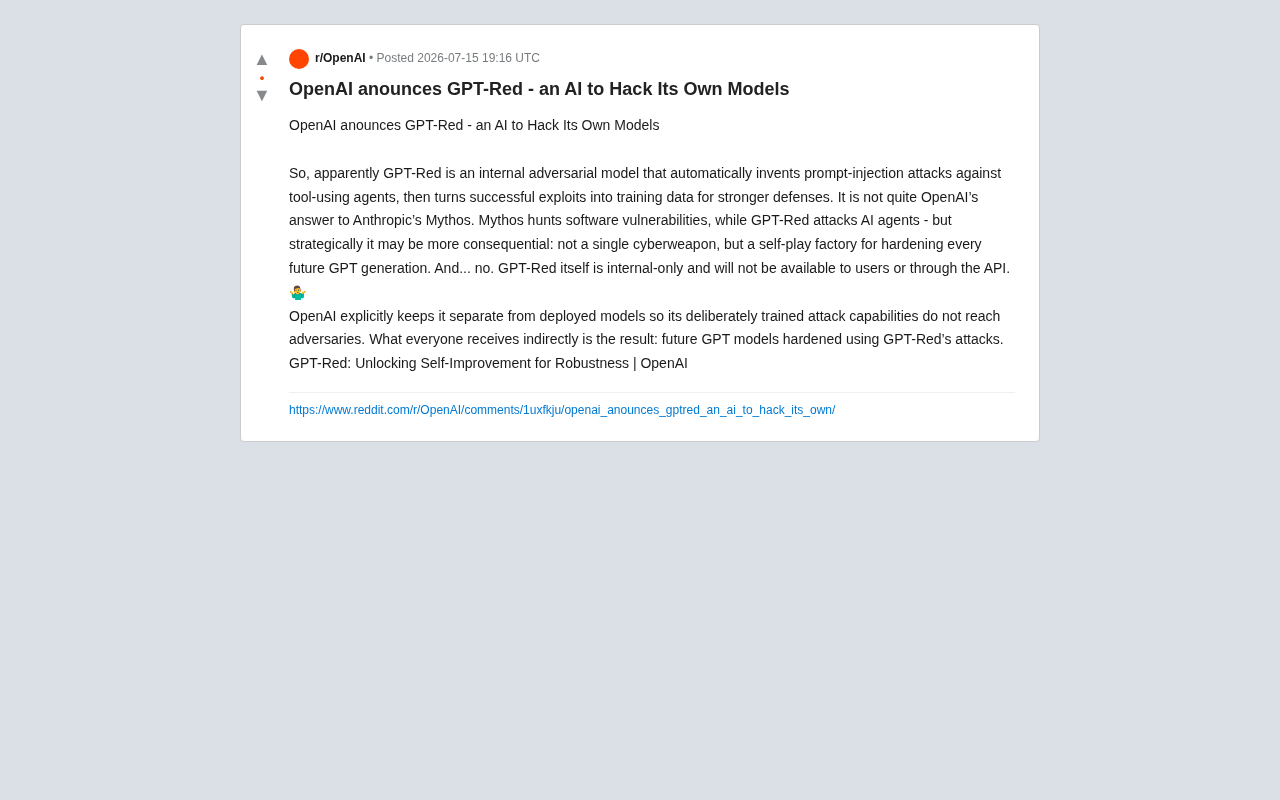
GPT-Red: OpenAI's Internal Red-Team Security Tool That Uses AI to Attack Its Own Models
GPT-Red is OpenAI's internal red-team tool that auto-generates prompt-injection attacks against AI agents, turning successful attacks into training data to harden future GPT models.
Read more →
Smart Proxy: The Key Architecture for …
·3 min
Smart Proxy: The Key Architecture for Running AI Coding Agents Safely and Autonomously
Too much AI permission is risky; too little kills productivity. A smart proxy acts as a controllable middleware layer — intercepting, auditing, and policy-gating AI agent actions in tools like Claude Code and Cursor for safe autonomous operation.
Read more →

·2 min
P2P Student GPU Sharing Network: A Full Breakdown of Technical Feasibility and Real-World Challenges
A deep dive into the technical feasibility and real-world challenges of P2P student GPU sharing networks, covering distributed computing, latency, security, and incentive design.
Read more →

·2 min
ChatGPT Work Officially Launches: How GPT-5.6 Reshapes the Way You Work
OpenAI launches ChatGPT Work and the GPT-5.6 model family—Sol, Terra, and Luna. From financial analysis to local file processing and interactive site generation, AI moves from answering questions to getting work done.
Read more →

·3 min
Lanemu 0.14: An Open-Source Hamachi Alternative for Free, Unlimited P2P Virtual LANs
Lanemu is an open-source P2P VPN and a free Hamachi alternative with no device limits and auditable code. Ideal for LAN gaming, remote intranet access, and small-team networking.
Read more →
·3 min
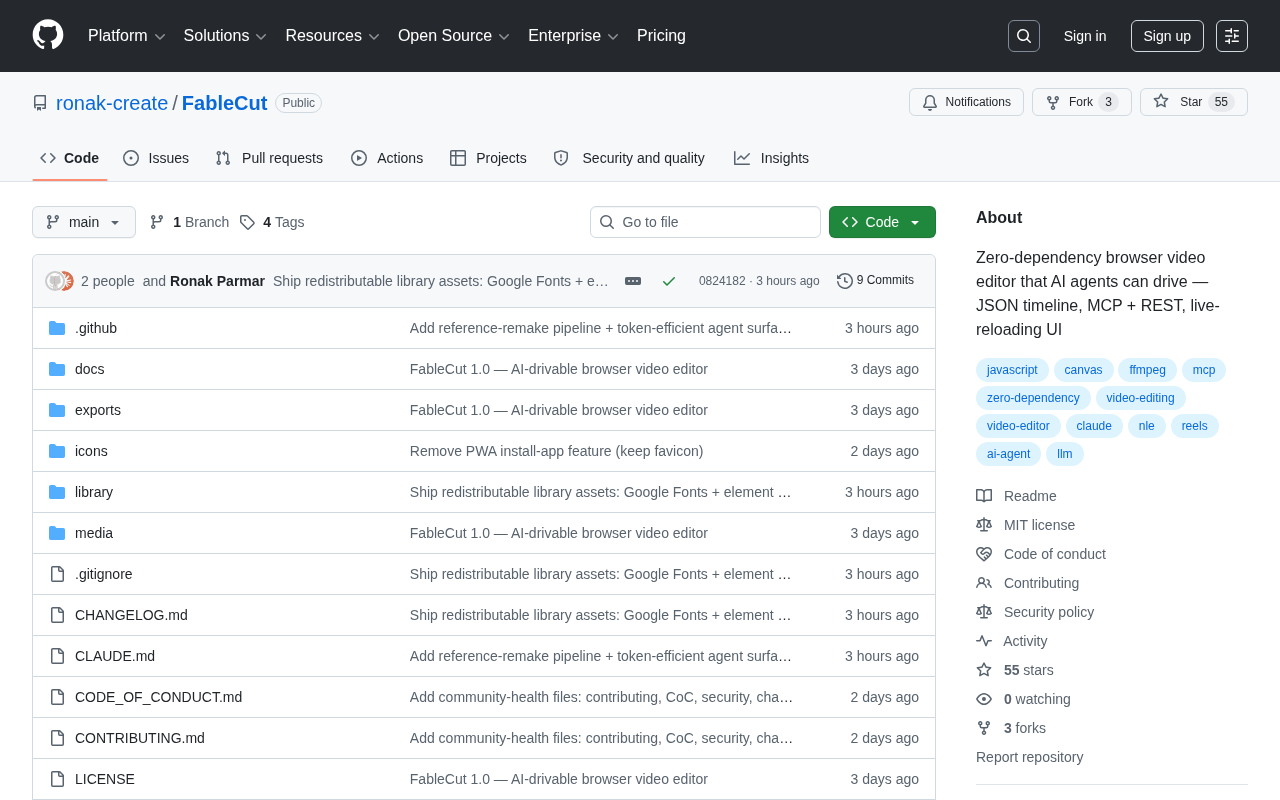
FableCut: A Zero-Dependency Browser Video Editor Built for AI Agents
FableCut is an open-source browser video editor built on a zero-dependency architecture and programmable AI-agent-driven design. A deep dive for AI automation developers.
Read more →

·4 min
AI + Automated Testing: Building an Engine-Agnostic Quality System with Skill + CLI
An in-depth analysis of the AI-driven software testing paradigm: with Skill and CLI as the core hub, supporting both platformized management and digital employees, helping testing teams transform from script writers into capability builders.
Read more →

·3 min
Benchmarking LLMs on Smartphones: A Deep Dive into the MELTing Point Benchmark
The MELTing Point paper is the first to evaluate mobile LLM performance in real user scenarios, covering iPhone, Samsung, Pixel and more, testing TinyLlama, Mistral-7B and others—revealing GPU inference gains, 47°C heat warnings, and prefill-decode disaggregation.
Read more →

·3 min
Farewell to a Decade-Old VPS: Technical and Emotional Insights from Retiring an Old Server
A tweet saying "rest well, old friend" resonated across the tech community. This article explores VPS lifecycle management, best practices for retiring old servers, and the unique emotional bond between engineers and infrastructure.
Read more →

·3 min
GPT-5.6 Released: Sol/Terra/Luna Three-Tier Model Family Takes On Claude Head-On
OpenAI officially releases GPT-5.6 with a three-tier model family—Sol, Terra, and Luna. Flagship Sol beats Claude on coding benchmarks: twice as fast, a third cheaper.
Read more →

·4 min
Four Major LangChain Updates: OpenWiki, Voice Agents, and Sub-Agent Orchestration Explained
LangChain releases four major updates: OpenWiki for auto-generating codebase docs, voice agent tutorials, Harbor evaluation integration, and deepagents programmable sub-agents.
Read more →
·4 min
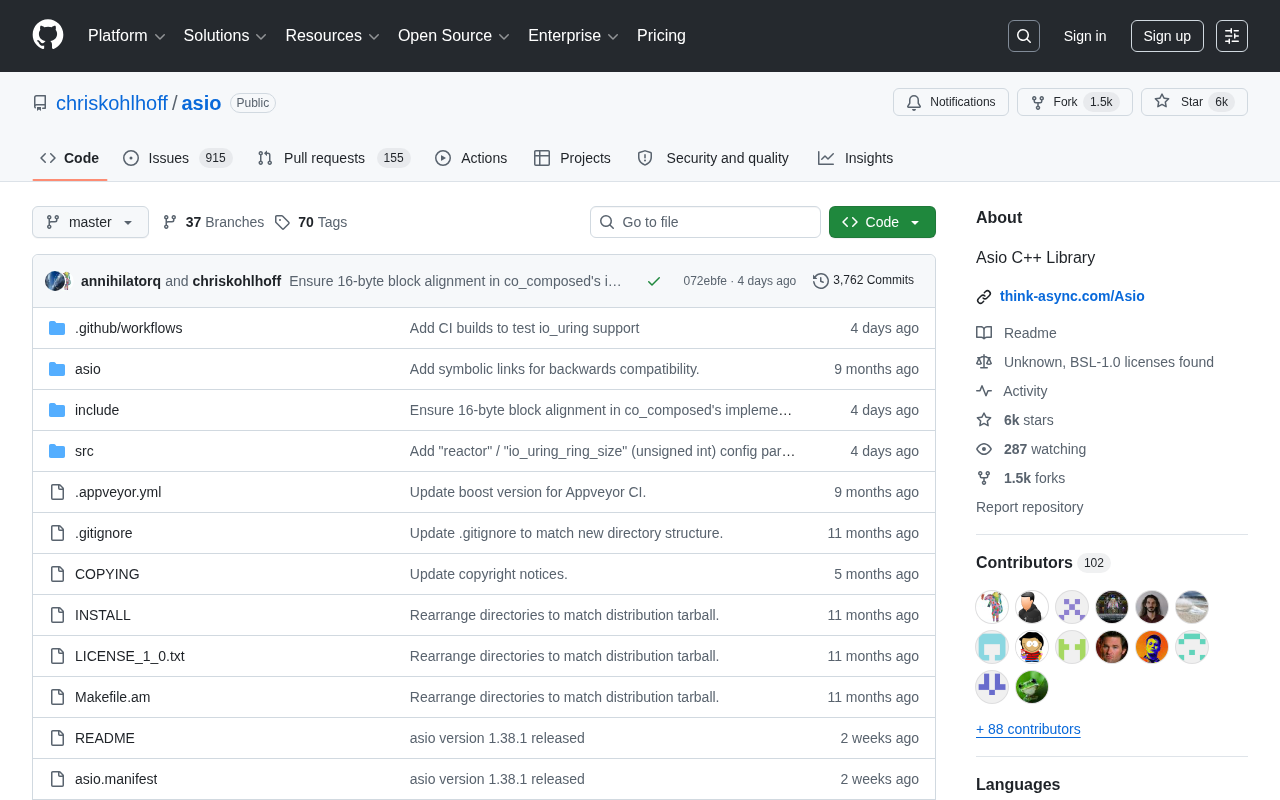
Deep Dive into Asio: The De Facto Standard and Core Design of C++ Asynchronous Network Programming
A comprehensive analysis of Asio (Boost.Asio) covering its Proactor async model, completion token mechanism, C++20 coroutine support, and cross-platform I/O abstraction for high-performance C++ networking.
Read more →

·5 min
GPT-5.6 Comes to Codex, Voice Models Iterate: A Flurry of AI Product Updates
OpenAI announces GPT-5.6 Sol Ultra coming to Codex and its most powerful real-time voice model yet, GPT Realtime 2.1; Tencent's Toast lands on iOS; Anthropic finds brain-like structures in Claude.
Read more →

·6 min
GPT-5.6 Hands-On Deep Dive: ChatGPT and Codex Merge, Full Analysis of the Sol Model
GPT-5.6 is officially released, merging ChatGPT and Codex into one app and launching the three-tier Sol, Terra, and Luna models. A detailed breakdown of 16 hands-on tests plus Worker mode and Codex dev upgrades.
Read more →

·7 min
Google's $250K Bounty: Linux VM Escape Vulnerability Sets a Historic Record
Google paid a security researcher $250K for a Linux kernel VM escape vulnerability, setting a VRP record. An in-depth analysis of VM escape principles, kCTF incentives, and cloud security impact.
Read more →