#fast AI inference
1864 related articles

·1 min
Gemini Omni 1.1 Flash Deep Dive: How Omni-Modal + Ultra-Fast Inference Is Changing Real-World AI Deployment
Deep dive into Google's Gemini Omni 1.1 Flash: its omni-modal capabilities, ultra-fast inference, developer use cases, comparisons with GPT and Claude, and what it means for scalable AI deployment.
Read more →

·2 min
GPT-5.6 Ultra Fast Mode Explained: The Technology and Real-World Impact Behind a 14x Inference Speed Boost
GPT-5.6 Ultra Fast mode achieves up to 14x inference speedup via Cerebras hardware, outputting 750 tokens/sec. Deep dive into the technology, limitations, and developer impact.
Read more →

·3 min
Vibecoding in Practice: Task Concurrency Splitting Makes AI Inference 3x Faster
Learn how to split AI reasoning tasks by act and character, run 14 concurrent streams, and cut processing time from 100s to 30s — a reusable schedule-concurrency-aggregate methodology.
Read more →

·3 min
DeepSeek Open-Sources DiSpark: Up to 85% Faster AI Inference Without Changing Hardware
DeepSeek and Peking University release DiSpark, an open-source framework that speeds up LLM inference by 60–85% using speculative decoding and hierarchical verification — no hardware changes or retraining required.
Read more →

·2 min
Qwen3.5 Technical Deep Dive: How 5% Active Parameters Outperform Billion-Scale SOTA Models
Deep dive into Alibaba's Qwen3.5: hybrid attention, ultra-sparse MoE & multi-token prediction. 397B total params, only 17B activated, achieving 19x inference speedup.
Read more →
·4 min
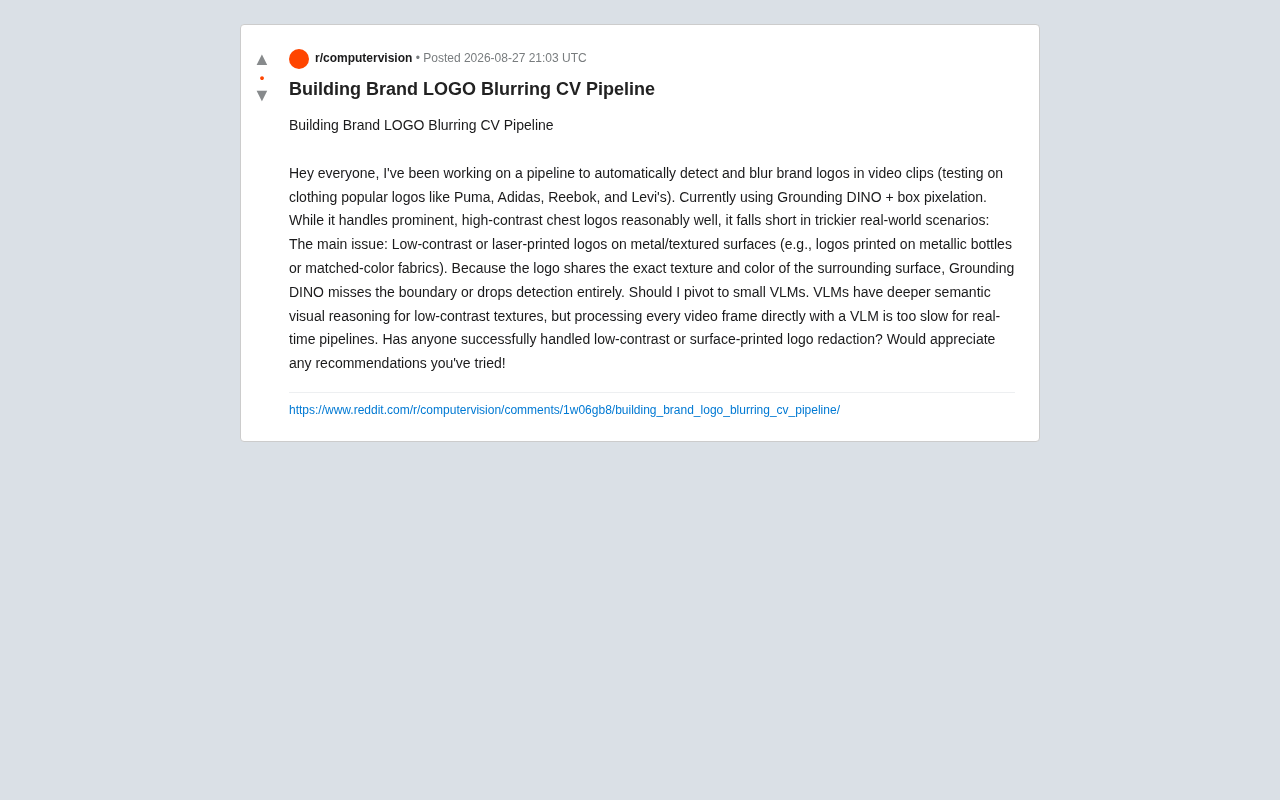
Automatic Brand LOGO Blurring in Video: The Low-Contrast Detection Challenge and Engineering Solutions
Analyzing the low-contrast detection challenge in brand LOGO auto-blurring CV pipelines, exploring Grounding DINO's limits and engineering solutions like VLM cascades and temporal tracking.
Read more →

·3 min
AI Coding Quota Burned Through in Under an Hour: The Hidden Cost Problem of Premium Models and How to Cope
A developer burned through their AI coding subscription quota in under an hour using GPT-5.6 and Grok 4.6. Learn why premium models cost so much and practical strategies to save quota.
Read more →

·4 min
Benchmarking with Production Data: A Model Migration That Cut Costs by 91%
How to build free eval sets from production logs, validate candidate models with a two-layer architecture (deterministic checks + blind LLM judge), and migrate 14 of 16 tasks to cut 91% of token costs.
Read more →

·3 min
AI Agent in Practice: Building an Automated Interior Design Rendering Workflow with Coze
Step-by-step guide to building an AI Agent workflow on Coze that auto-generates interior design renderings from floor plans, covering node setup, prompts, and fault tolerance.
Read more →

·2 min
Alphabet's $700 Billion Market Cap Wipeout: Is Massive AI Spending Strategic Vision or a Money Pit?
Alphabet's market cap dropped $700B as massive AI spending sparks fierce Wall Street debate. Deep analysis of Google's AI investment surge, divided market views, and the tech industry's AI reckoning.
Read more →

·2 min
How Video Generation Models Learn Better and Faster: Key Paths to Improving Training Efficiency
A deep dive into core methods for improving video generation model training efficiency, including latent space compression, data filtering, curriculum learning, and architecture optimization.
Read more →

·3 min
Codex Beginner's Guide: Installation, Configuration & Connecting Chinese LLM APIs
Complete guide to installing OpenAI Codex, how it differs from Claude Code, and how to connect Chinese LLMs like DeepSeek via API keys with full setup steps and limitations.
Read more →

·4 min
A Beginner's Guide to AI Economics Research: A Systematic Roadmap for Economics PhD Students
How should economics PhD students systematically enter the vast field of AI economics? This guide maps four research threads, literature methods, and technical priorities for building expertise.
Read more →

·3 min
Self-Hosted ASR Models vs. Cloud APIs: A Comprehensive Cost and Reliability Comparison
In-depth analysis comparing self-hosted ASR open-source models vs. cloud speech recognition APIs like Google, covering cost differences, reliability, and break-even calculations for Whisper, IBM Granite, and more.
Read more →
·3 min
Qwen 3.8 Flash Next Deep Dive: A Hybrid Architecture That Surpasses DeepSeek V4 with Half the Active Parameters
Deep analysis of Qwen 3.8 Flash Next: how its hybrid architecture surpasses DeepSeek V4 Flash with half the active parameters, its deployment value, and what it signals for Qwen 4.
Read more →

·2 min
What to Do About Grok 4.6 Frequent High Load? A Guide for Cursor Users
Cursor Pro users frequently encounter Grok 4.6 High Load issues. This article analyzes three possible causes and provides practical strategies including model switching and off-peak usage.
Read more →

·4 min
Real-World Challenges and Strategies for Production-Grade RAG Systems
Deep dive into core challenges of production-grade RAG systems, covering retrieval quality, hybrid search, offline evaluation, production monitoring metrics, latency-cost trade-offs, and security controls.
Read more →

·3 min
Roc 0.1.0 Preview: A Fast, Friendly, and Functional New Programming Language
Roc language nears its first numbered release 0.1.0, transitioning from experimental to usable. Explore its platform architecture, core features, and toolchain.
Read more →
·3 min
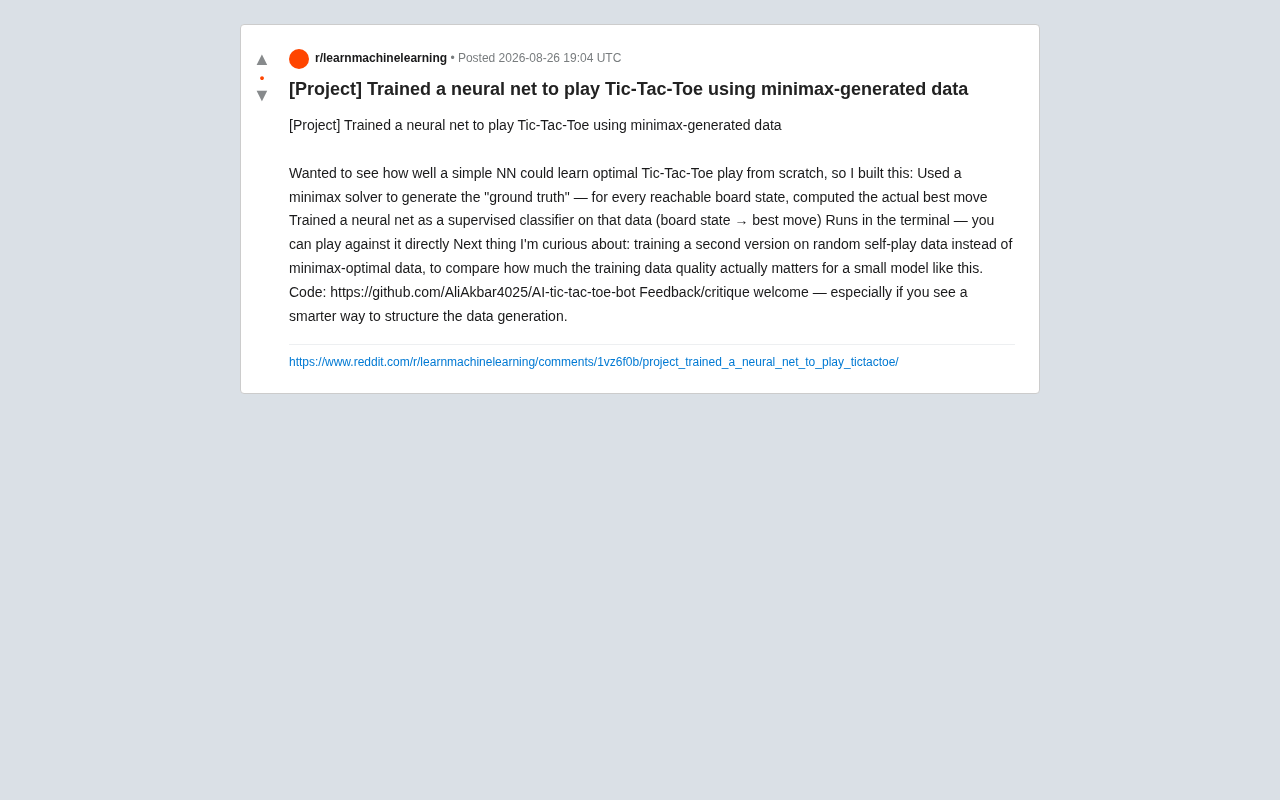
Training a Neural Network to Play Tic-Tac-Toe with Minimax Data: A Data Quality Experiment
Explore how Minimax-generated optimal data trains a neural network to play Tic-Tac-Toe. This article covers knowledge distillation, supervised learning modeling, and how data quality critically impacts small model performance.
Read more →
·3 min
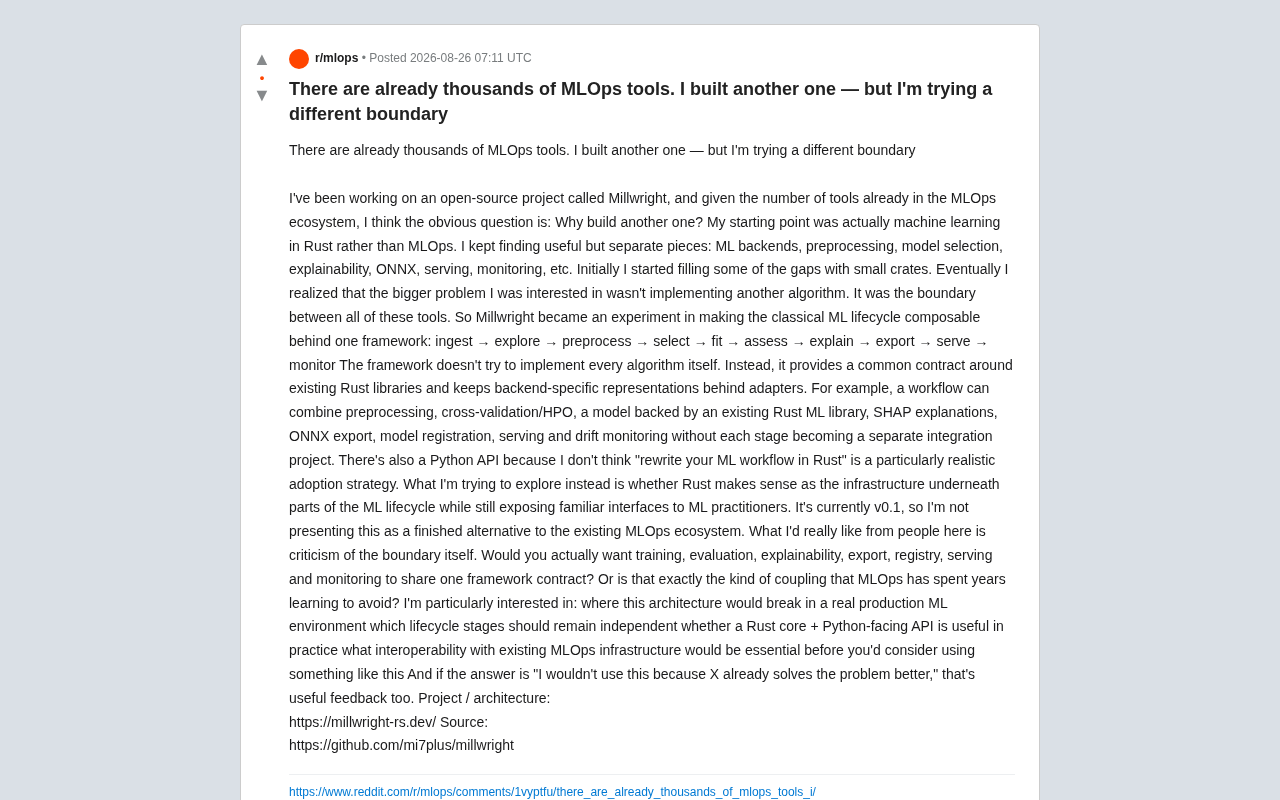
Millwright: Redefining the Boundaries Between MLOps Tools with Rust
Millwright is a Rust-based open-source MLOps framework that composes ML lifecycle stages through a unified contract layer with a Python API. We analyze its architecture and the decoupling vs. unification tradeoff.
Read more →