#iterative thinking
441 related articles

·3 min
A Beginner's Guide to AI Agents: Two Learning Paths for Developers and Practitioners
How to learn AI Agents from scratch? This guide covers two clear paths: developers go from Python to LLMs to open-source framework source code; practitioners use Claude Code or similar tools to get results fast.
Read more →

·3 min
From RAG to Agent Tuning: A Complete Guide to Deploying LLM Agents
A deep dive into LLM Agent frameworks covering RAG, Agent core components (tools, memory, planning), and Agent Tuning workflows with cost considerations for production deployment.
Read more →
·2 min
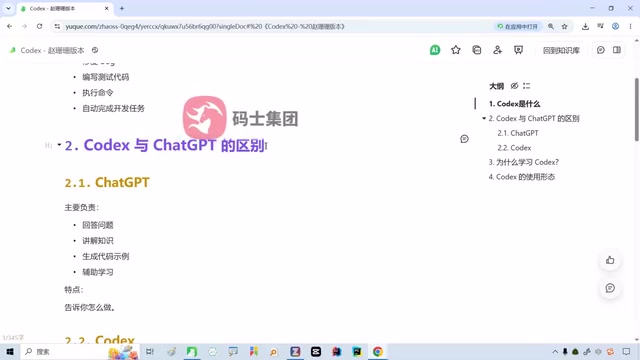
Codex Beginner's Guide: Understanding the Difference Between OpenAI's Coding Agent and ChatGPT
A detailed guide to OpenAI Codex coding agent: understand how it differs from ChatGPT, how AI agents autonomously generate, debug, and test code, and why developers need to learn this new paradigm.
Read more →
·2 min
Codex Beginner's Guide: Understanding the Difference Between OpenAI's Coding Agent and ChatGPT
A detailed guide to OpenAI's Codex coding agent: understand what it is, how it differs from ChatGPT, and why developers should master AI coding agents now.
Read more →

·2 min
The Complete Methodology for Landing an Offer Using Claude for Mock Interviews
A job seeker used Claude for AI mock interviews, fixing rambling answers and buried examples through iterative feedback, and landed the offer. Full methodology inside.
Read more →

·3 min
Why Can't AI Draw Charts Properly? The Cognitive Blind Spots in LLM Visualization Capabilities
Top AI LLMs can write code and pass professional exams, yet can't produce an accurate chart. This article analyzes why AI fails at chart generation and reveals the uneven nature of AI intelligence.
Read more →
·3 min
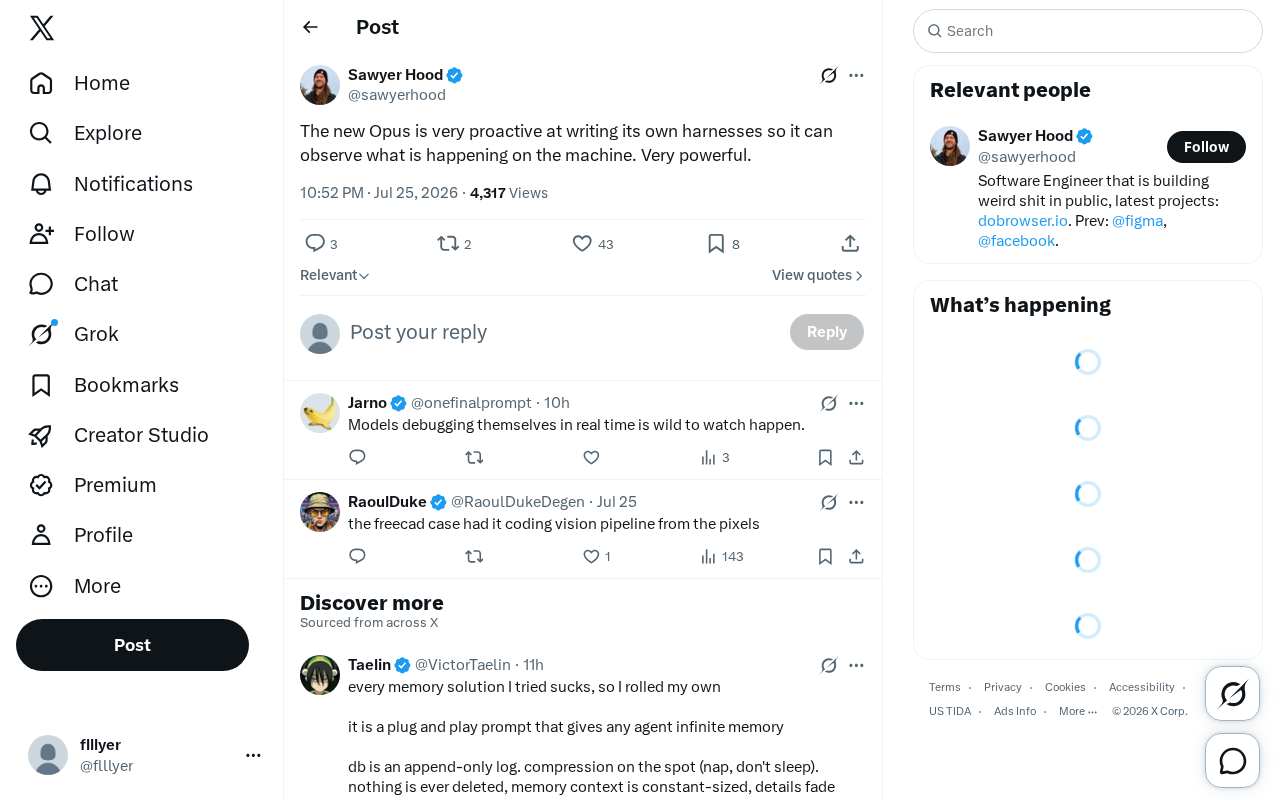
Claude Opus's Autonomous Debugging Capabilities: What It Means When AI Proactively Writes Test Harnesses
New Claude Opus proactively writes test harnesses to observe runtime behavior. We analyze how this shift from passive code generation to autonomous debugging marks a key evolution in AI programming.
Read more →

·4 min
How Should Legal Education Transform in the AI Era? A Complete Guide from Curriculum Reform to Talent Development
Generative AI is profoundly disrupting the legal profession. This article explores AI's impact on law, law school curriculum reform, and the core competencies future lawyers need, including critical judgment, AI proficiency, and ethical literacy.
Read more →

·5 min
Multiway Turing Machines: A New Paradigm from Single Computation to Multiple Possibilities
An in-depth analysis of Wolfram's multiway Turing machines, exploring how computation expands from single paths to multiway graph structures, and deep connections to AI search algorithms and quantum computing.
Read more →
·7 min
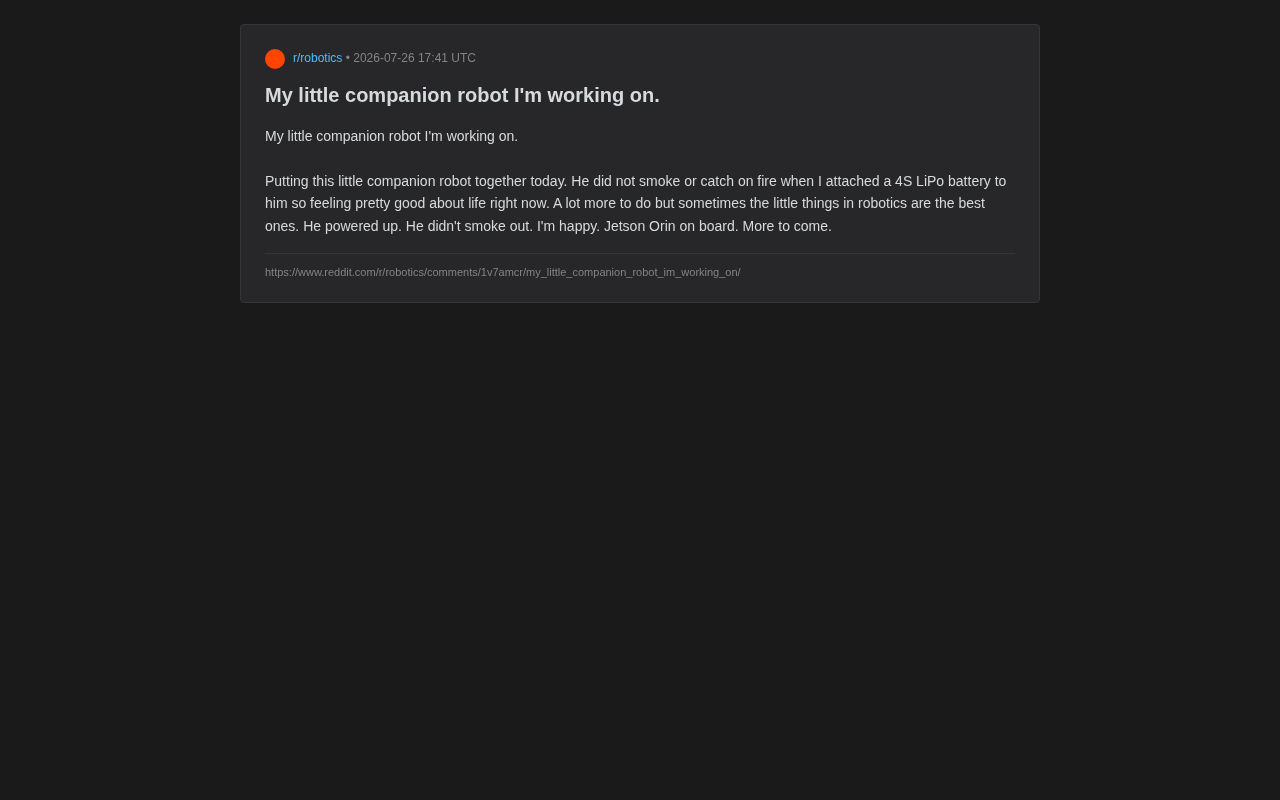
DIY Companion Robot: Building Your AI Desktop Buddy with Jetson Orin
A maker builds a DIY companion robot with NVIDIA Jetson Orin and 4S LiPo battery. Explore the full development journey from first power-up to AI interaction, including edge computing, power design, and companion robot trends.
Read more →
·2 min
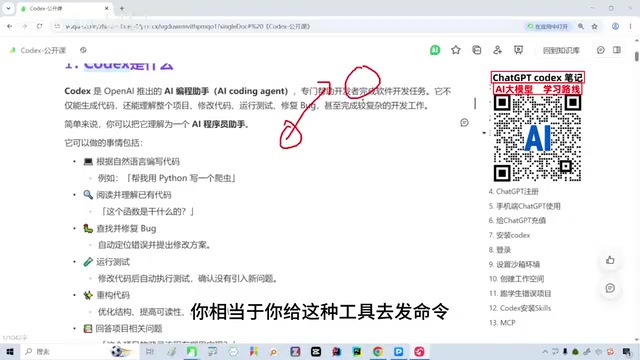
Getting Started with ChatGPT Codex: A Practical Guide to the AI Coding Assistant
Codex is OpenAI's AI coding assistant that lets you write code using natural language. Learn its core features, use cases, and why programmers must master AI coding tools.
Read more →

·2 min
Getting Started with ChatGPT Codex: A Practical Guide to the AI Programming Assistant
Codex is OpenAI's AI programming assistant that lets you write code in natural language. This article breaks down Codex's core features, use cases, and why programmers must master AI coding tools.
Read more →

·4 min
Notion Co-founder: From Note-Taking Tool to AI Agent Workspace
Notion co-founder Simon Last shares Notion's journey from note-taking tool to AI agent workspace: from first tasting GPT-4 to personal and custom agents.
Read more →

·1 min
Becoming an AI Agent Engineer: A Detailed 4-Week Hands-On Learning Roadmap
Want to become an AI Agent engineer? This article breaks down a 4-week roadmap: from core agent architecture and ReAct, to multi-agent collaboration and real projects.
Read more →

·2 min
Vibe Coding Beginner's Guide: The Right Way to Code with AI from Scratch
Vibe Coding is a new AI-era programming paradigm — just express your intent and let AI write the code. Learn what it is, why it matters, and how to get started from scratch.
Read more →

·4 min
OpenAI Merges Codex and ChatGPT: Deep Dive into Three New Models + Agent Workflows
OpenAI merges Codex and ChatGPT into a unified platform while launching three new models: SOUL, TERRA, and LUNA. Deep dive into Computer Use, loop workflows, multi-threading, and the Agent Native strategy.
Read more →

·4 min
Making $3,000/Month Freelancing with Codex? A Rational Look at AI Coding Side Hustles
Can AI coding tools really earn you $3K/month with zero experience? We break down the marketing hype around Codex freelancing, examine the 4-week roadmap, and reveal what AI-assisted coding can realistically offer.
Read more →

·6 min
The Complete Guide to Using Claude in China: In-Depth Comparison of 4 Solutions and How to Choose
How can users in China use Claude? This article deeply compares four solutions: official subscription, proxy subscription (WildCard), relay platforms (2233/0011.ai), and API aggregation (OpenRouter).
Read more →
·3 min
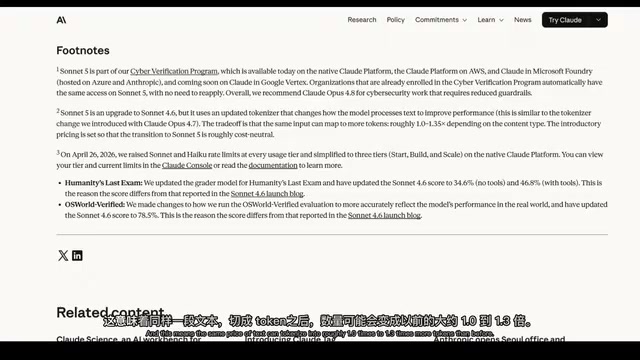
Claude Sonnet 5 Deep Dive: Impressive Benchmarks, Questionable Value — Just Use Opus 4.8?
Claude Sonnet 5 review: 63.2% SWE-bench, near Opus 4.8 performance, but new tokenizer hides real costs. Ranks 13th on CursorBench. Most tasks: stick with Opus 4.8.
Read more →

·4 min
Vibe Coding vs. AI-Assisted Engineering: An In-Depth Look at Enterprise-Level Development
Can AI coding tools let non-developers replace programmers? This deep dive examines Vibe Coding's real limits, compares Claude Code vs. Codex, and reveals the methodology behind enterprise-grade AI-assisted software engineering.
Read more →