#lightweight LLM agent
583 related articles

·3 min
7 Vibe Coding Agents Tested & Ranked: Which AI Coding Tool Should Beginners Choose?
Hands-on comparison of 7 Vibe Coding agents including Trae, Cursor, Claude Code, Codex, WorkBuddy & CoderWork, ranked by beginner-friendliness and performance.
Read more →

·3 min
7 Vibe Coding Agents Tested & Ranked: Which AI Coding Tool Should Beginners Choose?
Side-by-side review of 7 Vibe Coding agents including Trae, Cursor, Claude Code, Codex, WorkBuddy, and CoderWork, ranked by beginner-friendliness, performance, and ease of use.
Read more →

·4 min
WebMCP in Practice: How MakeMyTrip Is Reshaping the Travel Booking Experience
India's largest OTA platform MakeMyTrip uses WebMCP to standardize AI Agent interactions with web apps, replacing fragile DOM scraping with natural language-driven test automation and simplified complex booking scenarios.
Read more →

·4 min
WebMCP in Practice: How MakeMyTrip Is Reshaping the Travel Booking Experience
India's largest OTA platform MakeMyTrip uses WebMCP to standardize AI Agent interaction with web apps, solving DOM scraping fragility, enabling natural language test automation, and simplifying complex international flight bookings.
Read more →

·3 min
From Frontend to Agent Development: A Complete 6-Week Systematic Learning Path
A 6-week systematic learning path for frontend engineers transitioning to AI Agent development, covering core architecture, ReAct, multi-agent collaboration, RAG integration, and deployment.
Read more →
·3 min
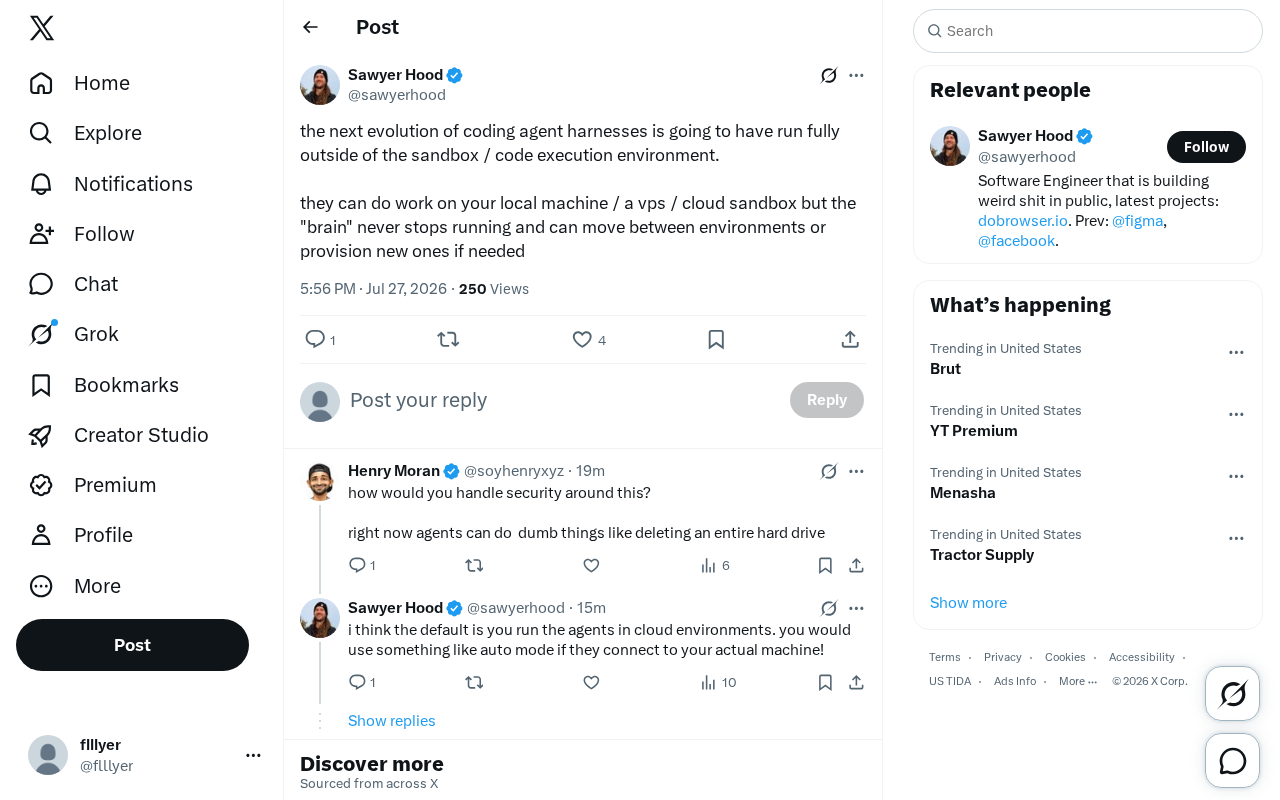
The Next Evolution of Coding Agents: Letting the Brain Break Free from the Sandbox
Exploring the key evolution in coding agent architecture: separating the reasoning core from code execution environments to decouple control and execution planes.
Read more →

·3 min
Kimi K3 Launches on Ollama Cloud: Free Tier, User Experience, and Developer Guide
Kimi K3 officially launches on Ollama Cloud as an "extra high usage" model. This guide covers free tier quotas, cloud inference experience, technical advantages, and how developers can seamlessly call this high-performance LLM.
Read more →

·4 min
Choosing the Wrong Agent Ruins Everything: Why the Same Model Can Perform Like Two Completely Different AIs
The same LLM API performs drastically differently under different Agent frameworks. Through a real database crash case, this article analyzes why choosing the right Agent matters more than switching models.
Read more →

·4 min
AI Agent Development in Practice: A Complete Path from Zero to Production
A systematic guide to AI Agent development covering core modules, framework selection, tool calling, data preparation, and production deployment to help developers build production-ready Agent applications.
Read more →

·5 min
Complete Breakdown of Core Competencies for AI Agent Engineers: From Demo to Production-Grade Systems
Deep breakdown of 4 core AI Agent engineer competencies: business decomposition, multi-Agent architecture, quantitative evaluation, and engineering delivery—bridging the gap from Demo to production.
Read more →

·5 min
The Complete Guide to AI Agent Development: A Four-Stage Progressive Roadmap
A systematic guide to AI Agent development across four stages: LLM fundamentals, ReAct paradigm, memory & tools, and multi-agent collaboration for developers.
Read more →
·3 min
The Next Evolution of Coding Agents: Letting the Brain Escape the Sandbox
Exploring the next evolution in coding agent architecture: decoupling the reasoning core from code execution environments to separate control and execution planes.
Read more →
·3 min
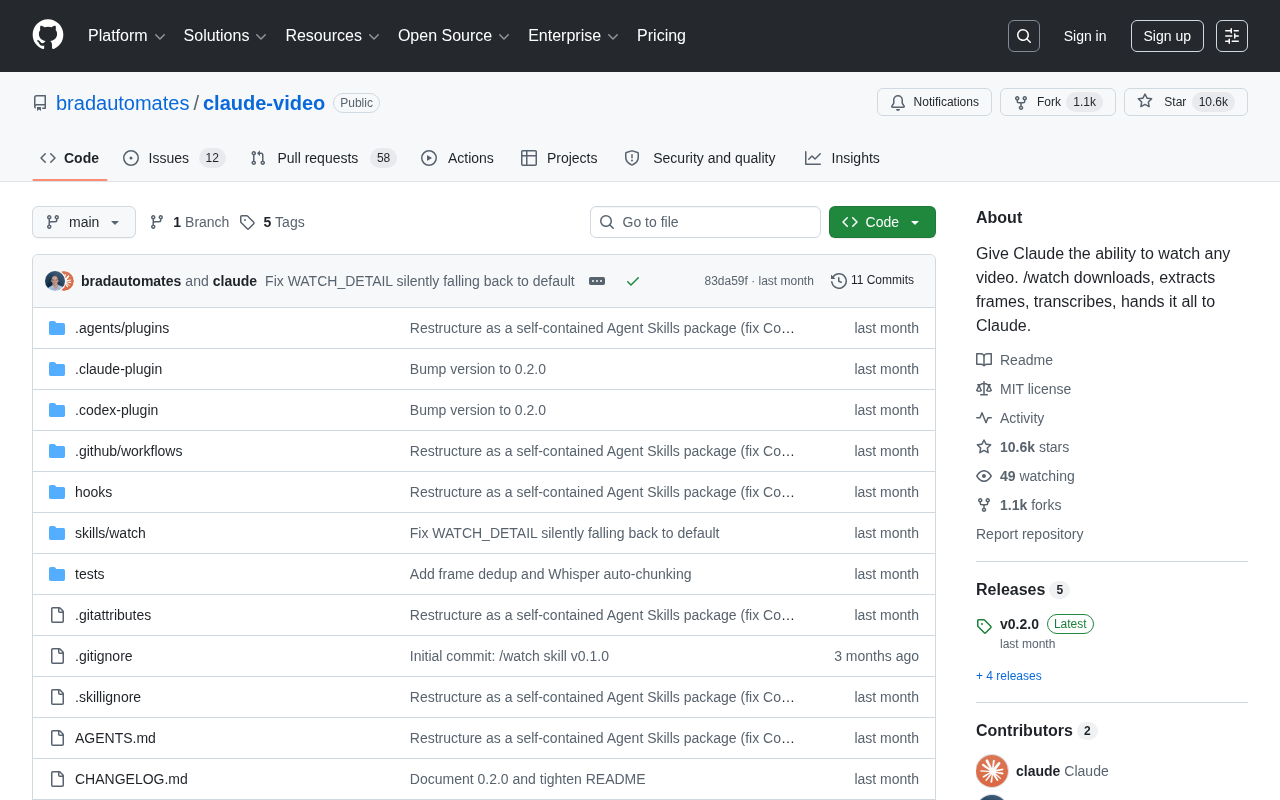
claude-video: An Open-Source Tool That Teaches Claude to "See" Videos
claude-video is a trending open-source tool that enables Claude to analyze videos via frame extraction and audio transcription. Learn how it works and its use cases.
Read more →

·3 min
Claude Opus 5 High Reasoning Mode: The Concerns and Insights of Overthinking
Claude Opus 5's high+ reasoning mode has been jokingly called an "anxious overthinker." This article analyzes why LLMs over-reason, the diminishing returns tipping point, and how to balance reasoning intensity.
Read more →

·3 min
Build RAG and AI Agent Projects at Zero Cost: A Practical Guide to Open-Source Tools
Build high-quality AI projects on a budget. Learn how to use Ollama, Groq, Chroma, and other free open-source tools to build RAG systems and multi-Agent workflows from scratch.
Read more →
·3 min
Build RAG and AI Agent Projects at Zero Cost: A Practical Guide to Open-Source Tools
Build high-quality AI projects on a budget. Learn how to use Ollama, Groq, Chroma, and other free open-source tools to build RAG systems and multi-Agent workflows from scratch.
Read more →

·4 min
Getting Started with PiDeck: A Complete Guide to the Local AI Coding Workbench
PiDeck is a free, open-source local AI coding workbench that provides graphical management for CLI tools like Claude Code and Cursor. This guide covers installation, model authentication, project management, and advanced conversation tips.
Read more →

·3 min
Agent Intent Recognition: Engineering Practices Behind the Three-Layer Funnel Architecture
An in-depth look at the three-layer funnel architecture for agent intent recognition: rules for fast interception, context for routine intents, and LLM as fallback. Exploring the engineering trade-offs of accuracy, latency, and cost.
Read more →
·4 min
Getting Started with PiDeck: A Complete Guide to the Local AI Coding Workbench
PiDeck is a free, open-source local AI coding workbench that provides graphical management for CLI tools like Claude Code and Cursor. This guide covers PiDeck installation, model auth, project management, and advanced conversation tips.
Read more →

·2 min
Agent Skills Explained: Giving AI Plug-and-Play Capability Packs
Agent Skills is a lightweight open-source format that lets AI agents extend professional capabilities on demand, like loading plugins. Learn what Agent Skills are, the problems they solve, and their modular advantages.
Read more →