#mini program data persistence
197 related articles

·5 min
The Complete Guide to Building an AI-Powered Second Brain with Obsidian + Hermes Agent
An in-depth guide to building an AI-driven second brain with Obsidian + Hermes Agent. Covers living files, VPS deployment, core memory mechanisms, and skill visualization.
Read more →

·5 min
GPT-5.6 In-Depth Field Test: A Real-World Log After Burning Through $200K
A developer stress-tested GPT-5.6 for six weeks across 67 projects, burning $180K-$240K in inference. Real cases of task persistence, Rust rewrites, autonomous browser control — plus honest frontend and 3D shortfalls.
Read more →

·6 min
An Efficient Learning Guide for Data Science: Study Partnerships and Hands-On ML in Practice
Struggling to learn data science alone? This article explores the value of study partnerships and pairs them with the classic Hands-On ML textbook to offer a phased learning plan from math foundations to deep learning.
Read more →

·5 min
Getting Started with LangGraph: Building AI Agent Workflows with Graph Structures
Master LangGraph core concepts: nodes, edges, and routing functions. Learn StateGraph, MemorySaver, and ToolNode through a weather-query Hello World example, and understand how LangGraph relates to LangChain and powers Agent workflows.
Read more →

·4 min
Why Do AI Agents Crash the Moment They Go Live? A Practical Guide to Harness Engineering for Runtime
A deep dive into the Claude Code source code, systematically analyzing the five-layer Harness Engineering architecture: environment, tool, control, memory, and evaluation. Build a stable runtime system for production AI Agents.
Read more →

·4 min
The Death of Codex: How OpenAI Buried Developers' Favorite Coding Brand With Its Own Hands
OpenAI merged Codex into ChatGPT, killing a developer-beloved AI coding brand. A deep dive into the gains and losses of this brand consolidation.
Read more →

·3 min
The Complete AI Agent Development Workflow: A Seven-Step Guide from Requirements Analysis to Deployment
Want to build an AI Agent but don't know where to start? This guide covers the complete seven-step workflow—from requirements analysis, platform selection, prompt engineering, data storage, and UI building to testing and deployment.
Read more →

·7 min
GPT-5.6 Full Model Lineup Hands-On Guide: A Deep Dive into API Relay Stations and Their Risks
The full GPT-5.6 model lineup is live. How can domestic developers access it at low cost via API relay stations? This article explains the principles, registration, token setup, client integration, and key risks.
Read more →

·4 min
Dify Getting Started: A Complete Guide to Building AI Workflows Without Code
A complete guide to Dify's core features and 1.8.0 deployment. Covers 5 app types, Docker setup, Workflow vs Chatflow differences, and RAG knowledge bases for beginners.
Read more →
·6 min
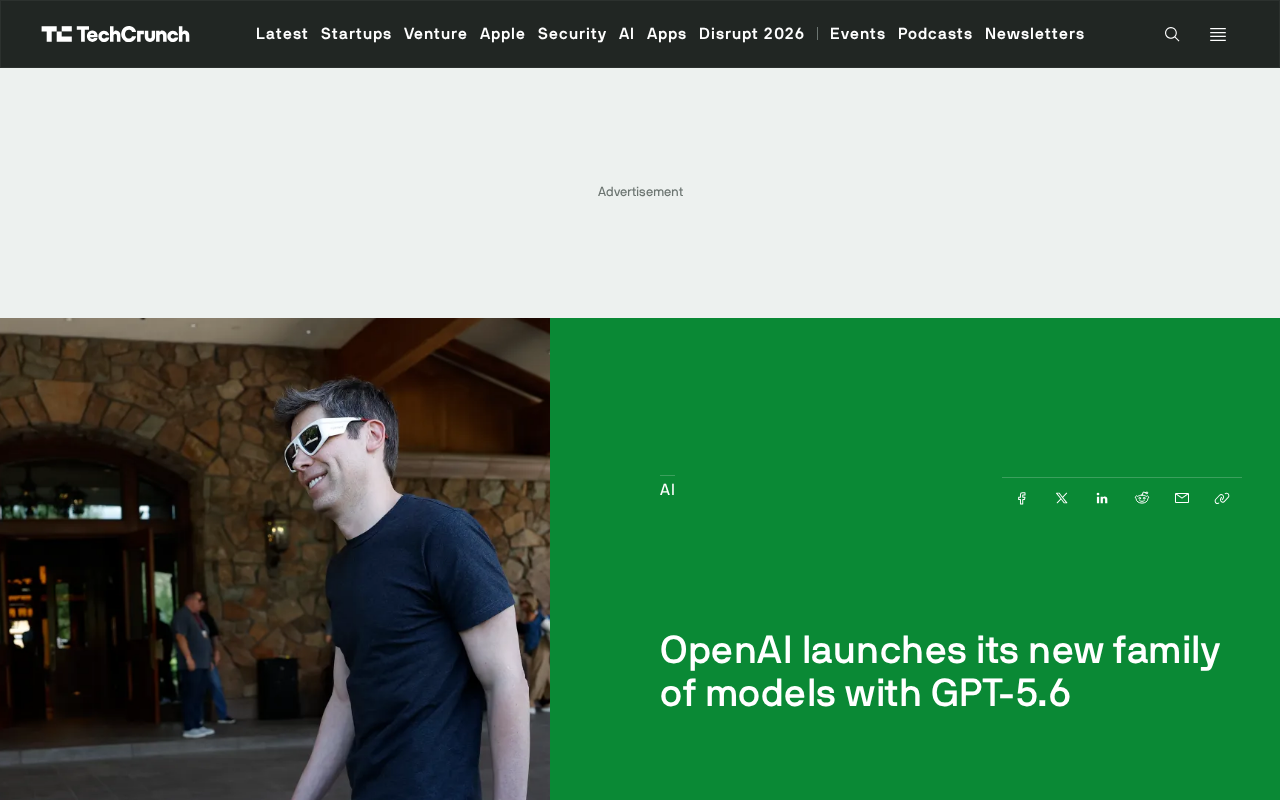
OpenAI Releases GPT-5.6: Cybersecurity Capabilities Take Center Stage
OpenAI launches the GPT-5.6 model family with cybersecurity as its biggest highlight. A deep analysis of GPT-5.6's differentiation, double-edged-sword effect, and enterprise strategy.
Read more →

·4 min
Kun: An Open-Source AI Coding Agent Deeply Optimized for DeepSeek
Kun is an open-source AI coding agent optimized for DeepSeek and domestic users, with nearly 5,000 GitHub stars. Features include requirements drafting, inline diffs, cost visualization, and mobile monitoring. Real-world cache hit rates reached 97%, keeping costs extremely low.
Read more →

·6 min
AI's Second Half: The Decisive Battle Shifts from Models to Infrastructure
Model capabilities are converging, making inference cost and scalability the new focus of AI competition. A deep analysis of AI infrastructure's core layers.
Read more →

·3 min
Files over Tools: Rethinking AI Agent Architecture with a Virtual Filesystem
Why give AI Agents a virtual filesystem and bash instead of more tools? A deep dive into the "Files over Tools" design philosophy, tool bloat, Unix principles, security sandboxing, and hybrid architectures.
Read more →

·6 min
A Three-Month AI Agent Learning Roadmap: From Zero to Hands-On Agent Development
A systematic breakdown of the complete AI Agent learning roadmap, covering prompt engineering, the ReAct paradigm, memory mechanisms, and multi-agent collaboration, with hands-on project advice.
Read more →
·6 min
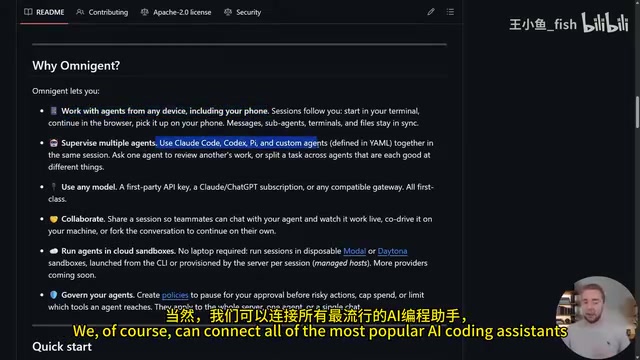
Omnigent Open-Sourced: A Meta-Harness for AI Coding Agents Built by Databricks
Databricks open-sources Omnigent, a Meta-Harness for orchestrating Claude Code, Codex, and more AI coding assistants together—with built-in guardrails, cross-model workflows, and real-time collaboration. Get started in 10 minutes.
Read more →

·4 min
Grok vs GPT vs Claude: Which AI is the Best Coding Assistant?
Grok 4.5, GPT-5.5, and Claude go head-to-head on the same coding tasks. A deep comparison of code quality, UI design, and engineering standards to help you choose the right AI coding assistant.
Read more →
·7 min
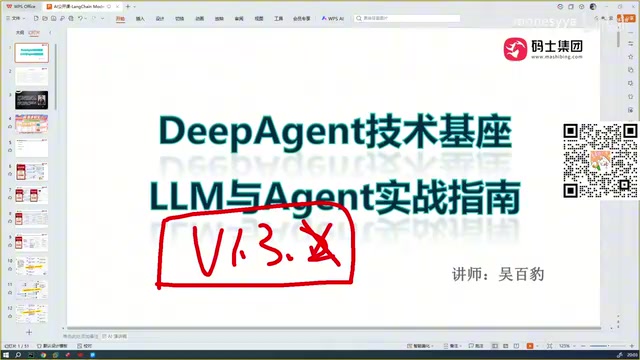
Getting Started with LangChain 1.3: Core Concepts of LLMs and Agents
An in-depth breakdown of LangChain 1.3's core concepts, covering the three major limitations of LLMs, Agent architecture, memory management, and a complete learning path. Master LangChain and LangGraph to quickly build AI development skills.
Read more →

·7 min
The Prompt is the Platform: How AI Agents Deeply Participate in System Design and Specification
Resonate's founder proposes "The Prompt is the Platform": as AI agents generate production-grade implementations from abstract specs, engineers' value shifts to specification. A deep dive into deterministic simulation and forbidden-fruit debugging.
Read more →

·7 min
The Agent Engineer Transition Roadmap: A Deep Dive into Three Core Skill Systems
Want to become an Agent engineer? This article systematically covers three core skill tracks—LLM fundamentals, LangChain architecture development, and enterprise deployment—to help you avoid detours.
Read more →

·7 min
Getting Started with Dify: A Complete Guide from Local Deployment to Building Enterprise-Grade AI Applications
A detailed guide to Dify, the open-source LLM app development platform, covering its core features and full local deployment via VMware + Ubuntu + aaPanel + Docker. Supports 100+ models like DeepSeek and ChatGPT to build enterprise AI apps fast.
Read more →