#no Python AI
2336 related articles

·3 min
DLLM: A Deep Dive into the Minimalist Local Coding Agent Built on llama.cpp
Deep dive into DLLM, a minimalist coding agent built directly on llama.cpp. Explore its zero-overhead architecture, local privacy advantages, use cases, and trade-offs vs. cloud AI coding tools.
Read more →

·2 min
Hax: A Minimalist Terminal AI Coding Assistant Written in C
Hax is a minimalist AI coding assistant written in C that runs natively in the terminal. Zero dependencies, ultra-lightweight, and instant startup — built for terminal workflows.
Read more →

·3 min
Python to AI Engineer: A Complete Learning Path from Zero
A systematic guide from Python zero to AI engineer, covering Python basics, NumPy/Pandas data tools, math/statistics, and machine learning—with answers to common questions about DSA, math depth, and learning methods.
Read more →

·3 min
How Beginners Can Start Contributing to Open Source: A Complete Guide from Zero to Your First PR
How can programming beginners contribute to open source? A complete guide covering project selection, finding good first issues, non-code contributions, and submitting your first Pull Request.
Read more →

·4 min
Advancing Your Self-Taught Machine Learning Journey: Three Paths Forward After Completing Foundational Projects
After completing MNIST implementation and paper reproduction, how should self-taught ML learners advance? This article outlines three paths: computer vision, NLP, and math foundations.
Read more →

·3 min
LangChain Tool Calling in Practice: Adding Your First Tool to an AI Agent with the @tool Decorator
Complete guide to LangChain AI Agent tool calling: from defining tools with @tool decorator to automatic Agent invocation, with calculator examples, security tips, and naming conventions.
Read more →

·3 min
LLM Learning Roadmap: A Three-Phase Practical Guide
A systematic LLM learning roadmap: from Python basics to LangChain & LlamaIndex frameworks, RAG, Agent, and fine-tuning core skills, plus hands-on projects to master LLM app development in 3 months.
Read more →

·3 min
Java + AI in Practice: Building an Enterprise-Grade Airline Intelligent Customer Service System
Learn how Java engineers can enter AI application development using Spring AI to build an enterprise-grade airline intelligent customer service system with RAG, Function Calling, and more.
Read more →
·3 min
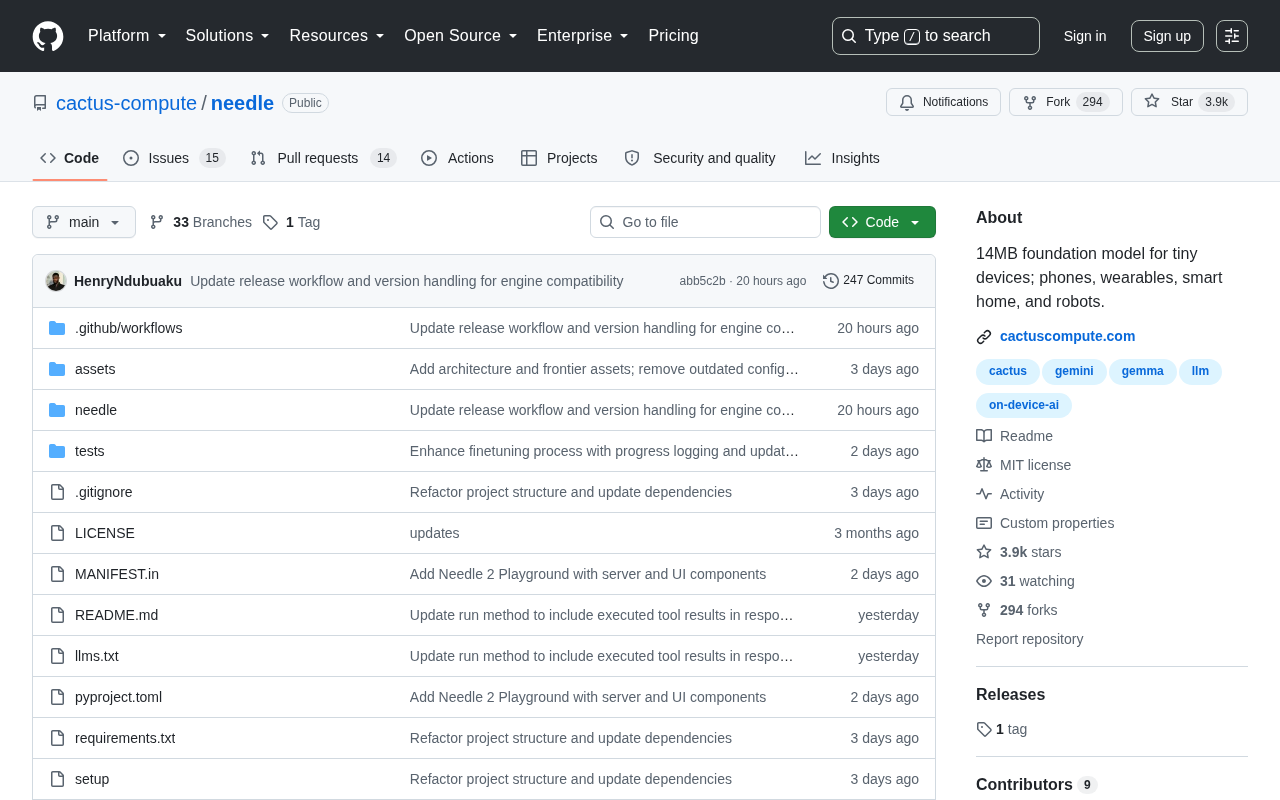
Needle: How a 14MB Foundation Model Is Unlocking Edge AI Deployment
Needle is a 14MB open-source foundation model from cactus-compute, designed for phones, wearables, smart home devices, and robots. Explore its edge AI potential.
Read more →

·2 min
NVIDIA Open-Sources Switchyard: An AI Task Scheduling Engine Built with Rust
NVIDIA-NeMo team open-sources Switchyard, a high-performance AI task scheduling engine built in Rust. Explore its technical positioning, why Rust was chosen, and its strategic role in the NeMo ecosystem.
Read more →

·3 min
SpiderFoot: A Deep Dive into the Open-Source OSINT Automation and Attack Surface Management Tool
Deep dive into SpiderFoot, an open-source OSINT automation tool with 200+ intelligence modules, attack surface management, and threat intelligence collection for penetration testing and enterprise asset monitoring.
Read more →

·2 min
LTX-2 Open Source: A Complete Analysis of the Unified Audio-Video Generation Model
Deep dive into Lightricks' open-source LTX-2 unified audio-video generation model, covering its Python inference toolkit, LoRA fine-tuning trainer, and synchronized audio-visual generation capabilities.
Read more →

·2 min
Embabel: A Deep Dive into the AI Agent Framework Built for the JVM
Embabel is a JVM agent framework written in Kotlin, enabling Java/Kotlin developers to build AI Agents within their familiar tech stack. A deep analysis of its positioning, technical advantages, and synergy with the Spring ecosystem.
Read more →

·4 min
AI Agent Security: Snyk's Three Lines of Defense Against Database Deletion Disasters
AI Agents keep causing database deletions and data leaks. Snyk proposes three ADS defense lines: trusted code generation, supply chain protection, and behavioral governance using hooks and deterministic guardrails.
Read more →

·4 min
Getting Started with LangChain 1.3: Ecosystem Architecture & Agent Development Complete Guide
Complete guide to LangChain 1.3 ecosystem: four core modules (LangChain, LangGraph, DeepAgent, LangSmith), from setup to building your first Agent with tools, prompts & memory.
Read more →

·2 min
Mousam: Hands-On Review of the Most Beautiful Open-Source Weather App on Linux
Mousam is a GTK4-based open-source weather app for Linux with multi-location management, AQI monitoring, and hourly forecasts. Full review of features and installation.
Read more →

·5 min
Building Data Agents with BigQuery and ADK: AgentOps in One Line of Code
Deep dive into Google Cloud's complete stack for building data Agents with BigQuery and ADK, covering MCP Toolbox parameterized SQL, managed MCP servers, and Agent Analytics one-line observability.
Read more →

·3 min
What Are AI Agents? A Deep Dive into the Three Core Components: Perception, Decision, and Action
A deep dive into AI Agents: their definition and three core components—Perception, Decision, and Action. Learn what distinguishes real AI agents from chatbots and automation scripts.
Read more →

·3 min
A Universal Orchestration Layer for Deep Learning: Why MLOps Still Lacks a Standard Framework
Deep learning training code is just the tip of the iceberg. This article explores why MLOps still lacks a standard framework-agnostic orchestration layer and offers practical tool combination advice.
Read more →

·3 min
EgoLite Browser Deep Dive: Why It's Better Than Playwright MCP for Personal AI Automation
Deep dive into EgoLite Agent browser, comparing it with Playwright MCP and Browser Use. Analyzing Space isolation, script-based operations, and Skill features.
Read more →