#peer-to-peer
105 related articles

·3 min
Lanemu 0.14: An Open-Source Hamachi Alternative for Free, Unlimited P2P Virtual LANs
Lanemu is an open-source P2P VPN and a free Hamachi alternative with no device limits and auditable code. Ideal for LAN gaming, remote intranet access, and small-team networking.
Read more →
·6 min
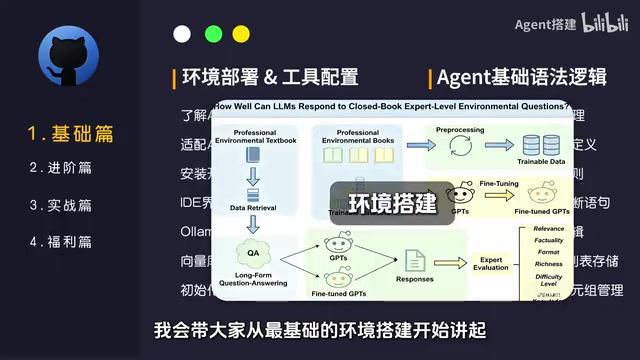
AI Agent Development Learning Path: Four Stages from Zero to Hands-On Projects
A systematic breakdown of the AI agent development learning path, covering four stages: fundamentals, RAG knowledge bases, tool use, multi-agent collaboration, and hands-on projects.
Read more →
Mesh LLM: A Practical Exploration of B…
·3 min
Mesh LLM: A Practical Exploration of Building a P2P Distributed AI Inference Network with iroh
Mesh LLM leverages the Rust P2P framework iroh to integrate compute from scattered nodes, exploring a viable path for decentralized LLM inference. This article analyzes its architecture, challenges, and prospects.
Read more →

·6 min
Airtel Gives Away Free Perplexity Pro: Will You Be Charged Automatically When It Expires?
Airtel partnered with Perplexity to offer users a free one-year Pro subscription, but the renewal charging mechanism worries many. This article breaks down the billing logic of operator-bundled subscriptions and offers practical self-protection tips.
Read more →

·5 min
DCTS: A Deep Dive into an Open-Source Self-Hosted E2EE Encrypted Communication Platform
DCTS is an open-source, self-hosted instant messaging platform led by an individual developer, integrating E2EE and decentralized architecture across desktop and mobile.
Read more →

·4 min
Four Major LangChain Updates: OpenWiki, Voice Agents, and Sub-Agent Orchestration Explained
LangChain releases four major updates: OpenWiki for auto-generating codebase docs, voice agent tutorials, Harbor evaluation integration, and deepagents programmable sub-agents.
Read more →

·2 min
Tailscale: Build a Secure Private Network Effortlessly with WireGuard
Tailscale is a modern networking tool built on WireGuard that automates key exchange, node discovery, and routing. Supports SSO and 2FA. Perfect for remote work, self-hosting, and multi-cloud setups.
Read more →

·4 min
9 Proven Methods to Make Hermes Agent Actually Work for You
9 battle-tested methods from hundreds of hours with Hermes Agent: model selection (Opus/ChatGPT/GLM), multi-agent failover, cross-device coordination via Tailscale, and reverse prompting workflows.
Read more →

·7 min
Reverse-Engineering CUDA-checkpoint: The Technical Principles and Practice of Cracking GPU Cold Starts
An in-depth analysis of reverse-engineering Nvidia CUDA-checkpoint to accelerate GPU cold starts. Covers checkpoint/restore, Serverless GPU prospects, and VRAM snapshot challenges.
Read more →

·2 min
Microsoft Open-Sources Flint: A Deep Dive into the AI Agent Behavior Visualization Language
Microsoft open-sources Flint, a visualization language for AI agents that helps developers understand decision paths, multi-step reasoning, and collaboration flows to improve debugging and observability.
Read more →

·7 min
The Agent Engineer Transition Roadmap: A Deep Dive into Three Core Skill Systems
Want to become an Agent engineer? This article systematically covers three core skill tracks—LLM fundamentals, LangChain architecture development, and enterprise deployment—to help you avoid detours.
Read more →

·7 min
Zero-Basis Learning Path for AI Agents: A Three-Stage Journey from Beginner to Deployment
A systematic zero-basis learning path for AI Agent development, covering Python and LLM fundamentals, five core capabilities like task planning and RAG, and LangChain hands-on practice.
Read more →

·4 min
Getting Started with AI Agent Development: Core Mindset and Learning Path for Beginners
Intimidated by AI Agent development? This article breaks down the two biggest beginner pain points and reveals why the real skill isn't memorizing APIs, but mastering requirement decomposition, workflow design, and problem-solving.
Read more →

·6 min
Coze from Scratch: A Complete Guide to Building Multi-Agent Collaboration
A detailed guide to Coze's core features: cross-platform interoperability, the Skills system, multi-agent collaboration, and workflow building. Compare Coze and Dify to build practical AI apps with zero coding.
Read more →

·5 min
NVIDIA AI-Q Blueprint × OCI: A Practical Guide to Production Deployment of Enterprise AI Agents
Deep dive into NVIDIA AI-Q Blueprint production deployment on Oracle Cloud Infrastructure, covering NIM microservices, RAG architecture, multi-agent orchestration, and OCI GPU selection.
Read more →

·5 min
NVIDIA AI-Q Blueprint × OCI: A Practical Guide to Production Deployment of Enterprise AI Agents
Deep dive into NVIDIA AI-Q Blueprint production deployment on Oracle Cloud Infrastructure, covering NIM microservices, RAG architecture, multi-agent orchestration, and OCI GPU selection for enterprise AI agents.
Read more →
·5 min
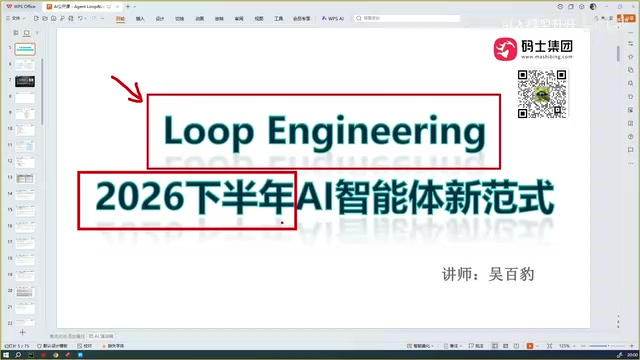
Loop Engineering: A Comprehensive Guide to AI Agent Loop Design
A deep dive into Loop Engineering for AI Agents — what loop feedback mechanisms are, how they differ from Harness Engineering, and a complete guide from principles to production implementation.
Read more →

·4 min
How to Subscribe to Claude in China Without Getting Banned: Registration, Payment, and API Guide
How can users in China safely subscribe to Claude and avoid getting banned? This guide covers email selection, phone verification, payment channels, refund requests, and using the official API as a long-term alternative to personal subscriptions.
Read more →

·7 min
Andrew Ng Teams Up with LangChain: Core Concepts of LangGraph Agent Development
Andrew Ng and LangChain CEO Harrison Chase's AI Agents in LangGraph course covers five agent design patterns and LangGraph's graph-based framework for building cyclical AI workflows.
Read more →
·7 min
Andrew Ng Teams Up with LangChain: Core Principles of LangGraph Agent Development
Andrew Ng and LangChain CEO Harrison Chase present AI Agents in LangGraph, covering five core agent design patterns and LangGraph's graph-based framework for building cyclical agentic workflows.
Read more →