#persistent reasoning graphs
87 related articles

·4 min
GPT-5.6 & OpenAI Super App Deep Dive: Loop Engineering as the New Paradigm Replacing Prompt Engineering
Deep dive into GPT-5.6 (Sol/Terra/Luna) and OpenAI's Super App: Loop Engineering, Parallel Agents, and Computer Use — unpacking the shift from prompt to loop engineering with real test cases and a startup framework.
Read more →

·3 min
AI Second Brain Tech Stack: Building a Proactive Intelligent Assistant for ADHD Users
How to build a true AI second brain for ADHD users: LangGraph, n8n, RAG, vector databases, and layered architecture for a proactive personal assistant.
Read more →
·3 min
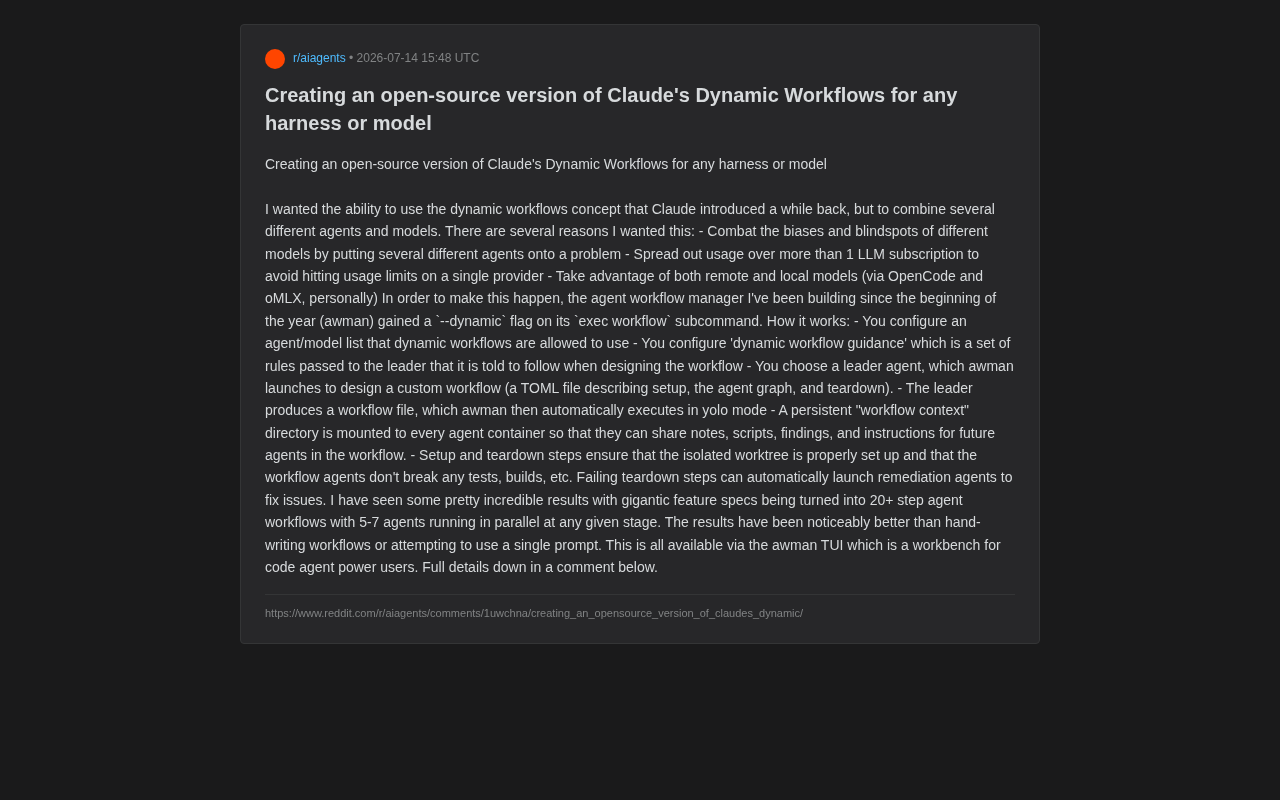
Open-Source Dynamic Workflows: How awman Enables Multi-Model Collaborative AI Programming
awman's --dynamic flag enables cross-framework dynamic workflows with multi-model collaboration. Explore its leader agent architecture, shared context design, and auto fault-tolerance mechanisms.
Read more →

·4 min
LangChain in Practice: Mastering the Four Core Modules of the Agent Ecosystem
A deep dive into LangChain's four core modules: LangChain components, LangGraph orchestration, Deep Agents, and LangSmith. Build your first Agent from scratch.
Read more →
·3 min
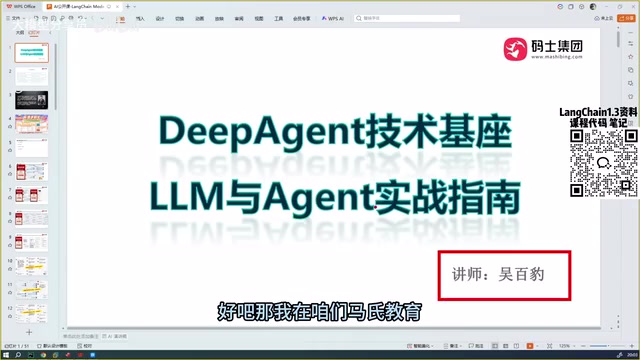
LangChain 1.3 in Practice: A Complete Learning Path from LLMs to Agent Development
A comprehensive guide to LangChain 1.3 — covering the full learning path from Models to Agent development, including Harness architecture, LangGraph, memory management, HITL, and Guardrails.
Read more →

·3 min
LangChain 1.3 in Practice: A Complete Technical Guide from LLMs to DeepAgent
An in-depth analysis of the core knowledge system of LangChain 1.3, covering the Harness architecture philosophy, DeepAgent positioning, LangGraph fundamentals, Agent memory, and human-in-the-loop.
Read more →
·6 min
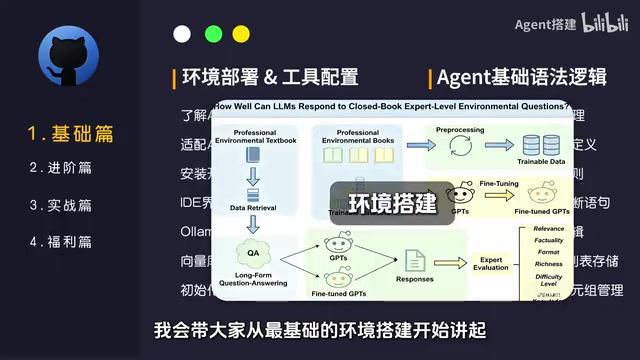
AI Agent Development Learning Path: Four Stages from Zero to Hands-On Projects
A systematic breakdown of the AI agent development learning path, covering four stages: fundamentals, RAG knowledge bases, tool use, multi-agent collaboration, and hands-on projects.
Read more →

·5 min
Getting Started with LangGraph: Building AI Agent Workflows with Graph Structures
Master LangGraph core concepts: nodes, edges, and routing functions. Learn StateGraph, MemorySaver, and ToolNode through a weather-query Hello World example, and understand how LangGraph relates to LangChain and powers Agent workflows.
Read more →
·4 min
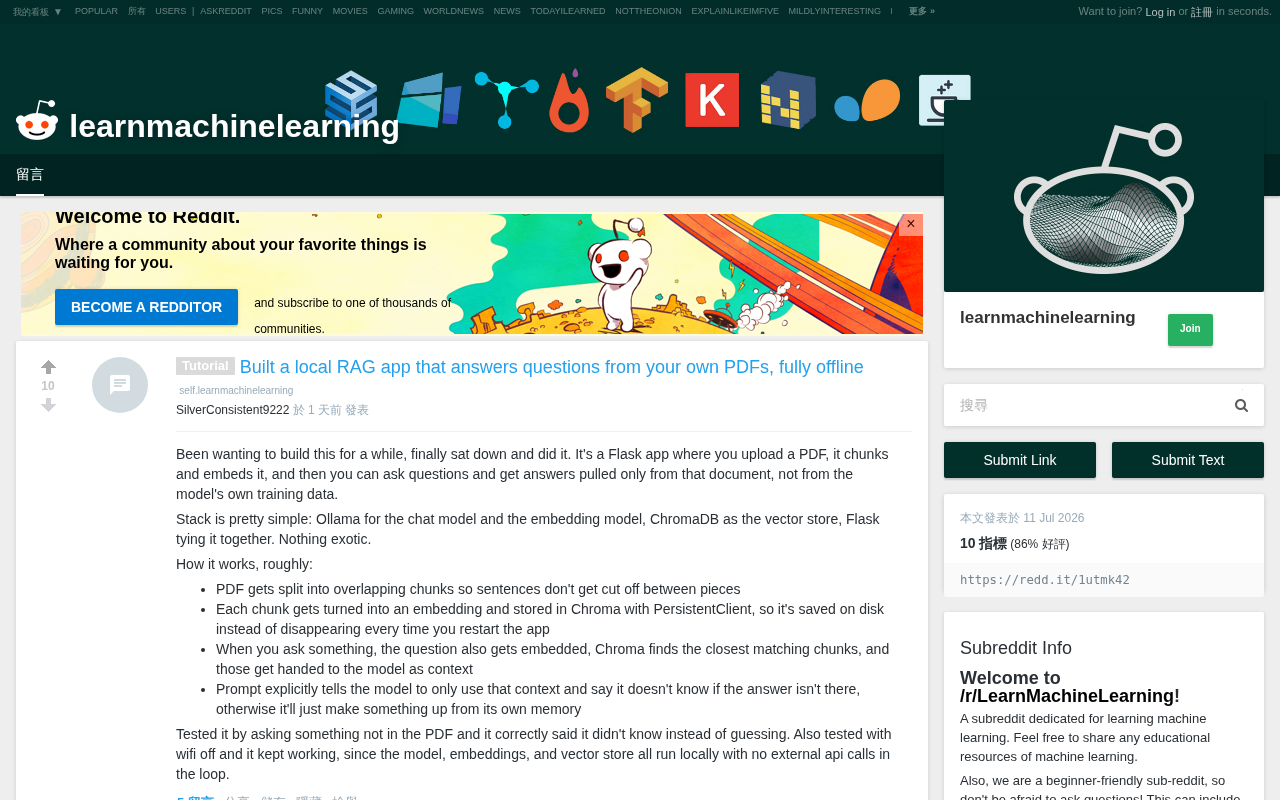
Building an Offline RAG Application from Scratch: A Complete Guide to a Private PDF Knowledge Base
A step-by-step breakdown of building a local RAG app: Ollama local models + ChromaDB vector database + Flask, enabling PDF document Q&A, fully offline operation, and zero data leakage. Perfect for developers new to RAG.
Read more →

·4 min
AI Persistent Memory Three-Layer Architecture Explained: In-Depth Comparison of Mem0, Zep, and ContextNest
Deep dive into the three-layer architecture of AI persistent memory systems—storage, management, and retrieval—with an in-depth comparison of Mem0, Zep, and ContextNest to help developers choose the right memory solution for AI Agents.
Read more →

·5 min
ECC: An Agent Enhancement Framework for AI Coding Assistants — Five Core Capabilities Explained
ECC is an agent optimization framework for AI coding assistants like Claude Code, Cursor, and Codex, enhancing them with skills, memory, security, and research-first development capabilities.
Read more →

·8 min
OpenAI Merges Codex with ChatGPT: A Deep Dive into the Unified Desktop App Overhaul
OpenAI officially merges its coding agent Codex with ChatGPT into a unified desktop app, adding new coding workflows, a Chrome extension, a built-in browser, and GPT-5.6-powered Computer Use capabilities.
Read more →

·5 min
28 Enterprise-Grade AI Agent Projects: A Complete Guide That Even Beginners Can Deploy
A collection of 28 fully reproducible enterprise-grade AI Agent projects covering code debugging, financial analysis, customer service, and multi-agent collaboration—deployable even for beginners.
Read more →

·4 min
9 Proven Methods to Make Hermes Agent Actually Work for You
9 battle-tested methods from hundreds of hours with Hermes Agent: model selection (Opus/ChatGPT/GLM), multi-agent failover, cross-device coordination via Tailscale, and reverse prompting workflows.
Read more →

·2 min
GBrain Local Deployment Guide: An AI Knowledge Engine That Outperforms Traditional RAG by 31%
GBrain is an open-source AI knowledge base supporting full local offline deployment. Its 12-step retrieval pipeline and knowledge graph boost accuracy 31% over traditional RAG.
Read more →

·4 min
Spring AI Alibaba Graph in Practice: HR Recruitment Workflow Agent Design and Core Technical Analysis
Build an HR recruitment workflow Agent with Spring AI Alibaba Graph, covering resume parsing, job matching, tiered question generation, HITL checkpointing, and time travel state rollback across 20 core technical points.
Read more →

·5 min
Security Swarm Evaluation in Practice: Validating AI Security Tools with Real Vulnerabilities
A deep dive into Security Swarm's evaluation methodology: building test sets from real, recent vulnerabilities to avoid training data contamination and validate its ability to find more bugs at lower cost.
Read more →
·7 min
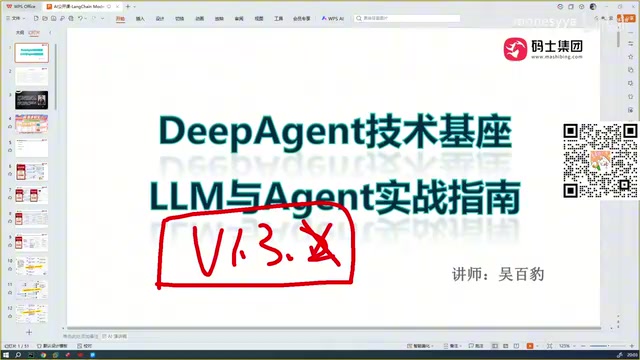
Getting Started with LangChain 1.3: Core Concepts of LLMs and Agents
An in-depth breakdown of LangChain 1.3's core concepts, covering the three major limitations of LLMs, Agent architecture, memory management, and a complete learning path. Master LangChain and LangGraph to quickly build AI development skills.
Read more →

·7 min
Dify 1.8.0 in Practice: A Complete Guide to Building Enterprise-Grade AI Workflows with Zero Code
An in-depth walkthrough of deploying Dify 1.8.0 and building applications: three-step Docker deployment, five app types compared, and Workflow vs Chatflow use cases—build enterprise AI apps with zero code.
Read more →

·7 min
Zero-Basis Learning Path for AI Agents: A Three-Stage Journey from Beginner to Deployment
A systematic zero-basis learning path for AI Agent development, covering Python and LLM fundamentals, five core capabilities like task planning and RAG, and LangChain hands-on practice.
Read more →