#scikit-learn tutorial
33 related articles

·2 min
awesome-systematic-trading: A Complete Guide to the 9,000-Star Quantitative Trading Open Source Resource List
Deep dive into the 9,100-star awesome-systematic-trading GitHub project covering backtesting frameworks, strategy implementations, data tools, and classic books for quantitative traders.
Read more →
·3 min
How to Choose AI Learning Books: A 5-Dimension Rational Evaluation Framework
How to evaluate AI/ML books rationally? Use these 5 dimensions—content depth, code quality, currency, community reputation, and companion resources—to choose wisely.
Read more →
Hands-On ML Chapter 2 Practical Guide:…
·2 min
Hands-On ML Chapter 2 Practical Guide: Key Takeaways from an End-to-End Project
A deep dive into Chapter 2 of Hands-On ML — California housing price prediction. Covers feature engineering, preprocessing pipelines, cross-validation, and building a complete ML workflow.
Read more →
The Complete Guide to Breaking Into Da…
·3 min
The Complete Guide to Breaking Into Data Science: Career Paths, Learning Resources, and Job Search Strategies
A complete guide to breaking into data science: learning resources, degree vs. online courses, building a portfolio, and career prospects. Ideal for career changers and upskilling professionals.
Read more →

·2 min
A Beginner's Guide to Grokking Machine Learning: Self-Study Paths and Resource Recommendations
Why Grokking Machine Learning is a top pick for ML beginners — covering the author, content, legal access options, and an effective self-study roadmap.
Read more →

·2 min
Run Python in Your Browser! Why This Free Machine Learning Course Is Worth a Try
ai.coredump.digital is a completely free, no-signup, from-scratch machine learning course that runs Python directly in your browser, covering 11 ordered learning tracks with 970 quiz questions and an interview drill mode.
Read more →

·5 min
Complete Guide to the National Mathematical Modeling Contest: Modeling, Topic Selection, and Award-Winning Strategies in the AI Era
A comprehensive guide to preparing for the National Mathematical Modeling Contest: covering the essence of modeling, judging rules, topic selection, AI usage guidelines, and a four-day schedule to boost your chances of winning.
Read more →
·3 min
Career Switch to AI Engineer Without a CS Degree: A Self-Study Roadmap from Scratch
A real case study of an agriculture student breaking into AI: how to start with CS50 and systematically master Python, machine learning, and MLOps skills, with a three-phase transition plan for self-learners.
Read more →

·4 min
Learn ML Free at Public Libraries: A Complete Guide to O'Reilly Tech Book Resources
Getting O'Reilly machine learning books free at public libraries? It's no myth. This article reveals hidden tech learning resources at libraries, including online platform subscriptions and digital database access, helping self-learners build AI knowledge at zero cost.
Read more →

·5 min
Advanced Machine Learning Reading List: How to Choose the Right Book Among These 4 Classics?
Torn between Géron, Chollet, and Raschka? This article breaks down 4 classic ML books for self-learners aiming at finetuning and small language models (SLM), helping you find the best advanced path.
Read more →
·4 min
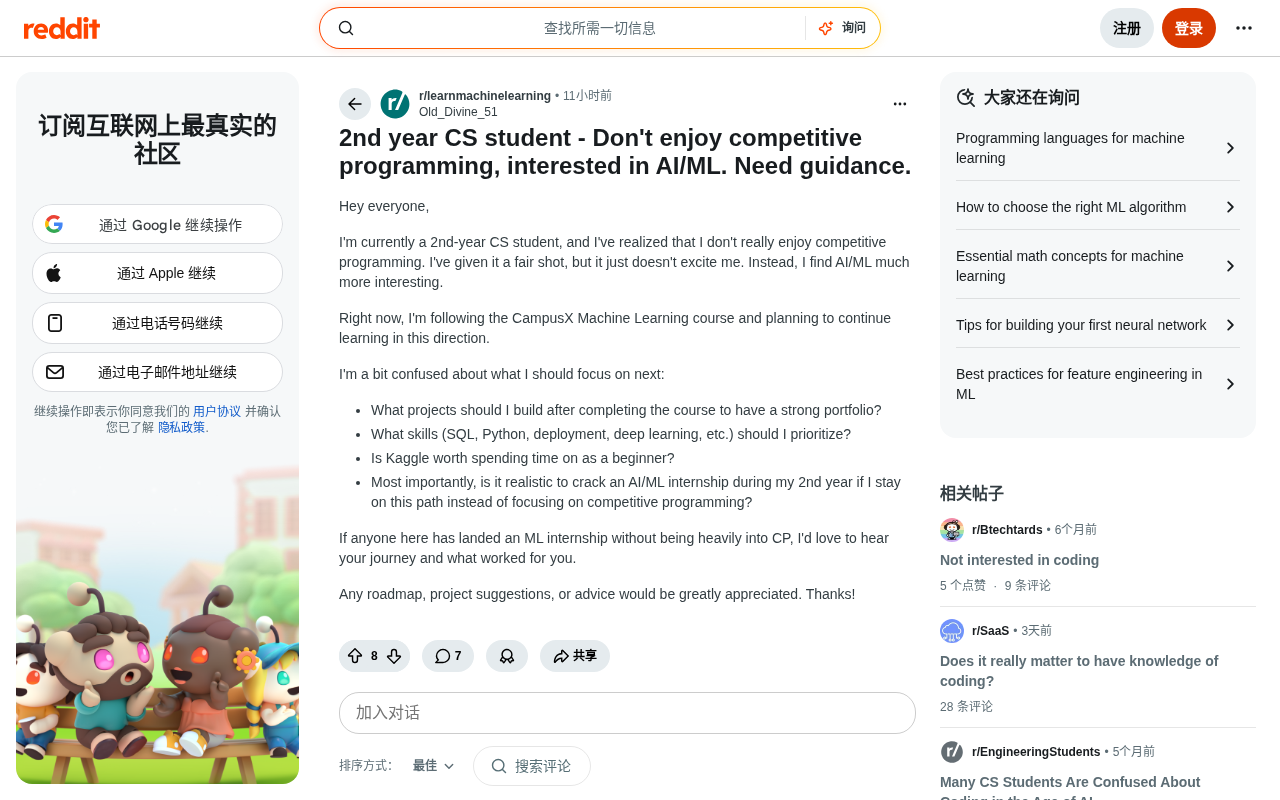
No Competitive Programming Required: How CS Students Can Pivot to AI/ML and Land Internships
How can CS students who dislike competitive programming systematically pivot to AI/ML? This guide covers skill priorities (Python/SQL/ML/deployment), portfolio strategy, Kaggle tips, and real paths to landing AI/ML internships.
Read more →

·3 min
Getting Started with Pandas: How to Choose Tutorials and Efficient Practice Resources
Struggling to pick a Pandas tutorial? This article breaks down the logic for choosing new vs. old versions, recommends hands-on resources like Kaggle and GitHub, and offers a 'tutorial + practice + projects' method to master data processing.
Read more →

·6 min
Grok 4.5 Hands-On: A Faster, Cheaper Coding Dark Horse — Can It Replace Opus and GPT?
In-depth Grok 4.5 hands-on review: priced at a fraction of Opus 4.8, twice the token efficiency of peers, and coding ability in the top tier. A real-project breakdown of its strengths, highlights, and shortcomings.
Read more →

·4 min
How to Choose a Machine Learning Course for Beginners: A Complete Roadmap
Not sure where to start with machine learning? This guide covers the community-approved ML roadmap: from math and Python basics to Andrew Ng, fast.ai, Kaggle, and CS229.
Read more →

·5 min
Python Learning Roadmap for Beginners: A Three-Stage System to Avoid 90% of Detours
Learning Python from scratch? This article breaks down the three learning stages—Fundamentals, Intermediate, and Practice—covering variables, OOP, scraping, and data analysis to help you plan a systematic Python path.
Read more →

·4 min
Python Learning Path for Absolute Beginners: A Science-Based Guide to Avoid Common Pitfalls
How can beginners learn Python without getting lost? This guide outlines a 3-stage learning path covering basics, advanced topics, and hands-on practice in web scraping, data analysis, and office automation.
Read more →

·7 min
Learning Python from Scratch: A Complete Guide to the Three-Stage Learning Path
Want to learn Python from scratch but don't know where to begin? This article breaks down three stages—basic syntax, advanced mastery, and hands-on practice—with real projects in crawling, automation, and data analysis to help you build programming thinking.
Read more →
·3 min
A Complete Guide to Learning Python from Scratch: From Basics to Web Scraping Projects
A systematic Python learning path for beginners covering syntax, OOP, web scraping, office automation, and data analysis, with methodology tips and resources.
Read more →

·3 min
Python Self-Study Roadmap: A Three-Phase Learning Method from Zero to Hands-On Projects
A detailed Python self-study roadmap in three phases: fundamentals, OOP & intermediate skills, and hands-on projects including web scraping and office automation.
Read more →
·3 min
Learn Python from Scratch: A Three-Phase Systematic Learning Path and Practical Guide
How to efficiently learn Python from scratch? This guide covers a three-phase learning path—fundamentals, intermediate, and practical—including environment setup, OOP, web scraping, office automation, and data analysis.
Read more →