#self-hosted AI dev pipeline
140 related articles

·6 min
Zuckerberg Says AI Will Run Your Entire Business — But Data Ownership Risks Can't Be Ignored
Meta launched an enterprise AI agent, with Zuckerberg claiming it can "run your entire business." This article explores the commercial value of AI agents, the hidden risks of data ownership, and how different businesses can balance efficiency with data sovereignty.
Read more →
·6 min
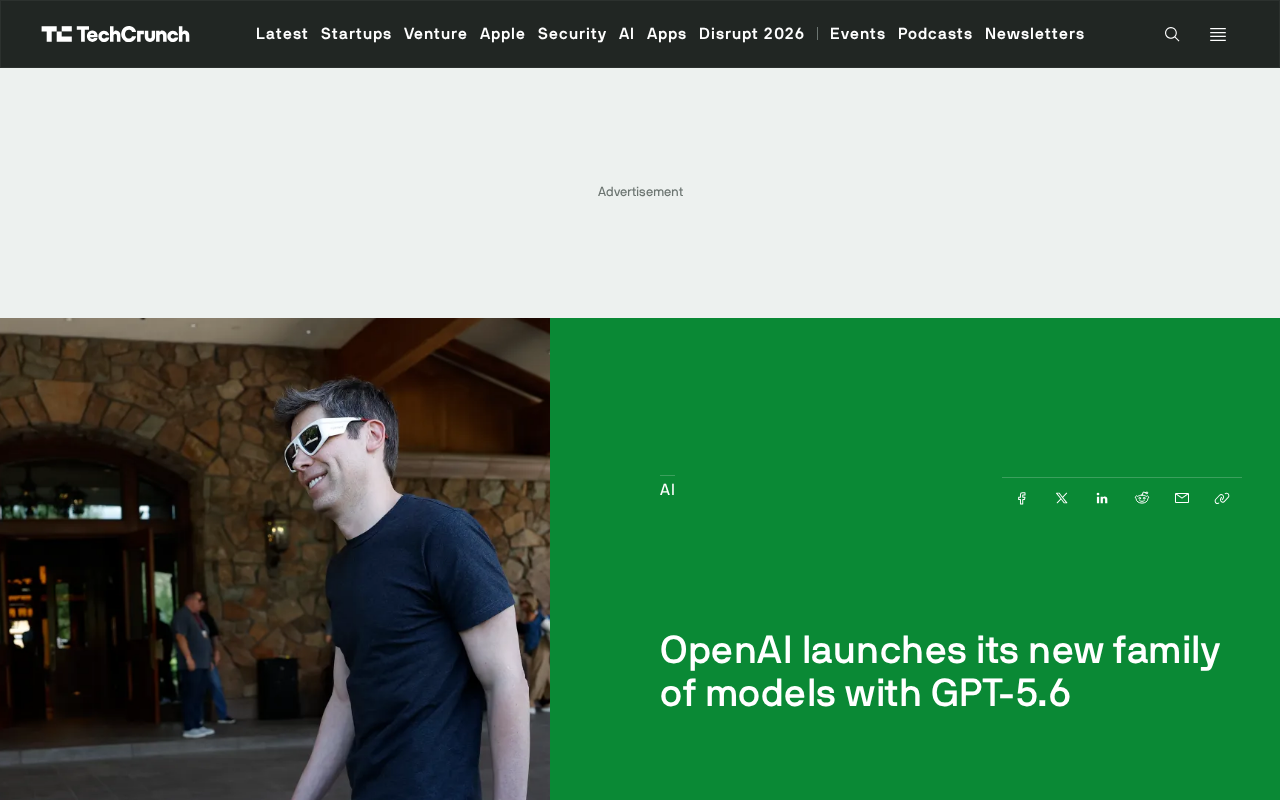
OpenAI Releases GPT-5.6: Cybersecurity Capabilities Take Center Stage
OpenAI launches the GPT-5.6 model family with cybersecurity as its biggest highlight. A deep analysis of GPT-5.6's differentiation, double-edged-sword effect, and enterprise strategy.
Read more →

·4 min
AI Agent Development Deep Dive: Opportunities, Real Entry Barriers, and Learning Paths
A deep dive into AI Agent development: real architecture, entry barriers, and learning paths. From ReAct to multi-agent systems and LangChain — cut through the hype.
Read more →

·4 min
Switching Careers to LLM Development: The Four Core Competency Layers Companies Actually Need
Want to break into LLM development but not sure where to start? This guide breaks the core skills into four progressive layers — from basic knowledge to RAG, fine-tuning, Agents, and multimodal — so you can align with real enterprise needs and land the job.
Read more →

·3 min
Building an AI Auto-Editing Workflow with n8n: Parallel Processing, Date Filtering, and Scheduled Triggers — A Full Dev Log
A complete walkthrough of building an AI auto-editing workflow in n8n: Merge node sync, Luxon date filtering, scheduled triggers, real bugs, and debugging tips for solo creators.
Read more →

·7 min
The Agent Engineer Transition Roadmap: A Deep Dive into Three Core Skill Systems
Want to become an Agent engineer? This article systematically covers three core skill tracks—LLM fundamentals, LangChain architecture development, and enterprise deployment—to help you avoid detours.
Read more →
·6 min
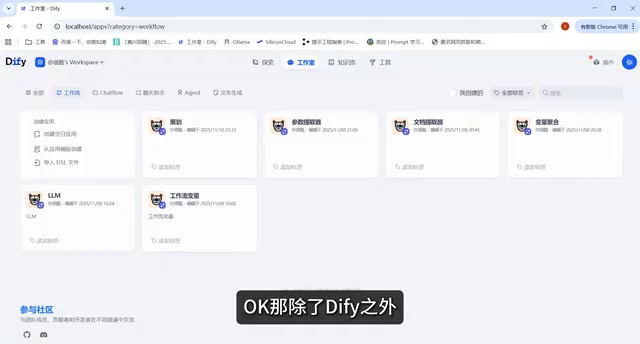
Complete Guide to Deploying Dify Locally: Docker + Ollama + RAG Setup Tutorial
A detailed guide to deploying the Dify agent platform locally: from Docker setup and integrating Ollama + DeepSeek local LLMs to workflow orchestration and RAG knowledge base construction.
Read more →

·7 min
Otari: A Comprehensive Look at the Open-Source LLM Control Plane Tool
An in-depth analysis of the open-source LLM control plane tool Otari—covering unified multi-model access, cost observability, and security compliance governance to help teams build manageable, production-grade AI infrastructure.
Read more →

·3 min
Kimi K2.7 Code Goes Open Source | Chinese Image Model HiDream Tops Global Rankings
Kimi K2.7 Code open-sourced with 30% fewer tokens; HiDream O1 Image 1.5 tops global rankings, beating Google and ByteDance. A roundup of China's latest AI breakthroughs.
Read more →

·7 min
PP-OCRv6 Deployment Deep Dive: Invoice Recognition Results and the Font-Missing Pitfall Explained
PP-OCRv6 is PaddlePaddle's SOTA-level OCR model. This article covers Docker deployment, invoice recognition testing, and the critical font-missing pitfall causing entire regions to be skipped.
Read more →

·3 min
200KB Minimalist CI/CD Tool: A Lightweight Deployment Solution for Indie Developers to Ditch Jenkins
A minimalist CI/CD tool built with Python+Flask — just 200KB, event-driven, and decentralized. Deploy automatically without Jenkins or GitHub Actions in 5 minutes.
Read more →

·2 min
Flock: Building an AI Development Squad with Claude Code to Reshape Team Programming Workflows
Flock is a multi-agent development tool built on Claude Code. With roles like Planner, Coder, Tester, and Reviewer, it turns AI coding into a traceable development pipeline.
Read more →

·3 min
GitHub Daily · July 5: The Dual Narrative of Skill Ecosystem Explosion and Local-First AI
GitHub Trending July 5: Claude Code Skill ecosystem explodes, AI pen-testing tool Strix gains +2137 Stars, and local-first privacy apps surge.
Read more →

·6 min
Dify Self-Hosted Deployment in Practice: Building an Enterprise-Grade AI Application Platform from Scratch
A complete guide to self-hosting Dify, the open-source AI platform: environment setup, Docker Compose deployment, LLM integration, and app building. Runs on just 2 cores and 4GB RAM.
Read more →

·4 min
Dify Beginner's Guide: Interface Overview & Complete Docker Self-Hosted Deployment Guide
Complete guide to Dify's four core modules (Explore, Studio, Knowledge Base, Tools) with step-by-step Docker self-hosted deployment instructions for building production-grade AI apps.
Read more →

·2 min
Deep Dive into n8n Workflow Platform: Core Capabilities and Suitability Assessment for China
Deep dive into n8n's core capabilities including 500+ nodes, AI Agent building, and RAG integration, with an objective analysis of its limitations and suitability for use in China.
Read more →

·2 min
n8n from Beginner to Expert: A Complete Guide to Building AI Agent Workflows with Zero Code
Complete guide to n8n's AI capabilities covering AI Agent, Chain nodes, and Tool nodes. Learn to build enterprise-grade AI workflows with zero code, from setup to RAG systems.
Read more →

·4 min
Git Tutorial for Beginners: Essential Version Control Skills for AI-Assisted Programming
Learn Git from scratch and master the 6 most essential commands for AI-assisted programming. Solve the pain of AI breaking your code with proper version control.
Read more →

·3 min
Setting Up GitHub Actions CI for ESP32 Projects: Automated Testing on Every Push with AI
Learn how to set up GitHub Actions CI for ESP32 projects using AI. Leverage ESP-IDF's Linux native testing to automatically compile and run unit tests on every push.
Read more →

·3 min
Building a WeChat Mini Program with Zero Code: A 3-Day Hands-On Journey with Codex + Antigravity
A developer used OpenAI Codex and Antigravity to build and launch a WeChat Mini Program in 3 days with zero code. Full breakdown of the AI recipe app's design, tool workflow, and development process.
Read more →