#tools
8276 related articles

·3 min
Vibe Coding in Practice: A Comprehensive Review and Selection Guide for 6 AI Coding Tools
In-depth comparison of 6 Vibe Coding tools — Claude Code, Trae, Zhipu, Cursor, and more — covering setup cost, Chinese support, pricing, and code quality.
Read more →
LLM Evaluation Tools Compared: An In-D…
·3 min
LLM Evaluation Tools Compared: An In-Depth Look at LangSmith, Langfuse, and Three More
Deep comparison of LangSmith, Langfuse, Phoenix, Braintrust, and Galileo across self-hosting, open-source licensing, and real-time guardrails to find the best LLM eval tool for production.
Read more →
The Hidden Costs of AI Coding Tools: A…
·2 min
The Hidden Costs of AI Coding Tools: A Deep Dive into Claude Code's 33k Token Overhead
Claude Code consumes up to 33,000 tokens per request before reading your prompt, vs. 7,000 for OpenCode. We break down why this 5x gap matters for cost, latency, and context windows.
Read more →

·3 min
AI Agent Beginner's Guide: LLMs vs. Agents, and a Full Breakdown of Development Tools
What is an AI Agent? This guide explains the key differences between LLMs and Agents, breaks down the Agent formula (LLM + Workflow + Knowledge Base), and compares tools like Dify, Coze, LangChain, and LlamaIndex.
Read more →

·4 min
Claude Code vs. Codex vs. Cursor: A Deep Comparison of Three AI Coding Tools
Claude Code, Codex, or Cursor? This in-depth comparison covers each tool's positioning, ideal users, and how to combine them for maximum productivity in your AI coding workflow.
Read more →

·2 min
X Officially Admits Top Accounts Are Stealing Videos at Scale, Launches New Tools to Protect Original Creators
X's head of product publicly admits top accounts steal videos at scale, with video contributing nearly half of all impressions. A deep dive into piracy on X and new creator-protection tools.
Read more →

·2 min
The Complete Guide to Microsoft PowerToys: A Deep Dive into Windows Productivity Tools
PowerToys is Microsoft's official open-source Windows utility suite featuring FancyZones, PowerToys Run, batch renaming, and more. A deep dive into its core features, developer tools, and how to install it.
Read more →

·3 min
AI Compute Prices Surge Across the Board + Rise of Two Domestic Coding Tools: The Wave of Self-Reliance Arrives
The U.S. imposes its strictest-ever export controls on top AI models, while Zhipu AI and Moonshot launch self-developed coding tools the same day—amid rising GPU and cloud compute prices. A deep dive into three trends driving cost rationality and tech autonomy.
Read more →

·4 min
In-Depth Comparison of 4 AI Coding Tools: Cursor, Claude Code, Codex, and Opencode — Which Is Worth Buying?
A real-world review of subscribing to Cursor, Claude Code, Codex, and Opencode simultaneously. Compare quotas, model capability, and value to find your ideal AI coding subscription.
Read more →

·3 min
Getting Started with Cursor: A Complete Guide to the Core Features of AI-Native Programming Tools
Cursor is an AI-native programming tool deeply rebuilt on VS Code, integrating top LLMs like Claude and DeepSeek. It supports natural-language code generation, smart error fixing, and context awareness.
Read more →

·3 min
Enterprise AI Evaluation Tools: An In-Depth Comparison of Six Leading Platforms
An in-depth comparison of five AI evaluation tools—Arize, Braintrust, Confident AI, Langfuse, and LangSmith—across governance, framework lock-in, and evaluation vs. monitoring.
Read more →

·2 min
Affordable Alternatives to Codex and Claude Code: A Practical Guide to Open-Source Tools
Struggling with $100/month subscription fees? This guide covers open-source AI coding tools like Aider, Cline, and Continue, combined with OpenRouter's pay-as-you-go model, to help you build an efficient AI coding workflow at minimal cost.
Read more →

·5 min
In-Depth Comparison of AI Image Generation Tools: How to Choose Between Flux, Midjourney, and Gemini?
A comprehensive comparison of mainstream AI image generation tools: Flux, Midjourney, Grok, Gemini, and Stable Diffusion. Dissecting their pros and cons across quality, freedom, and usability to help you find the right AI drawing solution.
Read more →

·3 min
Alibaba Bans Claude Code Company-Wide: Data Security Concerns Around AI Coding Tools
Alibaba has banned employees from using Claude Code company-wide, shifting sharply from encouragement to prohibition. An in-depth look at data security risks, privacy compliance dilemmas, and the domestic AI alternative trend.
Read more →
·7 min
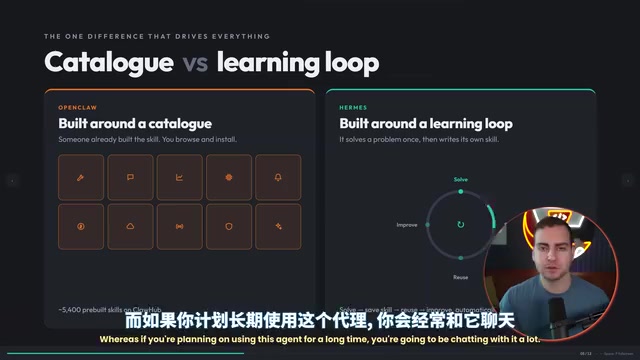
OpenClaw vs Hermes: An In-Depth Comparison and Selection Guide for AI Agent Tools
An in-depth comparison of OpenClaw and Hermes Agent, covering skill management, memory mechanisms, security, and gateway configuration to help you find the right AI agent solution.
Read more →
·5 min
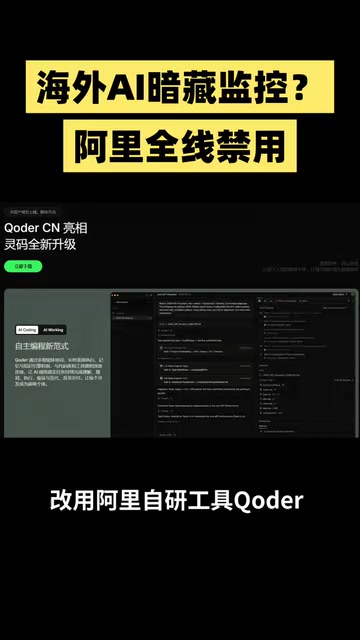
Deep Analysis of the Alibaba-Claude Ban: The Battle for Autonomous Control of AI Coding Tools
Alibaba bans all Anthropic products including Claude Code, while ByteDance and Tencent switch to in-house tools. A deep dive into the security logic and industry trends behind China's push for autonomous AI coding tools.
Read more →

·3 min
Is Perplexity Pro Worth Subscribing To? A Practical Comparison Guide for Major AI Tools
Is Perplexity Pro worth paying for? This guide compares ChatGPT Plus, Claude Pro, and Google Gemini across research, writing, and coding to help you choose the right AI subscription.
Read more →

·2 min
Cursor Team Tools Leaderboard: One-Click Config Sync and Best Practices
Cursor's new Team Tools Leaderboard lets you discover popular plugins, skills, and MCP services in your team with one-click setup — unifying configs and spreading best practices.
Read more →

·2 min
Muse Spark 1.1 Launch: How AI Creative Tools Can Break Through Fierce Competition
Muse Spark 1.1 launches on Hacker News with 82 upvotes and 53 comments. A deep dive into AI creative tool differentiation, agile iteration strategy, and lessons for creators and indie developers.
Read more →

·3 min
Files over Tools: Rethinking AI Agent Architecture with a Virtual Filesystem
Why give AI Agents a virtual filesystem and bash instead of more tools? A deep dive into the "Files over Tools" design philosophy, tool bloat, Unix principles, security sandboxing, and hybrid architectures.
Read more →