All articles
39543 articles

Sourcegraph Cody to Shut Down in 2027: Where Does Code Intelligence Go From Here?
Sourcegraph announces Cody will shut down on January 31, 2027, pivoting to code intelligence for coding agents. We break down the reasons, the new direction, and how Cody customers can plan their migration.

SSO Troubleshooting: The Session Log Holds All the Answers
WorkOS offers a new approach to SSO troubleshooting: every SSO attempt logs its status, origin, and IdP response—five minutes reading the session log tells you whose problem it is, avoiding three-party finger-pointing.

The Private PT Site Revival: As Streaming Prices Rise, Pirates Build Cultural Archives
Rising streaming prices and fragmented content fuel a private PT site revival. The Vergecast reveals these invite-only tracker communities: ratio rules, gamified tiers, a Salinger manuscript bounty, and pirates' contradictory self-image as cultural archivists.

The Other Half of AI Agent Observability: Execution-Level Verification
AI Agent observability isn't just about execution traces—execution-level verification is key to confirming whether business actions truly took effect. This article analyzes the monitoring and verification layer proposed by a Reddit founder, covering silent failures, result reconciliation, and prioritization of human intervention.

Anthropic Buys $3.4B in Natural Gas Turbines as AI Energy Anxiety Spreads
Anthropic buys $3.4B in natural gas turbines, joining AI's energy procurement race. Analysis of power demand, heavy-asset risks, and the new challenges from AI companies' shifting role.

Medium Launches TK Writing App: Deeply Integrating AI Assistance into the Creative Process
Medium launches the TK writing app, deeply embedding AI assistance into the writing process. Amid growing AI controversy in publishing, what does Medium's contrarian embrace of technology mean for creators and the platform competition landscape?
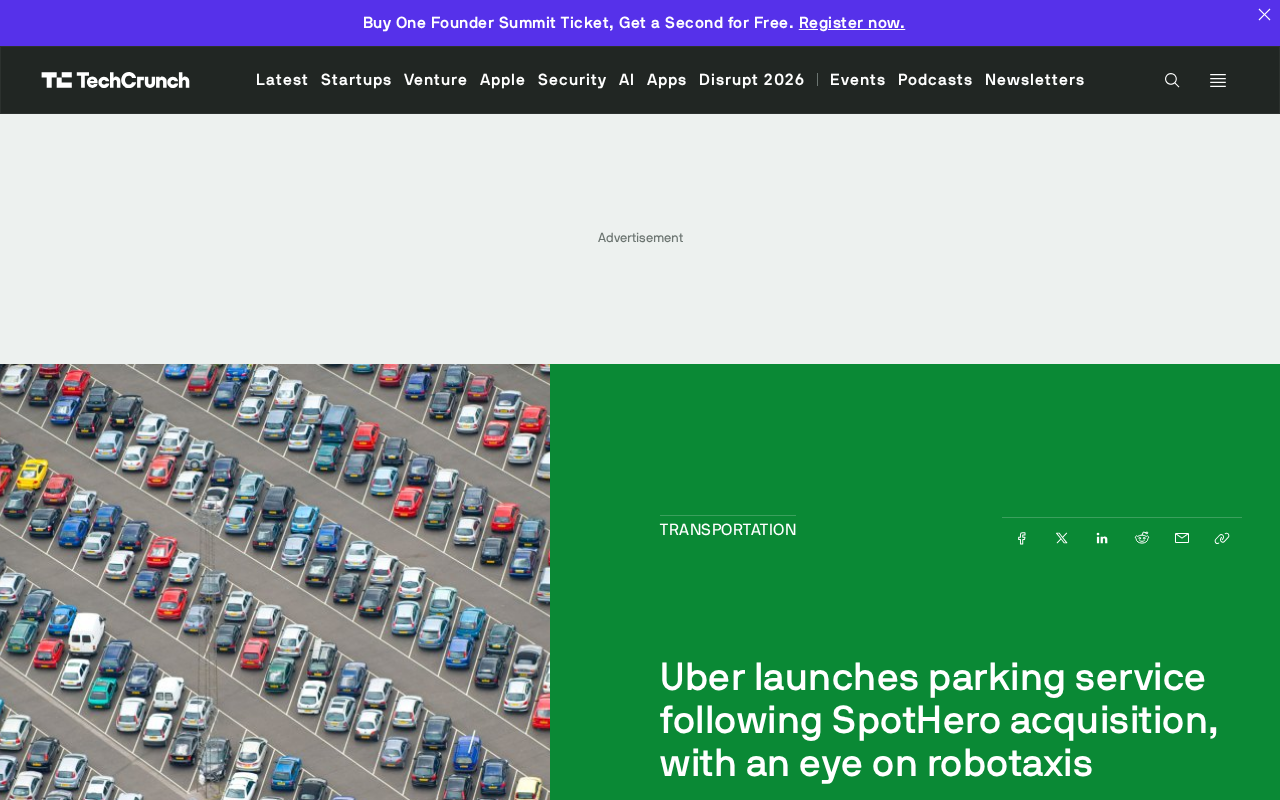
Uber Launches Parking Service After SpotHero Acquisition, Building Out Robotaxi Ecosystem
Uber launches Uber Parking after acquiring SpotHero, extending from ride-hailing to parking reservations and laying strategic groundwork for Robotaxi fleet operations.

Sony's New PlayStation Portal Upgrades Storage, Exclusive to Japan
Sony launches a new PlayStation Portal in Japan with extra internal storage for future features and a Midnight Black colorway. Analysis of the upgrade and Japan-exclusive strategy.

AI Agents Are Testing the Limits of Zero Trust Security
Queen's University Belfast research reveals how AI agents challenge zero trust: de-authentication attacks complete in 2-3 seconds, context recovery attacks extract deleted data, and a single policy enforcement point struggles to cover all agent interactions. The article explores distributed ledgers, AI bills of materials, and formal verification as trust traceability paths.
What Are Frontier Labs Buying? The Data Lessons From Handshake AI's Nearly $1B Annual Revenue
An interview analysis of Handshake AI reaching nearly $1B gross annualized revenue in one year: frontier labs are shifting from traditional labeling to RL-related data, covering demand focus, information asymmetry, and takeaways.

Magenta Solar Panels: A Smart Solution for Agrivoltaics
Magenta solar panels use selective spectrum design to avoid the bands plants absorb most, turning the agrivoltaics light-transmittance vs. power-generation trade-off into a spectral allocation problem.

Uber Launches Parking Booking Feature Across 400 Cities Following SpotHero Acquisition
Uber launches Uber Parking, an in-app parking booking feature built on its SpotHero acquisition, covering 400+ cities and 13,000+ facilities for finding, booking, and paying for spaces.
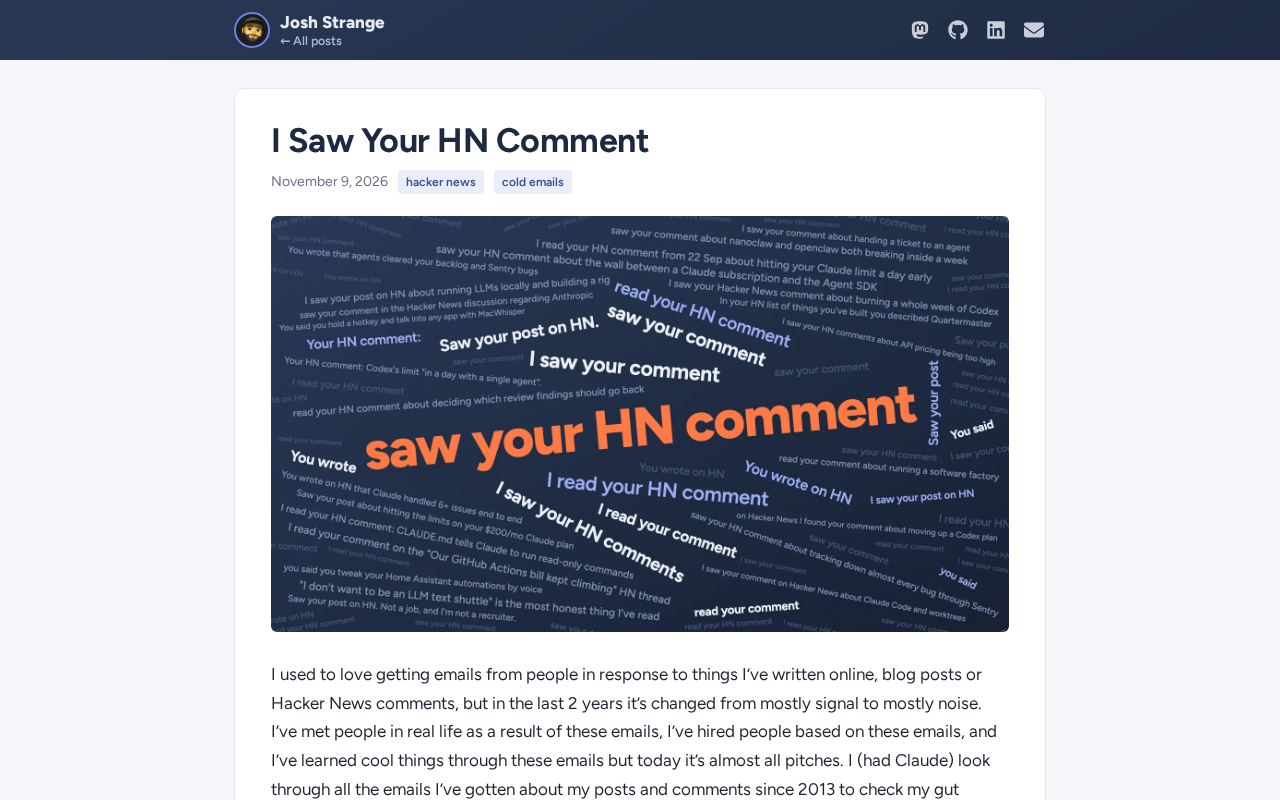
What a Single HN Comment Reveals About the Real Value of Developer Communities
Starting from a Hacker News post with 213 points and 138 comments, we analyze the weak-tie effect, information filtering mechanisms in developer community comment sections, and lessons for content creators.
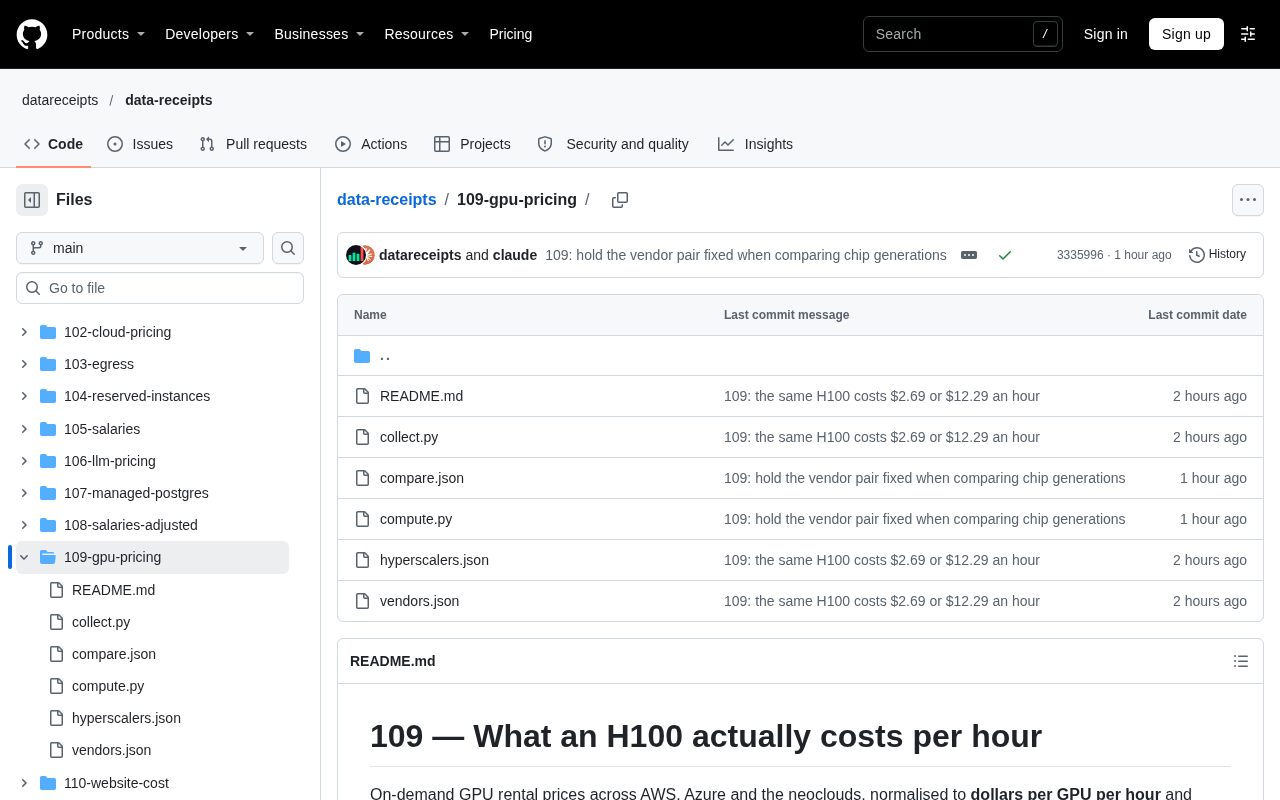
Same H100, 4x Rent Gap: The Compute Pricing Logic Behind $2.69 vs $12.29
The same NVIDIA H100 GPU rents for $2.69 to $12.29 per hour across platforms—a 4x gap. We break down the pricing logic of hyperscale clouds, GPU clouds, and secondary markets, and how to convert unit price into effective cost.

Canada's Real-Time Rail (RTR) Payment System Officially Launches
Payments Canada launches the Real-Time Rail (RTR), enabling instant clearing and settlement. This article examines RTR's significance, Hacker News discussion, and global real-time payment trends.

How Do You Evaluate AI Agent Skills? The HN Community Weighs In
The Hacker News community discusses how to evaluate the reliability of AI agent skills, covering unit tests, trajectory evaluation, and human review as references for agent developers.

LLM Application Development Interview Crash Course: High-Frequency Topics on LLMs, RAG, and Agents
A systematic guide to high-frequency LLM application development interview topics: LLM fundamentals, Prompt and Context Engineering, the RAG pipeline, Agent loop prevention and memory design, tool calling, and AI coding engineering follow-ups, with preparation strategies and answer approaches.

Animal Conservationist Maya Higa's Advice to Her 9-Year-Old Self
Animal conservationist Maya Higa shares advice to her 9-year-old self, core values, and a philosophy of observing nature in a National Geographic interview, discussing Jane Goodall and Bill Nye's influence—offering transferable inspiration for tech content creators.

EACL 2027 Decisions Imminent: The Wait and Anxiety Trending on Reddit
EACL 2027 decisions are imminent, and a Reddit decision thread has drawn collective attention from authors. This article analyzes the waiting anxiety during conference decision periods, the review decision mechanism, and how authors should plan resubmission and revision after decisions are released.

Meta Expands Instagram AI Age Detection Globally: Using Algorithms to Catch "Fake Adult" Teens
Meta expands Instagram's AI age detection globally—even teens who enter adult birthdates can be flagged via behavioral cues. We analyze how it works, the regulatory context, and controversies.