#AI Vibe Coding
490 related articles

·3 min
Vibe Coding for Beginners: How Ordinary People Can Command AI to Code — and Do the Work of an Entire Team
Naval Ravikant says Vibe Coding lets one person do the work of 8 engineers. Learn what Vibe Coding is, which tools work in China, and how to start in 3 steps.
Read more →

·2 min
Vibe Coding: The Full-Stack AI Development Methodology for the Solo Founder Era
Vibe Coding is reshaping software development — use natural language to direct AI through code, design, testing, and marketing. A guide for solo founders and indie developers.
Read more →

·2 min
Vibe Coding in Practice: AI Agents Complete Full Research Experiments in Minutes
No coding required — just describe your needs in natural language. AI Agents handle data cleaning, model training, and visualization automatically. We tested Codex and Claude Code on a heart disease prediction task.
Read more →

·3 min
Vibe Coding in Practice: A Comprehensive Review and Selection Guide for 6 AI Coding Tools
In-depth comparison of 6 Vibe Coding tools — Claude Code, Trae, Zhipu, Cursor, and more — covering setup cost, Chinese support, pricing, and code quality.
Read more →

·3 min
Will Vibe Coding Ruin Programmers? Coding Anxiety and How to Break Through in the AI Era
As Vibe Coding rises, many developers can't write code without AI. We break down the risks, whether traditional coding skills still matter, and how to rebuild them.
Read more →

·2 min
Vibe Coding for Beginners: Build Software with AI Using Natural Language — No Coding Experience Required
Vibe Coding lets non-technical users build software through natural language conversations with AI. Learn what it is, what you can create, and how to get started with your first mobile webpage project.
Read more →

·5 min
The Rise of AI Slop Code: How Teams Can Tackle the "Vibe Coding" Crisis
When an intern uses AI to generate professional-looking slop code, stand-ups balloon from 15 to 45 minutes. This article dissects why AI slop is hard to spot and offers practical team solutions.
Read more →
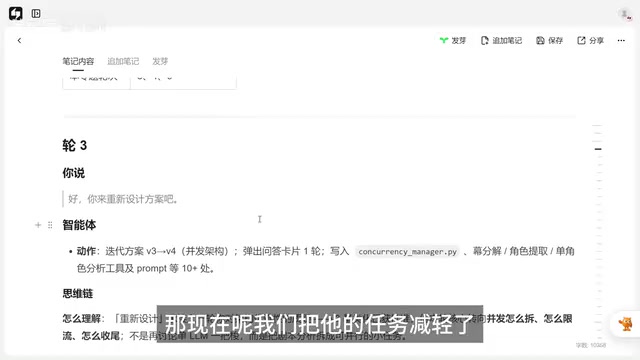
·3 min
Vibecoding in Practice: Task Concurrency Splitting Makes AI Inference 3x Faster
Learn how to split AI reasoning tasks by act and character, run 14 concurrent streams, and cut processing time from 100s to 30s — a reusable schedule-concurrency-aggregate methodology.
Read more →
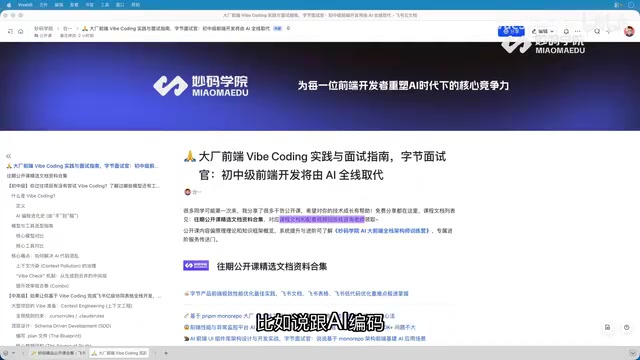
·6 min
Vibe Coding in Practice at Big Tech: How Frontend Engineers Can Avoid Being Replaced in the AI Era
A big-tech interviewer reveals: junior/mid frontend dev is being replaced by AI. This article breaks down 3 core Vibe Coding interview questions to help you master key skills for the AI-assisted coding era.
Read more →

·5 min
Advanced Vibe Coding: How SuperPowers and GStack Make AI Coding Truly Converge
In the age of AI-assisted programming, how do you make tools like Codex and Claude Code output more stably? This article deeply analyzes SuperPowers and GStack, covering project-level orchestration and module-level code layering to help developers master AI coding.
Read more →

·7 min
From Vibe Coding to Engineered AI Programming: A Practical Guide to Enterprise Development
AI coding tools are changing development, but Vibe Coding hides risks in code quality and maintenance. This article explores Engineered AI Programming, compares Codex and Claude Code, and reveals real enterprise development paths.
Read more →
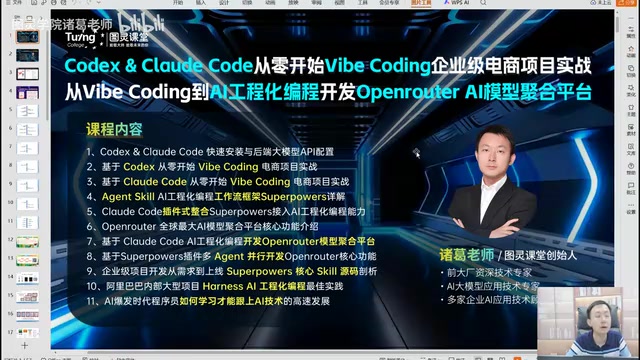
·6 min
Understanding the Limits of Vibe Coding: A Practical Guide to AI Engineering-Grade Programming
An in-depth look at the difference between Vibe Coding and AI engineering-grade programming. Can AI replace programmers? From Claude Code and Codex to Cursor, revealing the real limits, enterprise pain points, and engineering solutions of AI coding tools.
Read more →

·6 min
From Vibe Coding to AI Engineering: A Complete Practical Guide to Codex and Claude Code
An in-depth analysis of the practical use of Codex and Claude Code, comparing Vibe Coding and AI engineering, covering Super Power plugins, Spec-Driven Development, and Chinese LLM integration strategies.
Read more →

·7 min
Engineering Vibe Coding in Practice: Taming AI Programming with Superpowers and gstack
A deep dive into engineering Vibe Coding: using Superpowers for project-level decomposition and gstack for module layering and constraints to tame AI coding assistants like Codex and Claude Code.
Read more →

·2 min
Vibe Coding in Practice: Rebuilding a Gamified Portfolio with Figma + Framer + AI in Two Days
A Bilibili creator rebuilt their portfolio into a playable Steam-style site in two days using Figma, Framer, and AI-generated code. Full workflow breakdown inside.
Read more →

·2 min
AIVenture: Master Agent Development and Vibe Coding Through a Dungeon Game
AIVenture is an open-source retro dungeon game by Google that teaches Vibe Coding, agentic workflows, and tool calling through playable levels. Built with Angular, Phaser.js, and Gemma.
Read more →

·3 min
VibeCoding in Practice: A Field Alignment Methodology Before Migrating Demo to Main Project
VibeCoding best practice: never migrate a Demo directly to your main project. Learn the 3-step field alignment methodology — manual review, AI scanning, and architectural refactor.
Read more →

·3 min
Spec-Driven Development: Moving Beyond Vibe Coding for More Reliable AI-Generated Code
Spec-Driven Development solves inconsistent AI coding quality: generate requirements and design docs before writing code, giving AI a clear blueprint. Covers core workflow, three key practices, and AWS's Kiro tool.
Read more →

·3 min
Vibe Coding Guide: Building Web Apps with AI from Zero Experience
Vibe Coding lets non-programmers build web apps using natural language and AI agents. Learn Claude Code, model selection, cost control via cache optimization, and agentic engineering.
Read more →

·7 min
Vibecoding in Practice: How to Guide AI to Precisely Borrow from Open-Source Projects Without Going Off Track
In AI-assisted coding, having AI borrow from open-source projects often leads to wholesale copying. This article uses the GapGun audio tool as a case study to show how to set borrowing boundaries and guide AI precisely.
Read more →