#Amazon cross-border AI
29 related articles
OpenAI's Letter to the Texas Governor:…
·2 min
OpenAI's Letter to the Texas Governor: How AI Data Center Infrastructure Can Be Built Responsibly
OpenAI writes to the Texas Governor, pledging responsible AI infrastructure development. This article analyzes why Texas is an AI data center hotspot and the shift from model competition to infrastructure.
Read more →

·3 min
Palantir Pays Just £2 Million in UK Tax: Analyzing the Tax Avoidance Controversy of Multinational Tech Giants
Palantir paid just £2M in UK corporate tax, sparking controversy. This analysis explores how multinationals use transfer pricing and IP arrangements to minimize tax, plus global reform responses.
Read more →

·2 min
White House Invites OpenAI and Other Giants to Preview Voluntary AI Framework: Open-Source Language Becomes Key Battleground
Trump administration invites OpenAI, Anthropic, and Google to preview a voluntary AI framework, with open-source language emerging as the core lobbying battleground that could reshape industry competition.
Read more →

·3 min
Lamoom: An AI Agent Marketplace Where Apps Run in Your Own Claude Environment
Lamoom is an AI Agent marketplace where Agents run in users' own Claude environment with no data leaving their control. Developers can publish and monetize Agents per-run or via subscription, with $20 free credits for new users.
Read more →

·3 min
Merkle Trees + Tree-sitter: A Fresh Approach to Localized Code Indexing
Explore how combining Merkle trees with Tree-sitter enables localized, incremental code indexing for AI coding assistants—no code uploads required.
Read more →

·3 min
Google Accused of Illegally Retaining User Data: The Deeper Battle Behind Personal Privacy Lawsuits
Google faces legal action over alleged illegal retention of customer data. Analysis of compliance boundaries, historical privacy penalties, individual advocacy challenges, and how users can protect their data rights.
Read more →

·3 min
How to Assemble a Modern Email System with Off-the-Shelf Components: A Modular Architecture Guide
Learn how to assemble a modern email system using off-the-shelf services like Postmark, SendGrid, and Amazon SES, covering sending, receiving, authentication, and trade-offs around vendor lock-in and cost.
Read more →

·2 min
GPT Tool Chain in Action: Free Batch Image Generation for E-Commerce Product Pages
Hands-on test of GPT's autonomous tool-calling: from image parsing to batch e-commerce detail page generation and Amazon cross-border adaptation — no workflow setup needed.
Read more →

·2 min
AI Autonomous Execution in Practice: How Codex Handles End-to-End Workflows from Analysis to Image Generation
A hands-on test of AI tool-calling: from e-commerce product page analysis and batch image generation to automated cross-border localization — how Codex-style models handle full workflows.
Read more →
·4 min
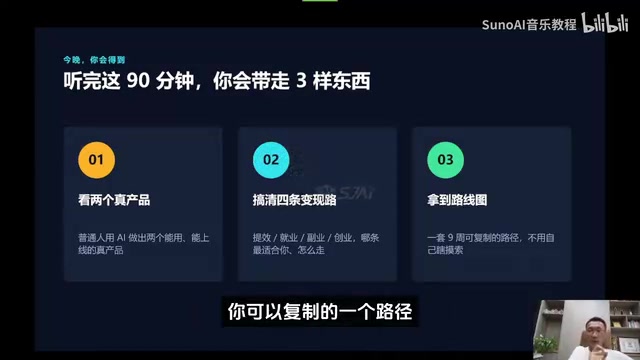
Codex Tutorial: Build Monetizable Products with AI Coding — No Experience Required
Step-by-step Codex tutorial: build a product finder tool and a flashcard mini program from scratch. Learn prompt techniques, requirements breakdown, and 4 monetization paths.
Read more →
Agnost AI: How to Automatically Extrac…
·2 min
Agnost AI: How to Automatically Extract User Feedback from AI Agent Conversations
Agnost AI, a YC-backed startup, automatically extracts user feedback and product insights from AI Agent conversations. Deep dive into its positioning, technology, and challenges.
Read more →

·4 min
China Moves to Tighten Exports of Top AI Models, Marking a Major Turning Point for Its Open-Source Strategy
Beijing is reportedly consulting with Alibaba, ByteDance, and Z.AI on tiered AI export controls that could affect open-weight models, while DeepSeek quietly builds its own inference chips.
Read more →

·3 min
Oragent AI Agent: Complete Foreign Trade Customer Research and Market Analysis in 5 Minutes
Oragent (Dingyi ORA Agent) is an AI agent built for foreign trade, generating in-depth market analysis reports covering product selection, regulatory risks, and marketing calendars in just 5 minutes.
Read more →

·6 min
GPT-5.6 Officially Approved for Release: How National Security Review Is Reshaping the AI Launch Process
OpenAI's flagship GPT-5.6 was delayed by national security review before winning U.S. government approval. An in-depth look at the Sol, Terra, and Luna model lineup and the emerging AI regulatory regime.
Read more →

·2 min
Claude Real-Name Policy Explained: Cloud Provider API Calls Are Not Affected
Anthropic's real-name policy takes effect July 8. Learn what's actually affected: cloud API channels like AWS Bedrock, Azure, and Snowflake are fully exempt. Plus: Fable 5 export controls lifted globally.
Read more →

·7 min
50 AI Research Job Applications to FAANG, 0 Replies? Unpacking the Truth Behind the Job Search Struggle
An AI research engineer with 3 years of experience sent 50 applications to FAANG with zero replies. This article breaks down the hidden barriers of top-tech AI roles, the truth about LinkedIn ghost jobs, and the MLE vs. Research Engineer divide.
Read more →

·6 min
iRobot Launches Its First Manual Floor Washer, the Roomba Electro Plus: Brand Transformation or Category Expansion?
iRobot releases its first non-robotic product, the Roomba Electro Plus—a $399 5-in-1 hard floor washer combining vacuuming, mopping, and disinfecting. A deep analysis of iRobot's strategic intent and market impact.
Read more →

·7 min
GPT-5.6 Sol vs. Fable 5: Can Half the Price Match the Flagship?
OpenAI launches GPT-5.6 Sol at half the price of Anthropic's Fable 5. We compare both models on HealthBench, cybersecurity and more using hard system-card data, analyzing Sol's cost-effectiveness and shifts in AI power.
Read more →

·4 min
Complete Guide to Connecting External Models in Codex: Two Methods to Unlock Full Capabilities
Two methods for connecting external models to Codex: manually configure keys via relay services, or use the CC Tool to auto-bridge GPT, DeepSeek, and more. Covers auth/config files, CC Tool usage, and multi-model switching.
Read more →
·8 min
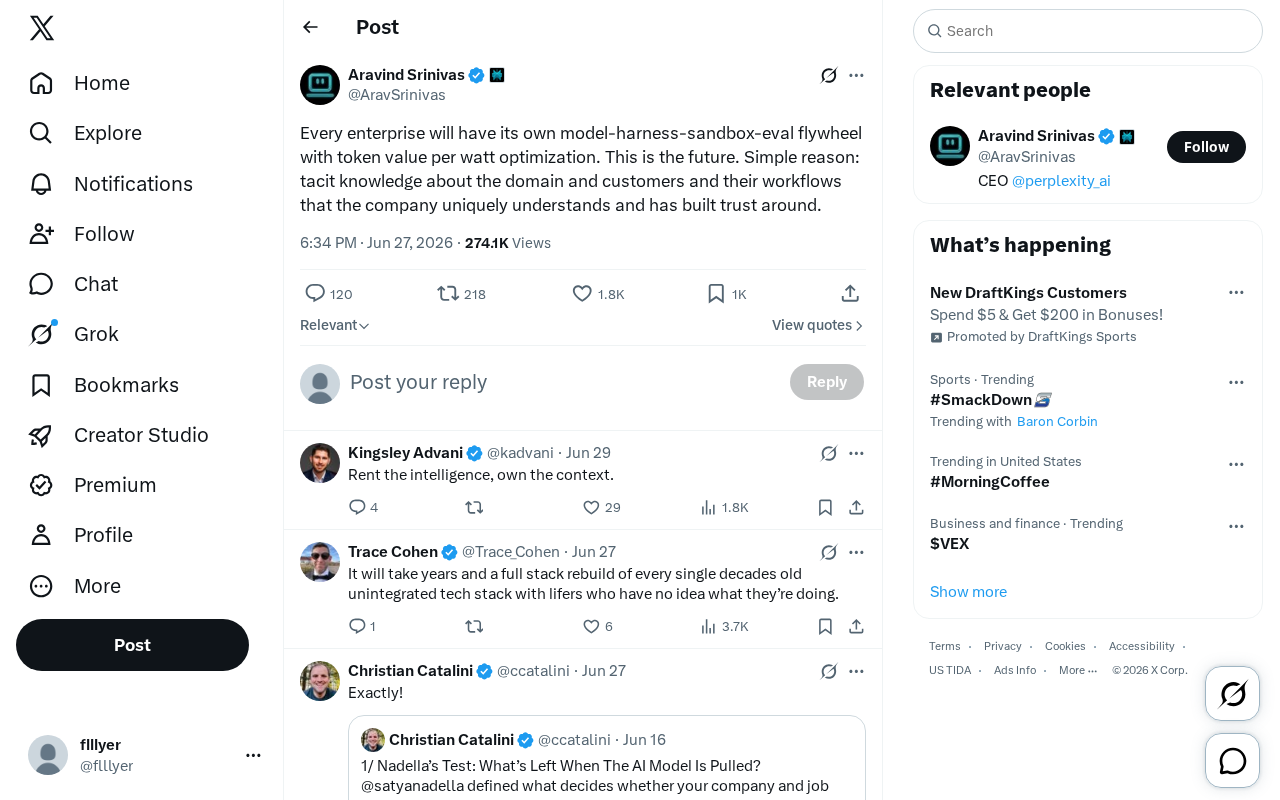
The Enterprise AI Flywheel: Building a Model-Eval Loop as a Competitive Moat
The core of enterprise AI isn't calling general models—it's building a self-reinforcing "model-harness-sandbox-eval" flywheel. This article analyzes the four components, tacit knowledge moats, and the "token value per watt" efficiency metric.
Read more →