#Cursor promo code
195 related articles

·4 min
Claude Code in China: Model Selection & Cost-Saving Configuration Guide
How can Chinese developers access Claude Code affordably? This guide covers model selection (DeepSeek V4 Pro top pick), proxy vs. direct connection risks, environment variable setup, and Coding Plan cost-saving strategies.
Read more →

·4 min
AI Weekly Recap: Four Major Vendors Cut Prices Together, Copilot's Paid Conversion Rate Just 4.5%
In one week, OpenAI, xAI, Google, and Microsoft all cut AI prices, driving near-frontier inference costs sharply lower. Meanwhile, Microsoft Copilot's paid conversion across 450M seats is under 4.5%, exposing the monetization challenge of general AI assistants.
Read more →

·7 min
Building a Published App with Zero Code in Four Days: A Complete HarmonyOS Development Journey
A tech blogger with zero programming knowledge built a retro DV app in four days using AI tools like Cursor and Codex, and got it published on Huawei App Gallery. A full vibe coding walkthrough.
Read more →
·5 min
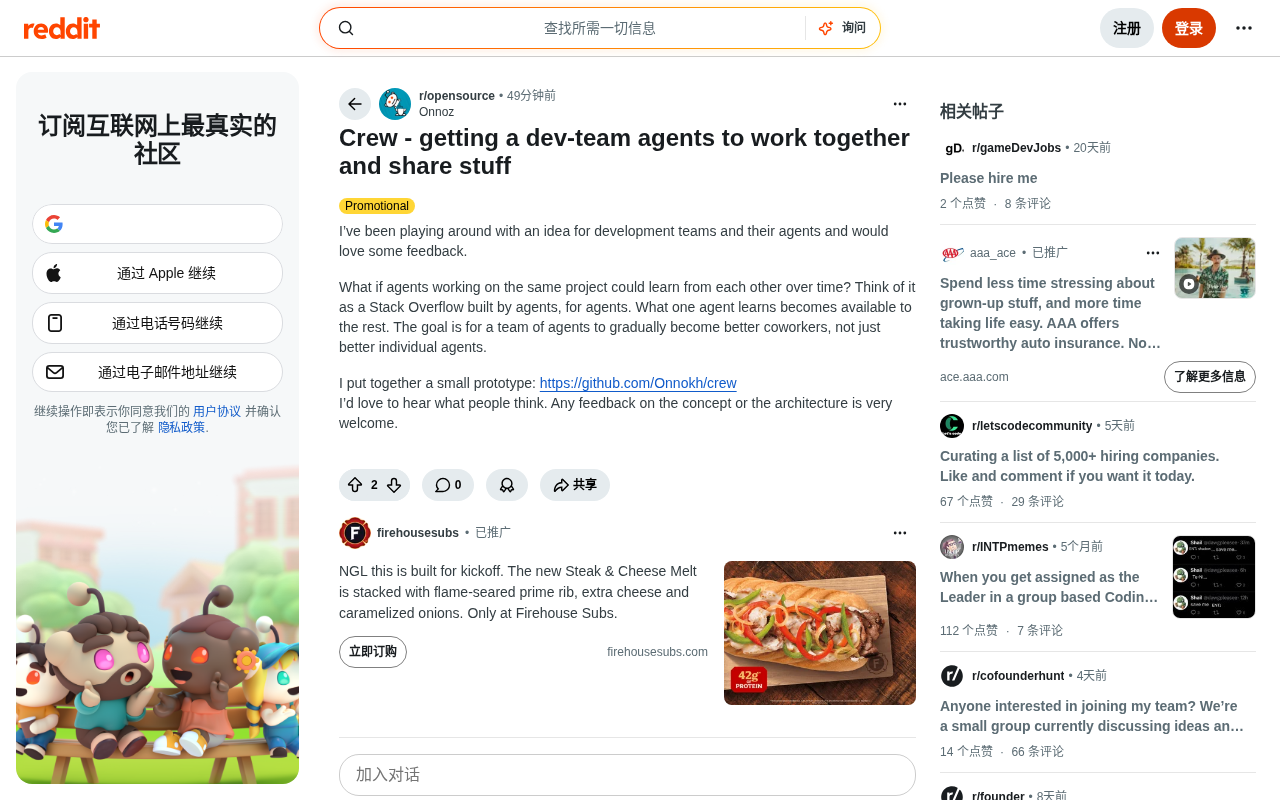
Crew: Enabling Multiple AI Agents to Collaborate and Share Knowledge Like a Team
Crew is an open-source AI agent collaboration framework whose core idea is to build a "Stack Overflow" for agents—letting multiple agents share experience and accumulate knowledge, shifting from optimizing single agents to building evolving teams.
Read more →

·3 min
Why AI Involvement Disclosures Need More Precise Standards: A New Challenge in Open Source Community Governance
General AI involvement disclosures in open source communities are failing. This article analyzes three improvement suggestions from a Reddit user: separating posts from projects, quantifying AI usage, and enforcing deletion of perfunctory replies.
Read more →

·4 min
Claude Sonnet 5 In-Depth Review: Impressive Performance, but Hidden Traps in the Pricing Strategy
A full review of Claude Sonnet 5: major agentic gains, benchmarks near Opus 4.8, but a Tokenizer switch inflates real costs, nearly erasing the price gap with Opus. We break down the pricing traps.
Read more →

·5 min
AI Agent Custom Tool Development Guide: Boost Efficiency by One-Click Reuse of Repetitive Tasks
An in-depth guide on developing Custom Tools for AI agents, compressing repetitive tasks like Excel-to-Markdown conversion from 30 minutes to under 5 seconds. Covers AGENTS.md registration, tool directory setup, and AI-assisted development.
Read more →

·6 min
Home Self-Hosting Server Setup Guide: Building a Private Cloud Ecosystem from Scratch
One 32GB server, 8 hours to build a complete home self-hosting ecosystem. This article details the selection logic behind core services like Jellyfin, Forgejo, Immich, and Ollama, plus infrastructure setup essentials for Nginx Proxy Manager and Podman Compose.
Read more →

·3 min
Alibaba Bans Claude Code Company-Wide: Data Security Concerns Around AI Coding Tools
Alibaba has banned employees from using Claude Code company-wide, shifting sharply from encouragement to prohibition. An in-depth look at data security risks, privacy compliance dilemmas, and the domestic AI alternative trend.
Read more →

·7 min
GPT-5.6 Full Model Lineup Hands-On Guide: A Deep Dive into API Relay Stations and Their Risks
The full GPT-5.6 model lineup is live. How can domestic developers access it at low cost via API relay stations? This article explains the principles, registration, token setup, client integration, and key risks.
Read more →

·3 min
Cursor Launches iOS App: Direct AI Coding from Your Phone, Anywhere
Cursor launches its iOS app with always-on cloud AI agents and remote local Agent control, letting developers direct AI coding from anywhere — no desktop required.
Read more →

·3 min
GitHub Daily · July 11: Agent Skills Ecosystem Explodes, AI Programming Enters the Era of 'Skill Standardization'
July 11 GitHub Daily: Three Agent Skills projects surge on the same day, signaling AI programming's shift to skill standardization, with cross-platform open standards and local Agent memory leading the way.
Read more →

·4 min
SparkyFitness: The Rise of an Open-Source, Self-Hosted Health Tracking App
SparkyFitness is an open-source, self-hosted alternative to MyFitnessPal and Flo. In one year: 4,500 users, 73 contributors, covering nutrition, sleep, women's health, GLP-1 tracking, and more.
Read more →

·7 min
Decoding the Government Software Security Executive Order: New Supply Chain Compliance and SBOM Requirements
The new U.S. Executive Order requires government software suppliers to provide verifiable security assurances and mandates the SBOM system. This article analyzes the policy's core demands, real impact on suppliers, and the chain of challenges.
Read more →

·6 min
GPT-5.6 Released: Codex Officially Integrated into ChatGPT, Ushering in a New Era of AI Programming
OpenAI releases GPT-5.6 and integrates Codex directly into ChatGPT, letting developers invoke code generation and debugging within conversations. A deep dive into the product logic and ecosystem impact.
Read more →

·4 min
OpenAI Build Week Kicks Off: Turning Your Ideas Into Reality with Codex
OpenAI launches Build Week, a global developer event centered on Codex AI coding tool, featuring live sessions and community events to help developers ship ideas fast.
Read more →

·6 min
Rereading The Mythical Man-Month in the AI Era: Can the Strongest Copper Bullet Break Brooks's Law?
Does The Mythical Man-Month still hold 50 years on? A deep analysis of Brooks's Law, the second-system effect, and conceptual integrity in the AI coding era.
Read more →

·6 min
Beware the Gemini Free Membership Scam: The Account Security Risks of Leaked Backup Codes
Exposing the phishing trap behind the "free Gemini Pro membership" tutorials circulating on video platforms: they lure users into handing over account passwords and backup recovery codes, leading to account theft. This article breaks down the process technically and teaches you to spot three danger signs.
Read more →

·6 min
Grok 4.5 Deep Dive: Coding on Par with Top Models, at a Fraction of the Cost
A senior developer's 24-hour deep test of Grok 4.5: a 1.5T-param MoE model at $2/M input tokens, with coding benchmarks rivaling GPT-5.5. Real performance, token efficiency, and limits explained.
Read more →

·6 min
Doubao and Qwen Retire AI Agents: How Compute Costs Are Reshaping AI's Commercial Boundaries
Doubao and Qwen have retired their AI Agent features. The real reason isn't regulation—it's that companion-chat users don't pay, making compute costs unrecoverable. A deep dive into AI's cost dilemma.
Read more →