#Function Calling vs MCP
232 related articles
PlanWright: A Control Plane and Multi-…
·2 min
PlanWright: A Control Plane and Multi-Agent Orchestration Layer for AI Coding Agents
PlanWright is a control plane for AI coding agents, drawing on Kubernetes orchestration principles to tackle multi-agent task assignment, state tracking, and collaboration conflicts.
Read more →

·6 min
A Deep Dive into OpenAI Codex: How AI Engineers Are Reimagining Software Development with Agents
OpenAI Codex is redefining how AI engineers work: from code completion to autonomous Agents, from single-threaded to parallel Value Maxing. A deep dive into the Codex App architecture, open ecosystem, and Manager of Agents practice.
Read more →

·2 min
Getting Started with Claude Code: How AI Coding Assistants Went from Chatting to Actually Getting Things Done
What is Claude Code? This guide covers 5 core differences from ordinary AI chat tools, including context reading, code execution, MCP tool calls, and a Cursor comparison.
Read more →

·2 min
MCP vs. Skills: A Clear Breakdown of AI Agent Architecture Layers
MCP and Skills aren't alternatives — they occupy different layers of AI Agent architecture. This article breaks down Function Call, MCP, and Skills to clarify each layer's role.
Read more →

·2 min
Deep Dive into MCP: How Large Language Models Connect to the Outside World
MCP (Model Context Protocol) is the standardized protocol connecting AI models to external tools and data — the 'USB-C port' of the AI era. Learn its origins and value.
Read more →

·5 min
The Definitive Guide to Claude Code: Core Methodology and Best Practices for Agentic Programming
A deep dive into Claude Code, the definitive course from DeepLearning.AI and Anthropic: from agentic principles and context optimization to three hands-on cases—RAG chatbot, Figma-to-frontend, and data analysis. Master AI-assisted coding methodology.
Read more →

·4 min
MCP Protocol Deep Dive: Its Relationship with Function Calling and Agents, Plus a Practical Guide
Deep dive into MCP (Model Context Protocol): clarifying the three-layer relationship between MCP, Function Calling, and Agents, covering protocol roles, call flows, transport choices, and production security for AI developers.
Read more →

·3 min
Langchain.js Agent Development: A Guide to Deconstructing the OpenClaw Engine Architecture
An in-depth analysis of AI agent development based on Langchain.js—comparing workflow agents and Agent Loops, deconstructing the TypeScript implementation path of an OpenClaw-like engine, covering structured output, MCP, and LangGraph.
Read more →

·7 min
Unity Custom MCP Tool Development Guide: Enabling AI Agents to Precisely Control the Editor
Learn how to develop custom tools based on the Unity MCP Relay Server, enabling AI agents like Cursor to directly control the Unity editor. Covers setup, tool building, parameter validation, and MCP Pro comparison.
Read more →
·6 min
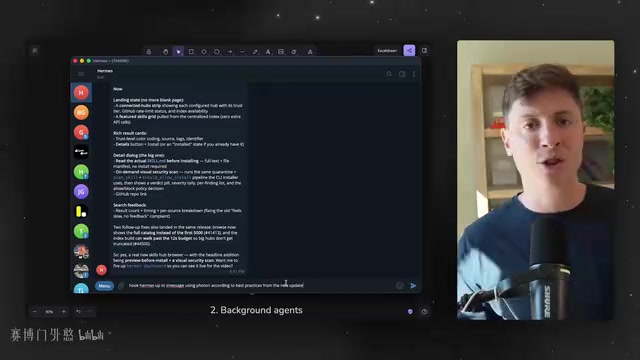
Hands-On With Hermes Agent's Eight Major Updates: A Complete Guide to AI Automation and Self-Evolution
The Hermes Agent gets a major upgrade with eight new features: native iMessage, parallel background sub-agents, Unreal Engine MCP support, a self-evolving Skill Hub, and more. A hands-on breakdown of the core changes and their real impact on personal AI automation workflows.
Read more →

·3 min
OpenAI Codex CLI Hands-On Tutorial: A Guide to Using the Local Terminal AI Coding Agent
An in-depth guide to installing, logging in, and using OpenAI Codex CLI: call AI directly in your local terminal to modify code, refactor components, and add file and image context, with Git branch management for an efficient local AI coding workflow.
Read more →

·3 min
Building a Local AI Coding Agent on Mac: A Complete Guide with Ollama, OpenCode, and MCP
A complete guide to building a local AI coding agent on a 32GB Mac: Ollama for local inference, OpenCode as the agent framework, and MCP memory servers for cross-session context. Code stays on-device, no subscription fees.
Read more →
·7 min
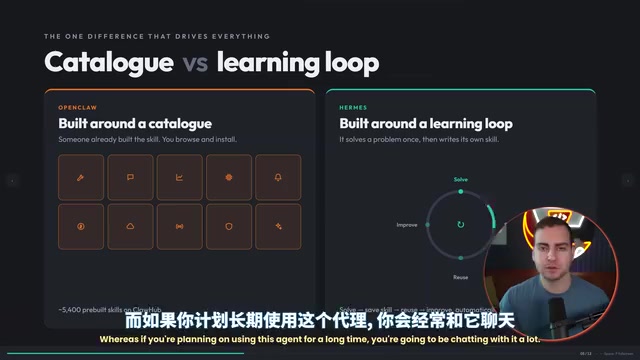
OpenClaw vs Hermes: An In-Depth Comparison and Selection Guide for AI Agent Tools
An in-depth comparison of OpenClaw and Hermes Agent, covering skill management, memory mechanisms, security, and gateway configuration to help you find the right AI agent solution.
Read more →
·5 min
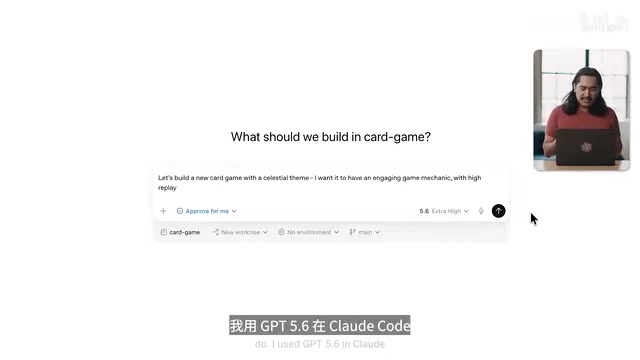
GPT-5.6 Released: Hands-On Analysis of Programmatic Tool Calling and Autonomous Agents
GPT-5.6 is officially released with core upgrades including programmatic tool calling, autonomous subagent delegation, and higher token information density. A hands-on card game build reveals its Agentic power.
Read more →
Local Coding Agents in Practice: A Com…
·6 min
Local Coding Agents in Practice: A Complete Guide to Replacing Your Claude Subscription with Open-Source Models
An in-depth look at local coding agents—core concepts, advantages, and real challenges. Compare against Claude Code and learn to build a zero-subscription, private AI coding workflow with open-weight models.
Read more →

·5 min
ECC: An Agent Enhancement Framework for AI Coding Assistants — Five Core Capabilities Explained
ECC is an agent optimization framework for AI coding assistants like Claude Code, Cursor, and Codex, enhancing them with skills, memory, security, and research-first development capabilities.
Read more →
·5 min
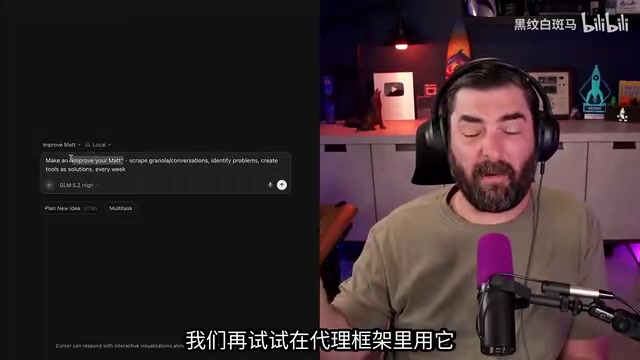
GLM-5.2 Hands-On Review: A 753B-Parameter Open Model That Beats GPT and Claude on Value
In-depth hands-on review of Zhipu AI's flagship GLM-5.2: a 1M-token context window and API pricing just one-fifth of GPT/Claude. Covers website building, Chrome extensions, 3D game cloning, and agentic workflows.
Read more →

·5 min
The Complete OpenCode Tutorial: Installation, Commands, and Advanced Practice
Systematically learn the OpenCode AI programming tool: covering both desktop and WSL installation, core commands, model and rule configuration, MCP integration, and Agent Skills.
Read more →

·4 min
How to Connect DeepSeek to Claude Code: A Complete 4-Step Setup Guide for Users in China
Step-by-step guide to connecting DeepSeek to Claude Code via CC Switch — no VPN needed, start for just ¥10. Covers API Key setup, installation, model config, and a live demo.
Read more →

·6 min
GPT-5.6 Now Widely Available: The Era of Three-Tier Models and Multi-Agent Orchestration Arrives
OpenAI releases GPT-5.6 (SOUL/TERRA/LUNA), with Ultra mode running four agents in parallel; Meta launches Muse Spark 1.1 with million-token context; ChatGPT desktop unifies Chat, Work, and Codex.
Read more →