#LLM developer roadmap
241 related articles

·3 min
Enterprise AI Agent Learning Roadmap: A Complete Guide from Beginner to Production
A structured AI Agent learning roadmap covering 4 stages: foundations, core frameworks, scenario practice, and advanced product thinking. Master LangChain, tool calling, memory, and more.
Read more →

·3 min
Can Open Source Topple ChatGPT? CSDN Founder Jiang Tao Breaks Down DeepSeek's Game-Changing Strategy
CSDN founder Jiang Tao analyzes how DeepSeek uses open source to challenge ChatGPT's dominance — from technical transparency to national AI strategy.
Read more →

·3 min
AI Daily: Alibaba Open-Sources Dance Model, World Model Launches, First AI-Native Phone Debuts
Alibaba open-sources 14B dance model Wan-Dancer, AutoNavi launches World Studio, Stepfun debuts AI-native phone STEPS NEO; GPT-5.6 file deletion and AI companion shutdowns spark safety and regulation debates.
Read more →
·2 min
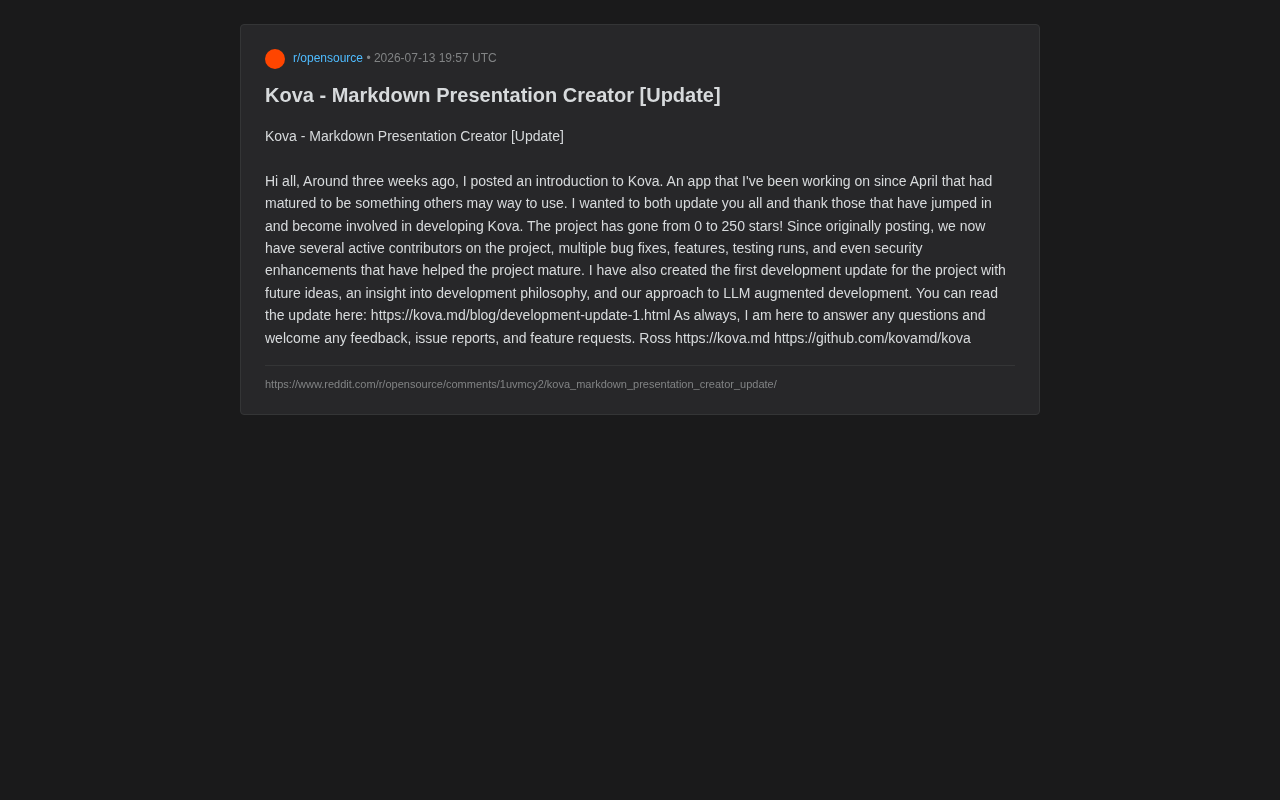
Kova: The Open-Source Tool for Building Presentations with Markdown
Kova is an open-source Markdown presentation tool for developers. With Git support and content-style separation, it hit 250 GitHub Stars in just three weeks.
Read more →

·3 min
Complete Practical Guide to LLM Fine-Tuning: A Roadmap for Beginners
A practical LLM fine-tuning roadmap for beginners — covering when to fine-tune, LoRA/QLoRA selection, data prep, tools like Unsloth, and evaluation for Llama, Mistral, and Gemma.
Read more →

·2 min
The Complete AI Agent Development Roadmap: A Four-Stage Guide from Zero to Production
A complete four-stage AI Agent development roadmap: from LLM fundamentals and core modules, to ReAct/CoT paradigms, multi-agent collaboration, and real-world projects.
Read more →

·2 min
GPT-5.6 Launch Triggers Industry Chain Reactions: The New Competition Landscape of Compute, Energy, and Open Source
GPT-5.6 raises frontier model expectations, Anthropic extends Fable 5; data center power bottlenecks emerge; open-source GLM5.2 rivals top closed models; AI review burden overlooked.
Read more →
·2 min
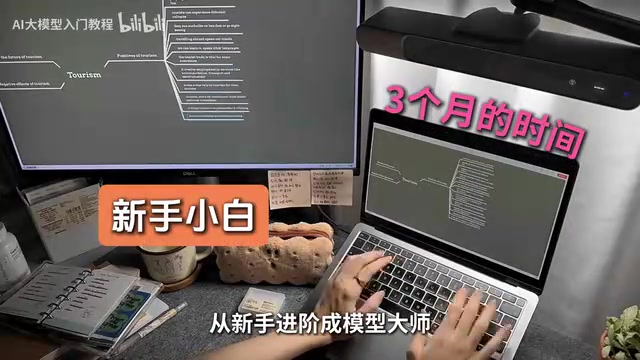
Master LLMs in 3 Months with Zero Background: A Complete Learning Roadmap from Beginner to Job-Ready
AI talent gap is widening fast. Learn LLMs from zero in 3 months: Python & Transformer basics → Agents & LLMs → fine-tuning & private deployment. Land your AI job.
Read more →

·2 min
AI Agent Development for Beginners: A Complete Three-Stage Learning Roadmap
A complete AI Agent development learning roadmap covering three stages: Fundamentals (environment setup, tool use, memory), Advanced (multi-agent systems, RAG, ReAct), and Practical Projects (enterprise chatbots, automation tools).
Read more →

·2 min
QuantaMind: An Open-Source Tool for Testing AI Agent Reliability Locally
QuantaMind is a free, open-source local AI Agent reliability testing tool using pass^k scoring and deterministic evaluation, supporting Ollama, llama.cpp, vLLM, and more.
Read more →

·2 min
From Beginner to Advanced AI Agent Development: A Deep Dive into One Essential Hands-On Book
A deep dive into a hands-on AI Agent development book covering component architecture, RAG, multi-agent systems, Function Calling, and production observability.
Read more →

·2 min
AI Application Developer Skills Breakdown: Four Core Modules and a Clear Learning Roadmap
Calling an API isn't enough. This article breaks down the full AI application developer skill structure — Python, deep learning, fine-tuning, Agents, and enterprise projects — with a clear learning roadmap.
Read more →

·3 min
AI Agent Learning Roadmap: From Zero to Building Your Own Intelligent Agents
A structured AI Agent learning roadmap covering fundamentals (Agent principles, Prompt engineering), advanced topics (RAG, multi-agent collaboration), and three hands-on projects — ideal for beginners.
Read more →

·3 min
Multi-Repo Microservice Development: The Workspace-Level Configuration Gap in AI Agents
Explore why AI agent tools (Codex, Claude Code, Gemini) lack workspace-level config for multi-repo microservice dev, and discover practical solutions like symlinks, custom paths, and cascading config.
Read more →

·3 min
LangChain 1.3 in Practice: A Complete Technical Guide from LLMs to DeepAgent
An in-depth analysis of the core knowledge system of LangChain 1.3, covering the Harness architecture philosophy, DeepAgent positioning, LangGraph fundamentals, Agent memory, and human-in-the-loop.
Read more →
·4 min
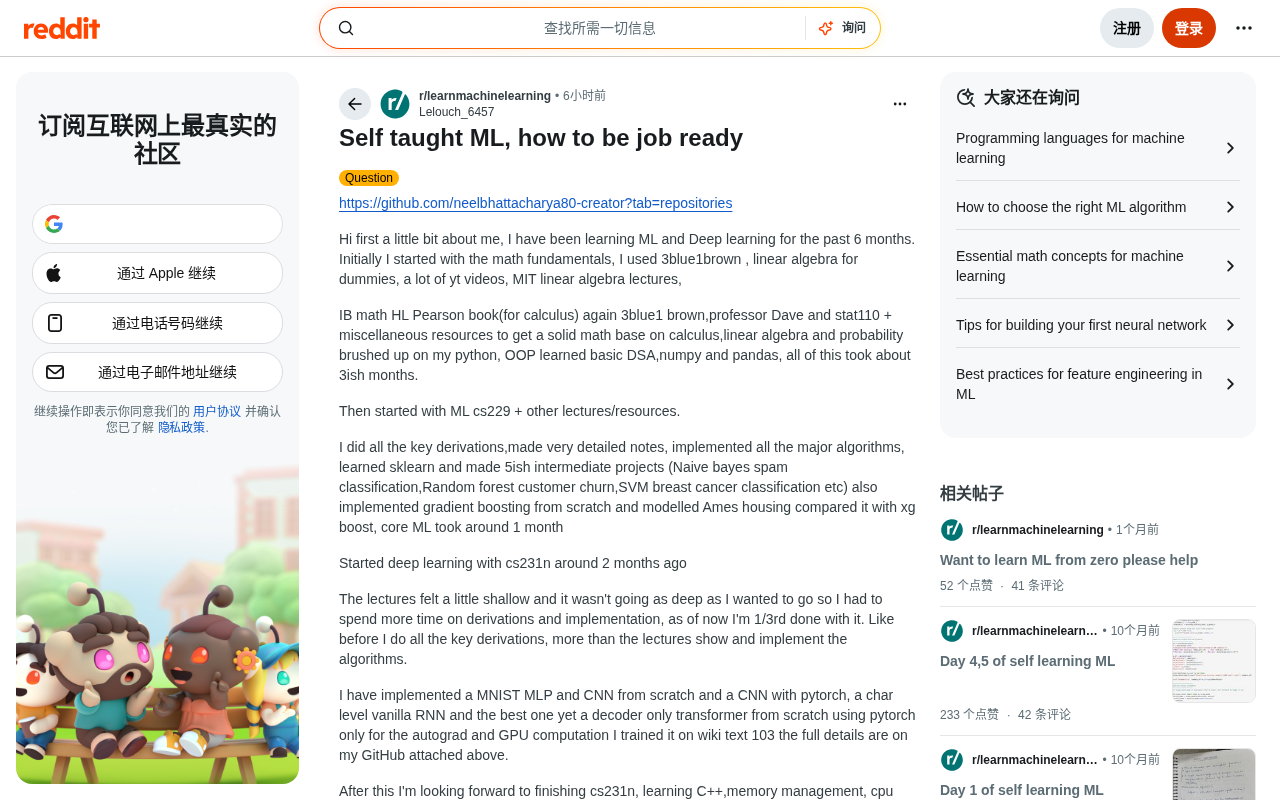
6 Months of Self-Taught Machine Learning: A Complete Roadmap from Zero to Job-Ready
A self-learner completed a full progression from math foundations and core ML to deep learning in 6 months—hand-writing a Transformer and implementing gradient boosting from scratch. This article breaks down the highlights and blind spots of this real roadmap.
Read more →

·2 min
4-Step Roadmap to Becoming an AI Agent Engineer: From Zero to a $50K LLM Role
A proven 4-step roadmap to becoming an AI Agent engineer: stable LLM calls, tool use (RAG + Function Calling), production engineering, and resume optimization.
Read more →

·3 min
Getting Started with AI Agent Development: A Three-Step Practical Path with Python + LangChain
Learning AI Agent development is no longer daunting! This article outlines the simplest practical path: master just enough Python, grasp core LLM concepts, then build your first Agent with LangChain.
Read more →
·6 min
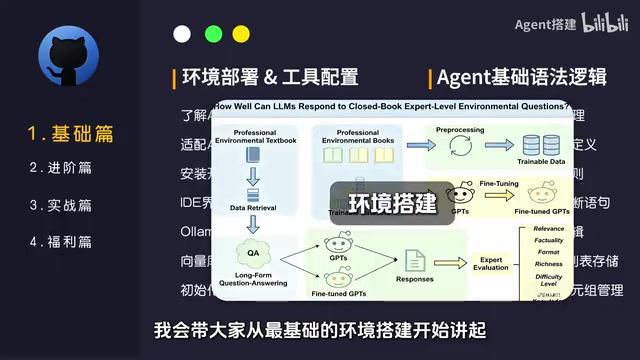
AI Agent Development Learning Path: Four Stages from Zero to Hands-On Projects
A systematic breakdown of the AI agent development learning path, covering four stages: fundamentals, RAG knowledge bases, tool use, multi-agent collaboration, and hands-on projects.
Read more →

·7 min
Breaking Down the Core Skills of an AI Application Engineer: From Beginner to Industrial-Grade Deployment
Knowing how to call an API doesn't make you an AI engineer. This article breaks down the complete skill structure of an AI application engineer, covering Python fundamentals, LLM fine-tuning, Agent development, and enterprise projects.
Read more →