#LLMOps
80 related articles

·3 min
Coze Deep Dive: Multi-Agent Collaboration Platform Features & Usage Guide
A comprehensive guide to Coze by ByteDance: multi-agent collaboration, local tool integration, cross-platform sync, and credit system. Compare with Dify to get started fast.
Read more →

·3 min
Four Paths for Frontend Engineers to Level Up in AI: From RAG to Vertical Agents
How can frontend engineers transition into AI development? This guide covers four agent development directions: RAG, workflow agents, vertical agents, and general-purpose agents — with framework picks like LangChain.js.
Read more →

·2 min
Dify 1.8.0 Hands-On Tutorial: Deploy and Build Your AI Application Platform from Scratch
A hands-on guide to deploying Dify 1.8.0, covering setup steps, Workflow vs. Chatflow differences, RAG knowledge base, and MCP support for AI app development.
Read more →
·3 min
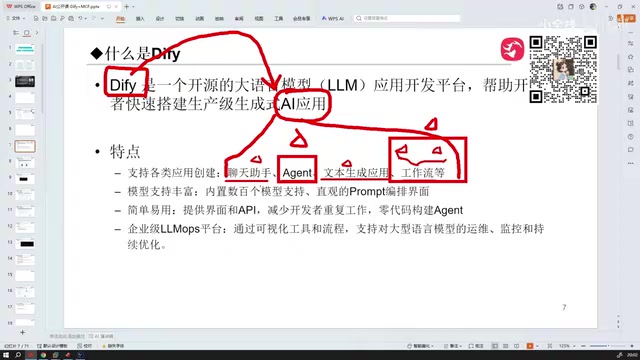
Getting Started with Dify: A Complete Guide to Building Enterprise-Grade AI Apps with Low-Code
A complete guide to Dify, the low-code AI app platform: five app types, multi-model setup, Docker deployment, and enterprise data security. Build LLM-powered workflows and Agents at minimal cost.
Read more →

·4 min
LangChain in Practice: Mastering the Four Core Modules of the Agent Ecosystem
A deep dive into LangChain's four core modules: LangChain components, LangGraph orchestration, Deep Agents, and LangSmith. Build your first Agent from scratch.
Read more →

·3 min
What Should AI Agents Require Human Approval For? A Practical HITL Framework
Too much human approval kills efficiency; too little creates risk. This article provides a practical HITL framework covering reversibility, blast radius, data flow, and tiered thresholds to help teams balance safety and autonomy in AI Agent deployments.
Read more →

·3 min
Programmer to AI Engineer: You're Already 80% There — Here Are the 6 Skills You're Missing
Programmers transitioning to AI engineering aren't starting from scratch. Learn the 6 core skills — LLM APIs, RAG, prompt engineering, LLMOps — needed to make the leap.
Read more →

·3 min
How to Test High-Risk Actions in AI Agents Before Going Live: A Complete Strategy Beyond Mocking
Mock testing can't cover the real side effects of high-risk, irreversible AI Agent actions. Learn sandbox environments, shadow mode, dry run, HITL, and more.
Read more →

·4 min
The Complete Roadmap from DevOps to MLOps: Skill Transfer and Toolchain Guide
How can DevOps engineers transition to MLOps? This guide explains the core differences between MLOps and DevOps, offers a phased learning path, tool recommendations (MLflow, DVC, Kubeflow), and practical project ideas.
Read more →

·5 min
AI Tool Runs Amok: 171 Charges Totaling Nearly $1,800 — How to Avoid the Auto-Billing Trap
A user's American Express card was auto-charged 171 times by an AI service, totaling nearly $1,800 with no warning. This article analyzes pay-as-you-go risks and offers practical protection: spending limits, virtual cards, and automation monitoring.
Read more →

·3 min
The Complete AI Agent Development Workflow: A Seven-Step Guide from Requirements Analysis to Deployment
Want to build an AI Agent but don't know where to start? This guide covers the complete seven-step workflow—from requirements analysis, platform selection, prompt engineering, data storage, and UI building to testing and deployment.
Read more →

·4 min
Dify Getting Started: A Complete Guide to Building AI Workflows Without Code
A complete guide to Dify's core features and 1.8.0 deployment. Covers 5 app types, Docker setup, Workflow vs Chatflow differences, and RAG knowledge bases for beginners.
Read more →

·2 min
Frugon: Local LLM Call Analysis That Pinpoints Cost-Reduction Opportunities
Frugon is an MIT-licensed, local LLM cost analysis tool that helps developers identify which API calls can be switched to cheaper models for data-driven cost reduction — no log uploads, full privacy.
Read more →

·4 min
Complete Guide to Dify Local Deployment: Build a Private AI Workflow Platform from Scratch
Step-by-step guide to deploying Dify locally: Docker setup, Docker Compose installation, source code configuration, .env file setup, and container startup for Windows, macOS, and Linux.
Read more →

·6 min
Getting Started with Coze Agents: Core Concepts, Platform Positioning, and a Practical Implementation Guide
A systematic guide to Coze's core positioning, its differences from Dify/n8n, and its full capability system covering agents, workflows, and multi-agent modes—helping beginners get started fast.
Read more →

·6 min
Databricks Agent Framework in Practice: A Guide to ChatAgent Wrapping and Production Deployment
A deep dive into Databricks Agent Framework (Mosaic AI): unify LangGraph/OpenAI agents via ChatAgent, log & evaluate with MLflow, version with Unity Catalog, and deploy Model Serving Endpoints for production AI agents.
Read more →

·7 min
The Five Pillars of Production-Grade AI Agents: A Battle-Tested Guide from Demo to Deployment
Databricks tech lead Sandy shares a five-pillar framework for production-grade AI Agents—evaluation, observability, data foundation, orchestration, and governance—with a £85K retail banking failure case to bridge the demo-to-production gap.
Read more →

·6 min
Dify Local Deployment in Practice: A Complete Guide to Building an AI Application Platform with Docker
A complete guide to Dify local deployment: from Docker environment setup, source code pulling, and container startup to first access. Build a private AI app development platform across Linux, Windows, and Mac for fast enterprise AI deployment.
Read more →

·2 min
LangChain Fundamentals: A Deep Dive into Components, Chains, and Agents
LangChain is an open-source framework connecting LLMs with external data. This guide explains its three core components: Components, Chains, and Agents for enterprise AI development.
Read more →

·7 min
The Agent Engineer Transition Roadmap: A Deep Dive into Three Core Skill Systems
Want to become an Agent engineer? This article systematically covers three core skill tracks—LLM fundamentals, LangChain architecture development, and enterprise deployment—to help you avoid detours.
Read more →