#OpenAI Codex architecture
1007 related articles

·3 min
Getting Started with Codex: The Right Way to Use AI Coding Agents
A detailed comparison of OpenAI Codex and Claude Code with hands-on testing. From AI agent concepts to account setup, helping developers quickly master AI coding agents.
Read more →

·3 min
Getting Started with Codex: A Beginner's Guide to AI Agentic Coding Tools
A detailed guide to getting started with Codex and Claude Code AI agentic coding tools, from environment setup to hands-on practice, helping beginners master AI programming assistants.
Read more →

·3 min
Getting Started with Codex: A Zero-to-Hero Guide to AI Agentic Coding Tools
A detailed guide to getting started with Codex and Claude Code—two leading AI agentic coding tools. From environment setup to hands-on practice, even beginners with no coding experience can master AI programming assistants.
Read more →
·2 min
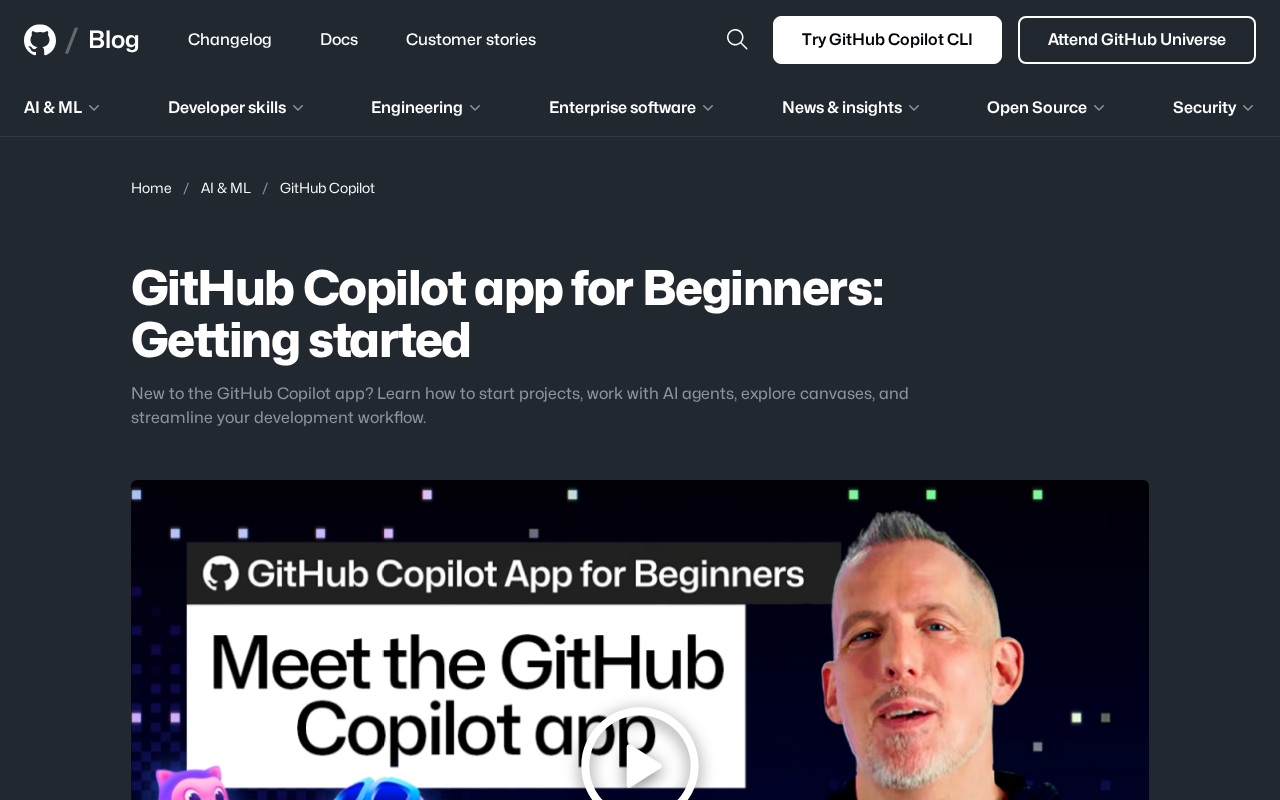
Getting Started with GitHub Copilot App: A Beginner's Guide to AI-Assisted Development
A detailed guide to GitHub Copilot's standalone app covering project creation, AI agent collaboration, canvas features, and tips to help developers get started with AI-assisted development.
Read more →

·3 min
Why Is Every Company Rushing to Embrace AI? A Multi-Layered Analysis of Capital, Technology, and Marketing
Why is every company embracing AI? An in-depth analysis of valuation premiums, FOMO, lower API barriers, and marketing narratives driving the AI craze.
Read more →

·3 min
Learning to Code in the AI Era: The Worst and Best of Times
AI coding tools are reshaping software development. Is learning to code still worthwhile? This article analyzes the challenges and opportunities of learning programming in the AI era.
Read more →

·2 min
Qoder vs Cursor: A Hands-On Comparison of AI Coding Tools
Which is better, Qoder or Cursor? This article compares both AI coding tools through real development scenarios across context understanding, code quality, and Agent autonomy to help you choose the best fit.
Read more →

·2 min
Canvas Technology Explained: AI Moves from Chat Mode to Interactive Workspaces
A deep dive into how Canvas technology upgrades AI from traditional Q&A into interactive workspaces, covering visualization, workflow exploration, and actionable AI — plus its impact on developer workflows via GitHub Copilot.
Read more →

·2 min
Canvas Technology Explained: How AI Is Moving from Chat Mode to Interactive Workspaces
Explore how Canvas technology transforms AI from traditional Q&A into interactive workspaces, covering visualization, workflow exploration, and actionable collaboration for developers.
Read more →

·4 min
AI Coding Tools in Practice: Which Ones Actually Stuck with the Team?
A 12-person product team shares real-world experiences with Cursor, Codex, Claude Code, and CodeRabbit—exploring efficiency plateaus, scenario matching, and selection criteria for AI coding tools that actually stick.
Read more →
·4 min
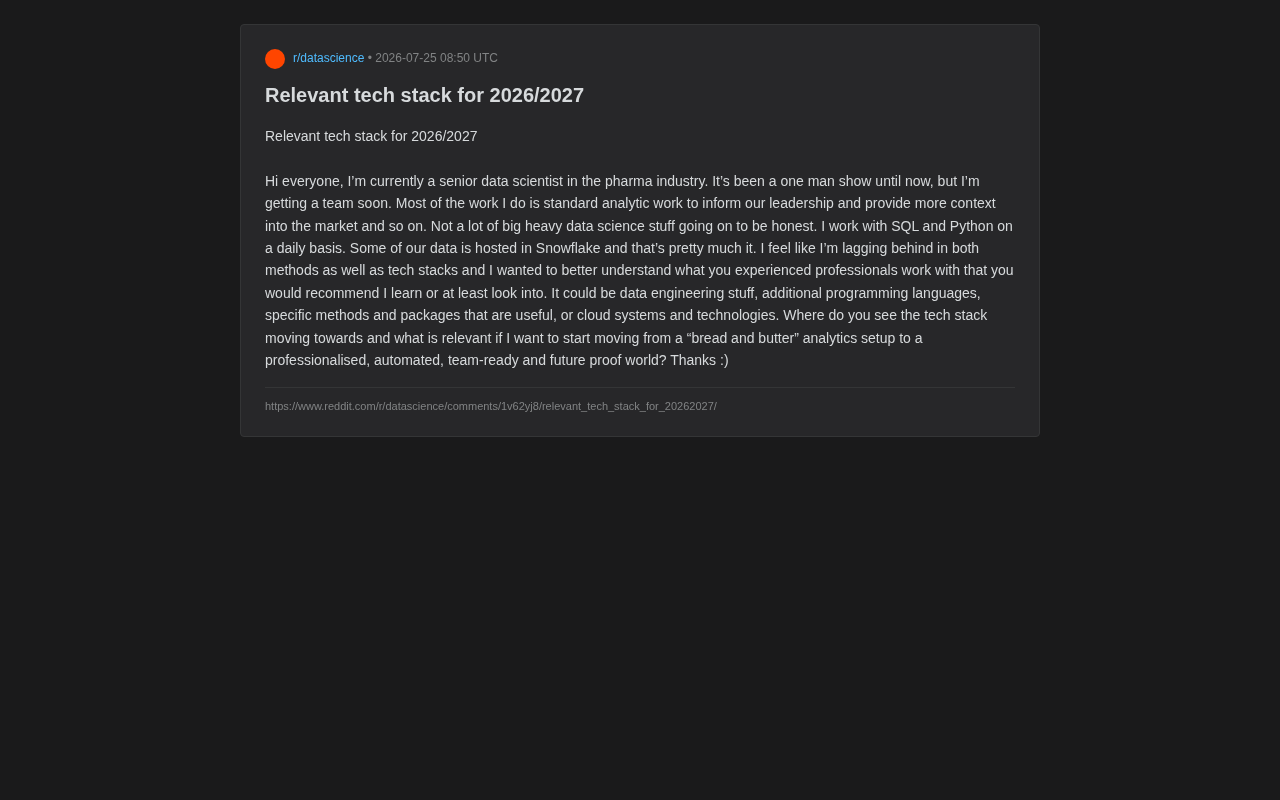
From Solo Analyst to Team Data Platform: A Practical Guide to Leveling Up Your Tech Stack
How should a data scientist upgrade their tech stack when transitioning from IC to team lead? A phased roadmap covering Git, dbt, Snowflake, modern data stack, and generative AI.
Read more →

·5 min
From Chat to Agent: Automating Your Entire Business Workflow with AI Agents
Veteran AI practitioner Remy breaks down the leap from chat models to AI agents: how agents work, the three pillars of context, tools, and skills, MCP connections, and hands-on architecture to make you a 100x employee.
Read more →

·3 min
Herder: The Open-Source Terminal Tool for Unified Management of Multiple AI Coding Agents
Herder is an open-source terminal multiplexer for macOS and Windows that unifies management of Claude Code, Codex, OpenCode, and other AI coding agents—with persistence and remote reconnection.
Read more →

·4 min
Vibe Coding in Practice: AI-Assisted Refactoring of a Unity Game's SO Architecture
Learn how to use Vibe Coding to collaborate with AI in refactoring a Unity game, introducing ScriptableObject (SO) data architecture, with hands-on tips.
Read more →

·3 min
Vibe Coding at Big Tech: Frontend Practices and an AI Programming Interview Guide
An in-depth look at Vibe Coding (AI-assisted programming) at major tech companies. With three real AI coding interview questions from firms like ByteDance, we analyze how frontend developers can master AI programming and rebuild core competitiveness.
Read more →

·4 min
Vibe Coding in Practice: Refactoring a Unity Game's SO Architecture with AI
A deep dive into refactoring a Unity game with Vibe Coding and AI, introducing ScriptableObject (SO) architecture—covering visual map editors, Codex remote control, and collaboration pitfalls.
Read more →

·2 min
Deep Dive into the OpenClaw Multi-Agent Framework: From Dify Workflows to Autonomous AI Execution
An in-depth analysis of the OpenClaw multi-agent framework: its TypeScript single-process gateway design, inter-agent scheduling, advantages over Dify workflows, and the three evolutions of AI execution.
Read more →
·3 min
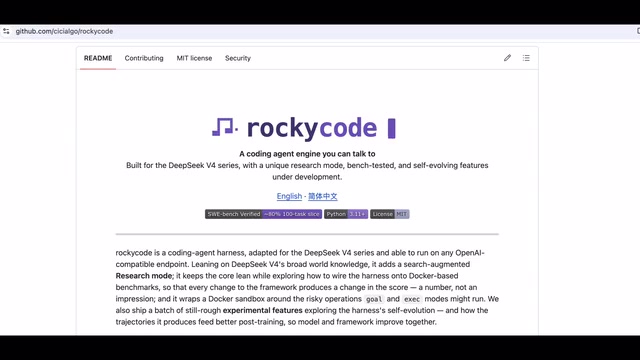
Rocky: An Open-Source Coding Agent with Minimal Architecture and Native DeepSeek Integration
Rocky is a minimal, transparent open-source coding agent with a core loop under a few hundred lines of Python, native DeepSeek search, Research mode, and built-in SWE benchmarking for reproducible agent experiments.
Read more →

·3 min
Installed Codex But Don't Know What to Build? Find Real Needs with the "Friction Point" Mindset
Installed Codex or Claude Code but don't know what to build? This real-world browser extension case reveals the core methodology of the AI coding era: start from your own and others' "friction points" to find projects worth doing.
Read more →

·3 min
Got Codex but Don't Know What to Build? Use 'Friction Point Thinking' to Find Real Needs
Installed Codex or Claude Code but don't know what to build? This hands-on browser extension case reveals the core methodology of the AI coding era: start from your own and others' 'friction points' to find worthwhile projects.
Read more →