#OpenAI model tiering
104 related articles

·4 min
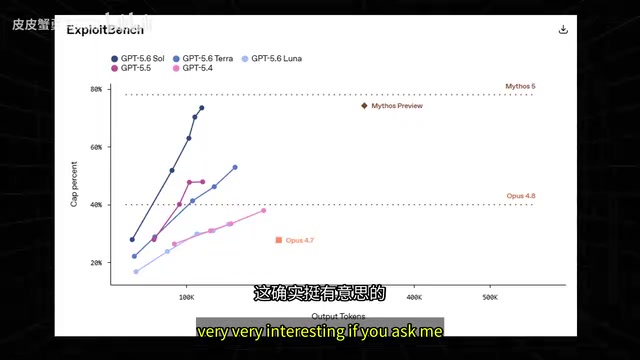
Beware of AI Fake Marketing: Is the 'GPT-5.6 Release' a Scam?
A viral Bilibili video claiming the 'GPT-5.6 SOAR/TERRA/LURAL release' is full of fake model names, forged benchmarks, and risky third-party sites. We debunk it and show how to spot AI hype traps.
Read more →
·5 min
GPT-5.6 Released: Outperforms Rivals but Halted by Government—Cybersecurity Capabilities Trigger Regulatory Red Line
OpenAI releases GPT-5.6 (Sol/Terra/Luna), beating Anthropic on Terminal Bench at ~40% lower cost. But its cybersecurity capabilities hit danger thresholds, limiting access to trusted partners at government request.
Read more →

·7 min
GPT-5.6 and Grok 4.5 Launch Simultaneously, Meta Unveils Agent-Based Image Model
OpenAI GPT-5.6 expands its preview, xAI Grok 4.5 opens access at the same time, Meta releases the Agent-based Muse Image model and Muse Video model, while Apple and DeepSeek launch in-house AI inference chip programs. A quick look at the week's five biggest AI stories.
Read more →

·5 min
Hands-On Test of GPT-5.6's Three Models Sol/Terra/Luna: How Good Are Their Coding Skills?
OpenAI released three GPT-5.6 models—Sol, Terra, Luna—and merged ChatGPT with Codex to launch Work mode. This hands-on review tests coding, game dev, and PPT creation, revealing one-click deployment wins alongside aesthetic and efficiency flaws.
Read more →
·7 min
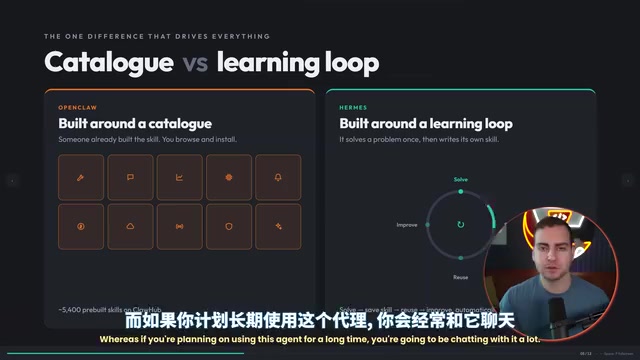
OpenClaw vs Hermes: An In-Depth Comparison and Selection Guide for AI Agent Tools
An in-depth comparison of OpenClaw and Hermes Agent, covering skill management, memory mechanisms, security, and gateway configuration to help you find the right AI agent solution.
Read more →

·3 min
Is Perplexity Pro Worth Subscribing To? A Practical Comparison Guide for Major AI Tools
Is Perplexity Pro worth paying for? This guide compares ChatGPT Plus, Claude Pro, and Google Gemini across research, writing, and coding to help you choose the right AI subscription.
Read more →

·7 min
Grok 4.5 Launch: Coding AI Market Reshuffle, Anthropic Claims Half the Territory
Grok 4.5 launches at just $0.49 per task, 90% cheaper than rivals. Anthropic's Claude Code claims 50% of the AI coding market. SambaNova raises $1B. Read the latest AI market shifts.
Read more →

·5 min
GPT-5.6 Comes to Codex, Voice Models Iterate: A Flurry of AI Product Updates
OpenAI announces GPT-5.6 Sol Ultra coming to Codex and its most powerful real-time voice model yet, GPT Realtime 2.1; Tencent's Toast lands on iOS; Anthropic finds brain-like structures in Claude.
Read more →
·6 min
GPT-5.6 Sol Limited Preview: The Safety Boundaries Behind AI's Capability Expansion
OpenAI's flagship GPT-5.6 advances on three fronts—Sol, Kara, Luna tiered rollout; ByteDance CGN 5.0 Pro and Meta Muse push image generation toward controllable workflows; AI coding agents expose new supply chain risks.
Read more →

·6 min
GPT-5.6 Officially Approved for Release: How National Security Review Is Reshaping the AI Launch Process
OpenAI's flagship GPT-5.6 was delayed by national security review before winning U.S. government approval. An in-depth look at the Sol, Terra, and Luna model lineup and the emerging AI regulatory regime.
Read more →

·7 min
Base44 in Practice: How Claude Code Powered Rapid Scaling from 1 to 80 People
How Base44's product team scaled from a single founding engineer to an 80-person team with Claude Code. Covers AI-assisted onboarding, code review, user evaluation, and QA automation.
Read more →

·6 min
GPT-5.6 Now Widely Available: The Era of Three-Tier Models and Multi-Agent Orchestration Arrives
OpenAI releases GPT-5.6 (SOUL/TERRA/LUNA), with Ultra mode running four agents in parallel; Meta launches Muse Spark 1.1 with million-token context; ChatGPT desktop unifies Chat, Work, and Codex.
Read more →

·6 min
GPT-5.6 Hands-On Deep Dive: ChatGPT and Codex Merge, Full Analysis of the Sol Model
GPT-5.6 is officially released, merging ChatGPT and Codex into one app and launching the three-tier Sol, Terra, and Luna models. A detailed breakdown of 16 hands-on tests plus Worker mode and Codex dev upgrades.
Read more →

·2 min
GPT-5.6 Triple Model Integration in Cursor: Sol Scores 67.2% on CursorBench
OpenAI's GPT-5.6 models Sol, Terra, and Luna are now available in Cursor IDE. Sol scores 67.2% on CursorBench, covering real-world tasks like code completion and cross-file refactoring.
Read more →

·6 min
Cursor Meets Grok 4.5: A Hands-On Test of an AI Coding Assistant That's 5x Faster with Cleaner Output
A developer deeply tests Grok 4.5 High Fast in Cursor, finding it rivals Claude Opus in quality but runs 5x faster with cleaner, filler-free output. Full hands-on review and analysis.
Read more →

·4 min
GPT-5.6 Three-Model Deep Dive: Sol, Terra, and Luna Benchmarked and Compared
OpenAI's GPT-5.6 series benchmarked: flagship Sol, balanced Terra, and lightweight Luna tested head-to-head. Agentic tasks rival top models, Luna starts at $1/M tokens. Full comparison with Fable 5 and Opus 4.8.
Read more →

·4 min
8-Step AI Agent Development Guide: From Zero to Production
Demo works but production fails? This guide covers the full AI Agent development path: when to use Agents, hand-writing ReAct loops, tool schemas, RAG, eval sets, and production fallback strategies.
Read more →

·4 min
AI Weekly: GPT-5.6 Launches in Three Tiers, Open-Source Inference Frameworks and Robot Safety Break Through Across the Board
This week in AI: OpenAI launches GPT-5.6 in three tiers (Sol/Terra/Luna) hitting 91.9% on coding benchmarks; DeepSeek and PKU open-source DSpark for 85% faster inference; Prime Intellect trains trillion-param models on just 28 H200s; Anthropic Claude enters Slack.
Read more →

·3 min
GPT-5.6 Three-Tier Model Lineup Leaked, OpenAI May Delay IPO to Next Year
OpenAI previews GPT-5.6 models Sol, Terra, Luna; Codex launches on mobile; SenseTime develops U1 Pro rivaling GPT Image; Gemini enters Android Auto; OpenAI IPO may slip to next year.
Read more →

·2 min
GPT-5.6 Launches Three New Models; Claude Code Exposed to Potential Security Backdoor Risk
OpenAI launches GPT-5.6 with three models — Sol, Terra, and Luna — spanning flagship to economy tiers. Meanwhile, Claude Code is flagged for a potential code leak risk between April and June 2025.
Read more →