#Python AI
2156 related articles

·3 min
L2 Reduction Algorithm Explained: A Python Implementation of Quadratic-Complexity LLL Lattice Reduction
Deep dive into the L2 reduction algorithm, its quadratic complexity advantage over classical LLL, and a Python implementation covering floating-point error control and lazy size reduction.
Read more →

·3 min
No Python Required: A Unified Multimodal Local AI Generation CLI Tool
A CLI tool that enables local text, image, video, music, and 3D generation without Python. Explore its technical approach, advantages, limitations, and the growing trend of local AI tooling.
Read more →

·3 min
No Python Required: A Unified Multimodal Local AI Generation CLI Tool
A CLI tool requiring no Python that supports local text, image, video, music, and 3D generation. Explore its technical approach, advantages, limitations, and the growing trend of local AI toolification.
Read more →

·4 min
Self-Contained Portable Python Distributions: Saying Goodbye to Environment Configuration Nightmares
Deep dive into self-contained portable Python distributions: how python-build-standalone uses static linking and path relocation for zero-dependency deployment, and how modern tools like uv leverage this technology.
Read more →

·3 min
Cursor + Claude in Action: Building a Python Student Management System from Scratch with AI
A step-by-step guide to building a Python student management system from scratch using the AI editor Cursor with Claude. Covers Agent, Ask, and Manual modes, model selection, and the full workflow.
Read more →

·3 min
AI-Powered Python Reverse Engineering: A Full Retrospective on Using LLMs to Accelerate the Workflow
A real-world retrospective on AI-assisted Python reverse engineering: from JS obfuscation tracing and SM2/SM4 key extraction to generating decryption code with DeepSeek. An honest assessment of LLM value and legal risks.
Read more →

·3 min
Getting Started with AI Agent Development: A Three-Step Practical Path with Python + LangChain
Learning AI Agent development is no longer daunting! This article outlines the simplest practical path: master just enough Python, grasp core LLM concepts, then build your first Agent with LangChain.
Read more →

·7 min
Demystifying Claude Code's Harness in 60 Lines of Python: The Core of AI Coding Tool Performance Differences
The same model scores 77% in Claude Code but jumps to 93% in Cursor—the only variable is the Harness. This article dissects how AI coding tools work in 60 lines of Python.
Read more →
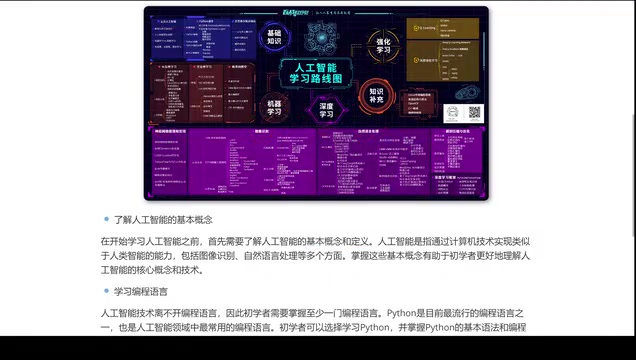
·6 min
AI for Beginners: A Five-Step Practical Path That Skips the Math and Python Syntax Traps
Struggling with math and Python when learning AI from scratch? This article lays out a five-step entry path: grasp the concepts, learn Python lightly, master ML and deep learning principles, get hands-on with PyTorch, then deepen understanding through real projects.
Read more →

·8 min
Python Web Scraping for Beginners: How It Works, Core Workflow, and Legal Red Lines Explained
A plain-language guide to how Python web scrapers work: from HTTP requests and responses, HTML tag parsing, to the complete three-step data scraping workflow, with a focus on the three legal red lines and compliance advice.
Read more →

·3 min
AI + Python Reimagines Empirical Research: From Stata to Fully Automated Paper Generation
A PKU-Stanford trainer breaks down how Python surpasses Stata and R, how AI-driven Skills and Paper Workflow automate empirical research from data to LaTeX paper drafts.
Read more →

·2 min
Python + AI Learning Roadmap for Beginners: A Complete Guide from Basics to Practice
New to Python and AI? This guide breaks down Linux, MySQL, and Python into clear learning modules with goals and benchmarks — helping beginners build a solid, executable roadmap from day one.
Read more →

·7 min
Building an AI Agent from Scratch: Implementing Core Conversational Agent Features in Python
Learn AI Agent development from scratch. This tutorial covers LLMs and prompts, then builds a conversational agent in Python using the DeepSeek API with multi-turn dialogue and system prompts.
Read more →

·2 min
Python time Module: Timestamps, Time Tuples, and Key Functions Explained
A beginner's guide to Python's time module: covering timestamps, struct_time tuples, and the time(), ctime(), and gmtime() functions with clear examples.
Read more →

·3 min
Cursor in Action: A Complete Guide to Building Python Projects with AI from Scratch
Learn how to build a Python student management system from scratch using Cursor AI — covering Agent/Ask/Manual modes, Claude model selection, auto error fixing, and environment setup.
Read more →

·3 min
Why Should Ordinary People Learn Python in the AI Era? The Path from User to Master
Why should ordinary people learn Python in the AI era? Discover Python's value in calling LLM APIs, automating data tasks, and building AI apps to evolve from AI user to AI master.
Read more →

·2 min
Hands-On Tutorial: Build an AI Agent from Scratch with 200 Lines of Python
Build an AI Agent from scratch with 200 lines of Python, covering prompts, memory, tool calling, RAG, and Skills — a practical guide for developers.
Read more →

·3 min
AI-Driven Zero-Code Automated Testing: A Complete Path from Python Basics to Hands-On Practice
A detailed guide to AI-driven automated testing: from Python basics to PyTest, covering API automation, Playwright UI testing, and AI-assisted coding for beginners.
Read more →

·2 min
Cursor Releases Official SDK: Build Custom AI Agents with Python and TypeScript Based on Composer 2.5
Cursor officially releases its SDK supporting Python and TypeScript, letting developers build custom AI Agents on Composer 2.5. Explore core capabilities, use cases, and a limited 90% discount.
Read more →
 Deep Dives
·3 min
Why Is Python the Top Choice for AI Development? Three Core Reasons Explained in Depth
In-depth analysis of three core reasons Python dominates AI development: simple syntax for quick onboarding, powerful ecosystem, and industry-wide network effects.
Read more →