#agent collaboration
2270 related articles

·2 min
qm: A Deep Dive into the Multiplayer AI Agent Harness for Team Collaboration
Deep dive into qm, a multiplayer AI Agent collaboration framework that uses state sync, real-time observability, and human takeover mechanisms to transform Agents from solo tools into team infrastructure.
Read more →

·3 min
Buzz Open-Source Group Chat Platform: A New Choice for Human-AI Agent Collaboration
Buzz is an open-source decentralized group chat platform for human-AI agent collaboration—model-agnostic, self-sovereign, and designed to replace the fragmented Slack/GitHub experience.
Read more →

·3 min
Coze Agent Development in Practice: From Beginner to Multi-Agent Collaboration
Coze is ByteDance's homegrown agent-building platform. This article covers getting started with Coze, its comparison with Dify, skill system, workflow orchestration, and multi-agent collaboration.
Read more →

·3 min
Building AI Agents with Coze: From Beginner to Multi-Agent Collaboration
Coze is ByteDance's homegrown agent-building platform. This article explains getting started with Coze, comparison with Dify, its skill system, workflow orchestration, and multi-agent collaboration.
Read more →
GitHub Daily · July 23: The Duet of Ru…
·3 min
GitHub Daily · July 23: The Duet of Rust's Dominance and the AI Agent Collaboration Paradigm
GitHub Trending July 23: block/buzz tops the chart with 3,252 stars, Rust dominates system tools, and AI Agents shift from tools to parallel collaborators.
Read more →
Multi-Agent Collaboration: A GPT Team …
·2 min
Multi-Agent Collaboration: A GPT Team Engineering Paradigm and Practical Guide
Explore multi-agent collaboration architecture: role division, communication protocols, coordination mechanisms, and how Workbench templates help developers build efficient AI agent teams.
Read more →

·3 min
Coze Deep Dive: Multi-Agent Collaboration Platform Features & Usage Guide
A comprehensive guide to Coze by ByteDance: multi-agent collaboration, local tool integration, cross-platform sync, and credit system. Compare with Dify to get started fast.
Read more →

·3 min
Coze Deep Dive: Multi-Agent Collaboration Platform Architecture and Usage Guide
Deep dive into Coze's three core capabilities: multi-person multi-AI collaboration, customizable agents, and cross-platform project management. Covers credits, Dify comparison, and a practical learning path.
Read more →

·3 min
Coze Deep Dive: Core Capabilities and Tips for a Multi-Agent Collaboration Platform
A deep dive into Coze 3.0's multi-agent collaboration, covering project workspace architecture, credit economics, local tool integration, and a Dify comparison.
Read more →

·3 min
AI Teams in Action: How MiniMax M3 Uses Multi-Agent Collaboration to Reinvent Content Creation
MiniMax M3-powered AR assistant M-Code automates the full content creation pipeline through four specialized agents: planning, recording, drafting, and review.
Read more →
·3 min
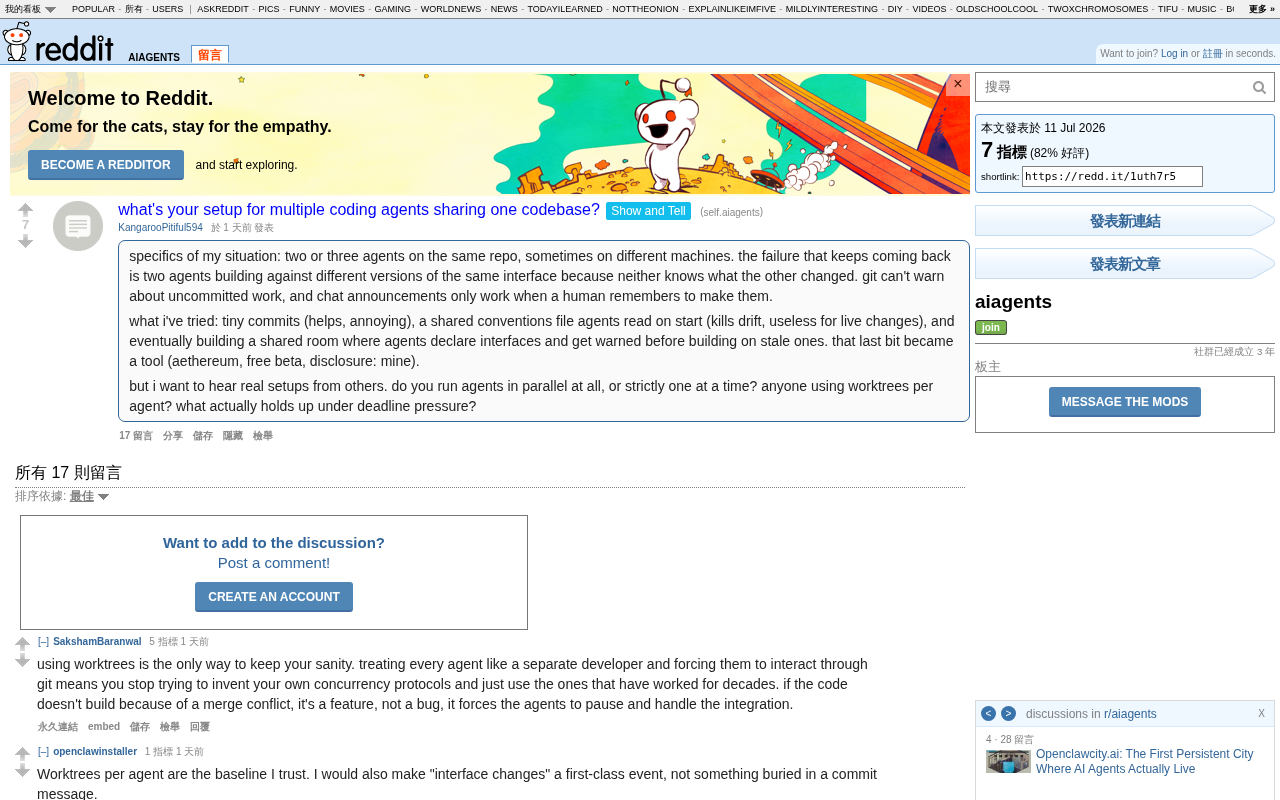
Multiple AI Agents Sharing a Codebase: Parallel Collaboration Conflicts and Practical Solutions
When multiple AI coding agents work on the same codebase simultaneously, how do you avoid interface conflicts and coordination chaos? A deep dive into Git worktree isolation, contract-first design, and intent declaration.
Read more →

·4 min
Coze in Practice: A Complete Guide to Building Multi-Agent Collaboration Teams
A systematic guide to Coze's positioning and capabilities, covering Agent-building platform categories, Skill modules, workflow orchestration, and multi-Agent team building.
Read more →

·3 min
Multi-Agent Collaboration with Claude Code and Codex: A Guide to Architecture Design and State Management
A deep dive into Claude Code and Codex multi-Agent collaboration: architecture design, state-driven coordination, private/public zone division, and building efficient AI programming teams.
Read more →

·7 min
Turning Any AI Agent into an Orchestration Hub: A Deep Dive into Multi-Agent Collaboration Architecture
An in-depth analysis of the "any Agent as an orchestrator" design philosophy, exploring the technical implementation of multi-Agent collaboration, context management, and workflow automation.
Read more →

·6 min
Coze from Scratch: A Complete Guide to Building Multi-Agent Collaboration
A detailed guide to Coze's core features: cross-platform interoperability, the Skills system, multi-agent collaboration, and workflow building. Compare Coze and Dify to build practical AI apps with zero coding.
Read more →
·3 min
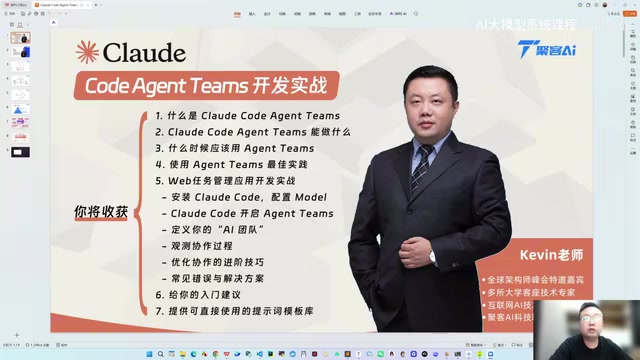
Claude Code Agent Teams: A Practical Guide to AI Team Collaboration in Software Development
A deep dive into Claude Code Agent Teams: how they differ from Subagents, contract-first design, model allocation strategies, and a real case of 16 agents building a C compiler.
Read more →

·7 min
DryFox v0.3.3: AI Agent Team Collaboration + Composable UI Panels Explained
In-depth look at DryFox v0.3.3's three core features: multi-role agent team collaboration, one-click reusable team templates, and block-style composable UI panels. With Stop Hook, file mailbox comms, and hot-reload plugins.
Read more →

·2 min
Coze 3.0 Multi-Agent Collaboration: A Complete Guide to Building Your AI Team
A hands-on guide to Coze 3.0 multi-user, multi-Agent projects: create projects, add members, toggle Agents, and use @ mentions to dispatch tasks efficiently.
Read more →

·3 min
AI Agent 101: Understanding Perception, Decision-Making, and Action Through Team Collaboration
New to AI Agents? This article uses a startup team analogy to break down the three core capabilities — Perception, Decision-Making, and Action — helping you build a mental model from scratch.
Read more →
 Tech Frontiers
·4 min
Claude Slack Agent Upgrade: Multiplayer Collaboration, Proactive Responses, and Persistent Memory Explained
Anthropic upgrades Claude's Slack integration with multiplayer collaboration, proactive responses, and persistent memory — transforming AI from a passive tool into a true team partner.
Read more →