#non-technical AI guide
158 related articles
 Deep Dives
·4 min
Can AI Agents Replace a Development Team? A Practical Guide for Non-Technical People
Can non-technical people use AI Agents to build virtual dev teams? From CEO Agent to Developer Agent, we analyze the theory vs. reality and offer a practical implementation guide.
Read more →

·4 min
Self-Contained Portable Python Distributions: Saying Goodbye to Environment Configuration Nightmares
Deep dive into self-contained portable Python distributions: how python-build-standalone uses static linking and path relocation for zero-dependency deployment, and how modern tools like uv leverage this technology.
Read more →
·6 min
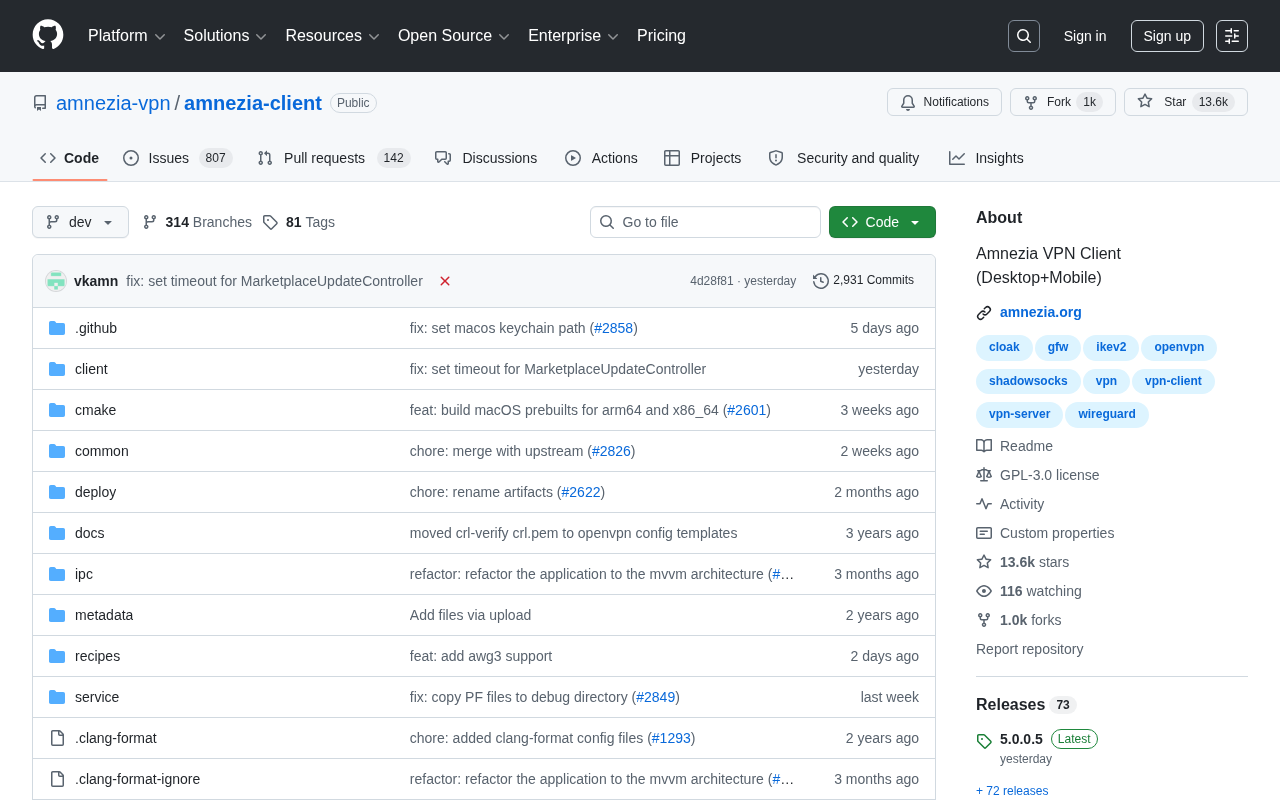
AmneziaVPN Deep Dive: The Open-Source Powerhouse for Self-Hosted, Censorship-Resistant VPN
Deep dive into the AmneziaVPN open-source client: AmneziaWG anti-DPI obfuscation, self-hosted VPS deployment, multi-protocol support, and cross-platform privacy.
Read more →

·4 min
GenAI Job Interview Gone Wrong: Interviewer Googles Gemini for Questions on the Spot — What's Broken in AI Hiring?
A fresh grad interviewing for a GenAI Trainer role faced prime number coding and activation function questions while the interviewer used Gemini to generate questions live — exposing AI hiring chaos.
Read more →

·5 min
From Chat to Agent: Automating Your Entire Business Workflow with AI Agents
Veteran AI practitioner Remy breaks down the leap from chat models to AI agents: how agents work, the three pillars of context, tools, and skills, MCP connections, and hands-on architecture to make you a 100x employee.
Read more →
·3 min
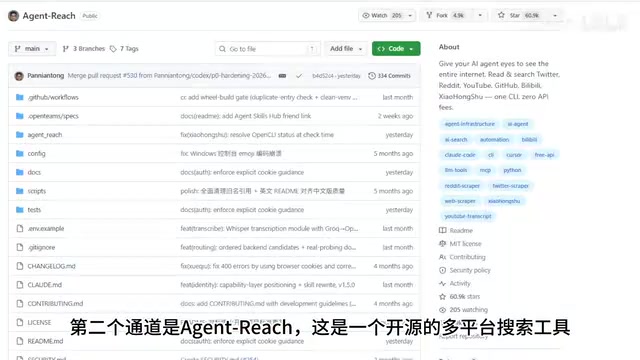
Open-Source Automated News Briefing Generator: A Zero-Technical-Barrier AI Deployment Analysis
An open-source automated news briefing system. No coding needed—just let an AI read the project docs to complete the entire deployment. Six-stage pipeline, four-channel search covering 16+ platforms, smart classification and dedup, daily auto-push to Feishu, completely free.
Read more →

·3 min
Open-Source Newsletter Auto-Generation System: A No-Code AI Deployment Breakdown
An open-source newsletter auto-generation system requiring no coding—just have AI read the project docs to complete deployment. Six-stage pipeline, four-channel search covering 16+ platforms, smart classification & deduplication. Completely free.
Read more →

·2 min
Harness Engineering: An Advanced Methodology for Programmers to Master AI Coding
From prompt engineering to context engineering to Harness engineering, this article breaks down the three evolutions of AI coding and offers engineering solutions to pain points like hallucinations, non-standard code, and infinite loops.
Read more →

·2 min
Harness Engineering: The Core Methodology for Enterprise-Grade AI Coding
From prompt engineering to Harness Engineering: a deep dive into the three-stage evolution of AI coding. Learn how enterprises use engineering frameworks to harness LLMs and ship production-ready code.
Read more →

·2 min
Becoming a Computer Whiz: The Three-Stage Training Method from Beginner to Breakthrough
Why do some still feel lost after 4 years of coding? Break down the three-stage computer learning method: build fundamentals, pick a direction, learn by doing.
Read more →

·2 min
Three Flow Control Nodes in Dify Workflows: Question Classifier, Conditional Branch, and Human-in-the-Loop Explained
An in-depth look at three core flow control nodes in Dify workflows: the Question Classifier for intelligent LLM-based routing, the Conditional Branch for precise if-else logic, and Human-in-the-Loop for high-risk confirmation checkpoints.
Read more →

·4 min
Vibe Coding vs. AI-Assisted Engineering: An In-Depth Look at Enterprise-Level Development
Can AI coding tools let non-developers replace programmers? This deep dive examines Vibe Coding's real limits, compares Claude Code vs. Codex, and reveals the methodology behind enterprise-grade AI-assisted software engineering.
Read more →

·2 min
Getting Started with Cursor: A Comprehensive Comparison of AI Coding Tools
A comprehensive comparison of Cursor, GitHub Copilot, Windsurf, Trae, and other top AI coding tools — helping developers and non-technical users choose the right AI programming assistant.
Read more →

·3 min
Dify Getting Started Guide: A Complete Walkthrough of Low-Code AI App Development
Dify is a low-code AI app platform supporting chatbots, Agents, and workflows. Compatible with DeepSeek, ChatGPT, and more. Learn cloud and local deployment options.
Read more →

·6 min
The Complete Codex Guide: From Beginner to Pro with the All-in-One AI Assistant
OpenAI Codex is more than a coding tool—it's an AI agent that writes code, makes slides, and operates browsers. This guide covers its four versions, permission modes, plugins, automation, and six best practices.
Read more →

·3 min
Dify 1.8 Complete Beginner's Guide: Build 20+ AI Apps Fast
A complete Dify 1.8 guide covering 3 deployment methods (Docker/cloud/source), MySQL integration, 5 app types (Chatbot/Agent/Workflow), model selection, and publishing strategies.
Read more →

·3 min
Dify 1.8.0 Deployment Guide: Build AI Apps Without Writing Code
A complete guide to deploying Dify 1.8.0: Docker setup, environment config, five app types explained, and workflow-building tips for beginners.
Read more →

·4 min
Microsoft Dataverse Plugin for Coding Agents: Natural Language-Driven Enterprise Low-Code Development
Microsoft Power Platform's Dataverse plugin for coding agents supports GitHub Copilot, Claude Code, and more — enabling natural language data modeling, queries, security config, and docs generation.
Read more →

·2 min
How to Choose Long-Horizon AI Workflow Tools? A Deep Comparison and Decision Framework for Leading Agent Solutions
Why do chatbots fail at long-horizon workflows? We compare Manus, Perplexity Comet, Claude, ChatGPT and more across task type, total cost, and automation level.
Read more →

·3 min
Codex in Action: A Complete Guide to Building a WeChat Mini Program with AI — No Coding Experience Required
A complete walkthrough of building and launching a WeChat Mini Program using OpenAI Codex and ChatGPT — from AI prototyping to ICP filing. MVP delivered in 5 days, no coding required.
Read more →