#self-hosted LLM
141 related articles

·3 min
Open Source Technical Writing in Practice: A Deep Dive into LibreOffice Documentation Collaboration
A deep dive into LibreOffice's open source documentation workflow — covering volunteer writing models, style standards, and how to lower barriers to contribution.
Read more →
·3 min
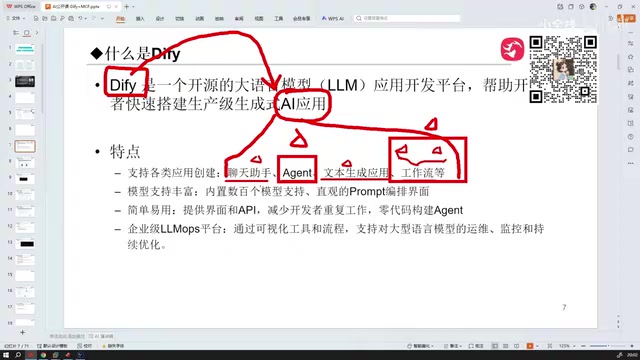
Getting Started with Dify: A Complete Guide to Building Enterprise-Grade AI Apps with Low-Code
A complete guide to Dify, the low-code AI app platform: five app types, multi-model setup, Docker deployment, and enterprise data security. Build LLM-powered workflows and Agents at minimal cost.
Read more →

·4 min
Can Local Models Replace Cloud AI? Five Key Questions That Determine Success or Failure
71% of ChatGPT queries can be handled by local models — but "going local" isn't a one-step move. This guide breaks down the three tiers of local models, license traps, deployment methods, and cost logic to help you find the optimal routing strategy between local and cloud AI.
Read more →

·2 min
QuantaMind: An Open-Source Tool for Testing AI Agent Reliability Locally
QuantaMind is a free, open-source local AI Agent reliability testing tool using pass^k scoring and deterministic evaluation, supporting Ollama, llama.cpp, vLLM, and more.
Read more →

·2 min
Production LLM Deployment Guide: Model Selection, GPU Configuration, and Inference Engine Breakdown
A comprehensive decision framework for production LLM deployment: model selection (open-source vs. API), GPU VRAM configuration, and inference engine comparison including vLLM and TensorRT-LLM.
Read more →

·2 min
Hombre: An Open-Source Visual Dashboard for Honcho AI Memory Server
Hombre is an open-source web GUI for self-hosted Honcho AI memory servers. Features workspace management, semantic search, real-time sync, and RBAC — built with FastAPI and native frontend, MIT licensed, Docker-ready.
Read more →

·2 min
Pylva: An Open-Source Usage Billing Platform Built for AI Agents
Pylva is an open-source, self-hosted AI Agent billing engine with full usage tracking, flexible per-customer billing rules, and automated invoicing. A deep dive into its features and the economics of the Agent era.
Read more →

·4 min
TigrimOSR: An Open-Source Agent Framework in Rust with Configurable Agent Loops
TigrimOSR is an open-source multi-agent system written in Rust, supporting full agent loop definition via YAML config files with only 250MB memory usage. A deep dive into Loop Engineering, Rust advantages, and self-hosted Agentic AI.
Read more →

·3 min
Enterprise AI Evaluation Tools: An In-Depth Comparison of Six Leading Platforms
An in-depth comparison of five AI evaluation tools—Arize, Braintrust, Confident AI, Langfuse, and LangSmith—across governance, framework lock-in, and evaluation vs. monitoring.
Read more →

·3 min
Getting Started with n8n: A Deep Dive into the Open-Source AI Workflow Automation Platform
A comprehensive look at n8n, the open-source workflow automation platform: core features, 500+ node ecosystem, AI Agent and RAG integration, plus a fast learning path.
Read more →

·6 min
The Eight-Step Method for Agent Development: A Practical Path from Pitfalls to Production
Many enterprises fail at AI Agents due to choosing the wrong tools and lacking methodology. This article outlines an eight-step Agent development method—from cognitive foundations, scenario selection, hand-writing ReAct, and structured output to Tool Use, RAG, evaluation sets, and production fallback.
Read more →

·5 min
DCTS: A Deep Dive into an Open-Source Self-Hosted E2EE Encrypted Communication Platform
DCTS is an open-source, self-hosted instant messaging platform led by an individual developer, integrating E2EE and decentralized architecture across desktop and mobile.
Read more →

·3 min
The Complete AI Agent Development Workflow: A Seven-Step Guide from Requirements Analysis to Deployment
Want to build an AI Agent but don't know where to start? This guide covers the complete seven-step workflow—from requirements analysis, platform selection, prompt engineering, data storage, and UI building to testing and deployment.
Read more →

·4 min
AI Agents Powering the Full Research Pipeline: A Practical Guide to Automation from Topic Selection to Publication
Learn how to use AI Agents to link the entire research pipeline—from literature management, data analysis, and paper writing to scientific illustration and dissemination—building a reusable research automation workflow with NotebookLM, N8N, and Ollama.
Read more →
·7 min
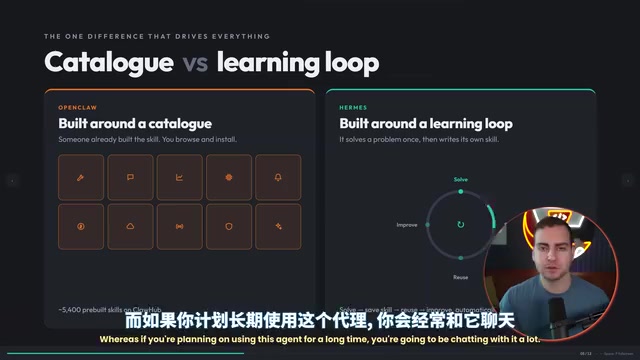
OpenClaw vs Hermes: An In-Depth Comparison and Selection Guide for AI Agent Tools
An in-depth comparison of OpenClaw and Hermes Agent, covering skill management, memory mechanisms, security, and gateway configuration to help you find the right AI agent solution.
Read more →

·4 min
AI Persistent Memory Three-Layer Architecture Explained: In-Depth Comparison of Mem0, Zep, and ContextNest
Deep dive into the three-layer architecture of AI persistent memory systems—storage, management, and retrieval—with an in-depth comparison of Mem0, Zep, and ContextNest to help developers choose the right memory solution for AI Agents.
Read more →

·4 min
How Background AI Agents Can Automatically Maintain All Your Repositories on a Schedule
OpenInspect's Multi-Repo Automations lets AI coding agents maintain up to 10 repositories on a schedule simultaneously — isolated sessions, independent PRs, and fault-tolerant execution for security sweeps, dependency upgrades, and framework migrations.
Read more →
·2 min
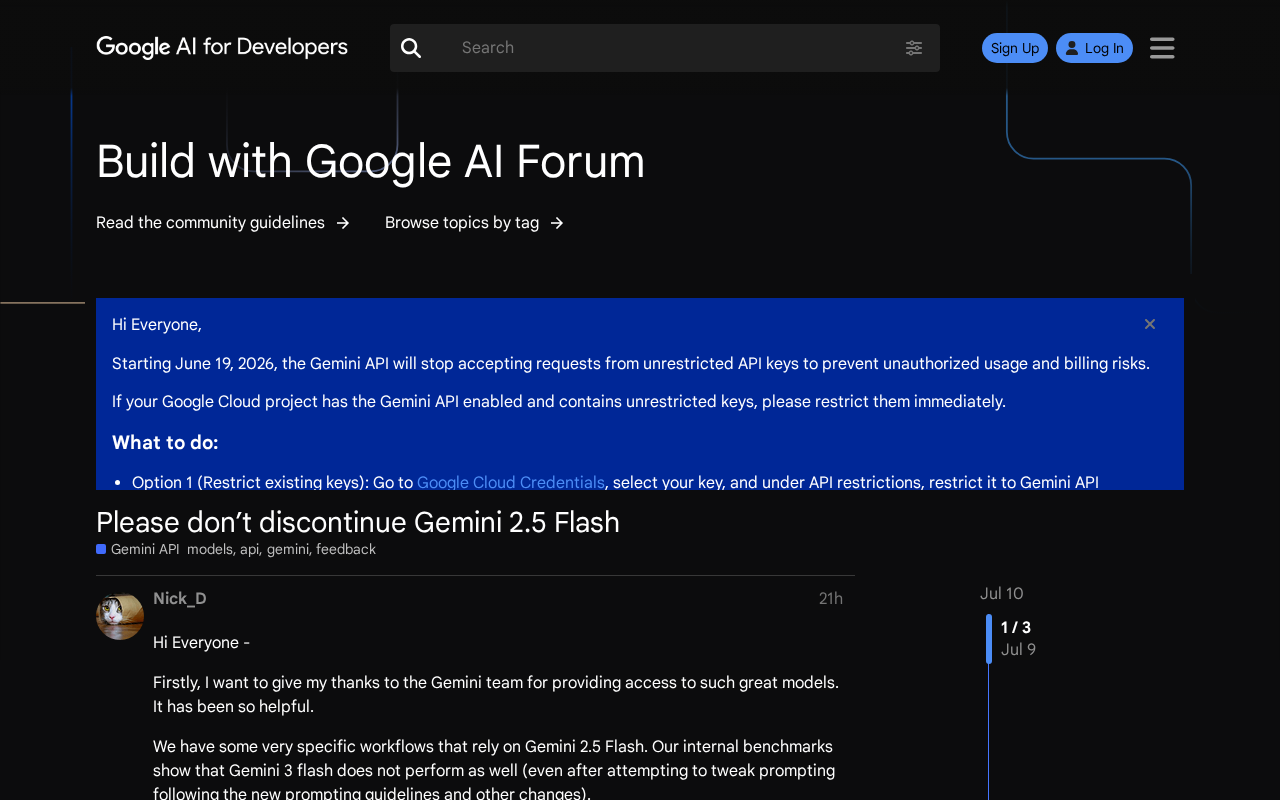
Developers Petition to Keep Gemini 2.5 Flash: The Production Crisis Behind Model Deprecations
Developers on Hacker News push back against Gemini 2.5 Flash's deprecation. We explore why stable, low-cost AI models are critical for production and how to build defensive strategies against cloud model churn.
Read more →

·5 min
GLM-5.2 Hands-On Review: A 753B-Parameter Open Model That Beats GPT and Claude on Value
In-depth hands-on review of Zhipu AI's flagship GLM-5.2: a 1M-token context window and API pricing just one-fifth of GPT/Claude. Covers website building, Chrome extensions, 3D game cloning, and agentic workflows.
Read more →

·6 min
GPT-5.6 Now Widely Available: The Era of Three-Tier Models and Multi-Agent Orchestration Arrives
OpenAI releases GPT-5.6 (SOUL/TERRA/LUNA), with Ultra mode running four agents in parallel; Meta launches Muse Spark 1.1 with million-token context; ChatGPT desktop unifies Chat, Work, and Codex.
Read more →