#text generation
7204 related articles

·3 min
DiffusionGemma Explained: Google Reimagines Text Generation with Diffusion Models
Deep dive into Google's DiffusionGemma technical report: how diffusion language models overcome autoregressive limitations with parallel decoding, global planning, and controllable text generation.
Read more →

·2 min
Tencent Open-Sources Hy3D WorldClaw: Text-to-Explorable 3D Open World Generation
Tencent's Hunyuan team open-sources Hy3D WorldClaw, generating large-scale explorable 3D worlds from text via agentic workflows, outputting editable game-ready mesh assets.
Read more →
 Tech Frontiers
·2 min
Gemini Omni Video Generation: One-Click Synthesis from Mixed Text, Image, and Video Inputs
Detailed guide to Google Gemini Omni's multimodal video generation: mix text, images, and video inputs to synthesize coherent 10-second videos with one click.
Read more →

·4 min
Transitioning to AI Agent Development: A Complete Three-Stage Learning Path for Programmers
Why do programmers keep failing at AI Agent development? This guide breaks down a 3-stage learning path: ReAct & Tool Calling fundamentals, LangChain engineering, and production-grade project delivery.
Read more →

·3 min
Getting Started with Agent Skills: A Complete Guide from Prompts to Intelligent Skills
Deep dive into AI Agent Skills' four components (skill.md, references, scripts, assets), explaining how Skills differ from prompts and how to build reusable intelligent skill systems.
Read more →

·3 min
Codex Beginner's Guide: Installation, Configuration & Connecting Chinese LLM APIs
Complete guide to installing OpenAI Codex, how it differs from Claude Code, and how to connect Chinese LLMs like DeepSeek via API keys with full setup steps and limitations.
Read more →

·3 min
Andrew Ng's RAG Practical Course: A Complete Guide from Basic Retrieval Augmented Generation to Agentic RAG
Deep analysis of Andrew Ng's latest DeepLearning.AI RAG course covering retrieval augmented generation fundamentals, vector databases, document chunking, Agentic RAG architecture, and production system evaluation.
Read more →

·4 min
AI Large Language Model Learning Roadmap for Beginners: From Transformer Principles to Project Practice
A complete learning roadmap for beginners to systematically study AI large language models, covering Transformer principles, Prompt Engineering, RAG, Agent, fine-tuning, and enterprise projects.
Read more →

·4 min
AI Agents Activate the Edge Device Market: A $15 Trillion New Blue Ocean
AI evolves from tool to productivity core as inference compute outpaces training. AMD and Galaxy Securities experts decode the $15T AI terminal market opportunity across agent hosts, AI glasses, and robots.
Read more →

·3 min
4 Major Pitfalls in AI Agent Development: Tool Descriptions, ReAct Reasoning, Context Loss & RAG Optimization Practical Guide
Deep dive into 4 common AI Agent pitfalls: tool descriptions, ReAct reasoning constraints, multi-step context loss, and RAG optimization with reusable solutions.
Read more →
·3 min
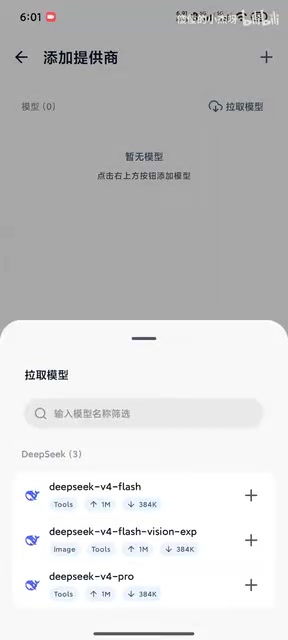
AiCode Hands-On Review: A Complete Guide to the Open-Source AI Coding Tool for Android
Hands-on review of AiCode, an open-source Android AI coding tool covering API provider setup, container environments, MCP protocol, Token cost tracking, and Git management.
Read more →

·3 min
The Shoggoth Metaphor: Deep Anxieties and Reflections on AI Alignment
The Shoggoth metaphor compares LLMs to Cthulhu monsters wearing smiley masks, revealing core AI alignment challenges. Explore this AI cultural symbol's origins and its implications for RLHF limitations and the capability-understanding gap.
Read more →

·3 min
Asimov's 'The Feeling of Power': A Sci-Fi Story That Predicted AI-Driven Skill Atrophy
Revisiting Asimov's 1958 story 'The Feeling of Power' and its eerily accurate prediction of AI-driven skill atrophy as humans outsource coding, writing, and thinking to machines.
Read more →

·3 min
Screenify Studio: Using Natural Language to Drive AI-Automated Product Demo Recording
Screenify Studio is a Mac AI screen recording tool that lets you describe demo flows in natural language, then AI agents automatically record and add cinematic 3D effects for professional product demos.
Read more →

·3 min
Vibe Coding in Practice: The Four Core Competency Pillars for Delivering Projects with AI Programming
Why can't you deliver projects after a year of learning AI programming? This article breaks down Vibe Coding's four core modules: paradigm cognitive reconstruction, open source adaptation, SDD, and rule constraints.
Read more →
·3 min
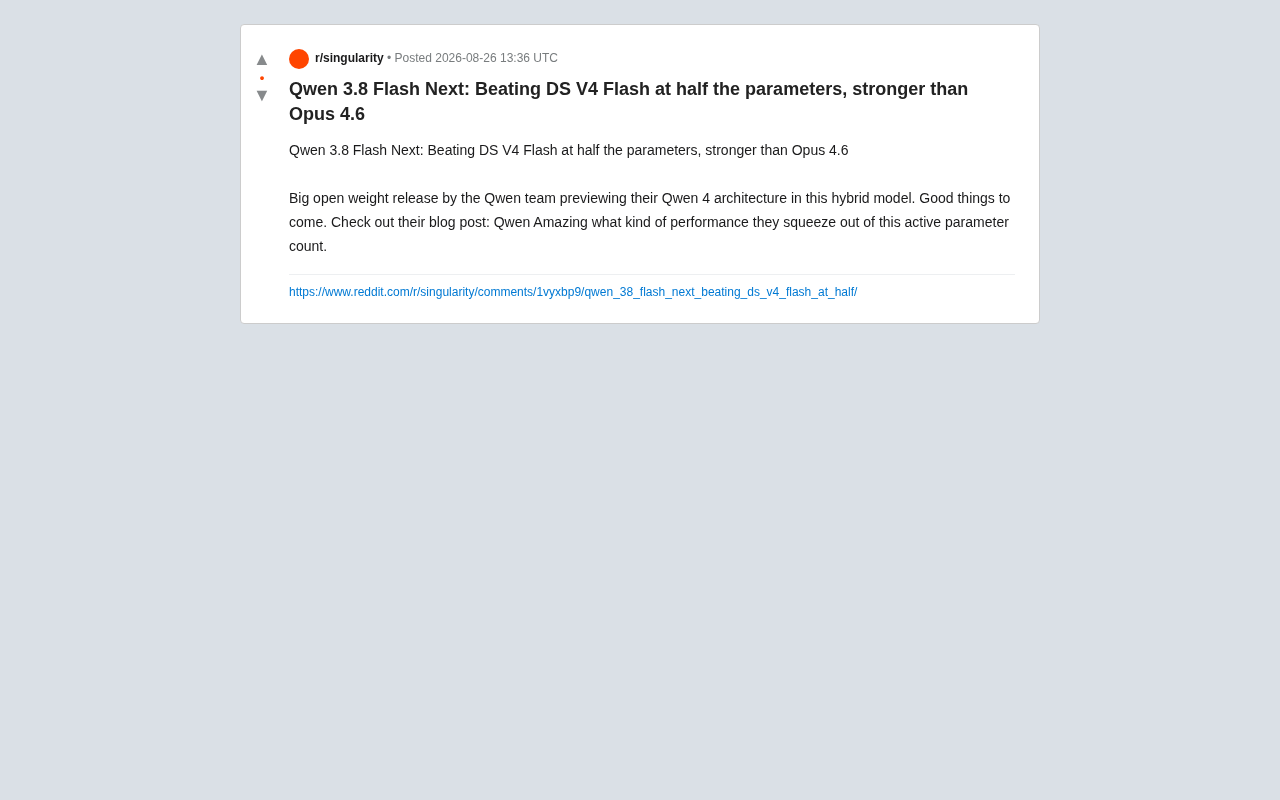
Qwen 3.8 Flash Next Deep Dive: A Hybrid Architecture That Surpasses DeepSeek V4 with Half the Active Parameters
Deep analysis of Qwen 3.8 Flash Next: how its hybrid architecture surpasses DeepSeek V4 Flash with half the active parameters, its deployment value, and what it signals for Qwen 4.
Read more →
·2 min
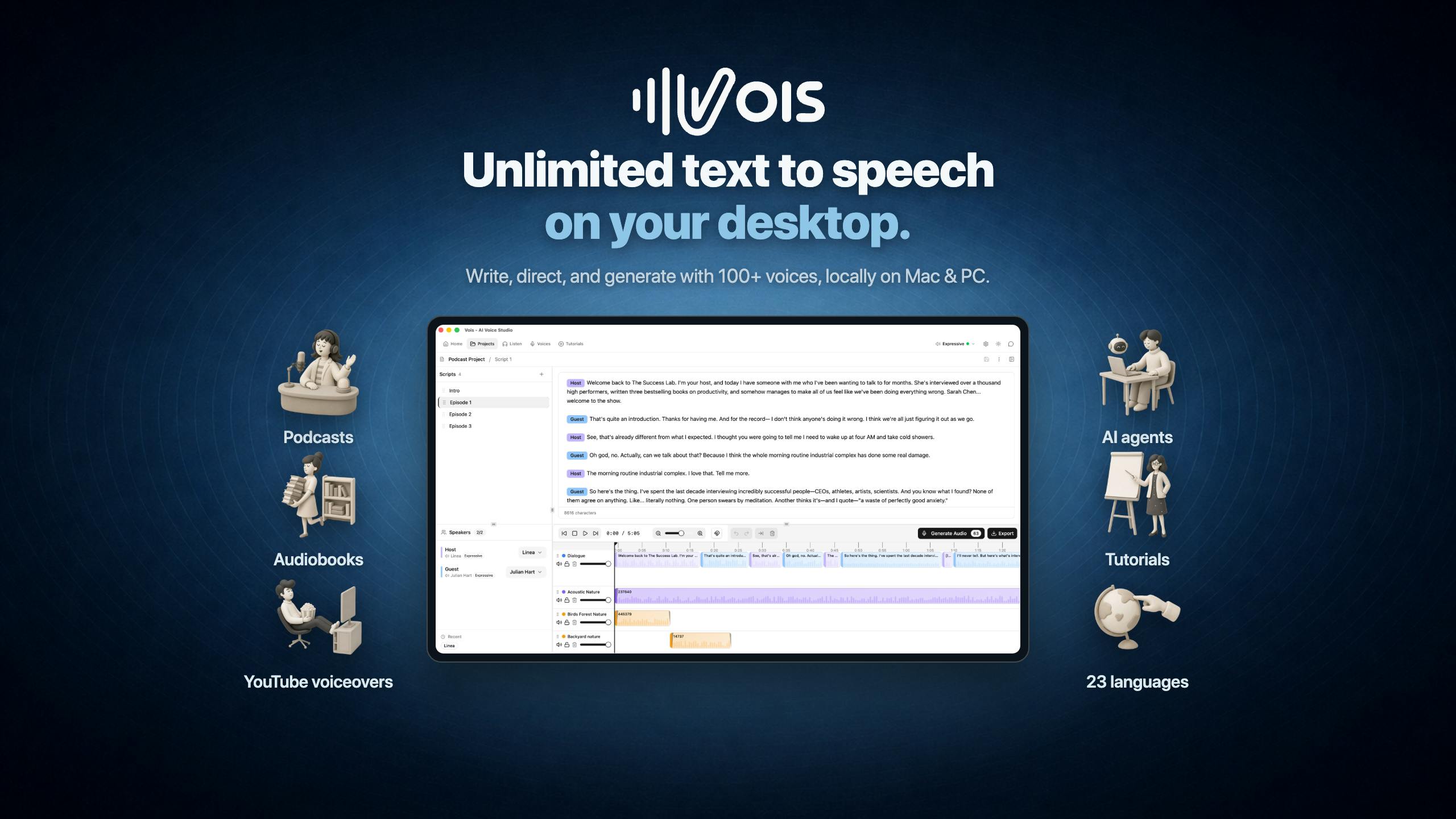
Vois 2.0 Review: Unlimited Voice Synthesis for $10/Month — Can It Replace ElevenLabs?
Vois 2.0 is a desktop AI voice synthesis tool offering unlimited generation with no per-character fees, 100+ voices, voice cloning, multi-speaker timeline, and 600+ languages for $10/month.
Read more →

·3 min
Cursor Launches Origin Code Hosting Platform: AI Editor Evolves Into a Full-Cycle Development Platform
Cursor launches its self-developed code hosting platform Origin, evolving from an AI editor to a full-cycle development platform. Analysis of its competition with GitHub, data security, and developer ecosystem impact.
Read more →

·2 min
Deep Dive into Antigravity 3.1 Pro's Logic Flaws and Fake Calculation Issues
Analyzing Antigravity 3.1 Pro's reported logic flaws and fake calculation issues, exploring why LLMs struggle with precise computation, and offering practical cross-validation strategies.
Read more →

·1 min
Gemini 3.5 Transcribe: A Comprehensive Look at Google's Intelligent Speech Transcription Model
An in-depth look at Google's Gemini 3.5 Transcribe speech-to-text model, covering its intelligent transcription, precision capabilities, and applications in meetings, subtitles, and customer service.
Read more →