#virtual writing
1406 related articles

·3 min
Getting Started with Agent Skills: A Complete Guide from Prompts to Intelligent Skills
Deep dive into AI Agent Skills' four components (skill.md, references, scripts, assets), explaining how Skills differ from prompts and how to build reusable intelligent skill systems.
Read more →

·4 min
A Beginner's Guide to AI Economics Research: A Systematic Roadmap for Economics PhD Students
How should economics PhD students systematically enter the vast field of AI economics? This guide maps four research threads, literature methods, and technical priorities for building expertise.
Read more →
·3 min
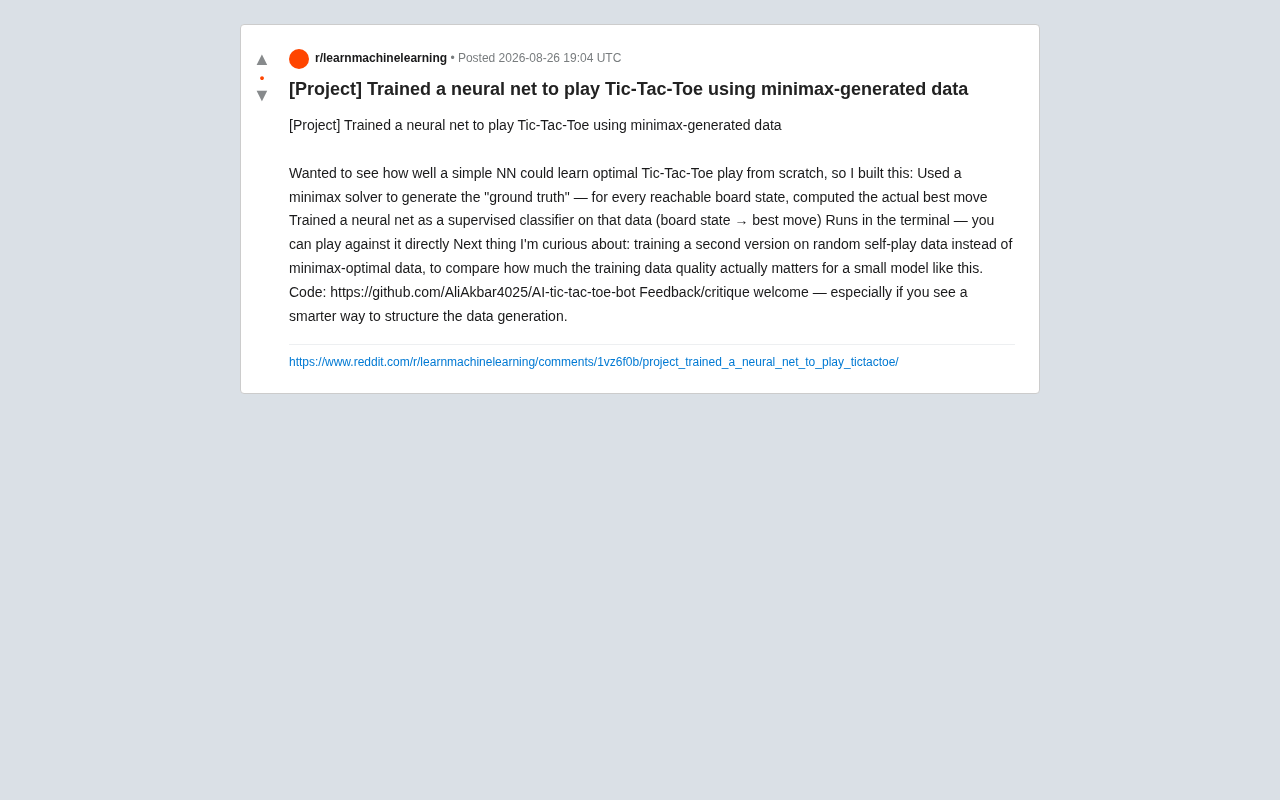
Training a Neural Network to Play Tic-Tac-Toe with Minimax Data: A Data Quality Experiment
Explore how Minimax-generated optimal data trains a neural network to play Tic-Tac-Toe. This article covers knowledge distillation, supervised learning modeling, and how data quality critically impacts small model performance.
Read more →

·4 min
AI Risks Are Real but Manageable: A Pragmatic Guide to Addressing Artificial Intelligence Challenges
AI risks are real but manageable. This guide analyzes short-term risks, long-term risks, and governance pathways for pragmatically addressing AI challenges without blind optimism or excessive panic.
Read more →
·3 min
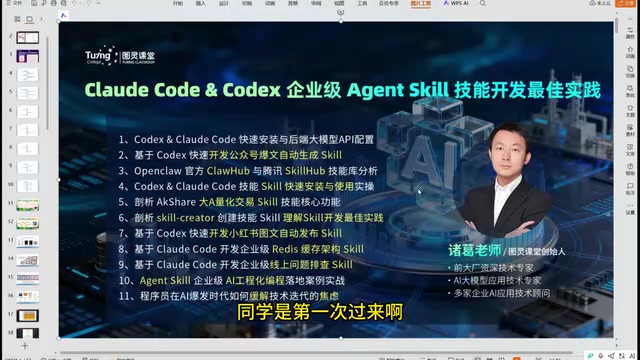
Claude Code Skills in Practice: A Progressive Guide to AI Programming from Writing Code to Writing Skills
A practical guide to Claude Code Skills development covering the three-level progression path, Codex vs Claude Code selection strategy, and enterprise secondary development techniques.
Read more →
·4 min
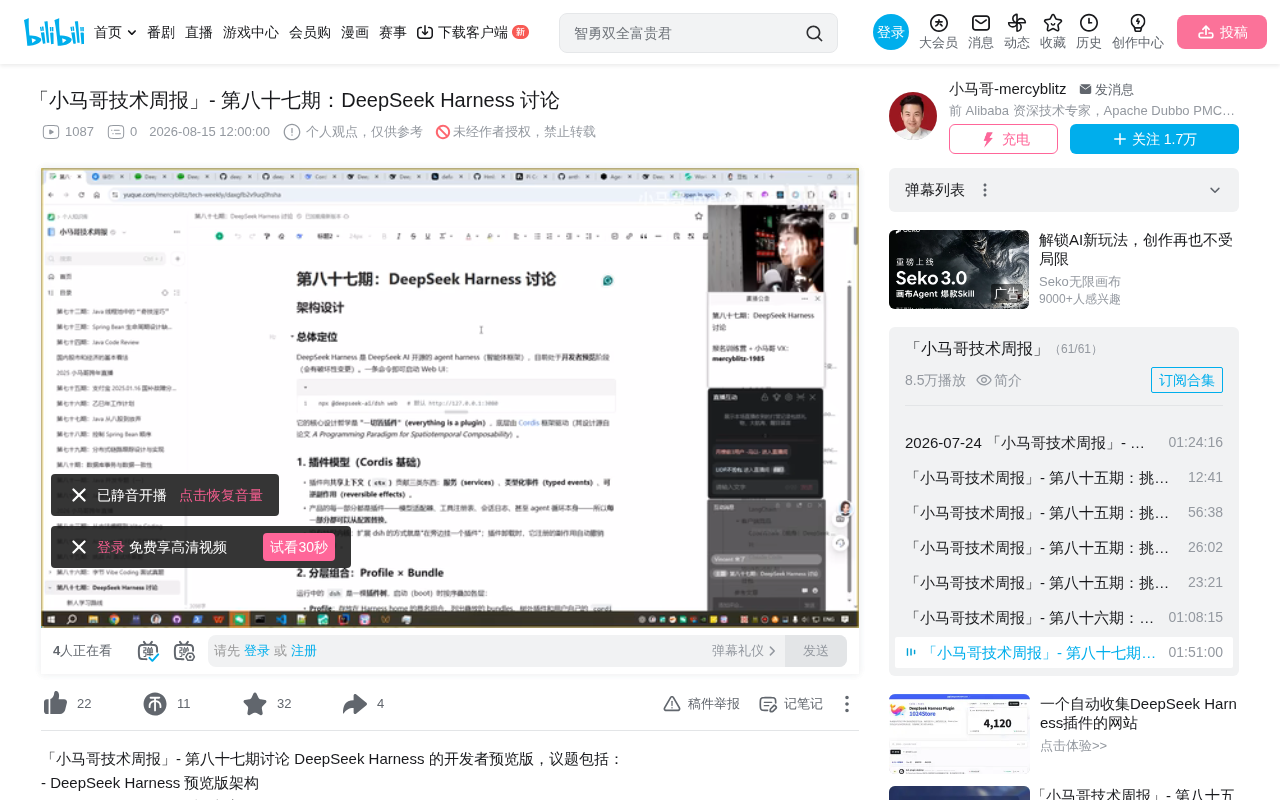
Deep Dive into DeepSeek Harness: Old Patterns, New Ecosystem
A deep analysis of DeepSeek Harness Agent framework from a software engineering perspective, comparing it with Claude Code and Pi, revealing its server-side Agent positioning and TypeScript ecosystem advantages.
Read more →
·2 min
Warren: Isolated Runtime Infrastructure Built for AI Coding Agents
Warren is an open-source infrastructure project providing isolated workspaces, resource limits, real-time observability, and Git delivery for AI coding agents running securely in your own environment.
Read more →

·2 min
Lore Machine: An AI-Powered World-Building Platform and Multimedia Narrative Tool for Independent Creators
Lore Machine is an AI-powered platform for world builders, transforming text into immersive multimedia narratives with ticketed monetization for independent creators.
Read more →

·4 min
BaudBuddy: A Native macOS Serial Terminal with Built-in File Server for Embedded Debugging
BaudBuddy is a native macOS serial terminal for hardware developers, supporting Serial, BLE, Telnet, and RFC 2217, with built-in TFTP/HTTP/FTP file servers for firmware transfers — no account, no tracking, fully local.
Read more →

·2 min
Qencode MCP: Using Natural Language to Drive AI-Powered Video Transcoding and Processing
Qencode MCP integrates cloud video processing into the AI Agent ecosystem via Model Context Protocol, enabling natural language-driven video transcoding, analysis, editing, optimization, and delivery.
Read more →

·3 min
$60 Billion to Acquire Cursor? Unpacking the Industry Logic Behind Musk's AI Coding Gamble
SpaceX reportedly acquires AI coding tool Cursor for $60B. This article analyzes the industry logic: why AI coding is a strategic battleground, the evolution from models to agents, and the dual ambitions of compute and commercialization.
Read more →

·3 min
Casey Muratori on the Root of All Evil: The Deep Causes of the Software Performance Crisis
Casey Muratori's BSC 2026 talk explores how "premature optimization is the root of all evil" has been misused industry-wide, and why data-oriented design is key to solving the software performance crisis.
Read more →

·1 min
OpenTrade: A Deep Dive into the Open-Source Framework That Lets Claude Code Trade Automatically
OpenTrade is an open-source trading framework for Claude Code and Codex that enables AI Agent stock trading via Robinhood MCP. Learn about its features, guardrails, and risks.
Read more →

·3 min
Claude Watermark: One-Click Removal of Invisible Traces in AI-Generated Text
Claude Watermark is a free, open-source tool that detects and removes invisible traces in AI-generated text — zero-width characters, hidden HTML classes, unusual spaces, and more. Runs locally, no signup needed.
Read more →

·3 min
Mochi: A Chrome Extension That Puts a Pixel Cat in Your Browser Tabs
Mochi is a minimalist Chrome extension that displays an animated cat on every tab. 20 cat designs, fully local, zero data collection, open source — quiet emotional companionship for your digital life.
Read more →

·3 min
Same Prompt Fed to 11 AI Models — Why Did They Produce 11 Different Answers?
Testing the same prompt across GPT, Claude, Gemini, and 11 LLMs reveals vastly different results. Learn why models differ and how to build multi-model evaluation and routing strategies.
Read more →

·3 min
How Should Developers Handle Unwarranted Criticism? A Practical Guide to Staying Focused
How should developers handle unwarranted criticism? Learn to distinguish malicious critics from genuine feedback, protect your focus, and let your work speak for itself.
Read more →

·6 min
Flask Creator's Conversation: Why We Need to Slow Down in the AI Coding Era
Flask creator Armin Ronacher and minimalist Agent Pi's author Mario Zechner discuss AI coding limitations, code quality decline, MCP vs CLI, and why engineers need to slow down.
Read more →

·4 min
AI Large Language Models + MCP Protocol: A Hands-On Tutorial for Fully Automated Unity Digital Twin Construction
Learn how AI LLMs paired with MCP servers can fully automate Unity digital twin construction without manual operations. Covers MCP setup, Claude Code integration, and auto-generated conveyor scenes.
Read more →
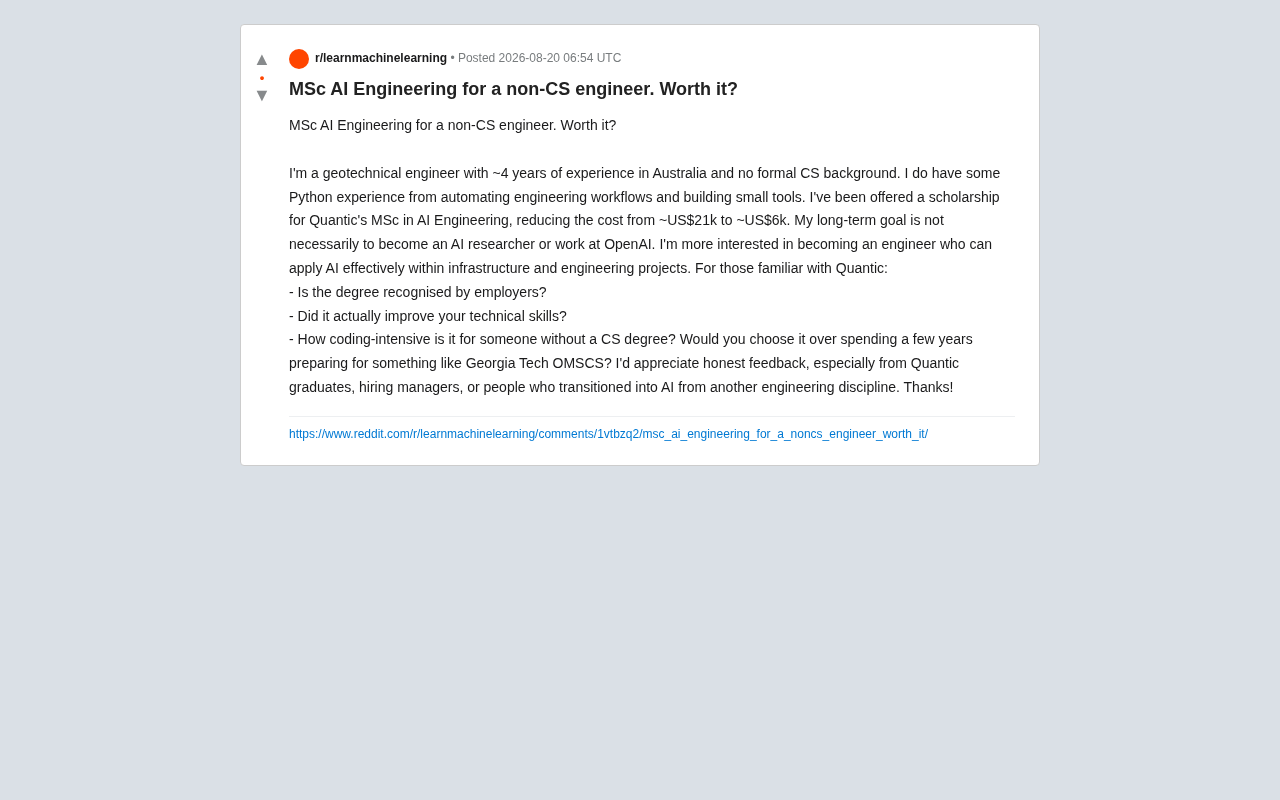
·3 min
Is an AI Master's Worth It for Non-CS Engineers? Quantic vs OMSCS Deep Comparison
Should non-CS engineers pursue an AI master's? Deep comparison of Quantic AI Engineering vs Georgia Tech OMSCS, analyzing degree recognition, programming barriers, and ROI for traditional engineers transitioning to AI.
Read more →