#visual annotation
322 related articles

·4 min
Gemini Accidentally Leaks Its Internal Reasoning Architecture: A Deep Dive into Bento Components and Knowledge Graph
An accidental prompt leak revealed the inner workings of Google Gemini's reasoning and UI rendering architecture, including Bento card components, the chameleon adaptive system, and knowledge graph entity ID retrieval.
Read more →

·5 min
Browser Use: A Deep Dive into the Event-Driven Browser AI Agent Framework
Browser Use is an open-source AI Agent framework that lets LLMs autonomously drive browser operations via natural language. This article breaks down its four-layer architecture, core Agent loop, CDP perception layer, dynamic Tools dispatch, and its Skills, Sandbox, and MCP extension capabilities.
Read more →
·4 min
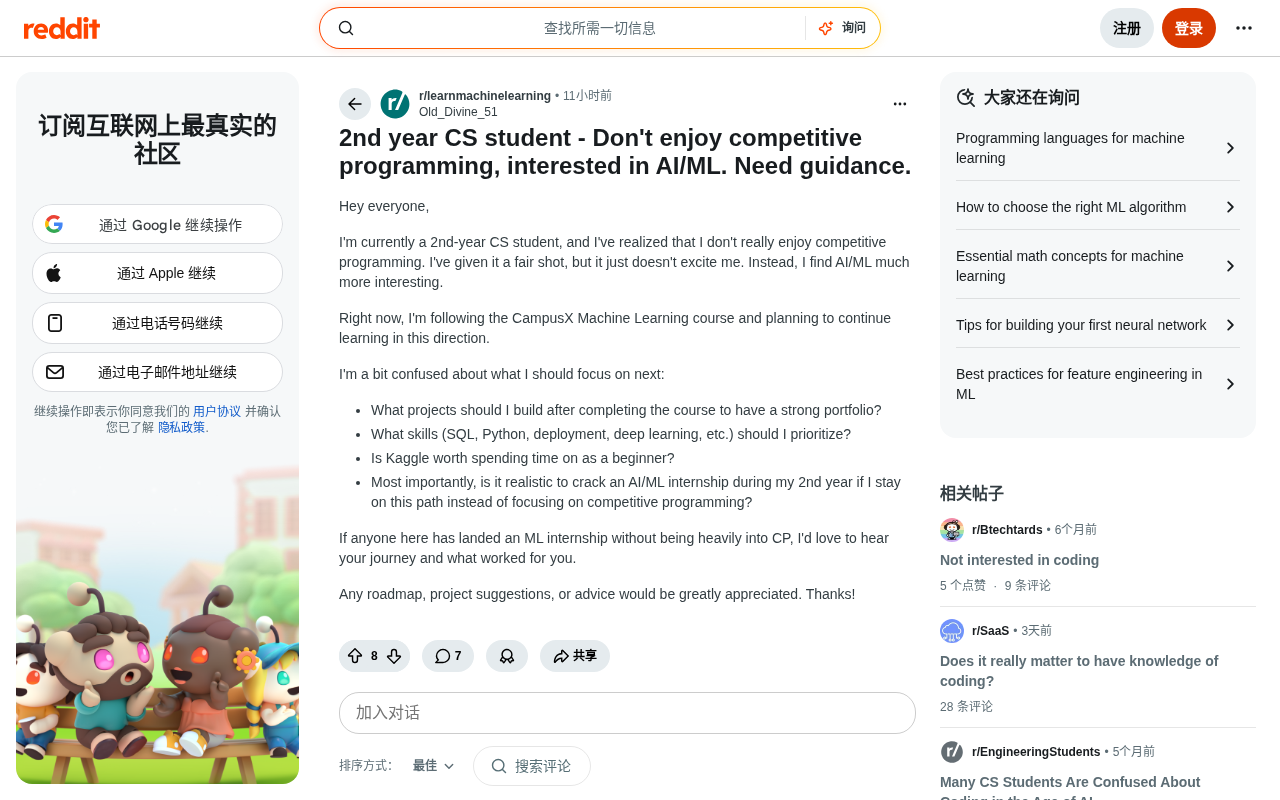
No Competitive Programming Required: How CS Students Can Pivot to AI/ML and Land Internships
How can CS students who dislike competitive programming systematically pivot to AI/ML? This guide covers skill priorities (Python/SQL/ML/deployment), portfolio strategy, Kaggle tips, and real paths to landing AI/ML internships.
Read more →

·4 min
YCloud June Update: A Deep Dive into Five Core Capability Upgrades for WhatsApp AI Agent
YCloud's latest update: AI Agent with structured messaging & self-optimizing recommendations, Inbox-Calling context coordination, Meta's official template analytics API, expanded Shopify fields, and ChatLink full-chain attribution—boosting WhatsApp marketing & service.
Read more →

·3 min
Sidenote: Annotate Rendered Pages Directly, Let LLM Auto-Generate Git Commits
Sidenote is an open-source tool that lets you annotate rendered static blog pages in natural language, with an LLM auto-locating source files and generating Git diffs.
Read more →
·4 min
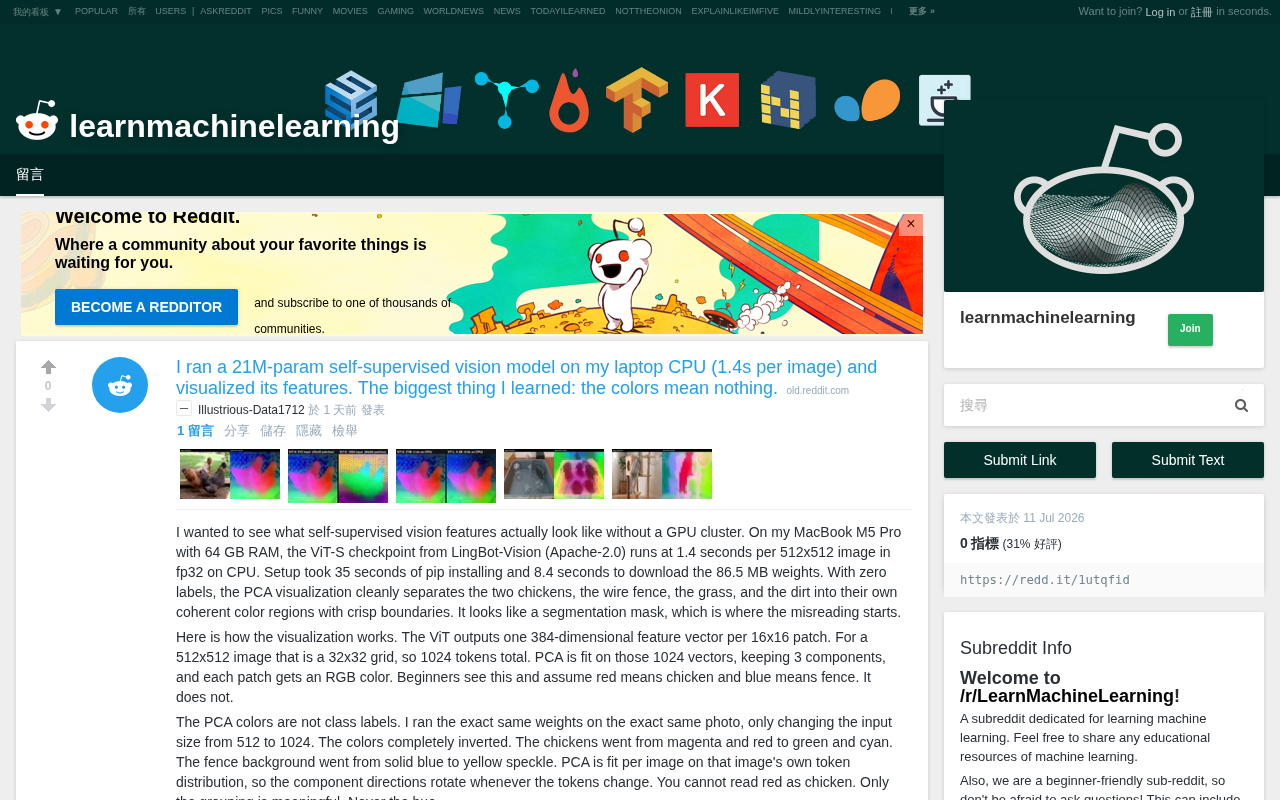
A Guide to Avoiding Pitfalls in PCA Visualization of Self-Supervised Vision Models: Why the Colors Are Meaningless
Running self-supervised vision models (SSL) on a MacBook CPU isn't hard. This article reveals the core misconception of PCA visualization through ViT-S experiments: colors can't convey semantics across images, and changing resolution reverses hues entirely.
Read more →

·2 min
Krea 2 Emotion Expression Test: Turbo vs Raw+LoRA Head-to-Head Review
An in-depth review of how Krea 2 Turbo and Raw+LoRA differ in emotional scenarios. Using a variable-controlled workflow and the same random seed, comparing 11 emotional scenarios, with auxiliary LoRA and prompt tips.
Read more →

·7 min
GPT-5.6 and Grok 4.5 Launch Simultaneously, Meta Unveils Agent-Based Image Model
OpenAI GPT-5.6 expands its preview, xAI Grok 4.5 opens access at the same time, Meta releases the Agent-based Muse Image model and Muse Video model, while Apple and DeepSeek launch in-house AI inference chip programs. A quick look at the week's five biggest AI stories.
Read more →

·4 min
AI Agents Powering the Full Research Pipeline: A Practical Guide to Automation from Topic Selection to Publication
Learn how to use AI Agents to link the entire research pipeline—from literature management, data analysis, and paper writing to scientific illustration and dissemination—building a reusable research automation workflow with NotebookLM, N8N, and Ollama.
Read more →

·6 min
1X NEO Robotic Hand and GPT-5.6: A Full Breakdown of Dual Breakthroughs in Robot Hardware and Software
1X releases a new robotic hand for the NEO humanoid robot—25 DOF, force transparency, and tactile skin enabling data self-labeling. OpenAI launches the three-tier GPT-5.6, boosting coding and cost-efficiency. Hardware and AI brains evolve together, accelerating humanoid robot commercialization.
Read more →
·5 min
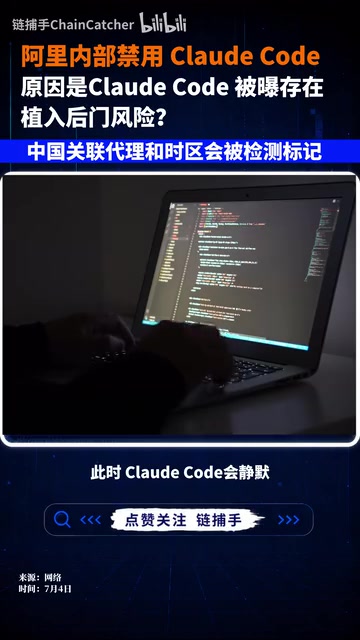
Alibaba Bans Claude Code: Invisible Fingerprints and the AI Tool Trust Crisis
Alibaba has banned Claude Code as high-risk software. Reverse engineering revealed a covert environment-identification mechanism hiding user fingerprints in punctuation via prompt steganography. A deep dive into the incident and AI tool trust.
Read more →

·4 min
433 Fitness Exercises Open-Source Dataset: Structured Fields + Animation Demos Fully Explained
GitHub trending project exercises-dataset features 433 fitness exercises with target muscles, equipment types, instructions, and animation demos—ideal for fitness apps, AI coaches, and RAG systems.
Read more →

·6 min
Grok 4.5 Coding Benchmark: A Deep Dive into Performance, Speed, and Cost
xAI releases Grok 4.5, purpose-built for coding agents. 80 TPS speed, $2/M input tokens, SWE Bench Pro score of 64.7, and 4.2x better token efficiency than Opus 4.8. A deep hands-on review.
Read more →

·4 min
Dify Getting Started: A Complete Guide to Building AI Workflows Without Code
A complete guide to Dify's core features and 1.8.0 deployment. Covers 5 app types, Docker setup, Workflow vs Chatflow differences, and RAG knowledge bases for beginners.
Read more →
·2 min
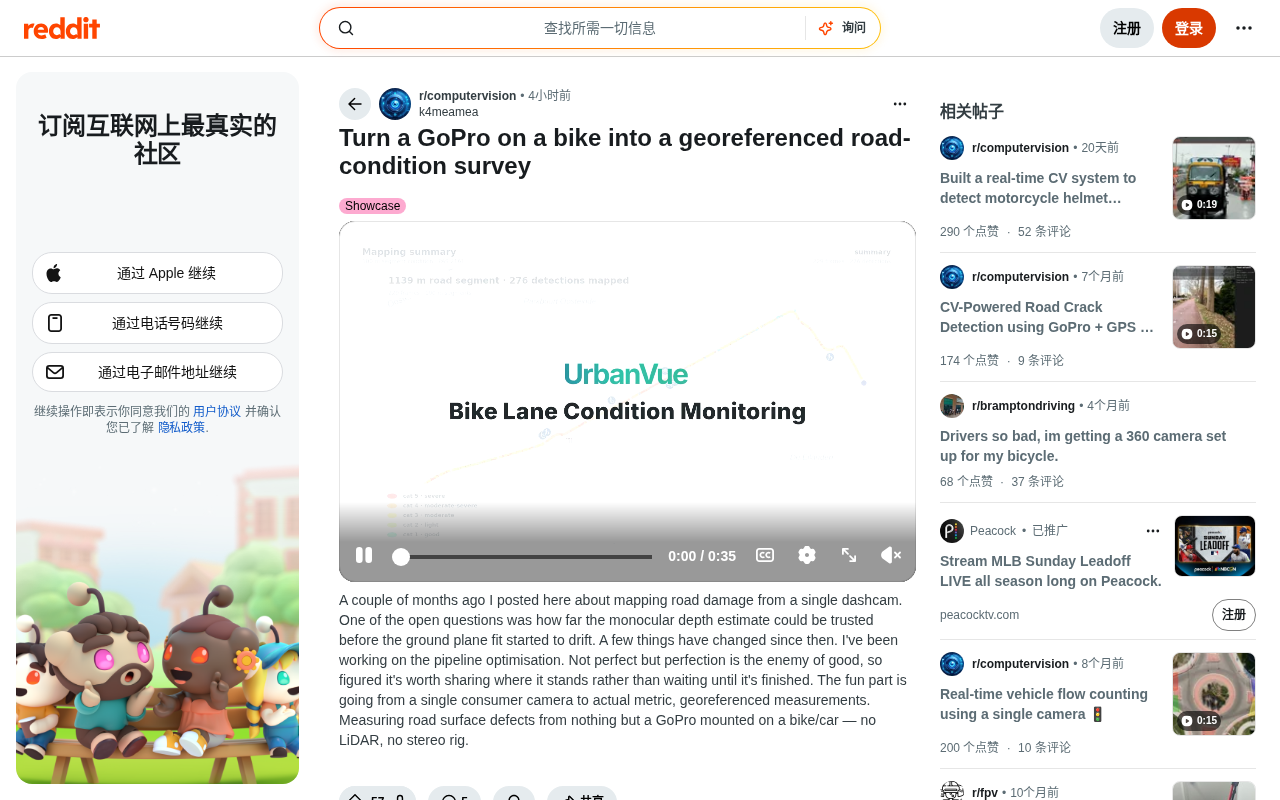
Road Damage Measurement Using Only a GoPro: A Low-Cost Inspection Solution with Monocular Cameras + AI
How can a single GoPro replace expensive LiDAR for road damage detection? This article analyzes core technologies like monocular depth estimation and ground plane fitting, exploring the feasibility and accuracy limits of georeferenced road surveying with consumer cameras.
Read more →

·2 min
Fine-Tuning PaliGemma 2 for Custom Object Detection: A Practical Guide from General to Specialized
Learn how to fine-tune Google's open-source PaliGemma 2 VLM for custom object detection. Covers model architecture, data formatting, fine-tuning strategies, and real-world value.
Read more →

·7 min
GitHub Copilot in Practice: The Capability Boundaries of AI Programming and the Irreplaceable Value of Humans
A developer's real case of building a dental clinic management system with GitHub Copilot and Azure SQL, revealing AI coding limits in cloud security config and how Human-in-the-Loop breaks through.
Read more →

·2 min
HTML Native Popover Attribute: Zero JavaScript Popover Interactions
No JavaScript needed — HTML's native popover attribute handles show, light dismiss, and Esc to close. Learn popover, popovertarget, CSS animations, and a11y support.
Read more →

·6 min
Cursor Meets Grok 4.5: A Hands-On Test of an AI Coding Assistant That's 5x Faster with Cleaner Output
A developer deeply tests Grok 4.5 High Fast in Cursor, finding it rivals Claude Opus in quality but runs 5x faster with cleaner, filler-free output. Full hands-on review and analysis.
Read more →

·5 min
GPT-5.6 Trio Released: A Deep Dive into Sol/Terra/Luna and the Breakthrough in Design Judgment
OpenAI officially releases the GPT-5.6 series with three models: flagship Sol, balanced Terra, and economy Luna. A deep dive into its core breakthroughs—a step change in design judgment and enhanced computer-use capabilities.
Read more →