#AI programming
4326 related articles
Jacquard: A Programming Language Desig…
·2 min
Jacquard: A Programming Language Designed for AI to Write and Humans to Review
Jacquard is an experimental programming language built for the "AI writes, human reviews" paradigm, making reviewability a first-class design principle for the AI coding era.
Read more →

·3 min
The Complete Guide to OpenAI Codex: AI Agent Programming and Automation in Practice
A deep dive into OpenAI Codex: browser automation, Goal execution, plugins, Skills ecosystem, and coding power. Master 90% of Codex's features and transform your workflow.
Read more →

·3 min
Complete Codex Practical Guide: From Getting Started to Enterprise-Grade AI Programming
Master OpenAI Codex end-to-end: CLI setup, slash commands, AGENTS.md design, MCP protocol, multi-agent coordination, and enterprise plugin development.
Read more →

·2 min
Siemens TIA Portal AI Agent in Practice: A New Paradigm for Intelligent Industrial PLC Programming
An in-depth look at how AI Agents empower Siemens TIA Portal PLC programming: project decomposition agents, local RAG knowledge retrieval, and automatic error repair working together to lower the barrier to industrial automation programming.
Read more →

·3 min
Getting Started with Cursor: A Complete Guide to the Core Features of AI-Native Programming Tools
Cursor is an AI-native programming tool deeply rebuilt on VS Code, integrating top LLMs like Claude and DeepSeek. It supports natural-language code generation, smart error fixing, and context awareness.
Read more →

·2 min
GPT-5.6 Autonomously Writes 1,000 Lines of Code: AI Programming Enters the Task Delegation Era
A Snorkel AI research scientist tested GPT-5.6, which independently completed a nearly 1,000-line coding task without repeated prompting. This article explores the context management breakthrough and AI programming's shift toward autonomy.
Read more →
·4 min
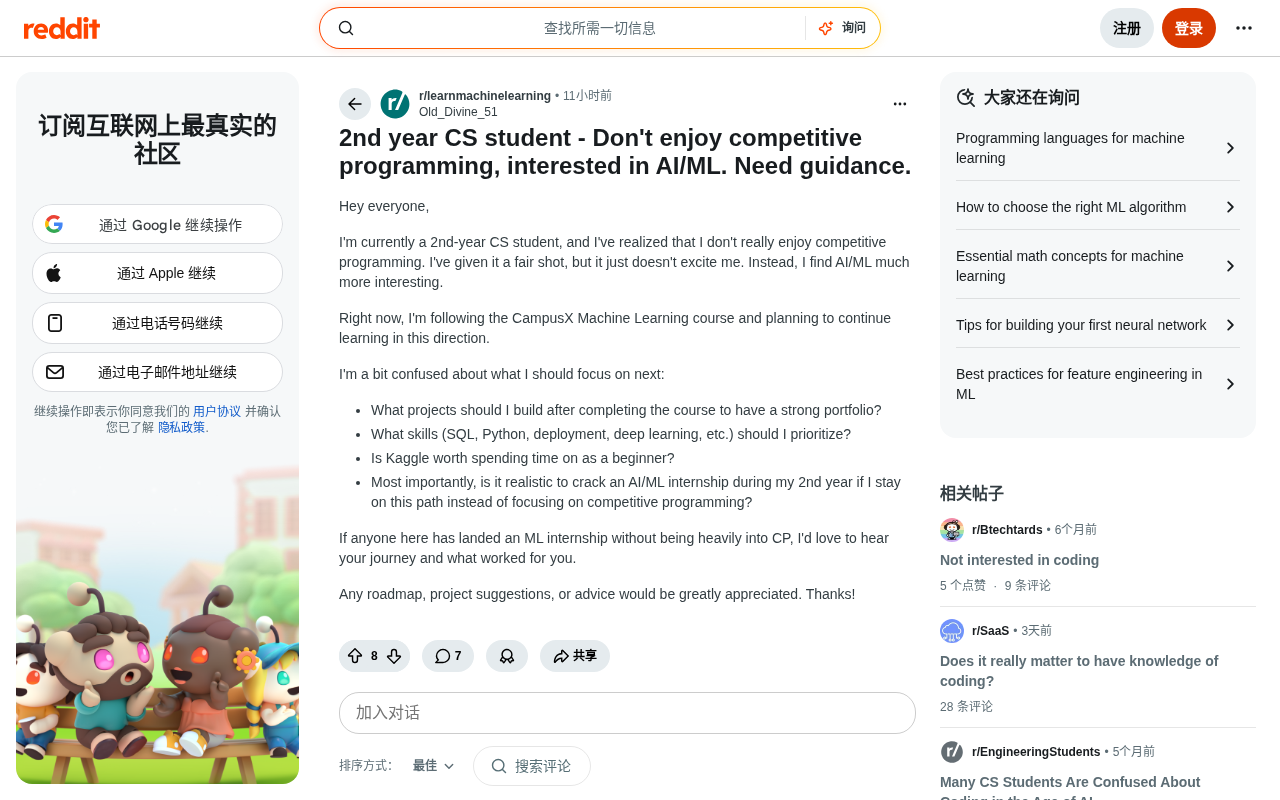
No Competitive Programming Required: How CS Students Can Pivot to AI/ML and Land Internships
How can CS students who dislike competitive programming systematically pivot to AI/ML? This guide covers skill priorities (Python/SQL/ML/deployment), portfolio strategy, Kaggle tips, and real paths to landing AI/ML internships.
Read more →

·3 min
Cognitive Debt in the Age of AI Programming: Comprehension Is the Real Bottleneck
When AI generates massive amounts of code in short time, the developer's real challenge isn't computing power but comprehension. This article explores "cognitive debt" in the AI programming era.
Read more →

·3 min
GPT-5.6 Released: Sol, Terra, and Luna Reshape AI Programming and Office Automation
OpenAI launches GPT-5.6 with three models — Sol, Terra, and Luna — plus ChatGPT Work, a new desktop app, and Hosted Sites. Codex now autonomously trains models.
Read more →

·7 min
GitHub Copilot in Practice: The Capability Boundaries of AI Programming and the Irreplaceable Value of Humans
A developer's real case of building a dental clinic management system with GitHub Copilot and Azure SQL, revealing AI coding limits in cloud security config and how Human-in-the-Loop breaks through.
Read more →

·3 min
GitHub Daily · July 11: Agent Skills Ecosystem Explodes, AI Programming Enters the Era of 'Skill Standardization'
July 11 GitHub Daily: Three Agent Skills projects surge on the same day, signaling AI programming's shift to skill standardization, with cross-platform open standards and local Agent memory leading the way.
Read more →

·6 min
GPT-5.6 Released: Codex Officially Integrated into ChatGPT, Ushering in a New Era of AI Programming
OpenAI releases GPT-5.6 and integrates Codex directly into ChatGPT, letting developers invoke code generation and debugging within conversations. A deep dive into the product logic and ecosystem impact.
Read more →

·6 min
The Hidden Cost of AI-Assisted Programming: How Developers Can Cope with LLM Burnout
When GitHub Copilot, ChatGPT and other AI coding tools shift from help to burden, developers face a new kind of professional fatigue—LLM burnout. Learn its causes, symptoms, and coping strategies.
Read more →

·7 min
From Vibe Coding to Engineered AI Programming: A Practical Guide to Enterprise Development
AI coding tools are changing development, but Vibe Coding hides risks in code quality and maintenance. This article explores Engineered AI Programming, compares Codex and Claude Code, and reveals real enterprise development paths.
Read more →
·6 min
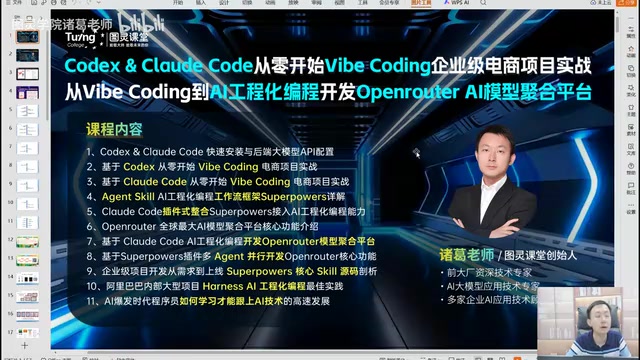
Understanding the Limits of Vibe Coding: A Practical Guide to AI Engineering-Grade Programming
An in-depth look at the difference between Vibe Coding and AI engineering-grade programming. Can AI replace programmers? From Claude Code and Codex to Cursor, revealing the real limits, enterprise pain points, and engineering solutions of AI coding tools.
Read more →

·7 min
The Birth of Claude Code: Design Philosophy from Internal Tool to AI Programming Assistant
An in-depth look at Claude Code's development and design philosophy: why the CLI form, how the "minimal scaffolding" architecture works, and how it balances safety with autonomy in AI programming.
Read more →

·4 min
From Claude Code to Claude Tag: How AI Programming Tools Break Out of Engineering Teams
Anthropic's Boris Cherny and Cat Wu discuss how Claude Code expanded from engineering teams company-wide, the Claude Tag platform strategy, and the launch of Claude Fable 5.
Read more →

·3 min
The Short Leash Method: A Practical Methodology for Staying in Control of AI-Assisted Programming
The Short Leash AI coding method uses small steps and frequent human checkpoints to keep developers in control. Learn the core principles, benefits, and ideal use cases for this practical human-AI workflow.
Read more →

·7 min
Harness Engineering: Core Methodology and Practical Guide for Enterprise-Level AI Programming
Can AI really replace programmers? This article explains Harness Engineering principles and its three evolutionary stages, revealing real pain points of enterprise AI programming.
Read more →

·7 min
Engineering Vibe Coding in Practice: Taming AI Programming with Superpowers and gstack
A deep dive into engineering Vibe Coding: using Superpowers for project-level decomposition and gstack for module layering and constraints to tame AI coding assistants like Codex and Claude Code.
Read more →