#Claude Code
4491 related articles

·1 min
Codex vs Claude Code: A Deep Cost Comparison — Which AI Coding Assistant Saves You More Money?
Which is more cost-effective, OpenAI Codex or Claude Code? Starting from real bills, this article breaks down the billing structure, multiplier traps, and subscription limits of AI coding assistants.
Read more →

·2 min
Getting Started with Claude Code: A Beginner's Guide to Installation, Configuration, and Model Selection
A detailed walkthrough of the full Claude Code setup process, comparing AI coding tools like Cursor and Trae, and analyzing the cost and performance of models like Sonnet and DeepSeek V4 Pro.
Read more →
·2 min
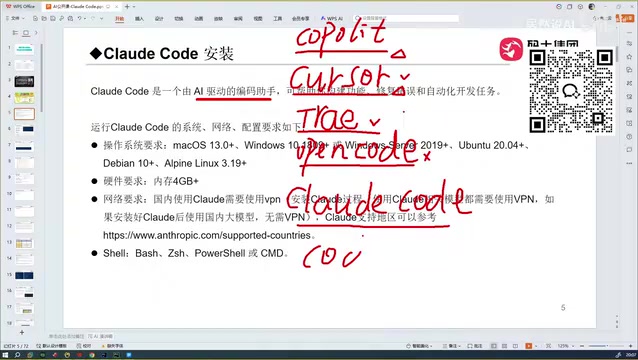
Getting Started with Claude Code: A Beginner's Guide to Installation, Configuration, and Model Selection
A complete guide to installing and configuring Claude Code, comparing tools like Cursor and Trae, and analyzing the cost and performance of models like Sonnet and DeepSeek V4 Pro.
Read more →

·2 min
Getting Started with Claude Code: Why Terminal Agents Are the Top Choice for Enterprise AI Testing
What is the fundamental difference between terminal agents and device agents? This article breaks down Claude Code's core positioning, the key logic for enterprise AI testing selection, and the advantages of the Claude Code + DeepSeek combination.
Read more →

·2 min
Getting Started with Claude Code: A Complete Hands-On Installation and Setup Guide
A step-by-step guide to the full Claude Code installation and setup: Node.js environment, Git Bash config, npm install, proxy setup for China, and API Key authorization—helping beginners avoid every common pitfall.
Read more →

·2 min
Claude Code for Beginners: A Complete Hands-On Guide to Installation and Configuration
A step-by-step guide to Claude Code installation and configuration: Node.js setup, Git Bash config, npm install, network proxy for China users, and API Key login.
Read more →

·1 min
Getting Started with Claude Code: Comparing AI Coding Tools and Choosing the Right One
An in-depth look at Claude Code's key strengths: full-project context reading and automatic debugging. Compare Cursor, Trae, Codex, and more to find your ideal AI coding assistant.
Read more →

·1 min
The Complete Guide to Claude Code: How Does an AI Coding Assistant Differ from a Regular Conversational AI?
In-depth analysis of Claude Code's core features and advantages: auto-reading project context, direct code execution, memory of coding preferences, and connecting external services via MCP. Compared with Cursor and ChatGPT to help developers choose the right AI coding tool.
Read more →

·1 min
The Complete Guide to Claude Code: How Does an AI Coding Assistant Differ from a Regular Chat AI?
An in-depth look at Claude Code's core features and advantages: auto-reading project context, direct code execution, remembering coding preferences, and connecting external services via MCP. Compared with Cursor and ChatGPT to help developers choose.
Read more →

·3 min
Claude Code for Absolute Beginners: A Step-by-Step Guide (Install + Connect an LLM + Hands-On Practice)
How do complete beginners get started with Claude Code? This guide covers VS Code setup, two ways to connect an LLM in China, four core usage modes, and building your first practical tool without writing a single line of code.
Read more →

·2 min
Claude Code + Skills in Action: Auto-Generate Production-Ready Test Cases in 10 Minutes
A developer shares a test case automation solution built on Claude Code + Skills: encapsulating requirement splitting, test point extraction, and case generation into independent Skills. The full workflow takes under 10 minutes.
Read more →

·1 min
Getting Started with Claude Code: How an AI Coding Assistant Executes Code Autonomously
Claude Code (CC) is more than a chat AI—it reads project files, creates and modifies code, and runs commands, ending copy-paste. This article compares CC with ordinary AI across 5 dimensions and explains CC vs Cursor.
Read more →

·2 min
Getting Started with Claude Code: A Complete Guide to Installation, Configuration, and Git Workflows
An in-depth guide to Claude Code from installation to hands-on practice: CLI setup, switching to domestic LLMs (CC Switch tool), conversational Git workflows, plus project analysis and automated bug fixing tips for AI-powered coding.
Read more →

·1 min
Getting Started with Claude Code: An AI Coding Tool Anyone Can Use, Even Beginners
Claude Code is an AI-assisted coding tool for programmers, supporting natural language interaction and local environments. Even beginners can pick it up fast.
Read more →

·2 min
Claude Code From Zero to Production: Installation, Switching to Chinese LLMs, and Git Workflow Guide
A complete guide to Claude Code: Node.js setup, CLI install, switching to Chinese LLMs with CC Switch, core commands, and conversational Git workflows with automated bug fixing.
Read more →

·1 min
Getting Started with Claude Code: An AI Coding Assistant That Actually Touches Your Code
Claude Code by Anthropic goes beyond chat — it reads your files, edits code, and runs commands directly. See how it compares to ChatGPT and Cursor across 5 key dimensions.
Read more →

·2 min
Claude Code Getting Started Guide: Full Installation, Configuration, and Hands-On Walkthrough
Full guide to installing and configuring Claude Code: fix environment variables, network issues, and connect to Alibaba Cloud LLMs. Compare with Cursor and master all three working modes.
Read more →
·3 min
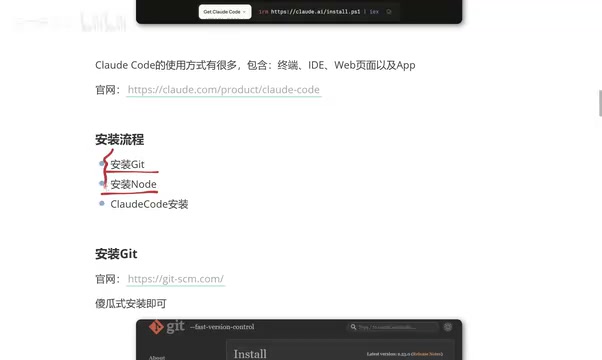
Getting Started with Claude Code: Installation, Configuration, and Three Working Modes Explained
Get started with Claude Code from scratch: detailed Windows installation, environment variable setup, China network bypass, and connecting to free Alibaba Cloud Bailian models—plus the three working modes.
Read more →

·7 min
Getting Started with Claude Code: Five Dimensions to Understand Why It Outperforms Regular AI
Claude Code isn't just a chat AI—it can directly read projects, modify code, and run commands. This article compares Claude Code with regular AI across five dimensions to help you decide if it's worth trying.
Read more →

·7 min
Getting Started with Claude Code: Five Dimensions That Show Why It Outperforms Ordinary AI
Claude Code isn't just a chat AI—it can directly read projects, modify code, and run commands. This article compares Claude Code with ordinary AI across five dimensions: interaction, context, execution, memory, and tool calling.
Read more →