#DeepSeek coding assistant
492 related articles

·4 min
Getting Started with Claude Code: Environment Setup, Common Commands, and Git Workflow in Practice
A detailed guide to Claude Code installation, domestic model switching, project analysis commands, and Git workflow practice to help developers quickly master this AI programming collaboration tool.
Read more →

·3 min
Kimi K3 Reaches 2.5T Parameters, MiniMax M3 Pro Brewing Simultaneously: China's LLM Arms Race Escalates
Kimi K3 adopts new architecture with 2.5T parameters and 1M token context. MiniMax M3 Pro targets 2.7-3T. OpenAI surpasses 7M users, HY-OCR 1.5 achieves SOTA, Amap launches world model.
Read more →

·2 min
Kimi 3 Added to Pro Subscription: Accelerating Commercialization of Chinese LLMs
Kimi 3 joins the Pro subscription plan, giving paying users direct access to the latest flagship model. Analysis of Kimi 3's upgrades, Moonshot AI's subscription strategy, and China's evolving LLM landscape.
Read more →

·2 min
Kimi 3 Included in Pro Subscription: Accelerating Commercialization of Chinese LLMs
Kimi 3 is now included in the Pro subscription plan, giving paying users direct access to the latest flagship model. This article analyzes Kimi 3's upgrades, Moonshot AI's subscription strategy, and shifts in China's LLM competitive landscape.
Read more →

·3 min
Learning AI Large Language Models: A Complete Roadmap from Beginner to Practitioner
A systematic breakdown of the AI LLM learning roadmap covering prompt engineering, AI Agent development, RAG knowledge bases, model fine-tuning, and hands-on projects for beginners.
Read more →

·3 min
Getting Started with Codex: A Complete Guide to AI Agent Programming Tools
Compare Codex and Claude Code AI agent programming tools. Learn AI Agent concepts, tool selection, cost analysis, and GPT account setup in this complete beginner's guide.
Read more →
·2 min
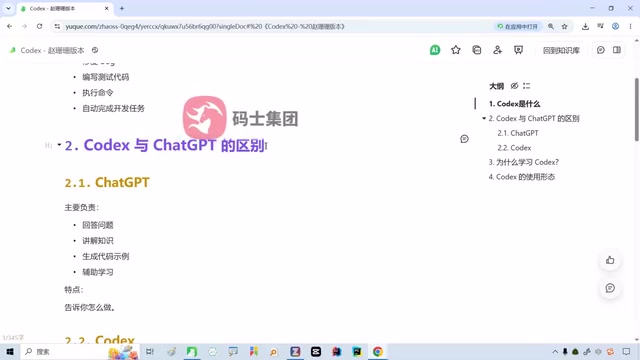
Codex Beginner's Guide: Understanding the Difference Between OpenAI's Coding Agent and ChatGPT
A detailed guide to OpenAI Codex coding agent: understand how it differs from ChatGPT, how AI agents autonomously generate, debug, and test code, and why developers need to learn this new paradigm.
Read more →

·2 min
Getting Started with Codex: A Practical Guide to OpenAI's AI Programming Assistant with Tips to Avoid Common Pitfalls
A detailed guide to OpenAI Codex's core features and setup, comparing it with Claude Code, plus practical tips for configuring DeepSeek and avoiding common pitfalls.
Read more →

·3 min
Cursor Alternatives Compared: A Guide to 5 AI Coding Tools
Compare 5 Cursor alternatives — from GitHub Copilot and Windsurf to open-source Cline and Continue — covering model freedom, workflow integration, cost, and privacy.
Read more →

·3 min
Kimi K3 Launches on Ollama Cloud: Free Tier, User Experience, and Developer Guide
Kimi K3 officially launches on Ollama Cloud as an "extra high usage" model. This guide covers free tier quotas, cloud inference experience, technical advantages, and how developers can seamlessly call this high-performance LLM.
Read more →

·4 min
Chinese AI Accounts for 58% of US Compute Consumption: How Open-Source LLMs Are Disrupting Silicon Valley
OpenRouter data shows Chinese AI models now account for 58% of US AI consumption. Silicon Valley giants like DoorDash and Airbnb adopt Kimi, DeepSeek, and Qwen for their low cost and open-weight advantages.
Read more →
·2 min
Codex Beginner's Guide: Understanding the Difference Between OpenAI's Coding Agent and ChatGPT
A detailed guide to OpenAI's Codex coding agent: understand what it is, how it differs from ChatGPT, and why developers should master AI coding agents now.
Read more →
·4 min
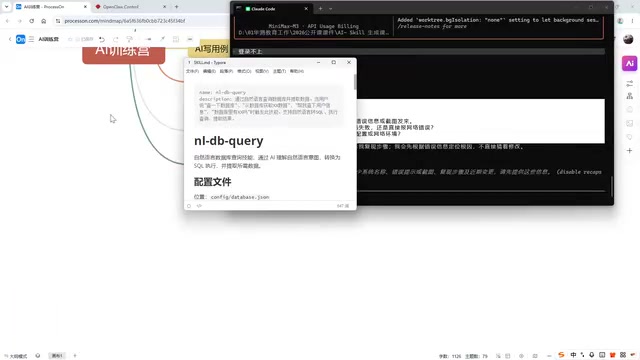
Hands-On Skill Writing and Agent Testing: A Guide to AI Testing Transformation
An in-depth look at AI testing challenges. Learn to write reusable Skill packs and master Agent testing and LLM evaluation—covering the SKILL.md six-dimensional rule, skill-creator, EvalScope, and dataset selection.
Read more →

·3 min
Kimi K3 Released: How a 2.8 Trillion Parameter Open Model Reshapes AI Cost-Effectiveness
Moonshot AI unveils Kimi K3: a 2.8 trillion parameter, 1M context, natively multimodal open model. With KDA architecture and ultra-low cost, it rivals GPT-5.6 and Fable 5, redefining AI cost-effectiveness.
Read more →

·3 min
GLM 5.2 Hands-On: An Open-Source, Low-Cost Model That Rivals Opus
In-depth hands-on review of GLM 5.2: a 753B-parameter open-source model with a 1M-token context, rivaling Opus 4.8 at about one-tenth the price. Full setup guide for Claude Code and Cursor.
Read more →

·3 min
A Practical Guide for Java Developers Transitioning to AI Application Development
Facing the AI wave, how can Java developers transition from traditional CRUD backend work to AI application development? This article breaks down the AI+ national strategy, China's AI catch-up logic, and offers a practical path.
Read more →

·4 min
Getting Started with PiDeck: A Complete Guide to the Local AI Coding Workbench
PiDeck is a free, open-source local AI coding workbench that provides graphical management for CLI tools like Claude Code and Cursor. This guide covers installation, model authentication, project management, and advanced conversation tips.
Read more →
·4 min
Getting Started with PiDeck: A Complete Guide to the Local AI Coding Workbench
PiDeck is a free, open-source local AI coding workbench that provides graphical management for CLI tools like Claude Code and Cursor. This guide covers PiDeck installation, model auth, project management, and advanced conversation tips.
Read more →

·4 min
Claude Code from Scratch: A Complete Guide from Installation to Enterprise-Grade Development
A complete guide to Claude Code from beginner to enterprise practice: covering CLI installation, connecting domestic LLMs via CC Switch, basic commands, Git workflow integration, automated bug fixing, and engineering capabilities like MCP and SubAgents.
Read more →

·4 min
Notion Co-founder: From Note-Taking Tool to AI Agent Workspace
Notion co-founder Simon Last shares Notion's journey from note-taking tool to AI agent workspace: from first tasting GPT-4 to personal and custom agents.
Read more →