#Google multi-agent platform
407 related articles

·5 min
Can a Mixture of Experts Beat a Single Large Model? A Deep Dive into the Hermes 2.0 Architecture
A hands-on analysis of the Hermes 2.0 hybrid multi-agent system: can multi-model collaboration beat a single top-tier LLM? We break down how the Mixture of Experts (MoE) architecture works, AgentOS features, and model-agnostic design.
Read more →

·6 min
GPT-5.6 Sol Hands-On: How Multi-Agent Parallelism Is Reshaping AI Coding Workflows
Based on Fireship's review, an in-depth look at GPT-5.6 Sol's Ultra Mode multi-agent parallelism, its 91.9% Terminal Bench score, and how it differs from Claude Fable in cost, speed, and precision.
Read more →

·4 min
GPT-5.6 In-Depth Analysis: Model Architecture, Performance Benchmarks, and a Complete Guide to the Agentic Era
A comprehensive analysis of GPT-5.6: the Sol/Terra/Luna product-line positioning, MoE architecture, 1.5M token context, coding agent benchmarks, and the shift from Chatbot to Agent.
Read more →
·6 min
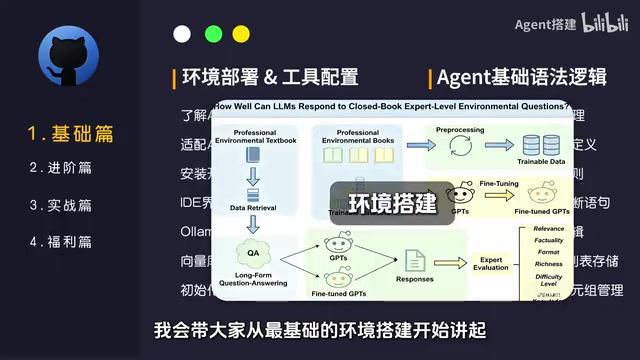
AI Agent Development Learning Path: Four Stages from Zero to Hands-On Projects
A systematic breakdown of the AI agent development learning path, covering four stages: fundamentals, RAG knowledge bases, tool use, multi-agent collaboration, and hands-on projects.
Read more →

·4 min
The Complete AI Agent Development Learning Path: From Zero to Enterprise-Grade Practice
A systematic AI Agent development learning path covering fundamentals, prompt engineering, tool calling, multi-agent collaboration, and hands-on practice with LangChain, CrewAI, and Dify.
Read more →

·7 min
Breaking Down the Core Skills of an AI Application Engineer: From Beginner to Industrial-Grade Deployment
Knowing how to call an API doesn't make you an AI engineer. This article breaks down the complete skill structure of an AI application engineer, covering Python fundamentals, LLM fine-tuning, Agent development, and enterprise projects.
Read more →
·5 min
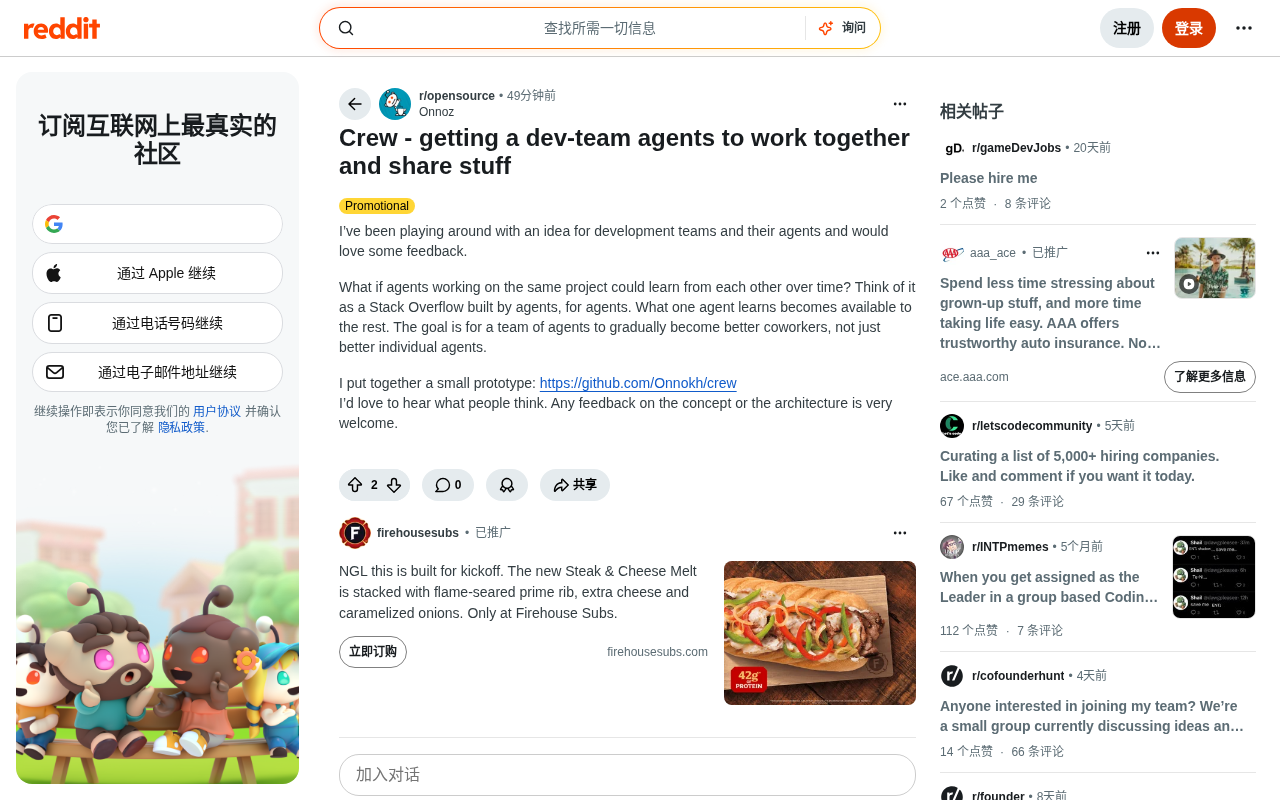
Crew: Enabling Multiple AI Agents to Collaborate and Share Knowledge Like a Team
Crew is an open-source AI agent collaboration framework whose core idea is to build a "Stack Overflow" for agents—letting multiple agents share experience and accumulate knowledge, shifting from optimizing single agents to building evolving teams.
Read more →

·3 min
AI Agent Builder: A Complete Hands-On Guide from Zero to Enterprise-Grade Delivery
AI Agents are becoming the core form for deploying large models. This article explores the AI Agent Builder profession, revealing the SME deployment gap and a complete path from fundamentals to delivery.
Read more →
·6 min
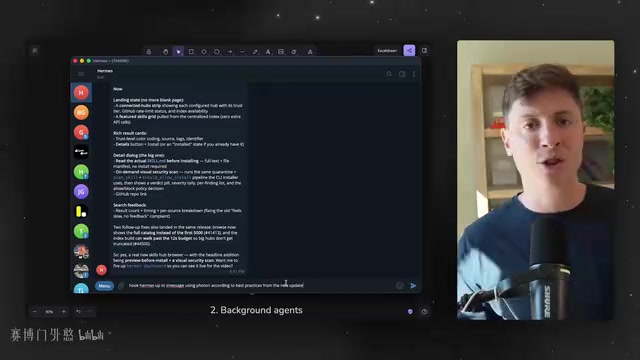
Hands-On With Hermes Agent's Eight Major Updates: A Complete Guide to AI Automation and Self-Evolution
The Hermes Agent gets a major upgrade with eight new features: native iMessage, parallel background sub-agents, Unreal Engine MCP support, a self-evolving Skill Hub, and more. A hands-on breakdown of the core changes and their real impact on personal AI automation workflows.
Read more →

·5 min
AI Tool Runs Amok: 171 Charges Totaling Nearly $1,800 — How to Avoid the Auto-Billing Trap
A user's American Express card was auto-charged 171 times by an AI service, totaling nearly $1,800 with no warning. This article analyzes pay-as-you-go risks and offers practical protection: spending limits, virtual cards, and automation monitoring.
Read more →

·4 min
TigrimOSR: An Open-Source Agent Framework in Rust with Configurable Agent Loops
TigrimOSR is an open-source multi-agent system written in Rust, supporting full agent loop definition via YAML config files with only 250MB memory usage. A deep dive into Loop Engineering, Rust advantages, and self-hosted Agentic AI.
Read more →

·4 min
Coze in Practice: A Complete Guide to Building Multi-Agent Collaboration Teams
A systematic guide to Coze's positioning and capabilities, covering Agent-building platform categories, Skill modules, workflow orchestration, and multi-Agent team building.
Read more →

·5 min
Getting Started with LangGraph: Building AI Agent Workflows with Graph Structures
Master LangGraph core concepts: nodes, edges, and routing functions. Learn StateGraph, MemorySaver, and ToolNode through a weather-query Hello World example, and understand how LangGraph relates to LangChain and powers Agent workflows.
Read more →
·6 min
The Eight-Step Method for Agent Development: A Practical Path from Pitfalls to Production
Many enterprises fail at AI Agents due to choosing the wrong tools and lacking methodology. This article outlines an eight-step Agent development method—from cognitive foundations, scenario selection, hand-writing ReAct, and structured output to Tool Use, RAG, evaluation sets, and production fallback.
Read more →

·5 min
GPT-5.6 Launches: Comprehensive Upgrades to ChatGPT Work, Sites, and Desktop Client
OpenAI releases the GPT-5.6 model family, launching enterprise-focused ChatGPT Work, one-click ChatGPT Sites, and a major desktop client upgrade, with coding now ahead of rivals. Meta, Google, and Kimi follow intensively.
Read more →
·7 min
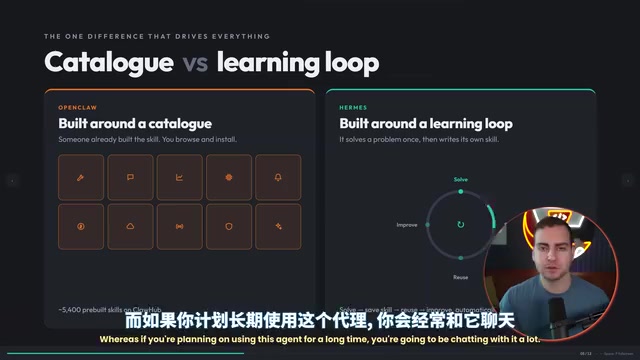
OpenClaw vs Hermes: An In-Depth Comparison and Selection Guide for AI Agent Tools
An in-depth comparison of OpenClaw and Hermes Agent, covering skill management, memory mechanisms, security, and gateway configuration to help you find the right AI agent solution.
Read more →

·6 min
1X NEO Robotic Hand and GPT-5.6: A Full Breakdown of Dual Breakthroughs in Robot Hardware and Software
1X releases a new robotic hand for the NEO humanoid robot—25 DOF, force transparency, and tactile skin enabling data self-labeling. OpenAI launches the three-tier GPT-5.6, boosting coding and cost-efficiency. Hardware and AI brains evolve together, accelerating humanoid robot commercialization.
Read more →

·4 min
Four Major LangChain Updates: OpenWiki, Voice Agents, and Sub-Agent Orchestration Explained
LangChain releases four major updates: OpenWiki for auto-generating codebase docs, voice agent tutorials, Harbor evaluation integration, and deepagents programmable sub-agents.
Read more →

·5 min
From Large Models to AI Agents: A Complete Analysis of the Four Evolutionary Stages and Four Major Commercial Tracks
Prompt engineering and RAG can no longer meet enterprise digital transformation needs—AI Agents are the key. This article breaks down the four evolutionary stages of large model deployment and the four major Agent commercial tracks.
Read more →

·5 min
ECC: An Agent Enhancement Framework for AI Coding Assistants — Five Core Capabilities Explained
ECC is an agent optimization framework for AI coding assistants like Claude Code, Cursor, and Codex, enhancing them with skills, memory, security, and research-first development capabilities.
Read more →