#LLM middleware
279 related articles

·3 min
AgentScope 2.0 Deep Dive: Six Core Upgrades for Production-Grade Multi-Agent Development
AgentScope 2.0 by Alibaba's Tongyi Lab delivers six major upgrades: typed event streaming, dangerous instruction interception, human-in-the-loop, concurrent execution, workspace system, and agent-as-a-service for production-grade multi-agent development.
Read more →
·3 min
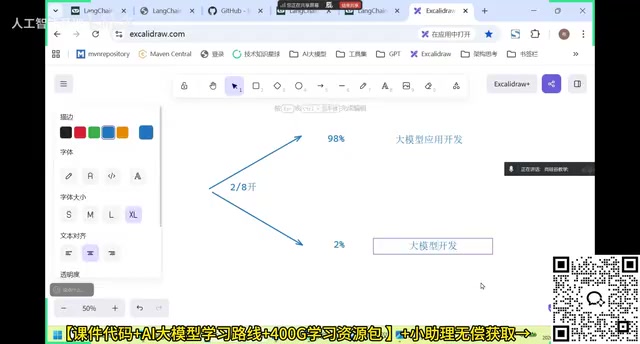
LangChain Practical Guide: From RAG Applications to Intelligent Agent Development
A comprehensive guide to LangChain: core concepts, RAG applications, Agent development, version selection (0.3/1.0), and career opportunities for Java/Python developers entering LLM development.
Read more →

·3 min
Spring AI 2.0 Deep Dive: A Java Developer's Guide to LLM Application Development
A deep dive into Spring AI 2.0: provider-agnostic APIs, RAG with vector databases, and how Java developers can build LLM apps using the Spring ecosystem.
Read more →

·2 min
Dify vs Coze: Open-Source Self-Hosting or Cloud-Based Out-of-the-Box?
Coze vs Dify: a deep-dive comparison covering deployment, data security, and ease of use. Find out which AI agent platform suits individual developers vs. enterprises.
Read more →

·3 min
Zer0Fit: Connecting Google's TabFM and TimesFM to LLM Chat Interfaces via MCP
Zer0Fit wraps Google's TabFM and TimesFM foundation models as MCP servers, letting users run classification, regression, and time series forecasting through a local LLM chat interface — no ML code required.
Read more →

·4 min
Getting Started with LangChain: LLM Limitations, Agent Principles, and Environment Setup in Practice
An in-depth look at LangChain's core value: the three limitations of LLMs, unified model interfaces, modular architecture, configuring the DeepSeek API, and understanding the SystemMessage/HumanMessage/AIMessage/ToolMessage system to build a foundation for Agent development.
Read more →
Karp Speaks Bluntly: Where Does the An…
·5 min
Karp Speaks Bluntly: Where Does the Anger and Anxiety of CEOs in the AI Era Come From?
Palantir CEO Alex Karp voices what enterprise leaders really feel about AI: the gap between expectations and reality, vendor disappointment, and unclear ROI. A deep analysis of the roots of CEO anxiety and the industry's pivot from hype to value validation.
Read more →

·5 min
The Five Unsolved Challenges of Production MLOps: A Deep Dive into GPU Scheduling, Fault-Tolerant Training, and Model Observability
A deep dive into the five genuinely tough challenges of production MLOps: fault-tolerant training on Spot instances, cross-team GPU scheduling, data reproducibility, model observability, and inference cost optimization.
Read more →

·2 min
Claude Usage Limits Tighten: Is the Era of Unlimited AI Coming to an End?
Anthropic's Claude is bidding farewell to its "unlimited use" strategy, shifting toward tiered billing and usage management. This article explores the compute cost logic behind it, the impact on heavy users, and multi-model strategies.
Read more →

·5 min
Java Backend Interview Sprint: A Systematic Methodology From Rote Q&A to Scenario Questions
How can you prepare efficiently for a Java backend interview? This article breaks down the core methodology of "process-driven interview engineering," covering resume optimization, understanding principles, scenario analysis frameworks, and production troubleshooting.
Read more →

·2 min
Mastering Cursor in Depth: Multi-File Editing, Rules Configuration, and Efficient Practice Guide
Go beyond basic prompt usage and systematically master Cursor's core features: Composer multi-file editing, Codebase semantic search, and Rules configuration.
Read more →

·6 min
AI Agent Development in Go: A Hands-On Guide to ByteDance's Eino Framework and Its Seven Core Capabilities
Build production-grade AI Agents with a pure Go stack using ByteDance's Eino framework. A deep dive into seven core capabilities: multi-Agent orchestration, long-task execution, command approval, RAG, MCP, Skills, and database reporting.
Read more →

·4 min
AI Persistent Memory Three-Layer Architecture Explained: In-Depth Comparison of Mem0, Zep, and ContextNest
Deep dive into the three-layer architecture of AI persistent memory systems—storage, management, and retrieval—with an in-depth comparison of Mem0, Zep, and ContextNest to help developers choose the right memory solution for AI Agents.
Read more →

·5 min
Getting Started with LangChain: LLM Invocation, Agent Practice, and Environment Setup Guide
Starting from the three limitations of LLMs, this guide systematically explains LangChain's core positioning, environment setup, API key prep, model init, and the message system. Learn init_chat_model and AIMessage/HumanMessage/SystemMessage.
Read more →

·4 min
4 Skills to Completely Transform Claude Code: Say Goodbye to Token Waste and Cut Daily Coding to 2 Hours
Does Claude Code always give irrelevant answers? This article breaks down 4 core Skill plugins: Project Context Engine, PRD Requirements Translator, Code Review tool, and Daily Report Generator—showing you how to transform Claude Code from a money-burner into a true AI coding assistant.
Read more →

·4 min
Complete Guide: Connecting Claude Code to DeepSeek — Local Setup + VS Code Integration
A step-by-step guide to installing Claude Code locally on Windows and swapping its underlying model for the DeepSeek API—enabling low-cost AI coding with no VPN required. Covers Node.js setup, Claude Code config, and getting a DeepSeek API Key.
Read more →

·2 min
Claude Sonnet 4 Returns to Cursor: Tops CursorBench, But at the Highest Cost Per Task
Claude Sonnet 4 returns to Cursor, topping CursorBench while carrying the highest cost per task. A deep dive into performance vs. cost trade-offs for AI coding tools.
Read more →

·3 min
Microsoft SQL Major Upgrade: AI Capabilities, Security Enhancements, and Fabric Integration — A Deep Dive
Microsoft SQL team's major updates: Azure SQL adds AI embeddings and dynamic data masking, Fabric SQL gets a Migration Assistant and Fabric Apps, SQL Server CU5 brings memory improvements, SSMS adds a SQL Formatter and Agent mode, and DP-800 certification is now open.
Read more →
·5 min
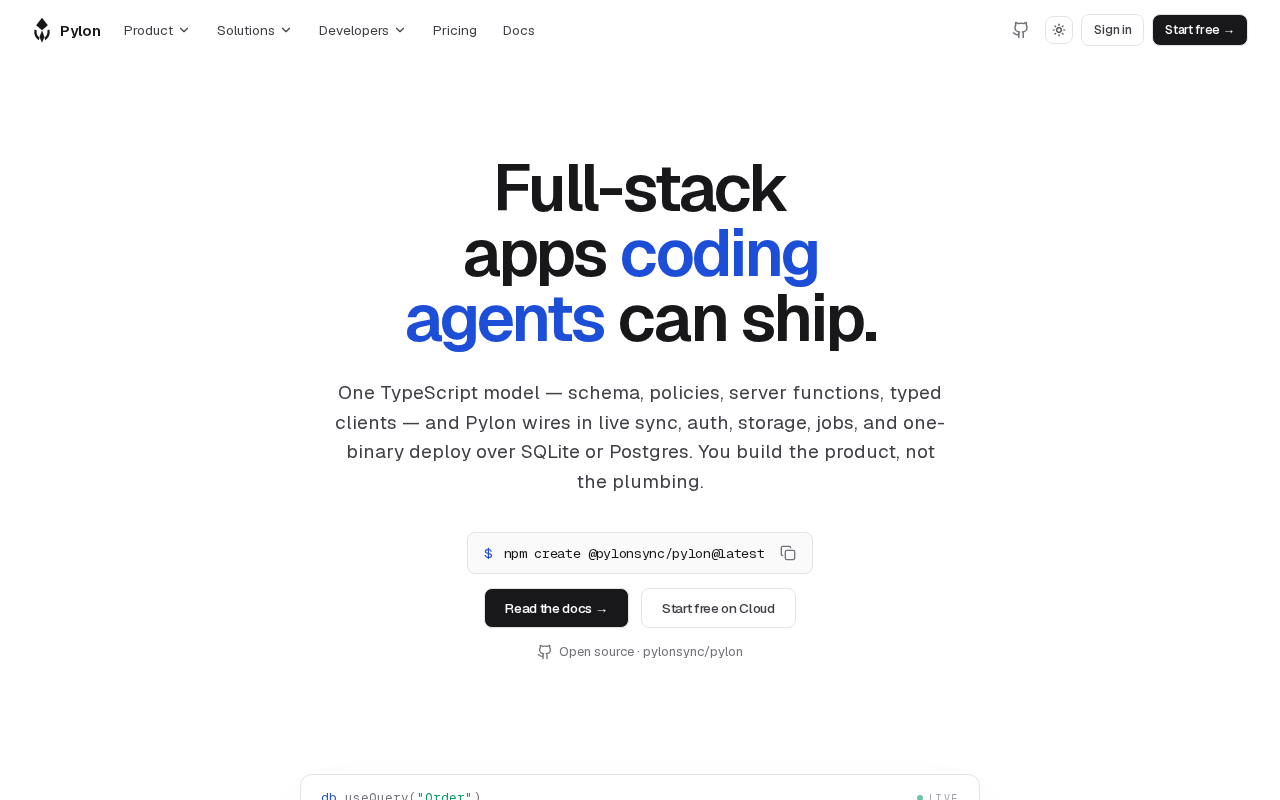
Pylon Sync: An In-Depth Look at the Full-Stack Realtime Framework Built for AI Agents
Pylon Sync is an "Agent-First" full-stack realtime framework that treats AI Agents as first-class design citizens, reducing coding errors via strong conventions.
Read more →

·4 min
AI Coding Tool Security Governance: How Policy Enforcement Guardrails Ensure Enterprise Compliance
As Claude Code, Cursor, and Codex enter enterprises at scale, policy enforcement guardrails are becoming critical. A deep dive into AI coding tool security governance, cross-platform compliance, and enforcement mechanisms.
Read more →