#LLM middleware
288 related articles

·6 min
AI Agent Development in Go: A Hands-On Guide to ByteDance's Eino Framework and Its Seven Core Capabilities
Build production-grade AI Agents with a pure Go stack using ByteDance's Eino framework. A deep dive into seven core capabilities: multi-Agent orchestration, long-task execution, command approval, RAG, MCP, Skills, and database reporting.
Read more →

·4 min
AI Persistent Memory Three-Layer Architecture Explained: In-Depth Comparison of Mem0, Zep, and ContextNest
Deep dive into the three-layer architecture of AI persistent memory systems—storage, management, and retrieval—with an in-depth comparison of Mem0, Zep, and ContextNest to help developers choose the right memory solution for AI Agents.
Read more →

·5 min
Getting Started with LangChain: LLM Invocation, Agent Practice, and Environment Setup Guide
Starting from the three limitations of LLMs, this guide systematically explains LangChain's core positioning, environment setup, API key prep, model init, and the message system. Learn init_chat_model and AIMessage/HumanMessage/SystemMessage.
Read more →

·4 min
4 Skills to Completely Transform Claude Code: Say Goodbye to Token Waste and Cut Daily Coding to 2 Hours
Does Claude Code always give irrelevant answers? This article breaks down 4 core Skill plugins: Project Context Engine, PRD Requirements Translator, Code Review tool, and Daily Report Generator—showing you how to transform Claude Code from a money-burner into a true AI coding assistant.
Read more →

·4 min
Complete Guide: Connecting Claude Code to DeepSeek — Local Setup + VS Code Integration
A step-by-step guide to installing Claude Code locally on Windows and swapping its underlying model for the DeepSeek API—enabling low-cost AI coding with no VPN required. Covers Node.js setup, Claude Code config, and getting a DeepSeek API Key.
Read more →

·2 min
Claude Sonnet 4 Returns to Cursor: Tops CursorBench, But at the Highest Cost Per Task
Claude Sonnet 4 returns to Cursor, topping CursorBench while carrying the highest cost per task. A deep dive into performance vs. cost trade-offs for AI coding tools.
Read more →

·3 min
Microsoft SQL Major Upgrade: AI Capabilities, Security Enhancements, and Fabric Integration — A Deep Dive
Microsoft SQL team's major updates: Azure SQL adds AI embeddings and dynamic data masking, Fabric SQL gets a Migration Assistant and Fabric Apps, SQL Server CU5 brings memory improvements, SSMS adds a SQL Formatter and Agent mode, and DP-800 certification is now open.
Read more →
·5 min
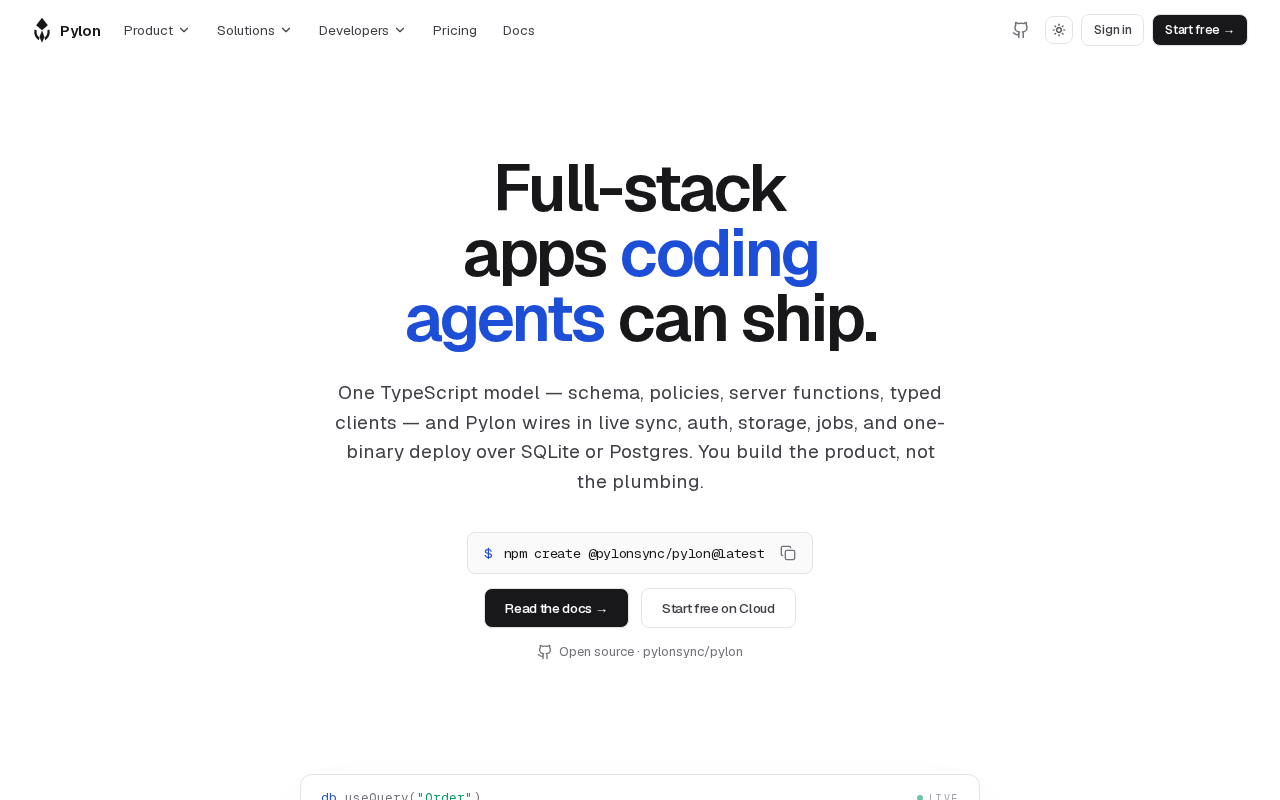
Pylon Sync: An In-Depth Look at the Full-Stack Realtime Framework Built for AI Agents
Pylon Sync is an "Agent-First" full-stack realtime framework that treats AI Agents as first-class design citizens, reducing coding errors via strong conventions.
Read more →

·4 min
AI Coding Tool Security Governance: How Policy Enforcement Guardrails Ensure Enterprise Compliance
As Claude Code, Cursor, and Codex enter enterprises at scale, policy enforcement guardrails are becoming critical. A deep dive into AI coding tool security governance, cross-platform compliance, and enforcement mechanisms.
Read more →

·7 min
ManagedAgents.sh: A Deep Dive into the Model-Agnostic Open-Source Managed Agent Platform
ManagedAgents.sh is a model-agnostic managed agent platform from OpenComputer, supporting Claude, Pi, and Codex runtimes with Slack and GitHub integration.
Read more →

·4 min
VibeCoding Prototype Delivery Framework: A Complete Guide to Bridging PRD and Development
VibeCoding's AI prototype delivery framework bridges PRD to development with requirements binding, page management, version archiving, and cloud preview — delivering Axure-level collaboration.
Read more →
·6 min
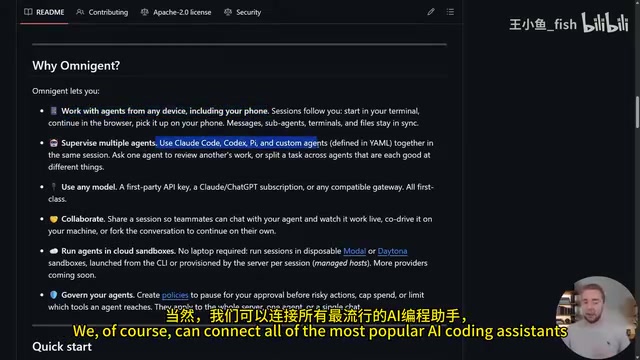
Omnigent Open-Sourced: A Meta-Harness for AI Coding Agents Built by Databricks
Databricks open-sources Omnigent, a Meta-Harness for orchestrating Claude Code, Codex, and more AI coding assistants together—with built-in guardrails, cross-model workflows, and real-time collaboration. Get started in 10 minutes.
Read more →
·7 min
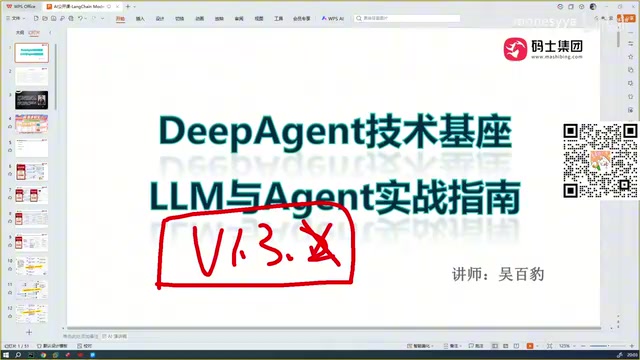
Getting Started with LangChain 1.3: Core Concepts of LLMs and Agents
An in-depth breakdown of LangChain 1.3's core concepts, covering the three major limitations of LLMs, Agent architecture, memory management, and a complete learning path. Master LangChain and LangGraph to quickly build AI development skills.
Read more →

·7 min
Demystifying Claude Code's Harness in 60 Lines of Python: The Core of AI Coding Tool Performance Differences
The same model scores 77% in Claude Code but jumps to 93% in Cursor—the only variable is the Harness. This article dissects how AI coding tools work in 60 lines of Python.
Read more →

·7 min
The Prompt is the Platform: How AI Agents Deeply Participate in System Design and Specification
Resonate's founder proposes "The Prompt is the Platform": as AI agents generate production-grade implementations from abstract specs, engineers' value shifts to specification. A deep dive into deterministic simulation and forbidden-fruit debugging.
Read more →
·7 min
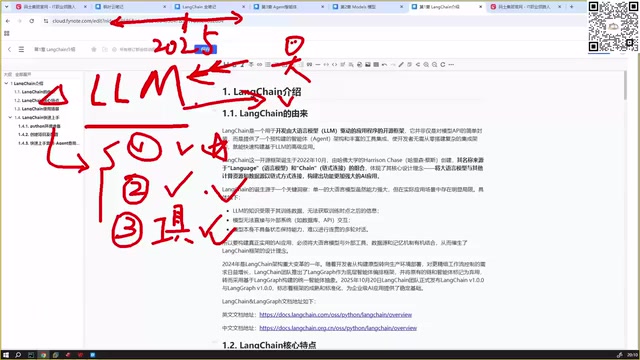
LangChain Hands-On Guide: From LLM Calls to Agent Development
Master LangChain from scratch: the three limitations of LLMs, init_chat_model unified interface config, the Message type system, and the path from LLM calls to Agent development.
Read more →

·7 min
A Java Developer's Guide to AI: Framework Selection and Practical Tutorial for LangChain4J
As LLM costs keep falling, how can Java developers seize the AI opportunity? This article explores LangChain4J's core capabilities, supported models and vector databases, and compares LangChain4J vs. Spring AI to help you build local knowledge bases and intelligent customer service systems.
Read more →
·6 min
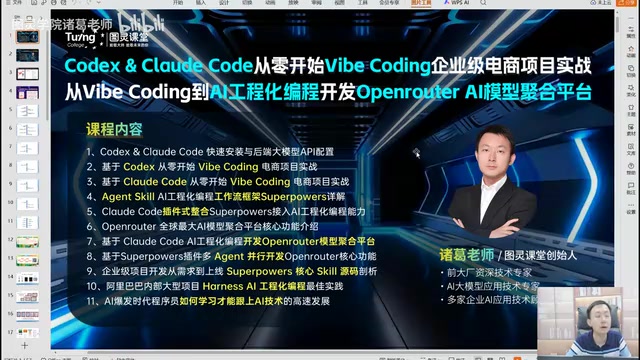
Understanding the Limits of Vibe Coding: A Practical Guide to AI Engineering-Grade Programming
An in-depth look at the difference between Vibe Coding and AI engineering-grade programming. Can AI replace programmers? From Claude Code and Codex to Cursor, revealing the real limits, enterprise pain points, and engineering solutions of AI coding tools.
Read more →

·5 min
6 Self-Hosted AI Agents Compared: Which One Is a Truly Self-Evolving Digital Employee?
An open-source AI Agent with 380K stars ranks only third? This comparison of 6 self-hosted AI Agents scores them on persistence, self-evolution, and data control—revealing why Generic Agent won with just 3,000 lines of code.
Read more →

·8 min
Python Web Scraping for Beginners: How It Works, Core Workflow, and Legal Red Lines Explained
A plain-language guide to how Python web scrapers work: from HTTP requests and responses, HTML tag parsing, to the complete three-step data scraping workflow, with a focus on the three legal red lines and compliance advice.
Read more →