#LangGraph deployment
347 related articles

·5 min
How Can Working IT Professionals Learn AI Efficiently? A Practical Learning Path from Zero to Real-World Projects
Limited time but want to learn AI systematically? This guide maps out a practical learning path for working IT pros—from AI application engineering and prompt engineering to RAG and Agents.
Read more →

·4 min
The Ultimate RAG Interview Guide: 204 Questions, 12 Architectures, and 6 Failure Modes Explained
The open-source project "Interview System" offers 204 RAG interview questions, 12 architecture approaches, and deep analysis of 6 failure modes. Prepare systematically for RAG engineer roles.
Read more →

·5 min
Can a Mixture of Experts Beat a Single Large Model? A Deep Dive into the Hermes 2.0 Architecture
A hands-on analysis of the Hermes 2.0 hybrid multi-agent system: can multi-model collaboration beat a single top-tier LLM? We break down how the Mixture of Experts (MoE) architecture works, AgentOS features, and model-agnostic design.
Read more →

·3 min
Getting Started with AI Agent Development: A Three-Step Practical Path with Python + LangChain
Learning AI Agent development is no longer daunting! This article outlines the simplest practical path: master just enough Python, grasp core LLM concepts, then build your first Agent with LangChain.
Read more →
·6 min
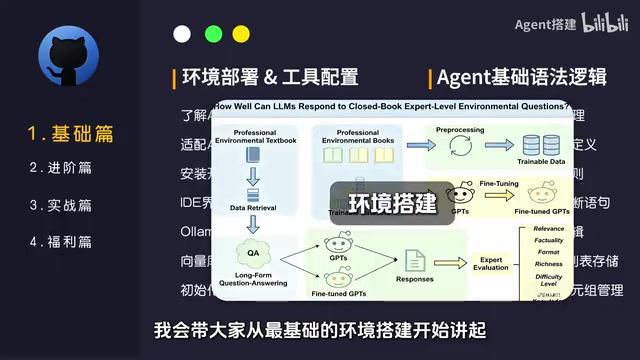
AI Agent Development Learning Path: Four Stages from Zero to Hands-On Projects
A systematic breakdown of the AI agent development learning path, covering four stages: fundamentals, RAG knowledge bases, tool use, multi-agent collaboration, and hands-on projects.
Read more →

·3 min
SlickToken: A Deep Dive into GPU Fleet and Agentic Workflow Planning
SlickToken is a GPU fleet and agentic workflow planning tool for AI teams, supporting offline simulation, load testing, and capacity planning—no internet required to protect enterprise data.
Read more →
·5 min
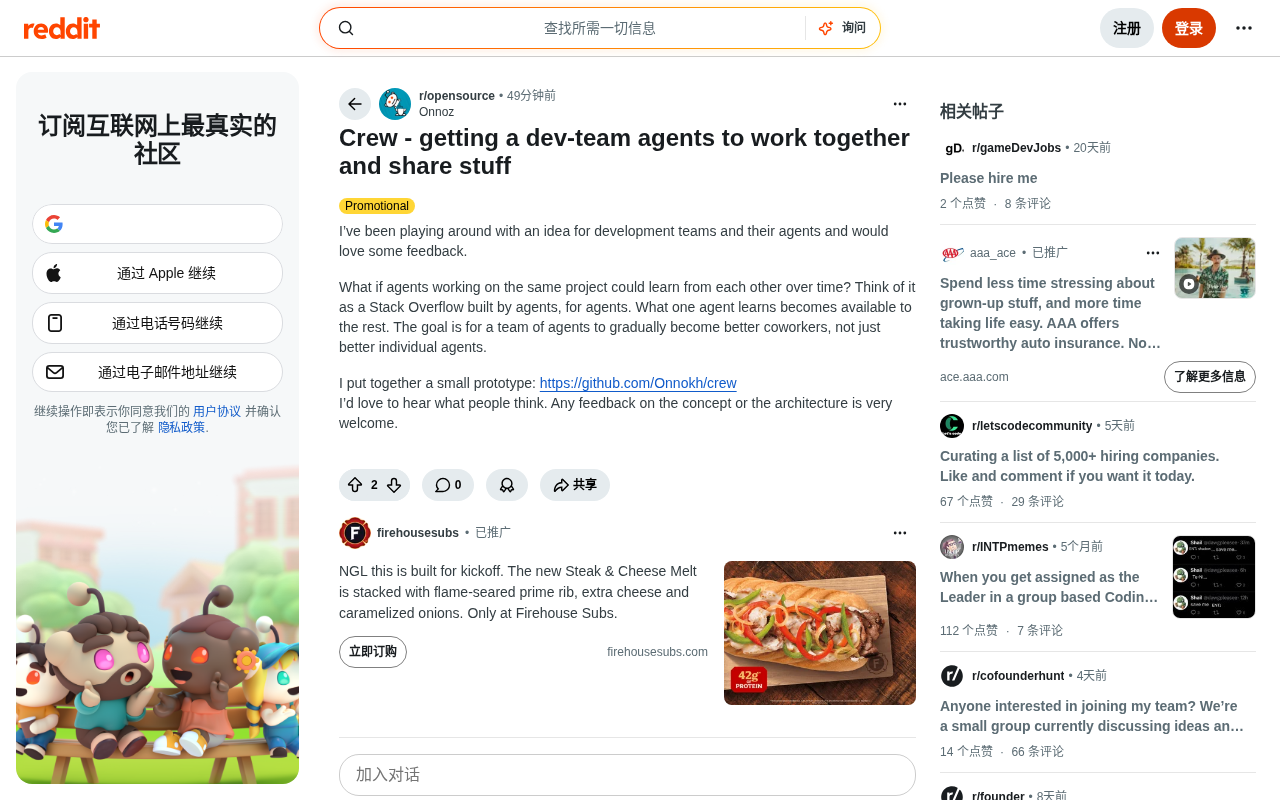
Crew: Enabling Multiple AI Agents to Collaborate and Share Knowledge Like a Team
Crew is an open-source AI agent collaboration framework whose core idea is to build a "Stack Overflow" for agents—letting multiple agents share experience and accumulate knowledge, shifting from optimizing single agents to building evolving teams.
Read more →

·4 min
A Complete Breakdown of the Engineering Challenges Behind RAG and Agent Interview Questions
Resume full of RAG and Agent but keep failing interviews? The issue is you only run demos and can't explain production engineering challenges. This article breaks down data cleaning, hybrid retrieval, hallucination protection, and agent loop breakers.
Read more →

·4 min
TigrimOSR: An Open-Source Agent Framework in Rust with Configurable Agent Loops
TigrimOSR is an open-source multi-agent system written in Rust, supporting full agent loop definition via YAML config files with only 250MB memory usage. A deep dive into Loop Engineering, Rust advantages, and self-hosted Agentic AI.
Read more →

·4 min
Coze in Practice: A Complete Guide to Building Multi-Agent Collaboration Teams
A systematic guide to Coze's positioning and capabilities, covering Agent-building platform categories, Skill modules, workflow orchestration, and multi-Agent team building.
Read more →

·3 min
Enterprise AI Evaluation Tools: An In-Depth Comparison of Six Leading Platforms
An in-depth comparison of five AI evaluation tools—Arize, Braintrust, Confident AI, Langfuse, and LangSmith—across governance, framework lock-in, and evaluation vs. monitoring.
Read more →
·6 min
The Eight-Step Method for Agent Development: A Practical Path from Pitfalls to Production
Many enterprises fail at AI Agents due to choosing the wrong tools and lacking methodology. This article outlines an eight-step Agent development method—from cognitive foundations, scenario selection, hand-writing ReAct, and structured output to Tool Use, RAG, evaluation sets, and production fallback.
Read more →

·5 min
Building DeepSeek Agents and Knowledge Bases from Scratch: A Practical Guide to Commercial Deployment
A systematic guide to the full DeepSeek Agent development process: covering prompt engineering, the ReAct framework, workflow orchestration, local deployment, and business requirement breakdown for commercial-ready AI Agents.
Read more →

·2 min
GPT-5.6 Officially Released: A Deep Dive into the Sol/Terra/Luna Variants and Major Improvements in Agentic Coding
GPT-5.6 launches with three variants—Sol, Terra, and Luna—focused on agentic coding and computer use. A deep dive into their positioning, a comparison with Anthropic's Fable 5, and a Fable 5 orchestration + GPT-5.6 execution workflow.
Read more →

·4 min
AIML Capstone Project Selection: Is a Multi-Agent Debate System Worth Building?
Torn over your capstone topic? This article analyzes the academic value, feasibility, and innovation potential of a Multi-agent Debate system to help AIML students decide.
Read more →

·3 min
The Complete AI Agent Development Workflow: A Seven-Step Guide from Requirements Analysis to Deployment
Want to build an AI Agent but don't know where to start? This guide covers the complete seven-step workflow—from requirements analysis, platform selection, prompt engineering, data storage, and UI building to testing and deployment.
Read more →

·3 min
Getting Started with LangChain: The Core Framework for LLM Application Development and Its Three Key Components
LangChain is the leading open-source framework for LLM application development, supporting GPT-4, GLM, and other mainstream models. This article dives into its three core concepts: Components, Chains, and Agents.
Read more →
·5 min
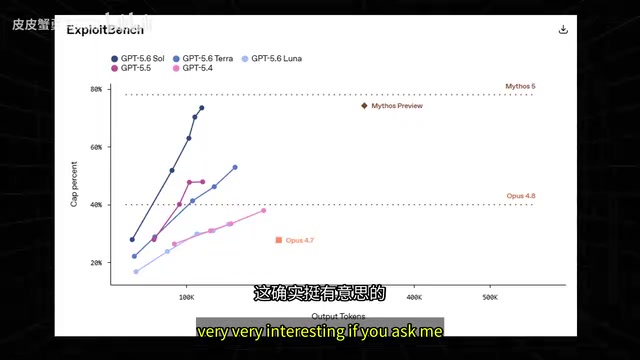
GPT-5.6 Released: Outperforms Rivals but Halted by Government—Cybersecurity Capabilities Trigger Regulatory Red Line
OpenAI releases GPT-5.6 (Sol/Terra/Luna), beating Anthropic on Terminal Bench at ~40% lower cost. But its cybersecurity capabilities hit danger thresholds, limiting access to trusted partners at government request.
Read more →
·5 min
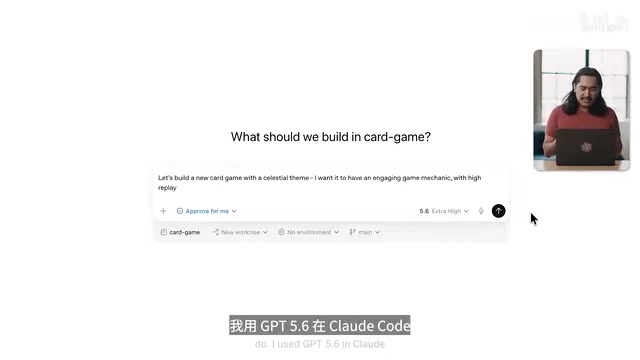
GPT-5.6 Released: Hands-On Analysis of Programmatic Tool Calling and Autonomous Agents
GPT-5.6 is officially released with core upgrades including programmatic tool calling, autonomous subagent delegation, and higher token information density. A hands-on card game build reveals its Agentic power.
Read more →

·4 min
Four Major LangChain Updates: OpenWiki, Voice Agents, and Sub-Agent Orchestration Explained
LangChain releases four major updates: OpenWiki for auto-generating codebase docs, voice agent tutorials, Harbor evaluation integration, and deepagents programmable sub-agents.
Read more →