#agentic autonomy
136 related articles

·4 min
Running Qwen3.6 27B Locally on a Single RTX 3090: A Complete Guide to Cloud-Rivaling Performance
One used RTX 3090, one 16.8GB GGUF file, and Qwen3.6 27B runs locally offline. SWE-bench score of 77 rivals Claude Sonnet. MTP boosts speed to 59 tok/s. Full local AI coding assistant deployment guide.
Read more →

·4 min
GPT-5.6 Deep Dive: AI Training AI Opens a New Paradigm in the Model Race
OpenAI's GPT-5.6 launches as three models: SO, TERA, and LUNA. The flagship SO autonomously completed LUNA's post-training, marking a new era of AI-trained AI. Deep dive into pricing, Programmatic Tool Calling, METR safety findings, and government oversight.
Read more →

·3 min
Ornith 1.0 9B Model Local Test: Tower Defense Game Exposes Small Model Coding Limitations
Hands-on test of Ornith 1.0 9B open model on a 16GB M4 Mac mini. A tower defense game task reveals the precision limits of small-parameter models vs 35B.
Read more →

·2 min
Getting Started with Claude Code: A Complete AI Coding Tool Comparison & Practical Guide
A deep dive into Claude Code's core strengths: full project context reading, auto error fixing, and agentic coding. Compare Copilot, Cursor, Trae, and Codex to find the right AI coding tool for you.
Read more →

·5 min
The Definitive Guide to Claude Code: Core Methodology and Best Practices for Agentic Programming
A deep dive into Claude Code, the definitive course from DeepLearning.AI and Anthropic: from agentic principles and context optimization to three hands-on cases—RAG chatbot, Figma-to-frontend, and data analysis. Master AI-assisted coding methodology.
Read more →
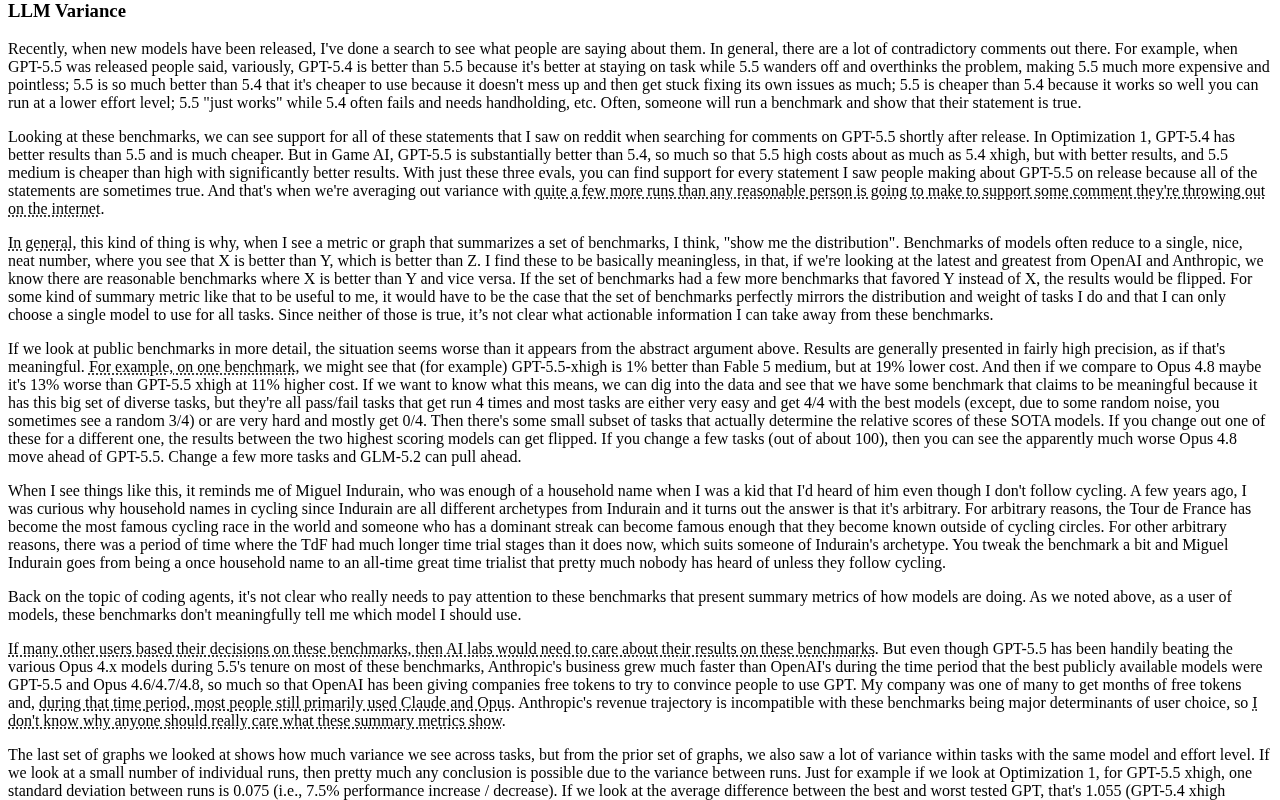
·1 min
Agentic Coding in Practice: Test Feedback Loops, LLM Benchmarks, and an Engineering Adoption Guide
An in-depth look at agentic coding: how test-driven loops enable AI self-correction, the real limits of LLM benchmarks, and key engineering lessons on context management and human-AI collaboration.
Read more →

·4 min
Hands-On with GPT-5.6: A Single Prompt Builds a Real-Time Voice Anime App
Hands-on with GPT-5.6 Sol: auto-generate real-time voice anime characters from one prompt, write physics engines from scratch, and build unfamiliar toolchains autonomously. In-depth review of coding, agentic tasks, benchmarks, and its hallucination weakness.
Read more →

·3 min
The Four-Stage Learning Path for AI Agent Development: A Complete Guide from Beginner to Practitioner
A systematic guide to the four-stage AI Agent development path: core concepts, principle paradigms like ReAct, RL and multi-agent optimization, and real-world projects. Mastering Agent development is the true hardcore edge in today's LLM field.
Read more →

·5 min
GPT-5.6 In-Depth Field Test: A Real-World Log After Burning Through $200K
A developer stress-tested GPT-5.6 for six weeks across 67 projects, burning $180K-$240K in inference. Real cases of task persistence, Rust rewrites, autonomous browser control — plus honest frontend and 3D shortfalls.
Read more →

·2 min
GPT-5.6 Autonomously Writes 1,000 Lines of Code: AI Programming Enters the Task Delegation Era
A Snorkel AI research scientist tested GPT-5.6, which independently completed a nearly 1,000-line coding task without repeated prompting. This article explores the context management breakthrough and AI programming's shift toward autonomy.
Read more →

·2 min
Affordable Alternatives to Codex and Claude Code: A Practical Guide to Open-Source Tools
Struggling with $100/month subscription fees? This guide covers open-source AI coding tools like Aider, Cline, and Continue, combined with OpenRouter's pay-as-you-go model, to help you build an efficient AI coding workflow at minimal cost.
Read more →

·3 min
Alibaba Bans Claude Code Company-Wide: Data Security Concerns Around AI Coding Tools
Alibaba has banned employees from using Claude Code company-wide, shifting sharply from encouragement to prohibition. An in-depth look at data security risks, privacy compliance dilemmas, and the domestic AI alternative trend.
Read more →
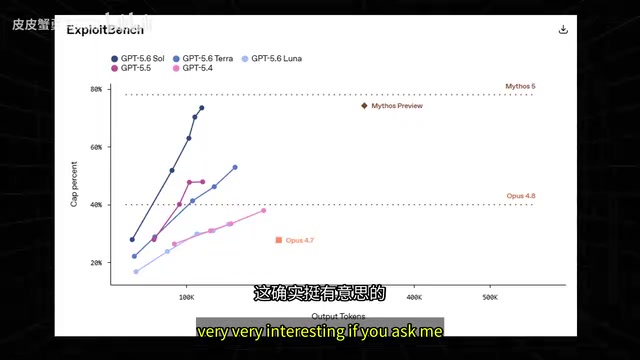
·5 min
GPT-5.6 Released: Outperforms Rivals but Halted by Government—Cybersecurity Capabilities Trigger Regulatory Red Line
OpenAI releases GPT-5.6 (Sol/Terra/Luna), beating Anthropic on Terminal Bench at ~40% lower cost. But its cybersecurity capabilities hit danger thresholds, limiting access to trusted partners at government request.
Read more →
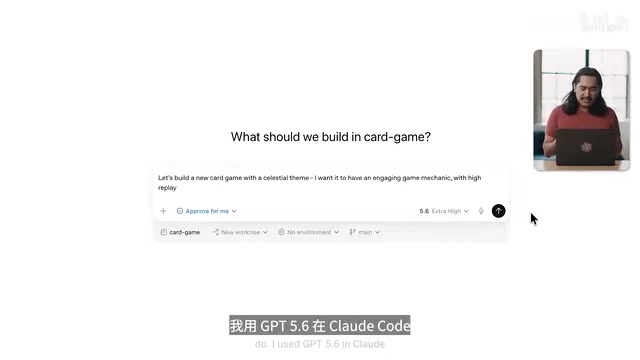
·5 min
GPT-5.6 Released: Hands-On Analysis of Programmatic Tool Calling and Autonomous Agents
GPT-5.6 is officially released with core upgrades including programmatic tool calling, autonomous subagent delegation, and higher token information density. A hands-on card game build reveals its Agentic power.
Read more →
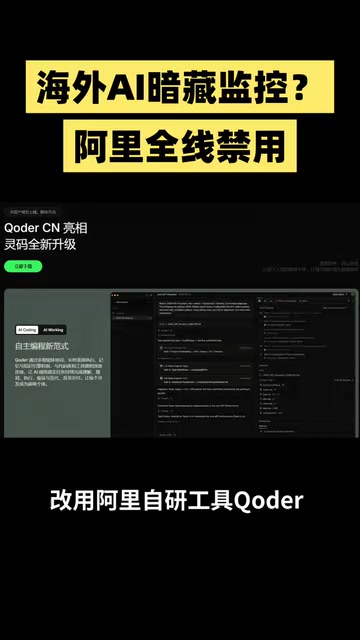
·5 min
Deep Analysis of the Alibaba-Claude Ban: The Battle for Autonomous Control of AI Coding Tools
Alibaba bans all Anthropic products including Claude Code, while ByteDance and Tencent switch to in-house tools. A deep dive into the security logic and industry trends behind China's push for autonomous AI coding tools.
Read more →
·6 min
GPT-5.6 Sol Limited Preview: The Safety Boundaries Behind AI's Capability Expansion
OpenAI's flagship GPT-5.6 advances on three fronts—Sol, Kara, Luna tiered rollout; ByteDance CGN 5.0 Pro and Meta Muse push image generation toward controllable workflows; AI coding agents expose new supply chain risks.
Read more →

·5 min
GPT-5.6 Three-Model Breakdown: Sol/Terra/Luna Pricing and the Regulatory Dilemma
In-depth analysis of OpenAI's GPT-5.6: Sol, Terra, Luna pricing, Cerebras inference advantages, and how OpenAI and Anthropic navigate government regulation amid US-China AI competition.
Read more →

·4 min
9 Proven Methods to Make Hermes Agent Actually Work for You
9 battle-tested methods from hundreds of hours with Hermes Agent: model selection (Opus/ChatGPT/GLM), multi-agent failover, cross-device coordination via Tailscale, and reverse prompting workflows.
Read more →

·4 min
Proactive AI Agent Monitoring: Stop Fighting Fires, Catch Bugs Before Your Customers Do
A real case study: team builds AI Agent "Oogway" to auto-patrol after every job, investigate anomalies, create tickets, and update a knowledge Wiki — catching bugs before customers do.
Read more →

·2 min
Visa Harness: An Open-Source Security Testbed for Auditable AI Vulnerability Scanning
Visa's open-source Agentic security testbed Harness orchestrates threat modeling, vulnerability research, adversarial reproduction, and structured reporting into an auditable pipeline — not just a scan button.
Read more →