#intelligent agents
1675 related articles

·3 min
Context Engineering Explained: From Prompt Engineering to Information Architecture Design for AI Agents
A deep dive into context engineering: its core concepts, four key characteristics, and real-world applications. Learn why it's replacing prompt engineering as the critical skill for building reliable AI agents.
Read more →

·4 min
Lessons from Anthropic Deleting 80% of Claude Code's Prompts: New Rules for Context Engineering
Anthropic deleted 80% of Claude Code's system prompt with no performance drop. Learn 6 new context engineering rules to optimize your AI Agent's context management.
Read more →

·4 min
Claude Opus 5 Prompt Guide: 6 Key Changes and Practical Optimization Tips
Based on Anthropic's official Claude Opus 5 prompting guide, covering 6 practical tips: verbosity control, over-verification traps, effort levels, sub-agent delegation, and more.
Read more →
·4 min
AI Agent Learning Roadmap: A Four-Stage Guide from Zero to Production
A complete AI Agent learning roadmap covering four stages—foundations, core frameworks, hands-on projects, and advanced mastery—to help beginners build production-ready agents in six months.
Read more →

·1 min
Stateless Databases: A Detailed Guide to Lightweight Memory Solutions for AI Agents
An in-depth analysis of stateless agent memory database design principles, exploring how lightweight solutions solve AI Agent memory management challenges.
Read more →
·1 min
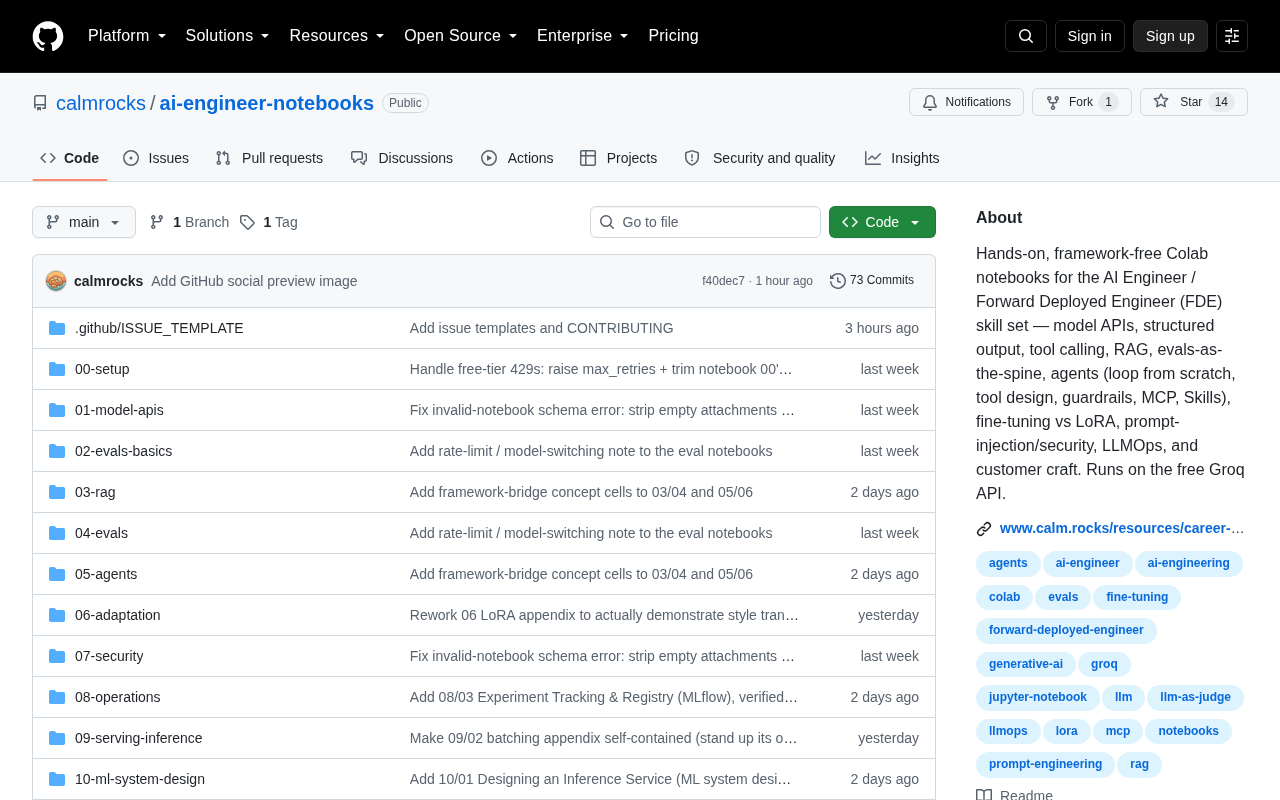
Implementing RAG and Agents Without Frameworks: An Essential Skill for AI Engineers
Explore AI Engineer Notebooks: a free, framework-free open-source project for learning RAG, Agents, and Evals from scratch with plain code on Google Colab.
Read more →

·3 min
Building an AI Agent into Your Custom CRM: How to Pick the Most Practical First Feature
When building an AI-native CRM, what should the first AI Agent feature be? This guide recommends Lead Triage & Enrichment as the best starting point, with practical architecture advice.
Read more →

·4 min
Why Scaling LLMs Can't Achieve True Agentic Autonomy
Explore why scaling LLMs alone can't produce true agentic autonomy, and how three-tier embodied AI, efference copies, and offline sleep cycles offer a path beyond Scaling Laws toward AGI.
Read more →

·4 min
Machine Learning Roadmap: A Complete 85-Day Plan from Zero to Mastery
A structured 85-day machine learning roadmap covering regression, classification, unsupervised learning, neural networks, reinforcement learning, NLP, Transformers, and more with detailed time planning.
Read more →

·4 min
Transitioning to AI Agent Development: A Complete Three-Stage Learning Path for Programmers
Why do programmers keep failing at AI Agent development? This guide breaks down a 3-stage learning path: ReAct & Tool Calling fundamentals, LangChain engineering, and production-grade project delivery.
Read more →

·3 min
Andrew Ng's RAG Practical Course: A Complete Guide from Basic Retrieval Augmented Generation to Agentic RAG
Deep analysis of Andrew Ng's latest DeepLearning.AI RAG course covering retrieval augmented generation fundamentals, vector databases, document chunking, Agentic RAG architecture, and production system evaluation.
Read more →

·2 min
Lazy Cat Music: AI Voice Commands to Automatically Build a Lossless Private Music Library
Lazy Cat Music uses the AI agent Little Totoro for voice-driven music downloads, automatic import to Lazy Cat Cloud Drive, and lossless playback — a one-stop private music library solution that's pure and ad-free.
Read more →
·3 min
The Fascinating Real-World Counterparts of OpenAI Gym Reinforcement Learning Environments
Exploring how OpenAI Gym RL environments map to real-world scenarios, from CartPole to MountainCar, covering design principles and the sim-to-real transfer challenge.
Read more →

·3 min
Coze 3.0 Workflow in Practice: Build an Automated AI Agent in Three Steps
Learn to build AI Agents on Coze 3.0 in three steps: prompt engineering & API calls, RAG knowledge base construction, and multi-agent autonomous decision-making for low-code AI app development.
Read more →

·2 min
AI Penetration Testing Learning Roadmap: Four Stages from Beginner to Security Expert
A detailed four-stage AI penetration testing roadmap: from fundamentals and web vulnerability discovery to enterprise automation and intelligent Agent development, helping security professionals master the human-AI collaboration paradigm.
Read more →

·2 min
VMs Can't Contain AI Hacker Agents: The Security Isolation Myth Is Shattered
Deep analysis of why VMs can't truly isolate AI agents with cyber attack capabilities. Covers VM isolation failures, new AI security paradigms, and defense-in-depth strategies.
Read more →

·3 min
Ify: An AI Solution That Layers on Top of Your Existing Help Desk
Ify is an AI customer service tool that deploys on top of Zendesk, Freshdesk, and other existing help desks — no migration needed. It auto-builds knowledge bases for fast AI support deployment.
Read more →
·3 min
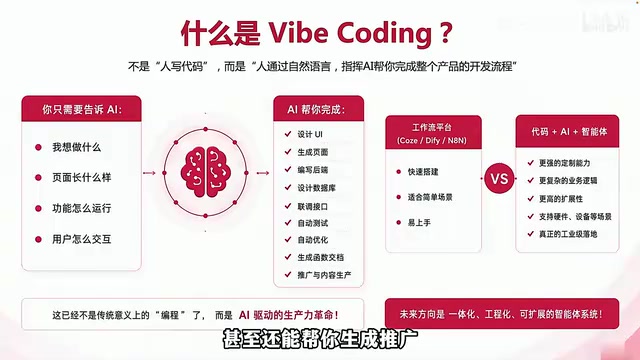
Vibe Coding Practical Guide: AI Full-Stack Development for Building a One-Person Company
A deep dive into Vibe Coding: from requirements analysis, UI design, multi-platform deployment to AI-automated operations. Master the full-stack AI development loop for one-person companies.
Read more →
·2 min
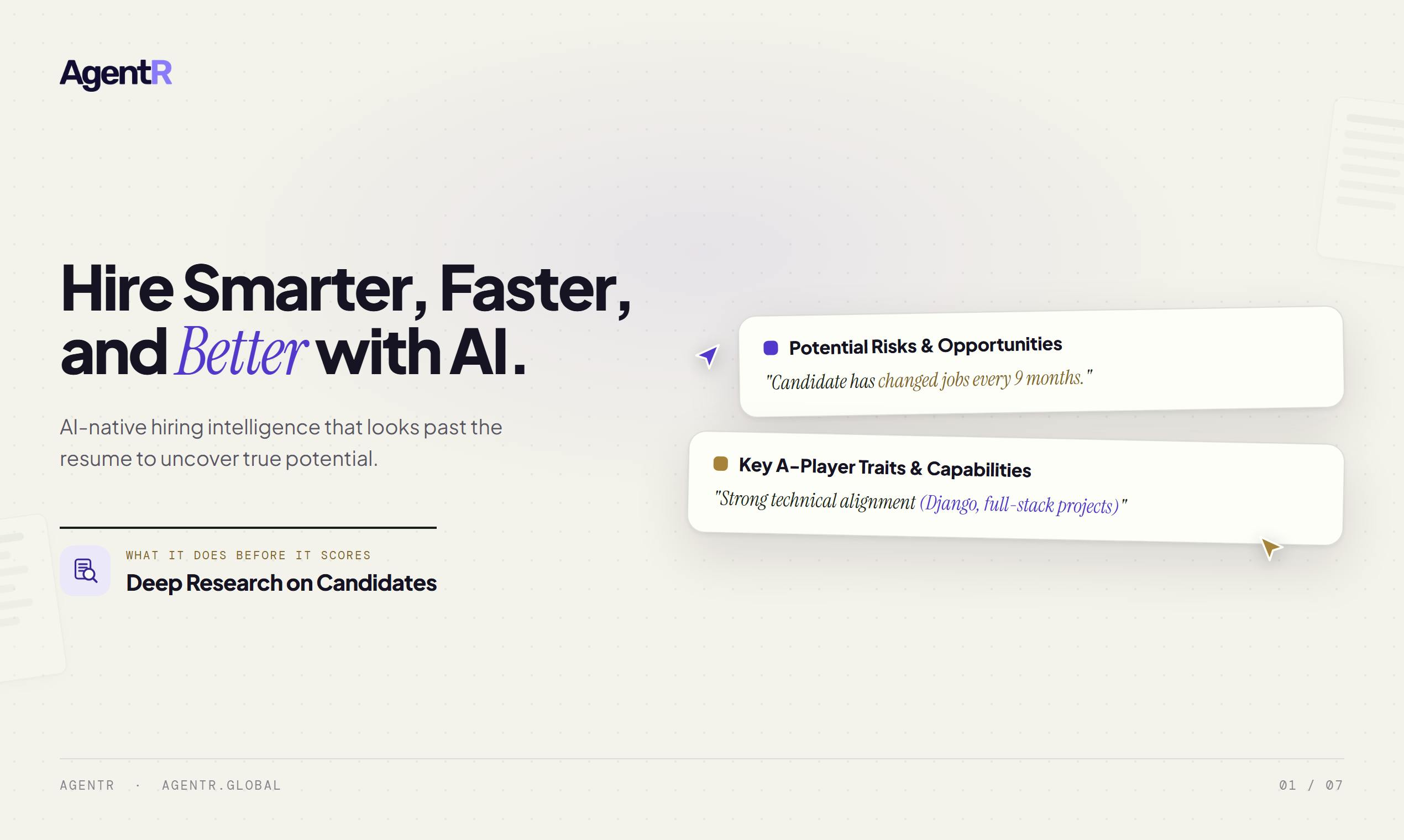
AgentR 3.0: A Hiring Evaluation Agent Designed for the AI Cheating Era
AgentR 3.0 is a hiring evaluation AI Agent for the AI cheating era, using structured, adaptive, cheat-proof autonomous interviews to replace resume screening with evidence-driven assessment.
Read more →

·3 min
MiniMax H3 In-Depth Review: A Comprehensive Evaluation of the Open-Weight Audio-Driven Video Generation Model
In-depth review of MiniMax H3 open-weight video generation model covering anime, commercial ads, audio-driven video, R2V reference generation, and ComfyUI local deployment tutorial.
Read more →