#knowledge worker efficiency
251 related articles

·2 min
AI Agent Learning Path: Mastering Intelligent Agent Development from 0 to 1
Many people learn tons of fragmented content yet remain confused. This article maps out the complete AI Agent knowledge landscape—from LLM and prompt basics, tool calling, and RAG to LangChain and multi-agent collaboration—with a clear learning order.
Read more →

·3 min
Vivo's India Joint Venture: A New Blueprint for Chinese Smartphone Brands Going Local
Vivo's India JV signals a new era for Chinese smartphone brands. We analyze the strategic logic, geopolitical context, and what it means for OPPO, Xiaomi, and India's manufacturing ambitions.
Read more →
·6 min
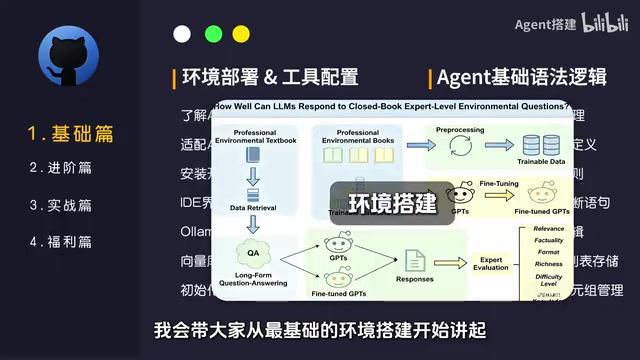
AI Agent Development Learning Path: Four Stages from Zero to Hands-On Projects
A systematic breakdown of the AI agent development learning path, covering four stages: fundamentals, RAG knowledge bases, tool use, multi-agent collaboration, and hands-on projects.
Read more →
·5 min
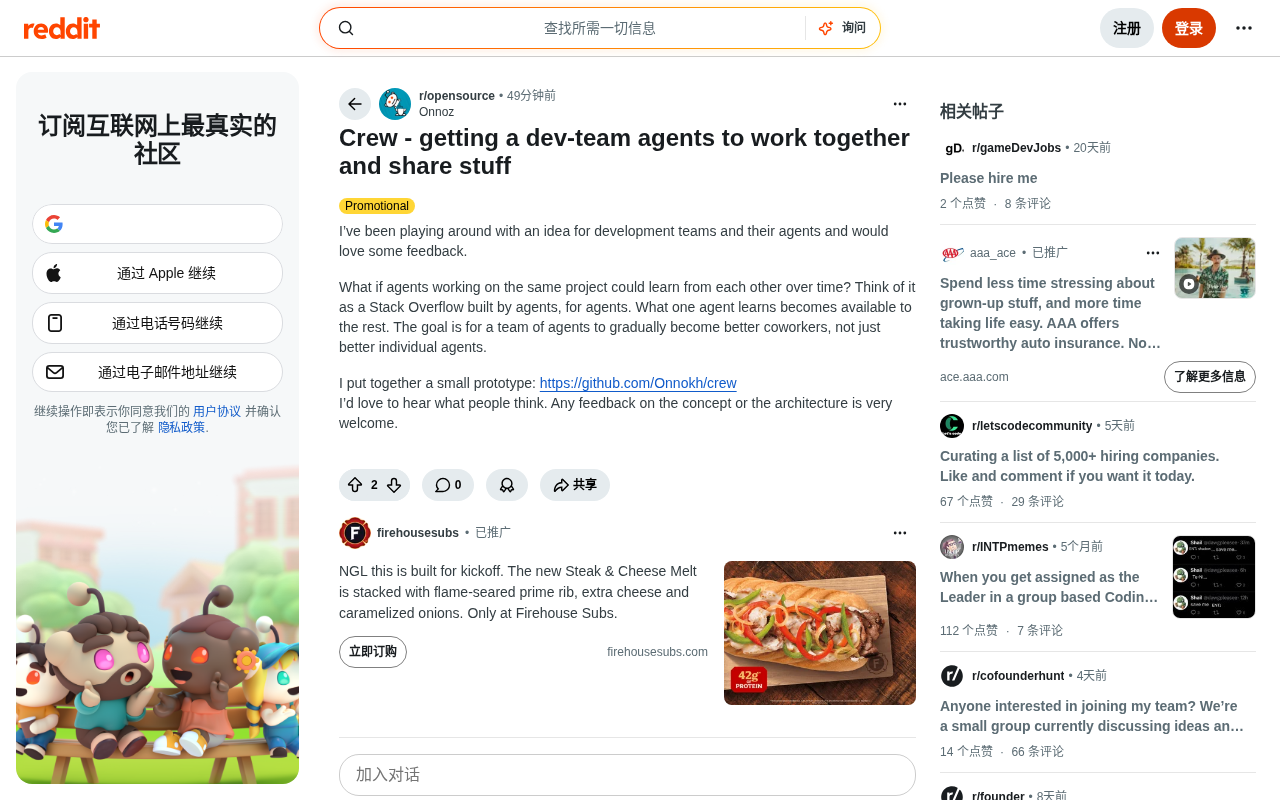
Crew: Enabling Multiple AI Agents to Collaborate and Share Knowledge Like a Team
Crew is an open-source AI agent collaboration framework whose core idea is to build a "Stack Overflow" for agents—letting multiple agents share experience and accumulate knowledge, shifting from optimizing single agents to building evolving teams.
Read more →

·4 min
Coze in Practice: A Complete Guide to Building Multi-Agent Collaboration Teams
A systematic guide to Coze's positioning and capabilities, covering Agent-building platform categories, Skill modules, workflow orchestration, and multi-Agent team building.
Read more →

·2 min
The Real Bottleneck for AI Adoption: Context Engineering, Not Model Capability
How you use AI determines whether it's just a gimmick. This article breaks down three real business scenarios showing how context engineering turns Claude from a hallucinating toy into an operations partner saving 5-10 hours a week.
Read more →

·3 min
AI Didn't Take My Job — It Made Me Work Two to Pay for Subscriptions
The most authentic worker dilemma of the AI era: not unemployment anxiety, but subscription anxiety. ChatGPT, Claude, Copilot — monthly fees easily top $100. Are AI productivity tools a boost or a new burden?
Read more →
·7 min
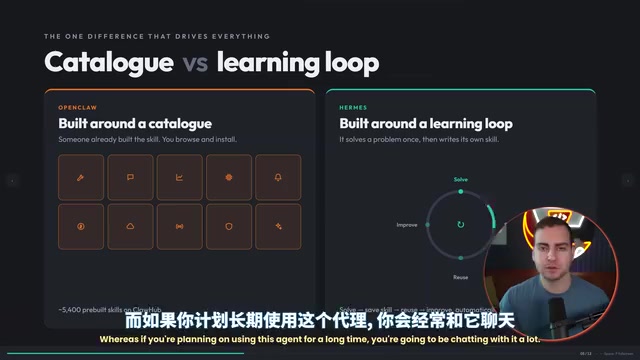
OpenClaw vs Hermes: An In-Depth Comparison and Selection Guide for AI Agent Tools
An in-depth comparison of OpenClaw and Hermes Agent, covering skill management, memory mechanisms, security, and gateway configuration to help you find the right AI agent solution.
Read more →

·5 min
AI Data Centers Competing for Power: Why U.S. Manufacturing Energy Costs Keep Soaring
The explosive expansion of AI data centers is voraciously consuming electricity, directly driving up U.S. manufacturing energy costs. This article dissects the crowding-out effect and the path forward.
Read more →

·5 min
From Large Models to AI Agents: A Complete Analysis of the Four Evolutionary Stages and Four Major Commercial Tracks
Prompt engineering and RAG can no longer meet enterprise digital transformation needs—AI Agents are the key. This article breaks down the four evolutionary stages of large model deployment and the four major Agent commercial tracks.
Read more →

·6 min
Zuckerberg Admits AI Progress Falls Short of Expectations: The Industry Truth Behind the Layoffs
Meta laid off 8,000 to bet on AI, yet Zuckerberg admits AI agents fell short of expectations. A look at the collective 'AI reflection' among OpenAI, Microsoft, and Google, plus research on AI's selective impact on jobs.
Read more →

·2 min
WisprGemma: Fully Local In-Browser Voice Input — Your Audio Never Leaves Your Device
WisprGemma is an open-source, browser-local voice input tool built on WebGPU and Transformers.js. One Gemma model handles speech recognition and text polish — your voice never leaves your device.
Read more →

·5 min
The Real Bottleneck in Materials Innovation: Why Scaling Up Is Harder Than Discovery
Why do lab breakthroughs in materials struggle to reach the market? An in-depth analysis of the core bottleneck from discovery to mass production—covering physical process challenges, economic thresholds, academic incentive imbalances, and paths forward in the AI era.
Read more →

·2 min
When Programmers Become Casualties of War: Humanity and Reflection in the Tech Community
A sobering Hacker News post memorializes Haitham, a programmer killed in a targeted strike. We explore how the global developer community confronts armed conflict and human cost.
Read more →

·4 min
The Secret of AI Power Users: Understanding the Underlying Logic Matters More Than Prompt Tricks
The gap between AI power users and everyone else isn't about prompt tricks — it's about understanding LLMs, multimodal models, workflows, and agents. Build your complete AI mental model here.
Read more →

·6 min
GPT-5.6 Hands-On Deep Dive: ChatGPT and Codex Merge, Full Analysis of the Sol Model
GPT-5.6 is officially released, merging ChatGPT and Codex into one app and launching the three-tier Sol, Terra, and Luna models. A detailed breakdown of 16 hands-on tests plus Worker mode and Codex dev upgrades.
Read more →

·3 min
From IT Support to AI Engineer: A Real NCA-GENL Certification Journey and Lessons Learned
A real NCA-GENL study journal from an IT-support-turned-AI-engineer: 50+ scenario questions, 7-week prep, and a brutal 40% on Trustworthy AI. Covers Transformer concepts, NVIDIA tools, and what actually works.
Read more →

·3 min
3 Skill Configurations That Turn Claude Code into a Testing Powerhouse — Say Goodbye to Repetitive Work
Still using Claude Code as a chatbot? Learn 3 Skill configurations for QA engineers: Bug report generation, code risk review, and test data construction.
Read more →

·8 min
OpenAI Merges Codex with ChatGPT: A Deep Dive into the Unified Desktop App Overhaul
OpenAI officially merges its coding agent Codex with ChatGPT into a unified desktop app, adding new coding workflows, a Chrome extension, a built-in browser, and GPT-5.6-powered Computer Use capabilities.
Read more →

·4 min
Switching Careers to LLM Development: The Four Core Competency Layers Companies Actually Need
Want to break into LLM development but not sure where to start? This guide breaks the core skills into four progressive layers — from basic knowledge to RAG, fine-tuning, Agents, and multimodal — so you can align with real enterprise needs and land the job.
Read more →