#lightweight AI models
2220 related articles

·2 min
Struggling to Choose a Gemini Model? Analyzing UX Pain Points in the Multi-Model AI Era
Facing Gemini Pro, Flash, Ultra and many variants, users often suffer choice paralysis. This article analyzes AI model naming confusion, information asymmetry, and proposes UX solutions like smart defaults and intent-first design.
Read more →

·2 min
LFM2.5 Released: How a 2.6B Small Model Rivals Models 4x Its Size
Liquid AI releases LFM2.5: a 2.6B parameter model rivaling 10B-class models on multiple benchmarks. Exploring its architectural innovation, training strategy, and implications for AI efficiency.
Read more →

·4 min
OpenCode Practical Guide: Installation, Configuration & Usage Tutorial for This Open-Source Claude Code Alternative
Complete guide to OpenCode, the open-source Claude Code alternative: covers desktop and WSL installation, model configuration, rule files, custom commands, and MCP service integration.
Read more →

·3 min
dolv: The Unified AI Execution Operator for Growth Teams
dolv is an AI execution operator for growth teams that reads real-time funnel data, executes tasks across tools, and includes human approval—upgrading from AI assistant to true business executor.
Read more →

·2 min
NVIDIA Open-Sources Real-Time AI Animation Technology: Strategic Analysis and Developer Practice Guide
NVIDIA open-sources real-time AI animation tech for virtual streamers, game NPCs, and digital humans. Analysis of strategy, applications, and developer challenges.
Read more →

·3 min
MLOps Multi-Environment Architecture: A Detailed Guide to the Dual Lifecycles of Systems and Models
A deep dive into MLOps multi-environment architecture design, clarifying the two distinct lifecycles—system CI/CD and model training-promotion—to build clear environment isolation and model delivery pipelines.
Read more →

·3 min
DistroTube on Linux Distro Selection, AUR Security Risks, and Practical Open-Source Tool Experience
DistroTube shares Linux distro selection insights, AUR malware avoidance strategies, recommends Chaotic AUR and AppImage alternatives, and discusses Linux desktop growth, AI tools, and programming advice.
Read more →

·2 min
Obidos Open Source: A Detailed Look at the Self-Hosted Enterprise-Grade Secure Secret Sharing Platform
Obidos is now open source, offering a self-hosted enterprise-grade solution for secure storage and sharing of secrets. Features fine-grained access control, AD/LDAP integration, and covers passwords, documents, and financial assets.
Read more →

·3 min
Practical Guide to Accelerating LLM Inference with Apple Silicon Virtual Machines
A deep dive into accelerating llama.cpp inference in macOS VMs using Apple Silicon's unified memory architecture, covering Metal backend configuration, memory allocation, and quantization optimization.
Read more →

·3 min
Meta Muse Glimmer: A Deep Dive into the 30B Open-Source Local Coding Model
Deep dive into Meta Muse Glimmer, a 30B open-weight coding model for local deployment. Covers technical specs, use cases, hardware requirements, and comparisons with Code Llama and DeepSeek Coder.
Read more →
·2 min
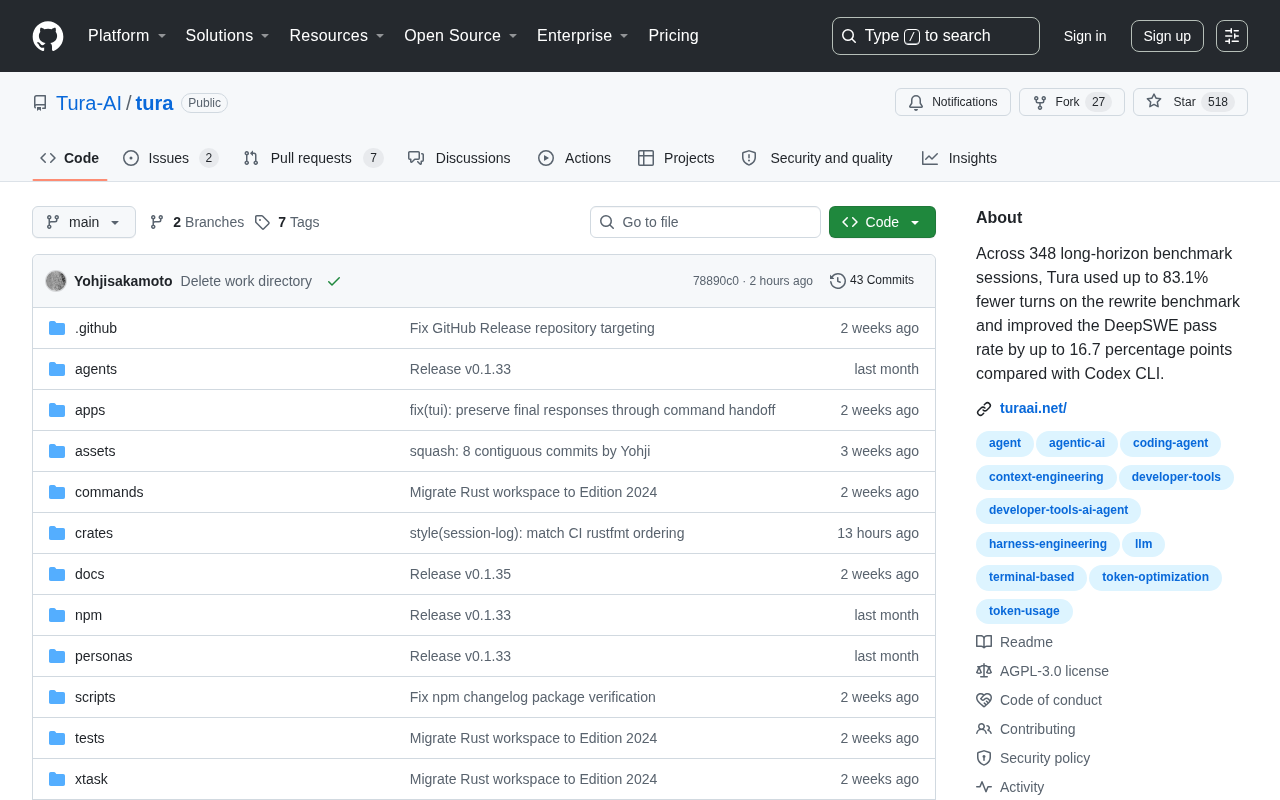
Tura: A New Approach to Saving 80% of Tokens for AI Agents
An in-depth analysis of how the Tura framework helps AI Agents reduce 80% of token consumption while improving task quality through intelligent context management and structured tool calling.
Read more →

·2 min
Ododok: A Health Monitoring App That Tracks Chewing Count Using AirPods
Ododok uses AirPods' built-in sensors to track chewing count, rhythm, and meal duration in real time—no extra hardware needed to quantify eating behavior and build healthier habits.
Read more →

·3 min
Website to Markdown API: Opening the Data Gateway for LLMs and RAG Systems
Deep dive into how Website to Markdown API solves LLM data ingestion challenges. Supports intelligent content extraction, JS rendering, and anti-bot measures to convert web pages and documents into AI-ready Markdown for RAG systems.
Read more →

·3 min
PagedAttention Explained: GPU Memory Optimization and Model Routing Techniques
Deep dive into how PagedAttention borrows OS paging to optimize GPU memory, eliminate KV Cache fragmentation, and how model routing enables intelligent scheduling for multi-model inference services.
Read more →

·3 min
GitHub Daily · August 12: Claude Code Ecosystem Explosion and Extreme Edge Model Compression
GitHub Trending Aug 12: Claude Code ecosystem explodes with diagram-design topping charts, needle compresses models to 14MB for edge AI, and Rust rises in AI infrastructure.
Read more →

·4 min
Tau Open-Source Coding Framework Explained: A Python Port of Pi
Deep dive into the Tau open-source coding framework: tree-based session management, JSONL persistence, skills system, and custom prompts. Learn how this Python port of Pi delivers a new AI coding agent experience.
Read more →

·4 min
Building a Home Lab for Free: Turn Retired Hardware into a Private Cloud and Media Server
A Reddit user scored 3 AMD FX PCs, 32GB RAM, and 12 HDDs for free from a friend's company. Learn how to build a Jellyfin media server and Nextcloud private cloud with retired hardware, including HBA expansion and storage planning.
Read more →

·4 min
Needle2: How a 14MB On-Device Agentic LLM Could Transform Edge AI
Needle2 is a 14MB on-device agentic LLM designed for phones, wearables, smart homes, and robots. This article analyzes its compression techniques, architecture, and the cloud-to-edge AI paradigm shift.
Read more →

·2 min
quick-sandbox: A Lightweight Code Sandbox for Safe Execution in the AI Programming Era
quick-sandbox is a lightweight code sandbox tool for AI programming scenarios, offering sub-second startup and isolated execution for AI Agents and untrusted code.
Read more →

·4 min
Why Are Meta's Smart Glasses Called "Pervert Glasses"? A Full Analysis of the Privacy Controversy
Meta's smart glasses have been labeled "Pervert Glasses" due to covert recording capabilities. This article analyzes the privacy controversy—from hidden cameras and AI facial recognition to Meta's trust crisis.
Read more →