#multi-agent parallelism
109 related articles

·2 min
Agent Loop Explained: Core Principles and Implementation of the Agentic Cycle
A deep dive into the Agent Loop: how agents autonomously cycle through think→act→think, the difference from regular LLMs, ReAct paradigm origins, and how to implement one from a while loop.
Read more →

·3 min
OpenClaw Multi-Agent AI Programming Workflow in Practice: From Coder to Manager
Deep dive into OpenClaw multi-agent AI programming workflows: context layering, CMUX parallel terminal management, work trees, and manager-perspective debiasing for scalable AI dev automation.
Read more →

·2 min
GPT-5.6 Deep Dive: A Qualitative Leap in Coding and Frontend Capabilities
A 1-billion-token deep dive into GPT-5.6 Solar Max reveals qualitative leaps in coding stability, Skills compliance, and frontend design. Includes version selection guide.
Read more →
·3 min
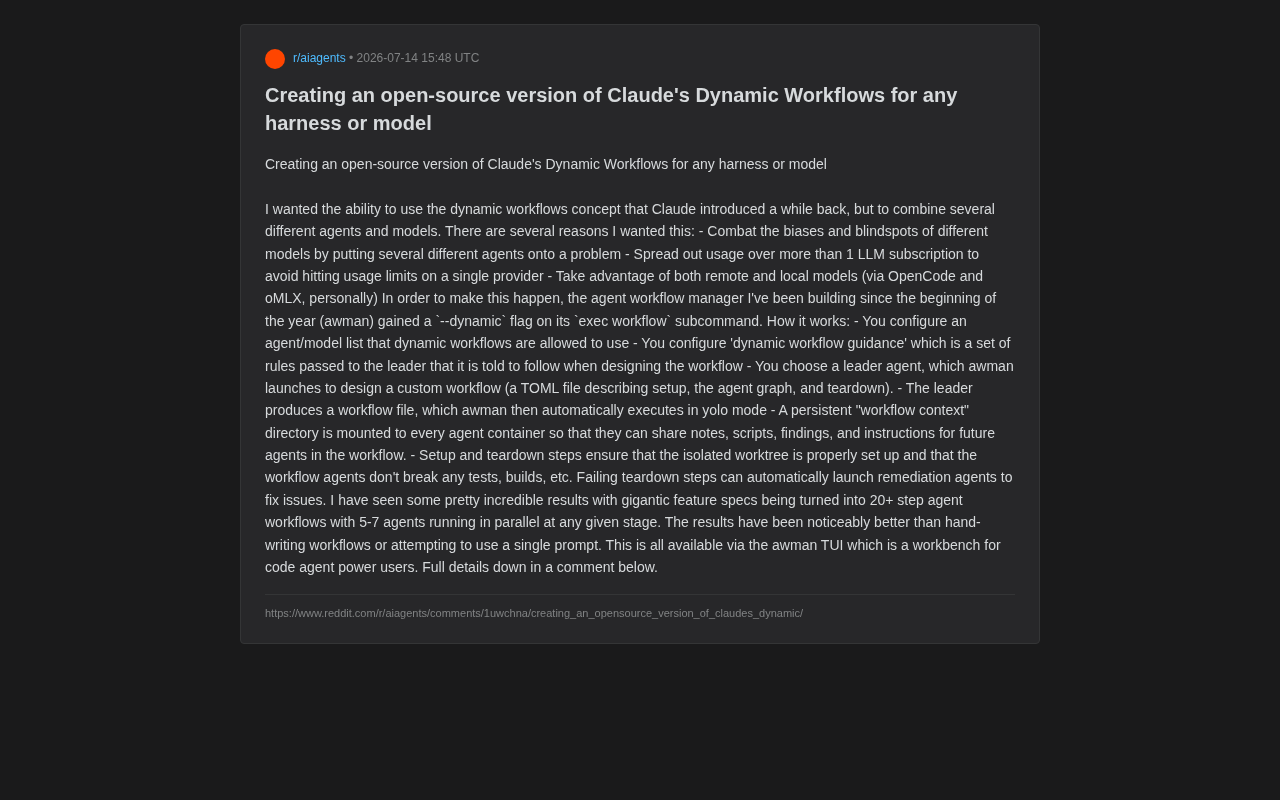
Open-Source Dynamic Workflows: How awman Enables Multi-Model Collaborative AI Programming
awman's --dynamic flag enables cross-framework dynamic workflows with multi-model collaboration. Explore its leader agent architecture, shared context design, and auto fault-tolerance mechanisms.
Read more →
One Prompt, 50 Games: An Experiment in…
·3 min
One Prompt, 50 Games: An Experiment in Parallel Multi-Agent Orchestration with Claude
One developer used a single prompt to run dozens of Fable-5 agents in parallel, generating 50+ playable games in one day. A deep dive into parallel agent orchestration, Claude Code CLI, and the future of AI-driven software production.
Read more →

·3 min
Deep Dive into ChatGPT Ultra's Parallel Sub-Agent Architecture: Parameters, Configuration, and Best Practices
A deep dive into ChatGPT Ultra mode's parallel sub-agent architecture, covering concurrency limits, delegation depth, token optimization, and configuration best practices for GPT-5.6.
Read more →

·3 min
Can GPT-5.6 Prove a 50-Year Graph Theory Conjecture? The Boundaries and Verification of AI Mathematical Reasoning
GPT-5.6 Soul Ultra claims to prove the 50-year-old Cycle Double Cover Conjecture in under an hour using 64 parallel agents. We examine the technical path, missing peer review, and formal verification gaps.
Read more →

·3 min
GPT-5.6 Proves 50-Year Graph Theory Conjecture in Under an Hour — A Milestone for AI Mathematical Reasoning
GPT-5.6 Soul Ultra proves the 50-year-old Cycle Double Cover Conjecture in under an hour. Plus: BCI clinical breakthrough, Apple vs. OpenAI, xAI privacy concerns, and EU dark pattern rules.
Read more →

·6 min
OpenAI Merges ChatGPT and Codex: The Super App for the AI Agent Era Is Here
OpenAI merges ChatGPT and Codex into a super app and releases three new GPT-5.6 models: Sol, Terra, and Luna. A deep dive into four hands-on workflows—Computer Use, Loops, and multi-threading—for the AI agent era.
Read more →

·3 min
Generate a Mini-Game from a Single Prompt? Testing the Cocos AI Agent Plugin
Deep dive into the Cocos Creator AI Agent Plugin: three-level context compression, tool approval, multi-agent parallelism, and DeepSeek-powered Mario scene building — all in one test.
Read more →

·3 min
SlickToken: A Deep Dive into GPU Fleet and Agentic Workflow Planning
SlickToken is a GPU fleet and agentic workflow planning tool for AI teams, supporting offline simulation, load testing, and capacity planning—no internet required to protect enterprise data.
Read more →
·3 min
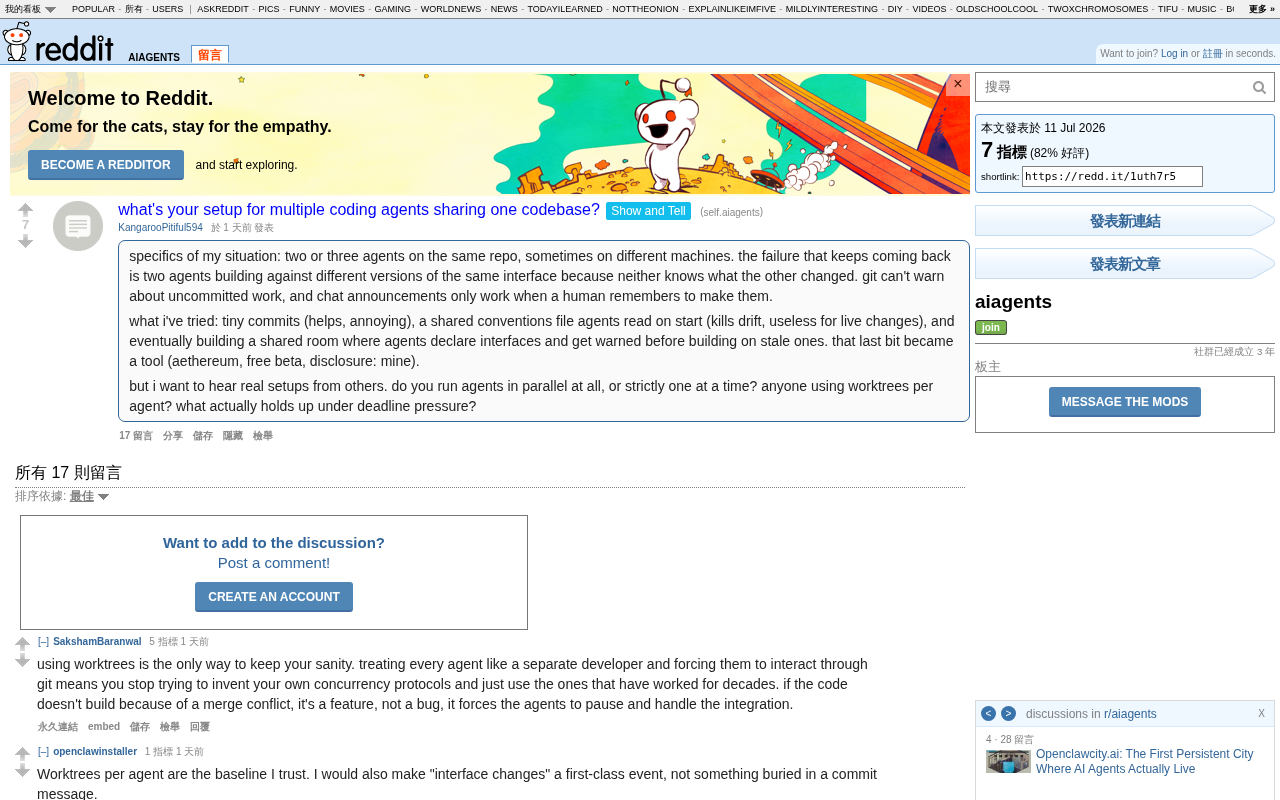
Multiple AI Agents Sharing a Codebase: Parallel Collaboration Conflicts and Practical Solutions
When multiple AI coding agents work on the same codebase simultaneously, how do you avoid interface conflicts and coordination chaos? A deep dive into Git worktree isolation, contract-first design, and intent declaration.
Read more →
·6 min
Hands-On With Hermes Agent's Eight Major Updates: A Complete Guide to AI Automation and Self-Evolution
The Hermes Agent gets a major upgrade with eight new features: native iMessage, parallel background sub-agents, Unreal Engine MCP support, a self-evolving Skill Hub, and more. A hands-on breakdown of the core changes and their real impact on personal AI automation workflows.
Read more →

·6 min
A Deep Dive into AI Agent Harnesses: The Core Engineering Behind Agent Frameworks
What is an AI Agent's harness? This article systematically dissects the core components of agent frameworks: context management, tool use, control loops, and caching strategies—revealing why the same model performs so differently across harnesses.
Read more →
·5 min
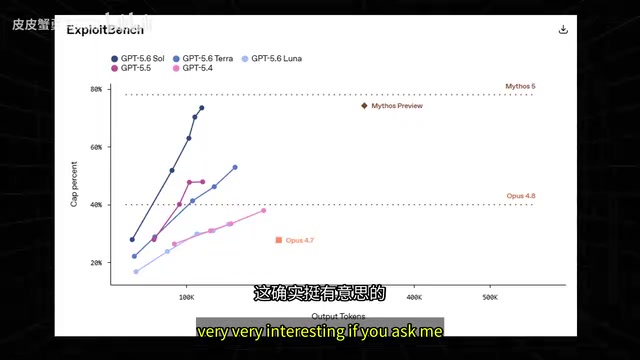
GPT-5.6 Released: Outperforms Rivals but Halted by Government—Cybersecurity Capabilities Trigger Regulatory Red Line
OpenAI releases GPT-5.6 (Sol/Terra/Luna), beating Anthropic on Terminal Bench at ~40% lower cost. But its cybersecurity capabilities hit danger thresholds, limiting access to trusted partners at government request.
Read more →

·7 min
GPT-5.6 and Grok 4.5 Launch Simultaneously, Meta Unveils Agent-Based Image Model
OpenAI GPT-5.6 expands its preview, xAI Grok 4.5 opens access at the same time, Meta releases the Agent-based Muse Image model and Muse Video model, while Apple and DeepSeek launch in-house AI inference chip programs. A quick look at the week's five biggest AI stories.
Read more →
·3 min
Vibecoding in Practice: Task Concurrency Splitting Makes AI Inference 3x Faster
Learn how to split AI reasoning tasks by act and character, run 14 concurrent streams, and cut processing time from 100s to 30s — a reusable schedule-concurrency-aggregate methodology.
Read more →

·2 min
OpenAI GPT-5.6 Released: Three Versions Compared — Full Breakdown of the All-in-One Super App
OpenAI releases GPT-5.6 in three tiers (SOUL/TERA/LUNA) and a unified ChatGPT desktop app with Chat, Work, and Codex modes. Learn how to choose the right version.
Read more →

·6 min
GPT-5.6 Hands-On Deep Dive: ChatGPT and Codex Merge, Full Analysis of the Sol Model
GPT-5.6 is officially released, merging ChatGPT and Codex into one app and launching the three-tier Sol, Terra, and Luna models. A detailed breakdown of 16 hands-on tests plus Worker mode and Codex dev upgrades.
Read more →

·7 min
The Five Pillars of Production-Grade AI Agents: A Battle-Tested Guide from Demo to Deployment
Databricks tech lead Sandy shares a five-pillar framework for production-grade AI Agents—evaluation, observability, data foundation, orchestration, and governance—with a £85K retail banking failure case to bridge the demo-to-production gap.
Read more →