#text-to-image fine-tuning
40 related articles

·2 min
Gemini Generates Overly Glossy Anime Images? Practical Solutions Explained
Fix Gemini's overly glossy anime images with practical prompt engineering techniques including flat coloring, cel shading, matte finish descriptors, and iterative adjustments.
Read more →

·3 min
MiniMax H3 Team AMA Full Breakdown: What's Coming Next and What's Still Broken
MiniMax H3 team's Reddit AMA confirms 2K regeneration model, sparse attention acceleration, and a dedicated image model coming soon, while acknowledging known defects like distant blurring and detail graininess.
Read more →

·3 min
Meta's Ad System Served AI-Generated Child Sexual Abuse Material: Platform Moderation Gaps and Industry Response
Meta's ad system served ads with AI-generated CSAM, exposing platform moderation gaps. Analysis of how AI challenges traditional detection, platform accountability, and industry countermeasures.
Read more →

·3 min
Machine Learning Project Portfolio: A Complete Guide to Building Resume-Worthy ML Projects
From project selection to deployment, learn how to build resume-worthy ML projects. Covers end-to-end workflows, tiered project recommendations, and practical tips for ML learners transitioning from beginner to intermediate.
Read more →

·2 min
AI-Generated Future City Images: The Imagination and Realistic Boundaries of Concept Art
Exploring how AI image generation reshapes future city concept art, analyzing text-to-image tools like Midjourney in visual creativity, and the boundary between AI imagination and real urban planning.
Read more →
·4 min
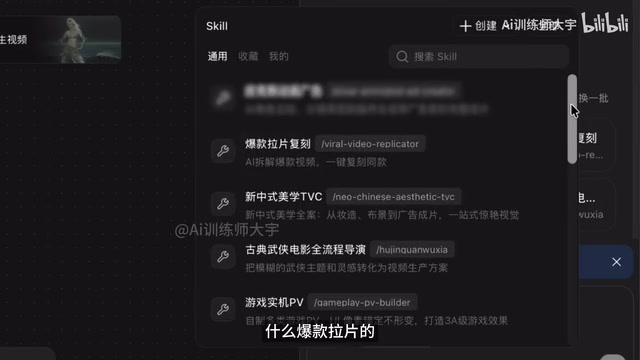
LibTV Hands-On: A Full Breakdown of How an AI Agent Produces an Animated Short in One Day
Hands-on test of LibTV's AI Agent: from script and storyboarding to video compositing, one person completes an animated short in a day. Full breakdown of the Skill library, node workflow, and Story Board features.
Read more →

·3 min
Midjourney's Multi-Industry Expansion: The Cross-Domain Logic Behind Its Move from AI Art to Healthcare and Astrology
Midjourney expands from AI image generation into medical scanning, spas, and astrology apps. Behind the seemingly chaotic diversification lies a clear strategic logic of generative AI's horizontal penetration.
Read more →
·6 min
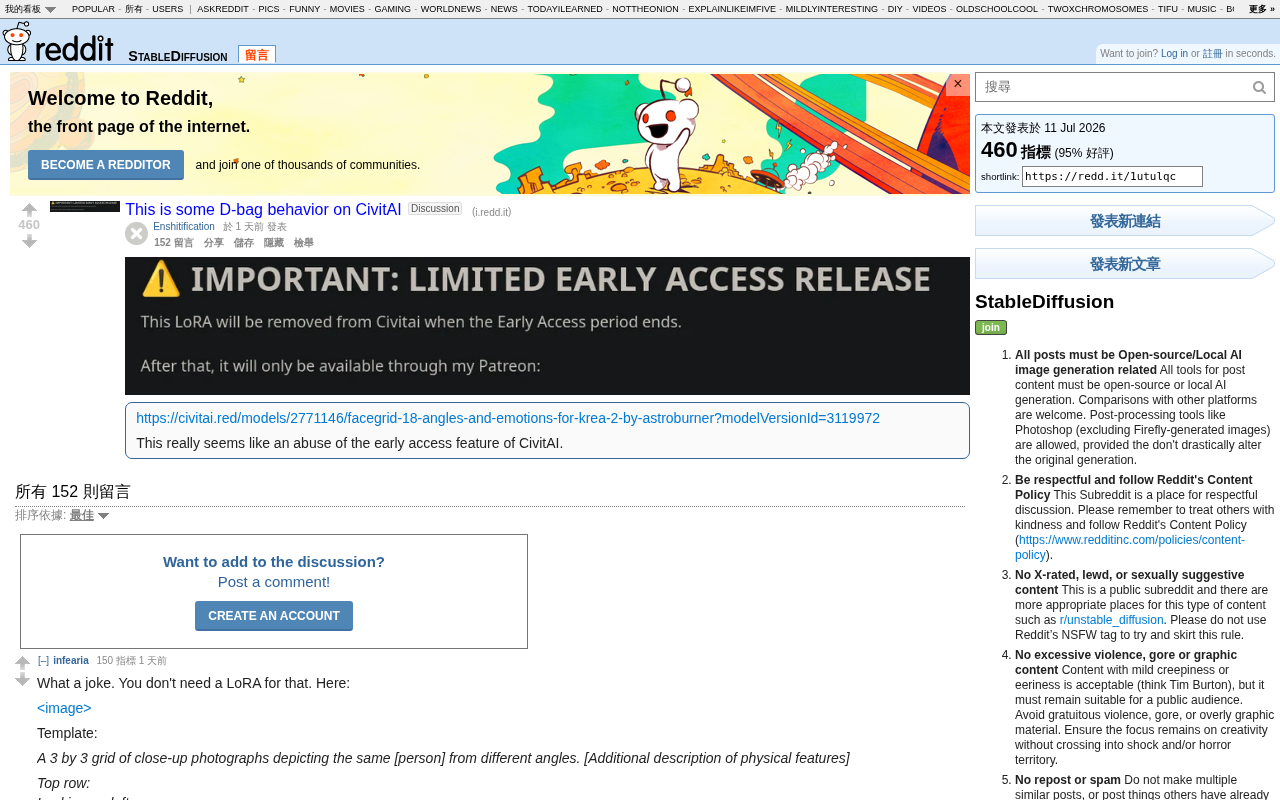
The CivitAI Early Access Controversy: Where Is the Boundary Between Open-Source Ethos and Commercialization?
CivitAI's paid "Early Access" mechanism has sparked heated debate on Reddit: should functional models stay locked behind paywalls long-term? An in-depth look at creator monetization, community consensus, and platform responsibility.
Read more →

·3 min
From Word Vectors to Large Language Models: The Complete Evolution of AI 2.0 Technology
From word vectors and embeddings to RNNs, BERT, Transformers, and ChatGPT — a complete guide to the technical evolution of large language models and the AI 2.0 era.
Read more →

·7 min
From Chat to Agent Platform: A Practical Guide to Engineering AI Applications
A deep dive into engineering AI applications: from a simple chat page to a multi-layer Agent platform, covering RAG knowledge bases, Workflow scheduling, multi-model management, and run tracing.
Read more →

·2 min
Abliteration Explained: Building a Custom Uncensored Text Encoder for Krea 2
How a developer ran 4,000 multi-seed abliteration trials to build a 100% HarmBench-compliant uncensored text encoder for Krea 2's Qwen3-VL-4B, with five quantization formats and ComfyUI deployment guide.
Read more →
The Anti-AI Manifesto: Why More Brands…
·3 min
The Anti-AI Manifesto: Why More Brands Are Rejecting AI in Their Design Process
When "we don't use AI" becomes a brand statement, is it marketing gimmick or values-driven stand? A deep dive into why brands reject AI and how human-made becomes a differentiator.
Read more →
·3 min
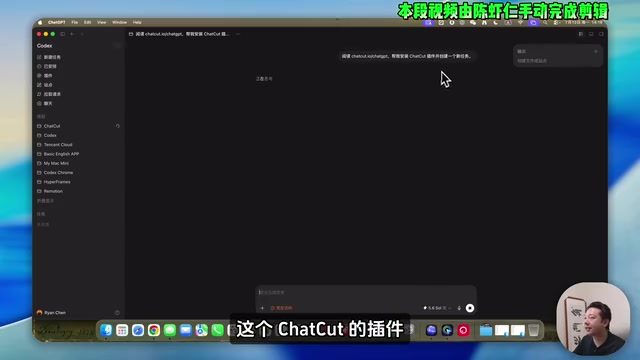
ChatCut × Codex Hands-On: Can AI Agent Edit Your Video With a Single Prompt?
Hands-on test of ChatCut AI video editor: Codex plugin support, auto filler removal, MG animation & subtitle generation. Full workflow test on a 3min 20sec video.
Read more →
·2 min
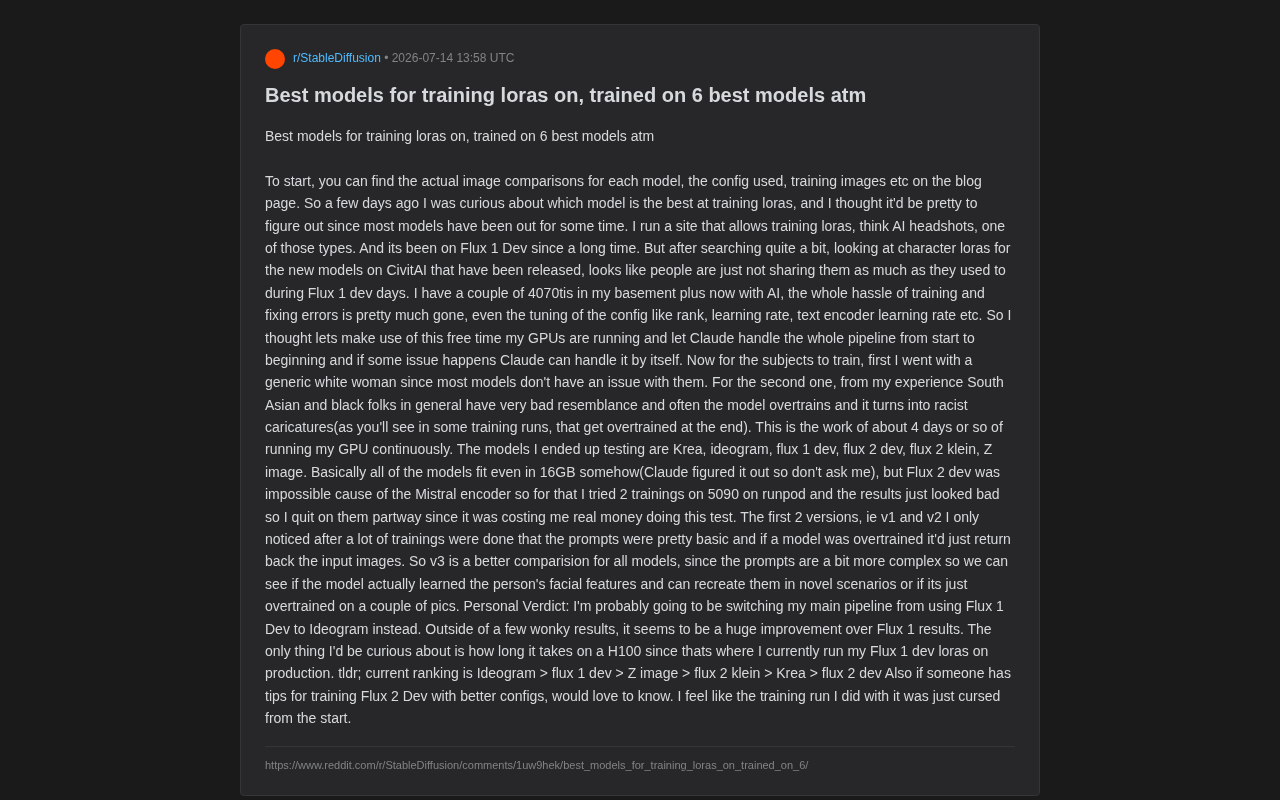
LoRA Training Showdown: Which Base Model Is Best for Character Fine-Tuning? A 6-Model Real-World Test
Real-world LoRA training comparison across Ideogram, Flux 1 Dev, Z Image, Flux 2 Klein, and Krea — revealing which base model best handles face fidelity and generalization for AI portrait developers.
Read more →

·4 min
RAM: First-Principles Approach to 50x Faster RL Post-Training for Diffusion Models
RAM (Reinforce Adjoint Matching) achieves 50x faster RL post-training for diffusion models by discarding path costs, combining ODE sampling with decorrelated training objectives. A deep dive into RAM's core principles and experiments vs. Flow-GRPO.
Read more →

·4 min
Eight Text-to-Image Models Compared: Which Excels at Realism, Ghibli, and Anime Styles
A comprehensive comparison of eight mainstream text-to-image models including Krea2, Flux2, and Qwen Image, covering realistic portraits, Ghibli, 3D anime, and Japanese anime styles.
Read more →

·4 min
INT4 ConvRot W4A4 Quantization: Running Large Image Models on Low-VRAM GPUs in ComfyUI
An in-depth look at INT4 ConvRot W4A4 quantization, covering conversions of Krea2, Qwen-Image, and other diffusion models to help ComfyUI users run large image models on 8GB GPUs.
Read more →

·2 min
OpenAI GPT-5.6 Released: Three Versions Compared — Full Breakdown of the All-in-One Super App
OpenAI releases GPT-5.6 in three tiers (SOUL/TERA/LUNA) and a unified ChatGPT desktop app with Chat, Work, and Codex modes. Learn how to choose the right version.
Read more →

·3 min
Krea 2 Real-World Test: RTX 3060 Generates 1080P Images in Under 2 Minutes
Can an RTX 3060 12GB run Krea 2? Real-world tests show 1080P images in 1–2 minutes. Explore how Krea2 Turbo FP8 quantization enables efficient AI art on consumer GPUs.
Read more →

·4 min
Agent Draw: An AI Whiteboard That Draws While You Talk
Agent Draw is an AI whiteboard built on TLDraw that lets you speak or type to have an AI agent draw flowcharts and diagrams in real time. A deep dive into its tech, design, and use cases.
Read more →