#token tracking
740 related articles

·4 min
Hands-On Testing of Cursor's Thermonuclear Code Review Skill: Can It Stop AI Code Degradation?
Hands-on test of Cursor's open-source Thermonuclear Code Quality Review skill, analyzing its design philosophy, type constraints, hit rate, and how automated reviews combat AI-driven code degradation.
Read more →

·3 min
Context Engineering Explained: From Prompt Engineering to Information Architecture Design for AI Agents
A deep dive into context engineering: its core concepts, four key characteristics, and real-world applications. Learn why it's replacing prompt engineering as the critical skill for building reliable AI agents.
Read more →

·3 min
Token Efficiency Over Token Maxing: AI Cost Optimization Becomes the New Battleground
From Uber questioning AI ROI to a $1.3M token bill sparking reflection, the AI industry is shifting from Token Maxing to Token Efficiency. A deep dive into this trend's impact on engineering, product, and culture.
Read more →
·3 min
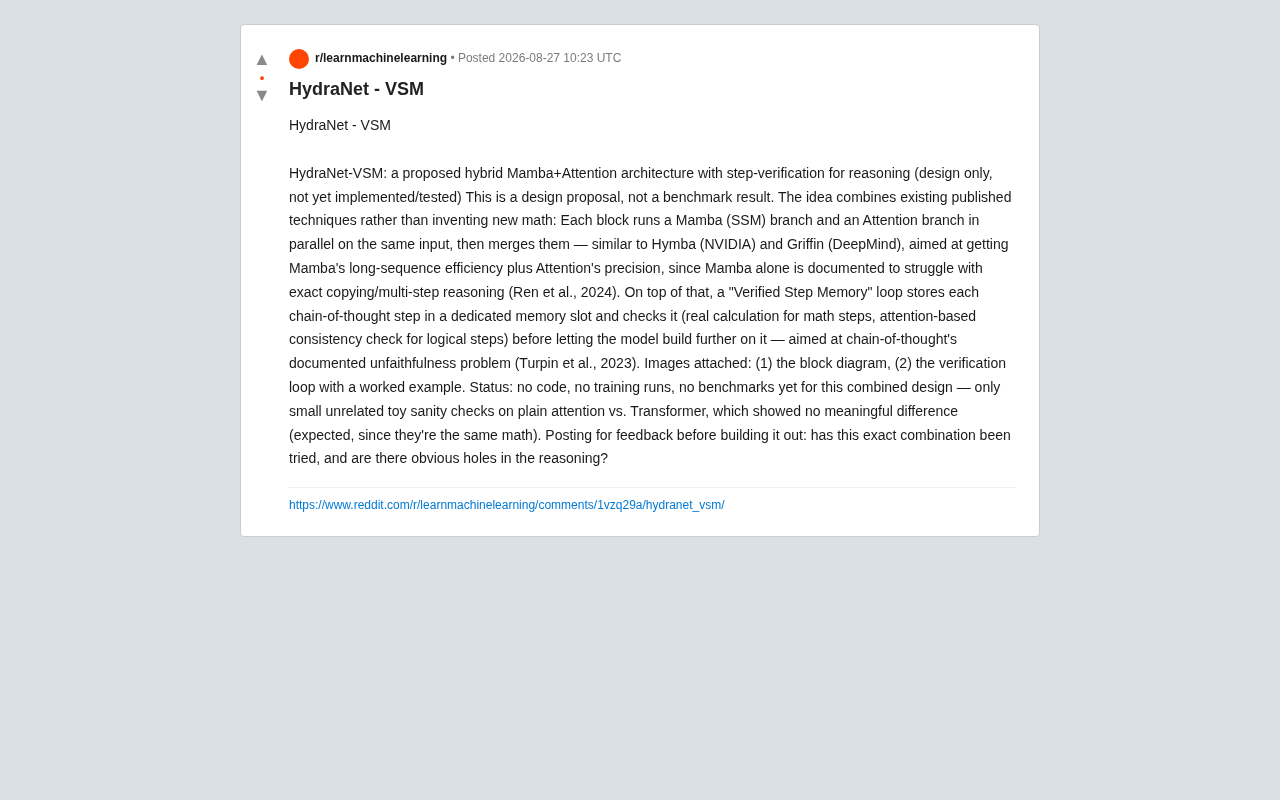
HydraNet-VSM Architecture Analysis: A New Approach to Reasoning Through Parallel Fusion of Mamba and Attention Mechanisms
Deep dive into the HydraNet-VSM hybrid architecture proposal: parallel fusion of Mamba SSM and Attention mechanisms, plus how Verified Step Memory tackles Chain-of-Thought unfaithfulness.
Read more →

·4 min
Transitioning to AI Agent Development: A Complete Three-Stage Learning Path for Programmers
Why do programmers keep failing at AI Agent development? This guide breaks down a 3-stage learning path: ReAct & Tool Calling fundamentals, LangChain engineering, and production-grade project delivery.
Read more →
·3 min
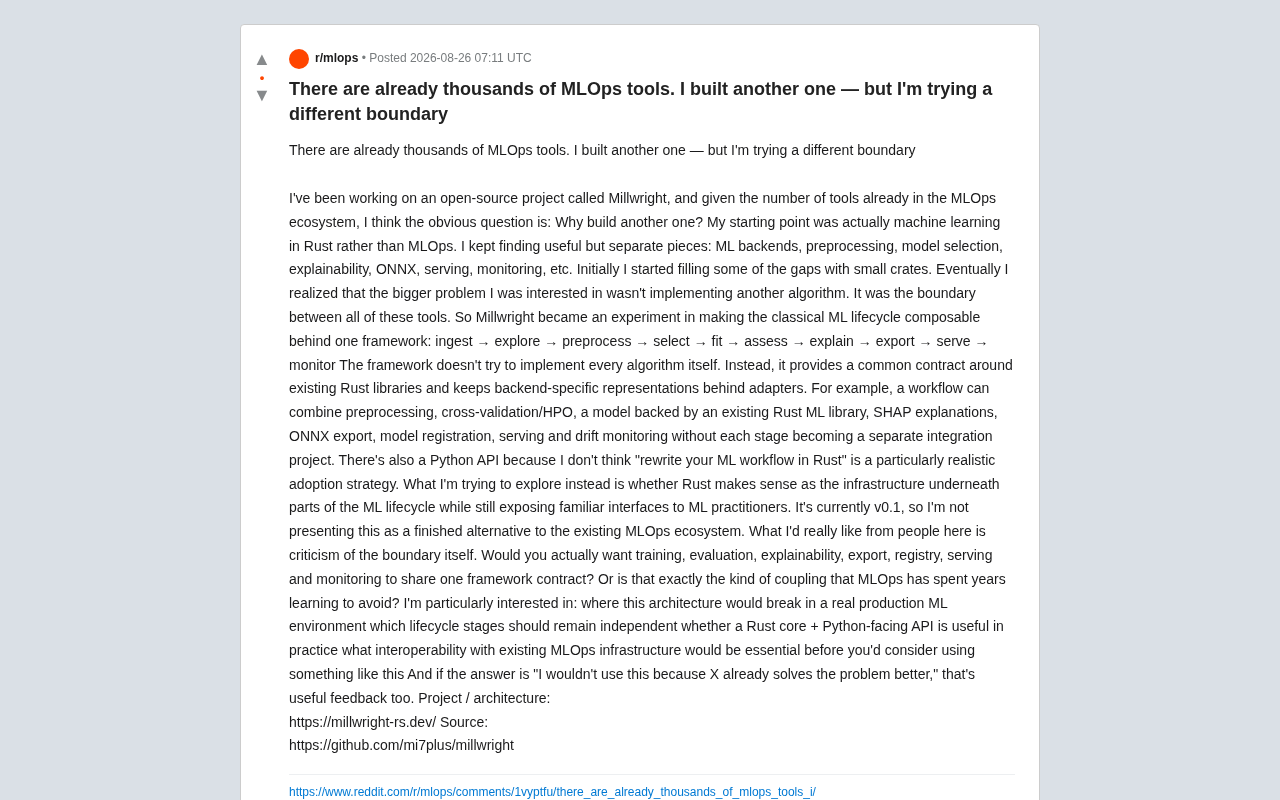
Millwright: Redefining the Boundaries Between MLOps Tools with Rust
Millwright is a Rust-based open-source MLOps framework that composes ML lifecycle stages through a unified contract layer with a Python API. We analyze its architecture and the decoupling vs. unification tradeoff.
Read more →

·3 min
Harness Engineering: A Complete Guide to Enterprise-Level AI Development with Claude Code
A deep dive into Harness Engineering methodology—from Prompt Engineering to Context Engineering to Harness Engineering—with hands-on Claude Code demonstrations of Skill-driven enterprise full-process automated development.
Read more →

·3 min
OpenAI Exposes Russian AI-Powered Influence Operations: Operational Patterns and Governance Challenges
OpenAI reveals findings on Russian covert AI influence operations. This article analyzes operational patterns, platform governance logic, and detection challenges posed by open-source models.
Read more →
·3 min
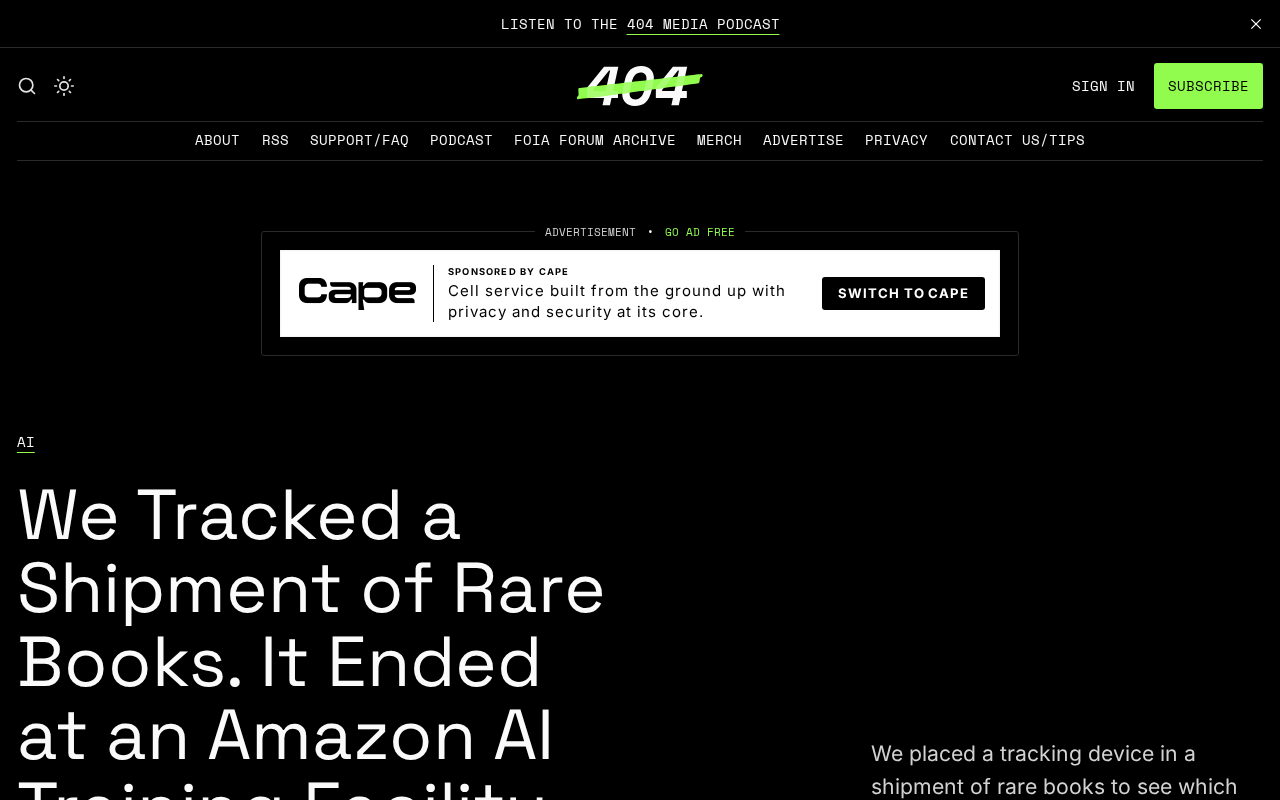
Rare Books Traced to AI Training Facilities: The Data Copyright Dispute and the Industry's Transparency Crisis
Rare books were traced to an Amazon AI training facility, reigniting the AI training data copyright debate. This article analyzes why physical books are becoming AI corpus sources and the transparency crisis.
Read more →

·3 min
Claude Watermark: One-Click Removal of Invisible Traces in AI-Generated Text
Claude Watermark is a free, open-source tool that detects and removes invisible traces in AI-generated text — zero-width characters, hidden HTML classes, unusual spaces, and more. Runs locally, no signup needed.
Read more →

·3 min
AI Video Generation Explained: Diffusion Models vs. Motion Transfer
Deep dive into two core AI video generation approaches: diffusion models and motion transfer. Compare their principles, pros/cons, and use cases from Sora to digital humans.
Read more →

·6 min
Flask Creator's Conversation: Why We Need to Slow Down in the AI Coding Era
Flask creator Armin Ronacher and minimalist Agent Pi's author Mario Zechner discuss AI coding limitations, code quality decline, MCP vs CLI, and why engineers need to slow down.
Read more →

·2 min
Multi-Agent Architecture Hands-On Experience: The New Hard Requirement for AI Engineer Job Seekers
Based on 1,700+ student data and 625 interview debriefs, learn how multi-Agent architecture has become a key screening criterion for AI positions and what interviewers really evaluate.
Read more →

·3 min
GLM-5.2 Released: MIT Open Source + Million-Token Context Long-Horizon Task Benchmark
Zhipu releases flagship model GLM-5.2 with stable 1M token context, near Opus 4.8 performance on FrontierSWE, MIT open-source license with no geographic restrictions, and IndexShare architecture for reduced compute costs.
Read more →

·2 min
Is Kimi K3 Really Cheap? Real-World Testing Reveals the Hidden Cost of Token Consumption
Reddit developer testing reveals Kimi K3's low token price hides high real costs. Learn to evaluate LLM costs by Total Cost of Task, not just unit price.
Read more →

·2 min
Grok 4.6 Arrives on Perplexity: A Pareto Frontier Model with 60% Lower Costs
Grok 4.6 launches on Perplexity and Perplexity Computer, matching Fable 5 performance on WANDR benchmark at over 60% lower cost, positioning it on the Pareto Frontier of performance and efficiency.
Read more →

·4 min
Harness Engineering: A New Paradigm for Multi-Agent Architecture Explained
Deep dive into Harness Engineering's seven core capabilities including tool calling, memory, planning, execution loops, and sandbox security. Learn the evolution from Prompt Engineering to Context Engineering to Harness Engineering.
Read more →

·3 min
DeepSeek V4 Pro Hands-On: Impressive Benchmark Scores but Frontend Generation Still Has Bugs
Hands-on review of DeepSeek V4 Pro: community testing covers T5 and Candy tests, Terminal Bench score of 87.9, Harness tool impressions, and cost analysis to help you decide if V4 Pro is worth upgrading to.
Read more →

·3 min
Amazon Bedrock Converse API in Practice: A Development Guide to Unified Interfaces and Streaming Chat
A deep dive into Amazon Bedrock's Converse API unified multi-model interface and ConverseStream streaming output, covering message structures, multi-turn conversations, event stream handling, and AWS ecosystem integration.
Read more →

·3 min
Andrew Ng's AI Engineering Skills Map: A Complete Capability Breakdown from Building to Deployment
Deep dive into Andrew Ng's AI Engineering Skills Map covering foundation models, prompt engineering, RAG, model evaluation, and production deployment.
Read more →