#vibe coding security
189 related articles

·3 min
14 Days of AI Programming: From Zero to Product with Vibe Coding
A zero-to-product AI coding bootcamp by Guo Ke: 14 live sessions, 6 real projects, covering Cursor, Trae, and Codex. Full walkthrough from setup to deployment.
Read more →

·4 min
Vibe Coding in Practice: Ship an App from Idea to Live in 5 Steps with AI Tools
Use Google Stitch, AI Studio, AntiGravity, GitHub, and Vercel to go from idea to live app in 5 steps. A complete Vibe Coding walkthrough — minimal cost, no deep coding required.
Read more →
·2 min
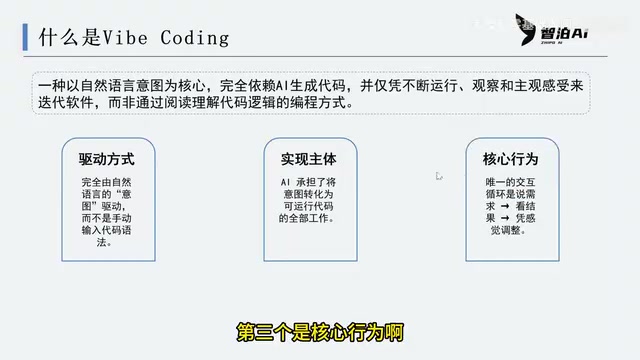
Vibe Coding Beginner's Guide: Build Real Apps with AI — No Coding Experience Required
Vibe Coding lets anyone build apps using AI and natural language — no coding required. Learn the core concepts, real success stories (including a $1M app), and why Tencent, Alibaba & ByteDance are hiring for it.
Read more →

·2 min
Vibe Coding for Beginners: Build Real Apps with AI — No Coding Skills Required
Vibe Coding lets you build real apps using natural language — no coding skills needed. Learn the 3 core traits, see real success stories, and get started today.
Read more →

·2 min
Vibe Coding in Practice: Building Your Core Competitive Edge with AI-Assisted Programming
Vibe Coding is redefining how people learn to program. Explore the core methodology, tools like Claude Code, and how AI can 10x your personal productivity.
Read more →

·2 min
How Designers Can Thrive in the AI Era: Build Fun, Hands-On Agents
AI agents are reshaping what designers do. A senior designer shares why understanding agent infrastructure is essential and how to learn by building fun projects.
Read more →

·3 min
Modern Web Guidance: Helping AI Stop Writing Outdated Frontend Code
Chrome's Modern Web Guidance offers 100+ expert-reviewed guides to help AI Agents adopt modern web practices, fixing training data lag and legacy pattern recommendations with semantic search and Baseline compatibility checks.
Read more →

·3 min
Modern Web Guidance: Getting AI to Generate Better Front-End Code
Google Developer Expert Raudy shares Modern Web Guidance at Google I/O Connect Berlin: a framework steering AI coding assistants to use native HTML/CSS over outdated JavaScript patterns.
Read more →
·2 min
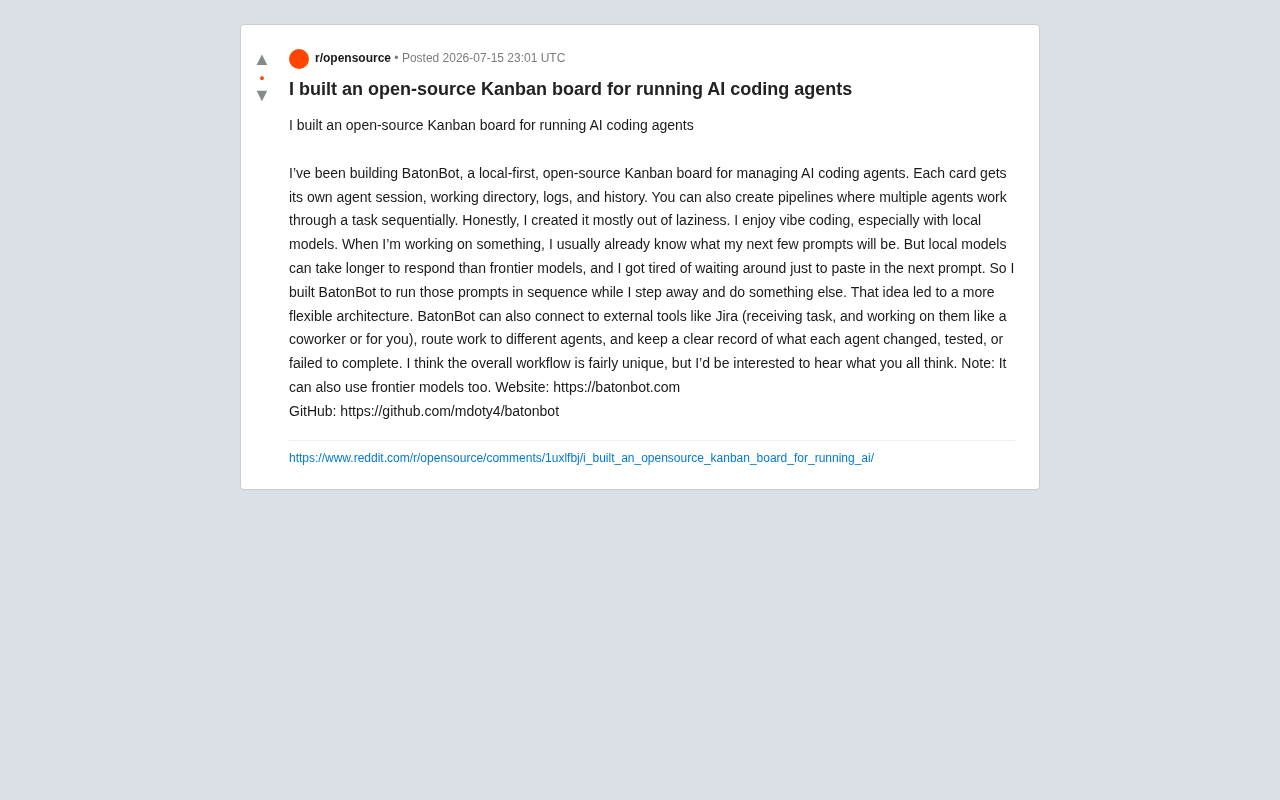
BatonBot: An Open-Source Kanban Tool for Managing AI Coding Agents
BatonBot is a local-first open-source kanban tool built for AI coding agents. Features prompt queuing, pipelines, Jira integration, and multi-model support.
Read more →

·3 min
Zero-Cost VibeCoding: Complete Guide to Connecting Local Ollama Models to Codex
Step-by-step guide to running local open-source models (Qwen3/Gemma) with Ollama, connecting to Codex via CC Switch for zero-token AI coding. Works on a 6GB VRAM laptop.
Read more →

·2 min
20-Year-Old College Student Earns $1,200/Month with Claude: A Vibe Coding Monetization Breakdown
A 20-year-old student built iOS app TrumpSignal using Claude for $545, earning $1,200/month in passive income. Full breakdown of costs, niche strategy, and Vibe Coding lessons.
Read more →

·3 min
Vibe Coding: Enterprise-Level Practices and a Skill Progression Guide for AI-Driven Frontend Development
A deep dive into Vibe Coding: how AI-led development workflows are reshaping frontend engineers' value. From interview hot topics to a three-tier competency model for the AI era.
Read more →

·3 min
One-Prompt Apps: Demos Are Easy, Shipping Is the Real Test
Is one-prompt app generation really that powerful? We break down three tiers of AI dev tools, expose the gap between demo and production, and compare top domestic platforms including Baidu Miaoda and Ant Lingguan.
Read more →

·2 min
GPT-5.6 in Practice: Full Restructure of a Real Small Product with Terra + Soul
Using GPT-5.6's Terra and Soul versions to fully restructure a real live product. Deep comparison of capabilities and cost-effectiveness, with practical tips on task-based model switching.
Read more →

·3 min
Vibe Coding in Action: How AI Collaboration Built an Award-Winning Sleep Aid Product
A Bilibili creator used Vibe Coding to independently build 'Breath Garden,' an AI sleep companion app, winning third place at the Tencent Music Hackathon. Full breakdown inside.
Read more →

·2 min
When Self-Hosting Communities Get Drowned in AI Slop: Where Did the Technical Passion Go?
A Reddit post sparks broad resonance: self-hosting communities are being diluted by AI-generated apps and homogenized content. Exploring "AI slop," vibe coding, and how to preserve genuine technical passion.
Read more →

·2 min
Getting Started with Vibe Coding: Build Apps Without Writing Code
Vibe Coding lets anyone build apps using natural language — no coding required. Learn what it is, which tools to use, and see real stories of non-programmers shipping products.
Read more →

·3 min
Vibe Coding for Beginners: How Ordinary People Can Command AI to Code — and Do the Work of an Entire Team
Naval Ravikant says Vibe Coding lets one person do the work of 8 engineers. Learn what Vibe Coding is, which tools work in China, and how to start in 3 steps.
Read more →

·3 min
Vibe Coding in Practice: A Comprehensive Review and Selection Guide for 6 AI Coding Tools
In-depth comparison of 6 Vibe Coding tools — Claude Code, Trae, Zhipu, Cursor, and more — covering setup cost, Chinese support, pricing, and code quality.
Read more →

·6 min
OpenAI Merges ChatGPT and Codex: The Super App for the AI Agent Era Is Here
OpenAI merges ChatGPT and Codex into a super app and releases three new GPT-5.6 models: Sol, Terra, and Luna. A deep dive into four hands-on workflows—Computer Use, Loops, and multi-threading—for the AI agent era.
Read more →