Deep Dives
In-depth AI analysis, industry observations, and technical insights — slow down and read.
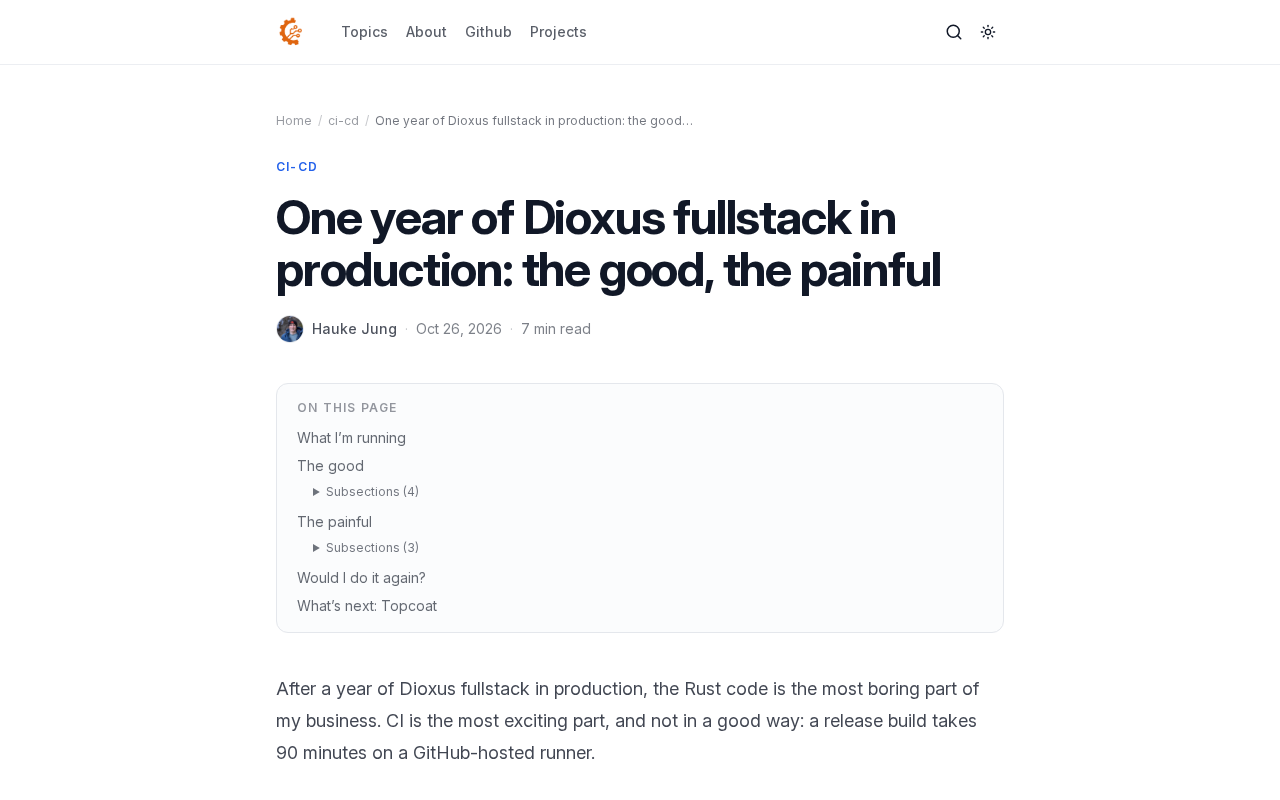
One Year of Dioxus Fullstack in Production: Gains and Pain Points
A developer shares a year of real-world experience running the Dioxus fullstack framework in production, covering type-safety gains in fullstack Rust, plus pain points like compile times and ecosystem maturity, as a reference for technology selection.

The Hidden Faith of AGI Leaders: Humans Are Nothing Special?
Vergecast podcast reveals the hidden belief within AGI leadership circles: humans are nothing special, consciousness is just computation. Exploring how computational functionalism shapes the worldview of tech elites and the future of AI.
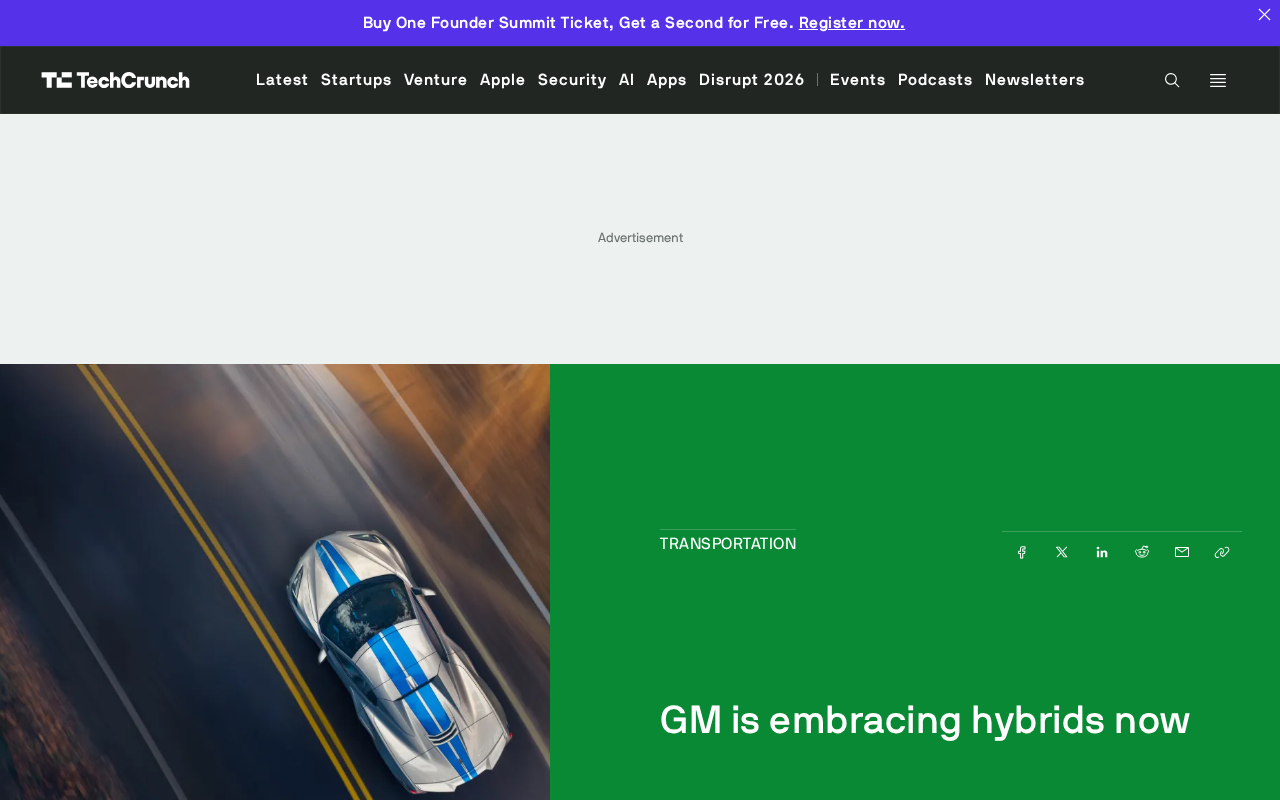
GM Shifts Toward Hybrids: From an All-Electric Bet to a Pragmatic Parallel Strategy
GM once skipped hybrids to bet on pure EVs; now it plans hybrid SUV versions. This article analyzes the strategic shift, its significance for SUVs, and consumer impact.
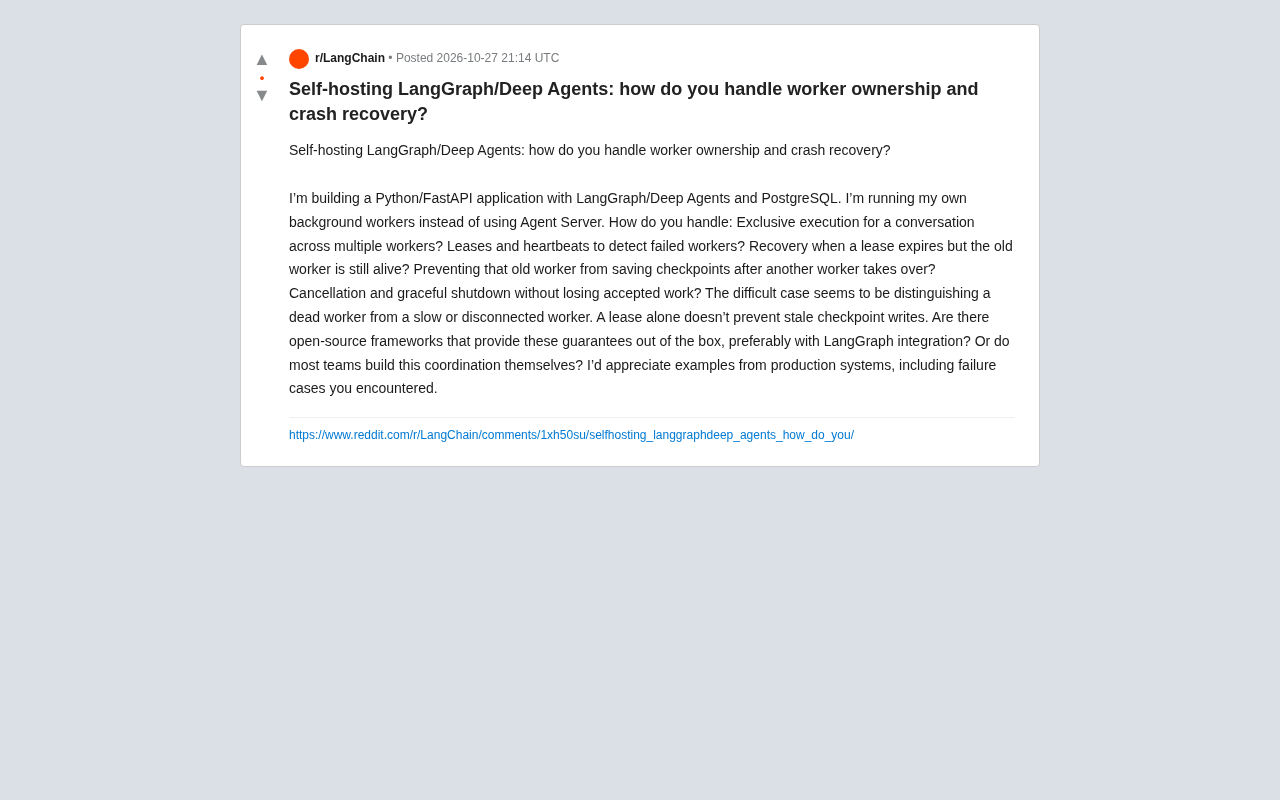
Self-Hosting LangGraph: Multi-Worker Coordination and Crash Recovery Challenges
How to design leases, heartbeats, fencing tokens, and crash recovery for self-hosted LangGraph multi-worker setups to prevent stale checkpoint writes.
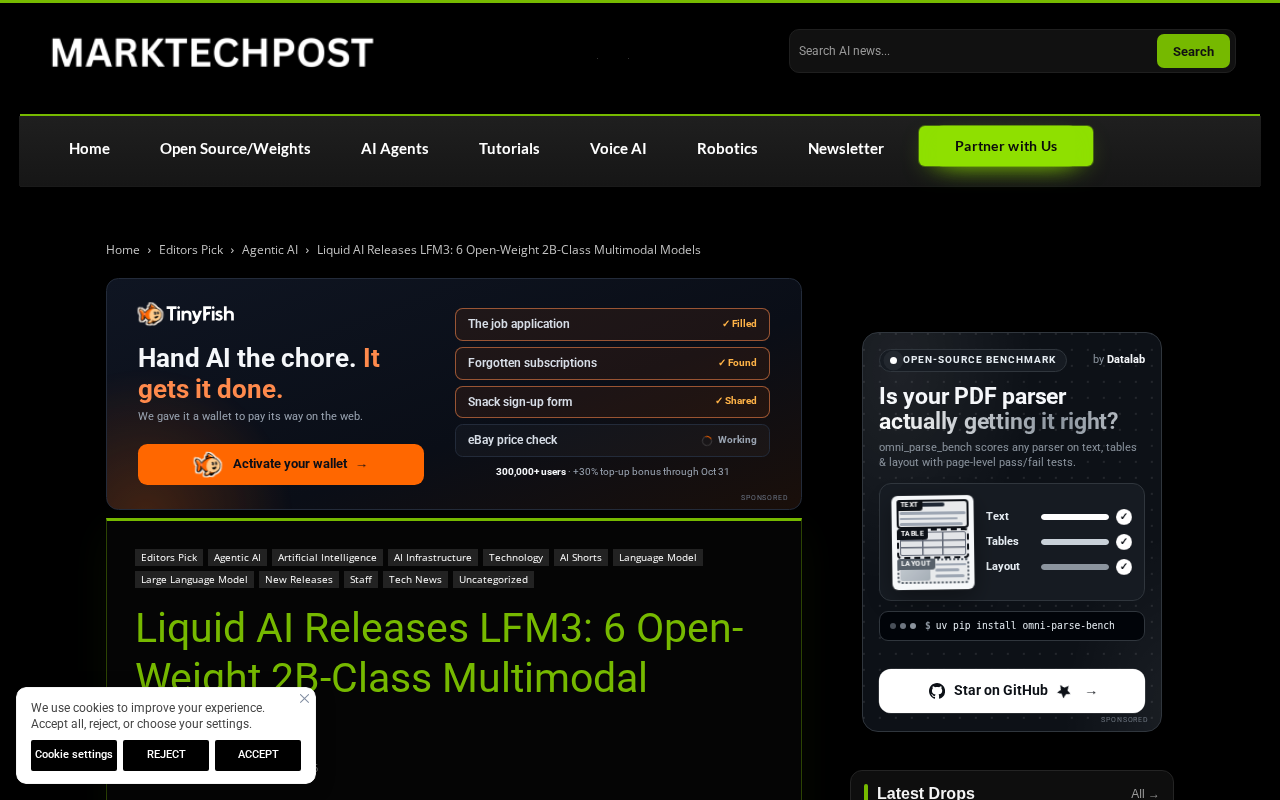
Liquid AI Releases LFM3: Six 2B-Class Open-Source Multimodal Models
Liquid AI releases the LFM3 series with six 2B-class open-weight multimodal models covering text, vision, audio, omni, and decisions. LFM3-1.7B uses a tri-hybrid backbone, supports 256K context, and is about 1GB at 4-bit.

Discord Public Servers to Be Indexed by Search Engines, Raising Privacy Concerns
Discord will include messages from publicly discoverable servers in search engine results starting December, raising concerns about privacy and context collapse. This article analyzes the impact on users, community operators, and platform trust.

Who Holds Power After Anthropic's IPO? Decoding a Complex Governance Structure
Who really holds power after Anthropic's IPO? This article analyzes its famously complex governance structure, exploring control vs. equity, post-IPO power redistribution, and the tension between safety commitments and commercial pressure.

Bank of America Warns: Don't Hand Your Banking Passwords to AI Assistants
Bank of America warns customers not to share banking passwords with AI assistants and stresses users are liable for account activity. This article analyzes the liability issues, the structural tension between AI agents and financial risk controls, and practical safeguards users can take.
Quadruped Robot Cubic Doggo Load Test: Walking with a 1kg Payload
Open-source quadruped robot Cubic Doggo update: Wouf successfully walks while carrying 1kg, nearly half its own weight. Learn about the ST-3215-C018 servo's performance limits, gait debugging progress, and desktop-level robotics open-source practices.
Claude Code Usage Surges 8x: Error Retries Count Against Paid Quota, Anthropic Refuses Compensation
Claude Code usage surged roughly 8x in a single day. Anthropic support confirmed that retries triggered by service errors count against paid subscription quotas and explicitly refused refunds or compensation. This article covers the incident data, the official response, and practical advice for developers.
Building a 4WD SLAM Radar Robot with Arduino R4 WiFi
A Reddit maker shares a 4WD SLAM radar robot based on Arduino UNO R4 WiFi: a servo-mounted ultrasonic sensor performs 180° scanning, sends telemetry over Wi-Fi to a web dashboard, and reconstructs a 2D vector wall map in real time—a low-cost entry-level validation of simultaneous localization and mapping.
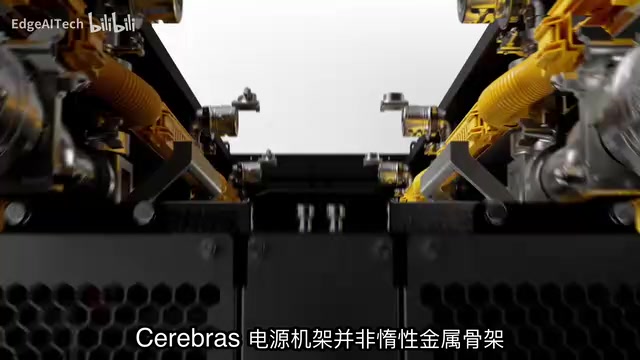
Cerebras CS-4 Stuns with Launch: The 4-Trillion-Transistor Wafer Monster That Crushes GPUs in Inference Speed
Cerebras CS-4 wafer-scale engine launched: 4 trillion transistors, 900,000 AI cores, inference an order of magnitude faster than GPUs. Modular power rack plus compute backpack design, 3D vertical stacking, and half-millimeter power delivery—online in minutes.

Apple's M6 Chip Lands in iMac: A Week in Review of Performance Upgrades and AI Controversy
Apple launches new iMac and MacBook Pro with M6 chip, N1 wireless chip brings speed gains; OpenAI claims three major discoveries but faces academic skepticism; data centers become a U.S. midterm election issue; Anduril teams up with Qualcomm for all-American laptops.

AI Cracks the Quasi-Riemann Hypothesis? A Mathematician's Account of a Stunning Moment
Number theorist Alex recounts on Lex Fridman's podcast the shocking experience of AI proving the quasi-Riemann hypothesis, plus Fermat's Last Theorem formalization and Navier-Stokes within a month, explaining the signal-processing intuition behind the Riemann hypothesis and the boundaries of AI breakthroughs in mathematics.

64-Microphone Acoustic Camera Hands-On: Seeing Sound for $800
Hands-on review of the $800 TD2E acoustic imaging camera: a 64-microphone array localizes sound in real time, covers 2000–100000 Hz including ultrasound, and suits industrial inspection—though the software ecosystem is thin.

Manufacturing Accelerator Re:Build Raises $2.1B, Spins Out Slate Auto
Manufacturing accelerator Re:Build closes $2.1B funding, calling itself "America's answer to Shenzhen," and spins out Slate Auto. Known facts, positioning, and information gaps.
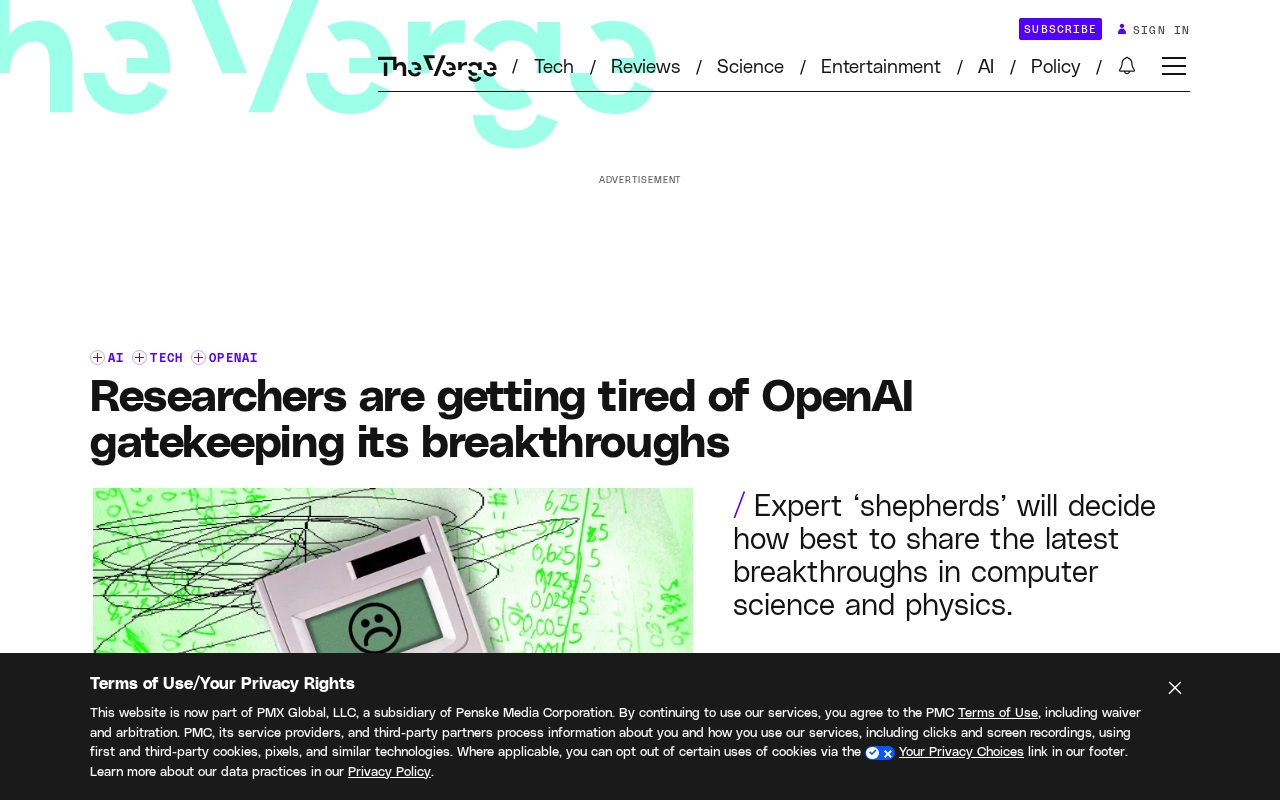
OpenAI's Public Breakthroughs Draw Academic Criticism: Research Transparency in the Spotlight
OpenAI announces math, CS, and physics breakthroughs and claims improved communication, but researchers tell The Verge dissatisfaction is mounting, criticizing selective disclosure and lack of reproducible details as the tension between corporate research and open science resurfaces.
Vercel Observability Adds AI Traffic Insights: See How AI Crawlers Access Your Site
Vercel Observability adds AI traffic insights to query verified AI bot requests, most-crawled pages, assistant retrievals, Markdown requests, and errors, with CLI grouping by bot.

CUDA 13.4 Memory Enforcement: A New Solution for Kubernetes GPU Sharing
NVIDIA CUDA 13.4 introduces memory enforcement, moving Kubernetes GPU sharing from scheduling conventions to runtime hard constraints. This article analyzes how it works with the K8s resource model, applicable scenarios, and quota granularity and compute contention issues during implementation.

Together GPU Cluster Auto-Repair: From Failure to Healthy Node
Together GPU Clusters introduces auto-repair that detects GPU, host, and network failures, applies the lightest fix, and supports policies by failure type and Xid code.