#AI hardware optimization
1305 related articles
·2 min
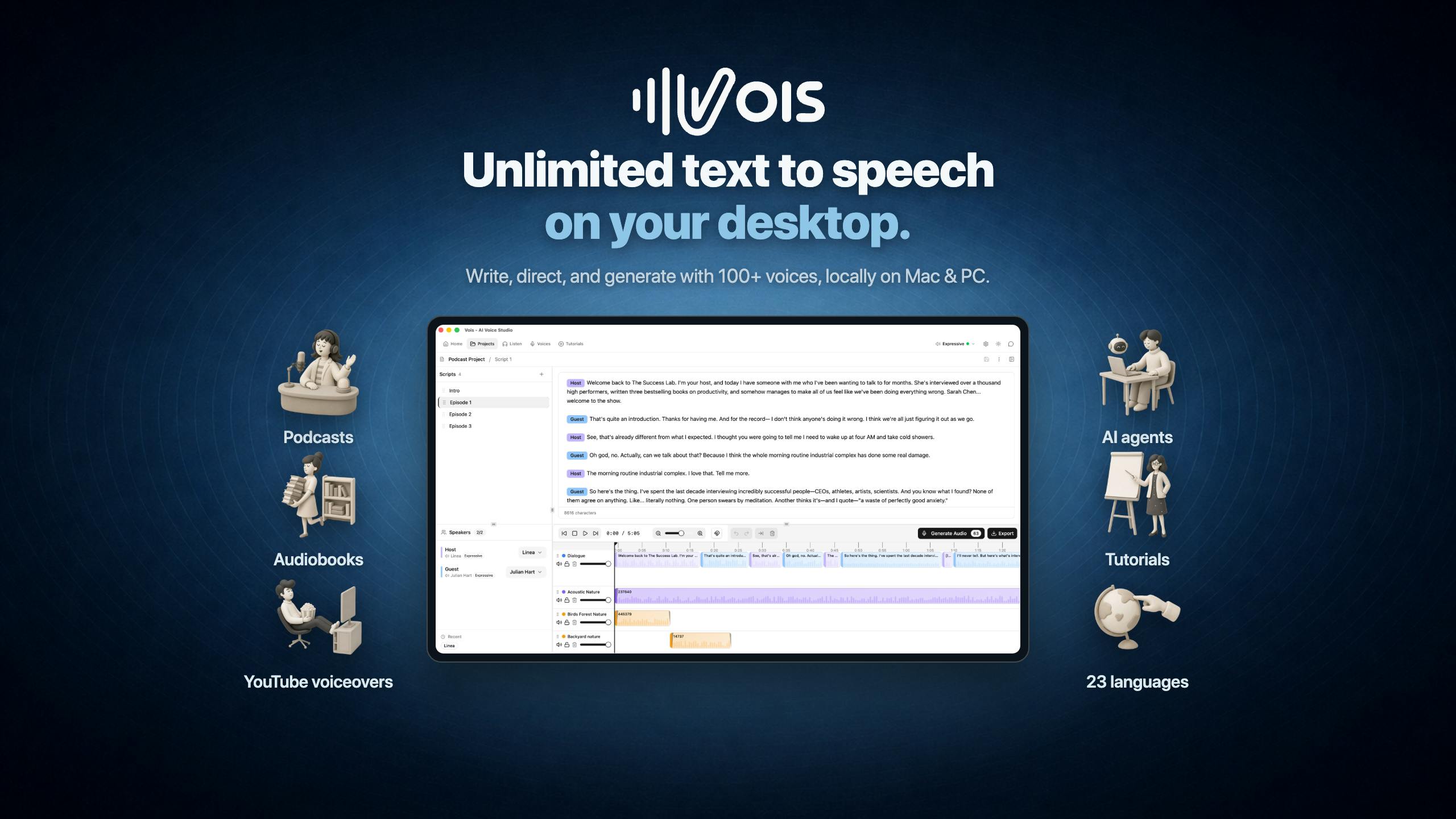
Vois 2.0 Review: Unlimited Voice Synthesis for $10/Month — Can It Replace ElevenLabs?
Vois 2.0 is a desktop AI voice synthesis tool offering unlimited generation with no per-character fees, 100+ voices, voice cloning, multi-speaker timeline, and 600+ languages for $10/month.
Read more →
·4 min
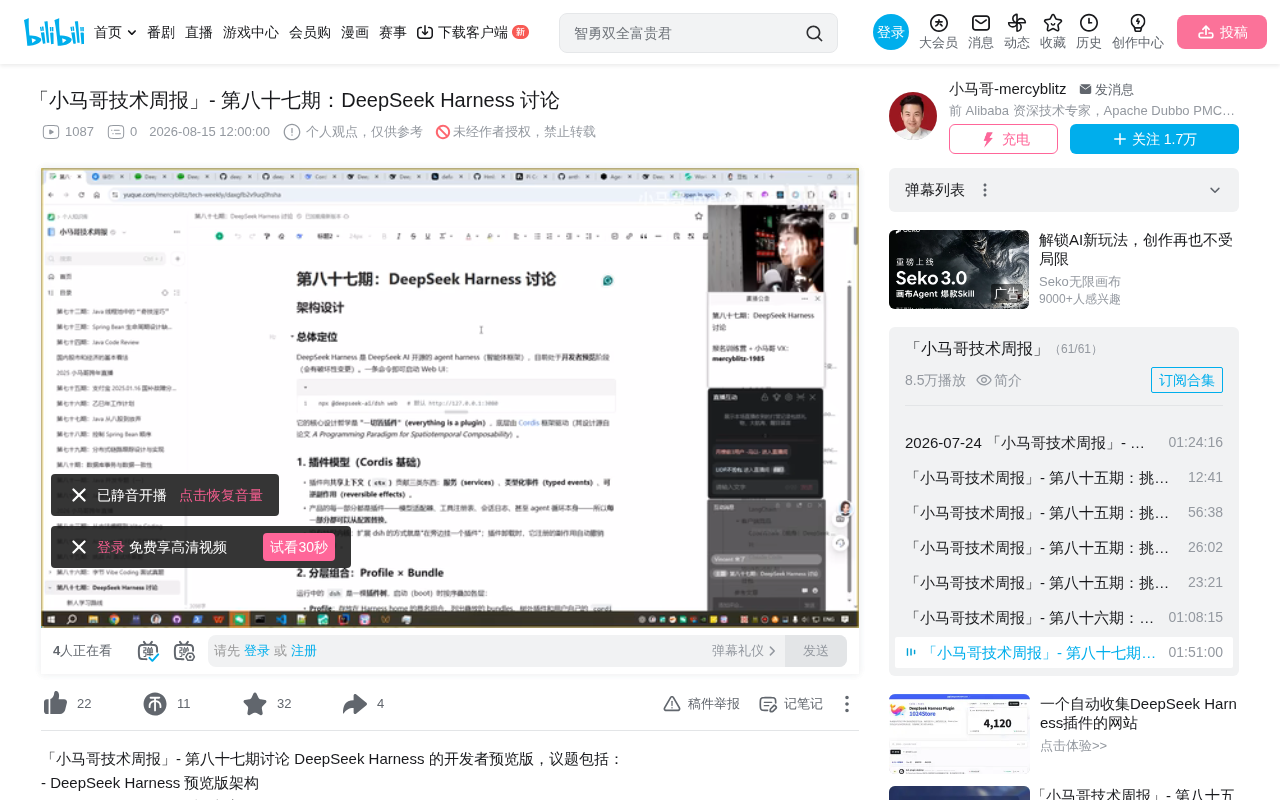
Deep Dive into DeepSeek Harness: Old Patterns, New Ecosystem
A deep analysis of DeepSeek Harness Agent framework from a software engineering perspective, comparing it with Claude Code and Pi, revealing its server-side Agent positioning and TypeScript ecosystem advantages.
Read more →
·2 min
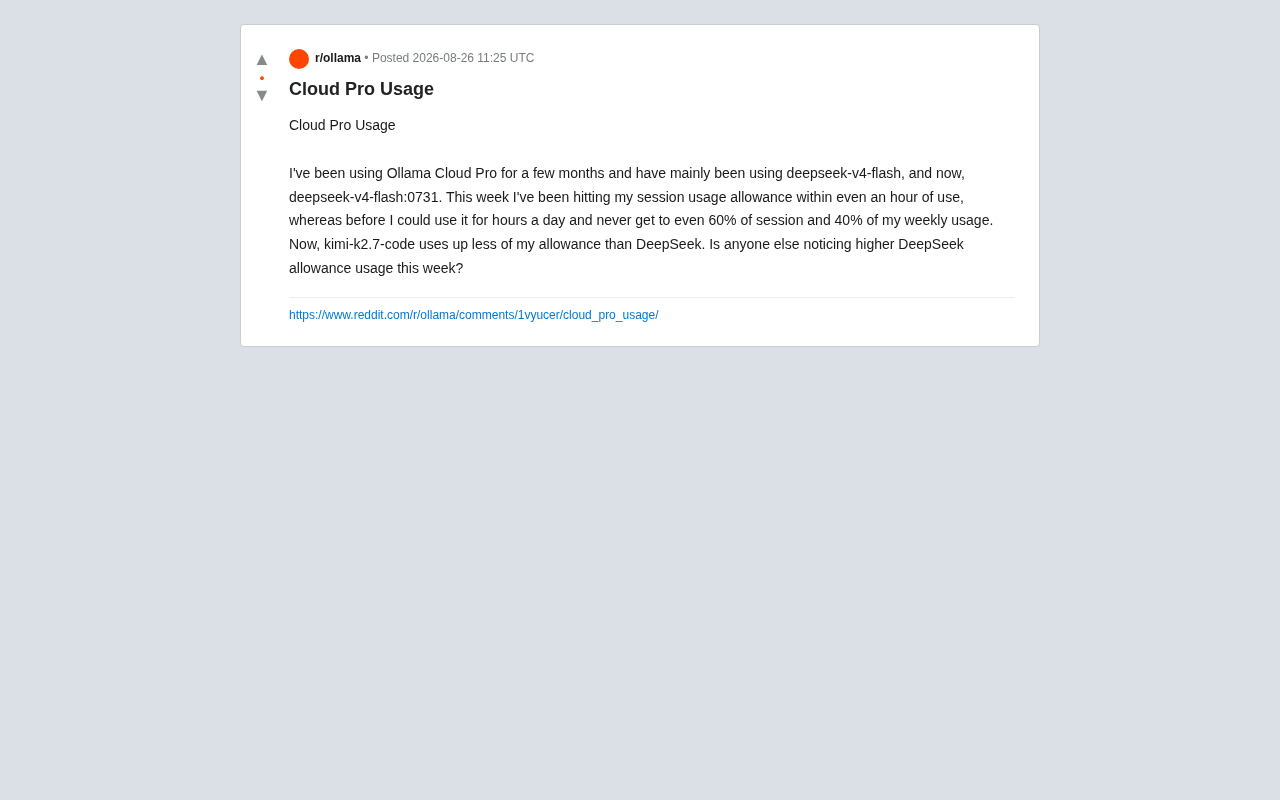
Ollama Cloud Pro Unusual Usage Depletion: In-Depth Analysis of DeepSeek's Sudden Usage Spike
Ollama Cloud Pro users report DeepSeek model usage spiking suddenly, hitting limits within an hour. We analyze token billing, model versioning, and billing weight changes, plus offer optimization tips.
Read more →

·3 min
Mac mini M6/M5 Pro Review: Workstation-Class Performance in a 5-Inch Body
The new Mac mini with M6 and M5 Pro chips delivers workstation-class performance, on-device Apple Intelligence AI, Wi-Fi 7, and faster storage in a compact 5-inch body.
Read more →

·2 min
Qencode MCP: Using Natural Language to Drive AI-Powered Video Transcoding and Processing
Qencode MCP integrates cloud video processing into the AI Agent ecosystem via Model Context Protocol, enabling natural language-driven video transcoding, analysis, editing, optimization, and delivery.
Read more →

·3 min
How Hexapod Robots Achieve Walking and Self-Leveling: Core Technical Analysis
Deep dive into the technical challenges of hexapod robot walking with self-leveling, covering gait planning, inverse kinematics, IMU feedback, and real-time control system integration.
Read more →
·4 min
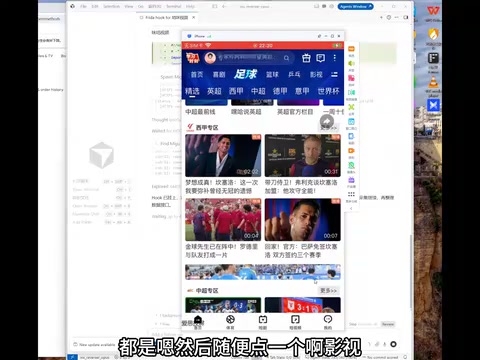
AI-Assisted iOS Reverse Engineering in Practice: Protocol Reconstruction with Cursor + MCP Toolchain
A detailed guide on AI-assisted iOS reverse engineering workflows, featuring Cursor with Frida MCP and IDA Pro MCP for protocol reconstruction, multi-model collaboration costs, and AI capability boundaries.
Read more →

·2 min
WebBrain: A Free, Open-Source Local AI Browser Sidebar Assistant
WebBrain is an open-source browser AI sidebar assistant that runs LLMs locally via llama.cpp — zero cost, zero privacy risk. Supports BYOK for OpenAI, Claude, and 100+ providers.
Read more →
·3 min
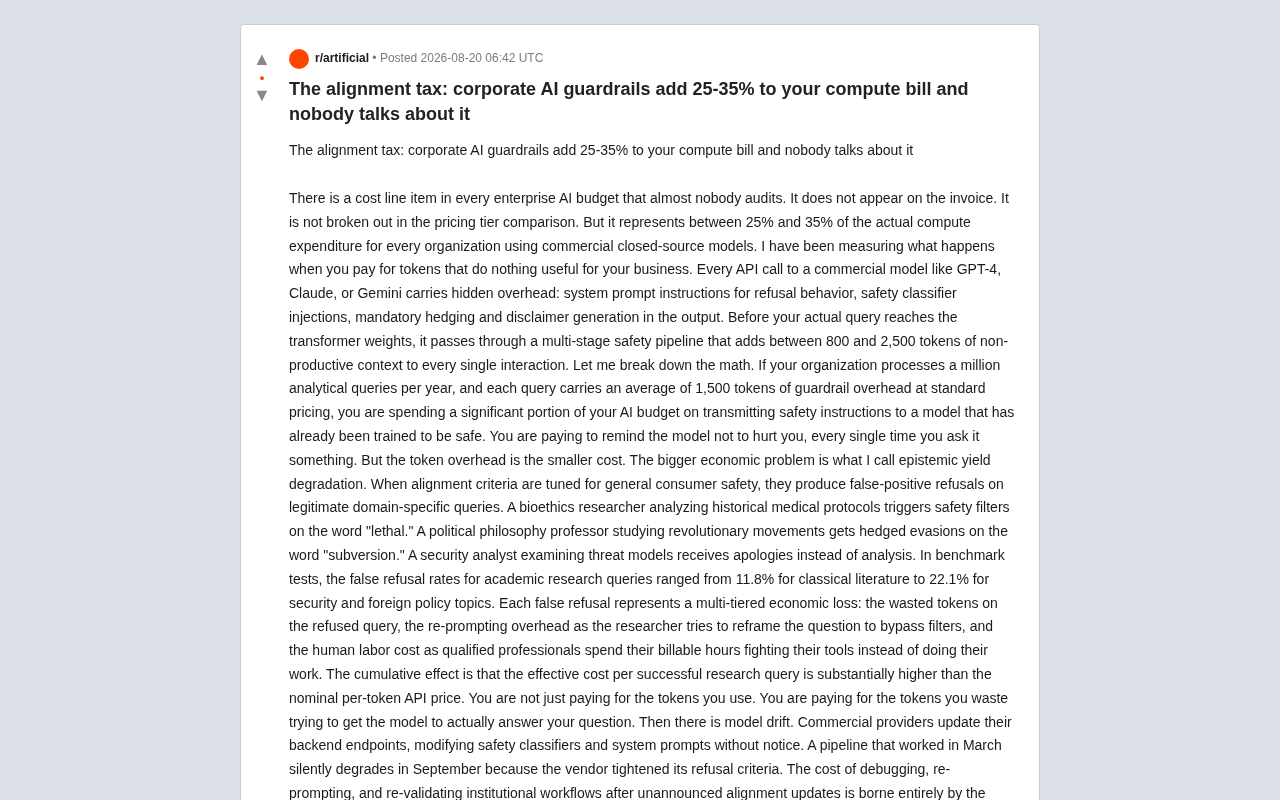
The Alignment Tax: AI Safety Guardrails Are Consuming 35% of Your Compute Budget
Analysis of the hidden "alignment tax" in commercial AI: safety guardrails consume 25-35% of compute budgets through token overhead, false refusals, and model drift. Self-hosted open models offer an alternative.
Read more →

·3 min
Ornith 1.5 35B Hands-On: Q4 vs Q8 Quantization Comparison — Which One Is Worth Running?
In-depth comparison of Ornith 1.5 35B-A3B Q4KM vs Q8 quantization across browser OS, FPS games, 3D modeling and more, helping consumer hardware users choose the right version.
Read more →

·3 min
Google Pixel 11 Deep Dive: How the Tensor G6 Chip and Gemini AI Are Redefining the Smartphone Experience
Google Pixel 11 features the Tensor G6 chip, deep Gemini AI integration, LED HiLight notifications, and upgraded camera hardware. A full analysis of Google's most personalized flagship.
Read more →

·3 min
Casey Muratori on the Root of All Evil: The Deep Causes of the Software Performance Crisis
Casey Muratori's BSC 2026 talk explores how "premature optimization is the root of all evil" has been misused industry-wide, and why data-oriented design is key to solving the software performance crisis.
Read more →
·3 min
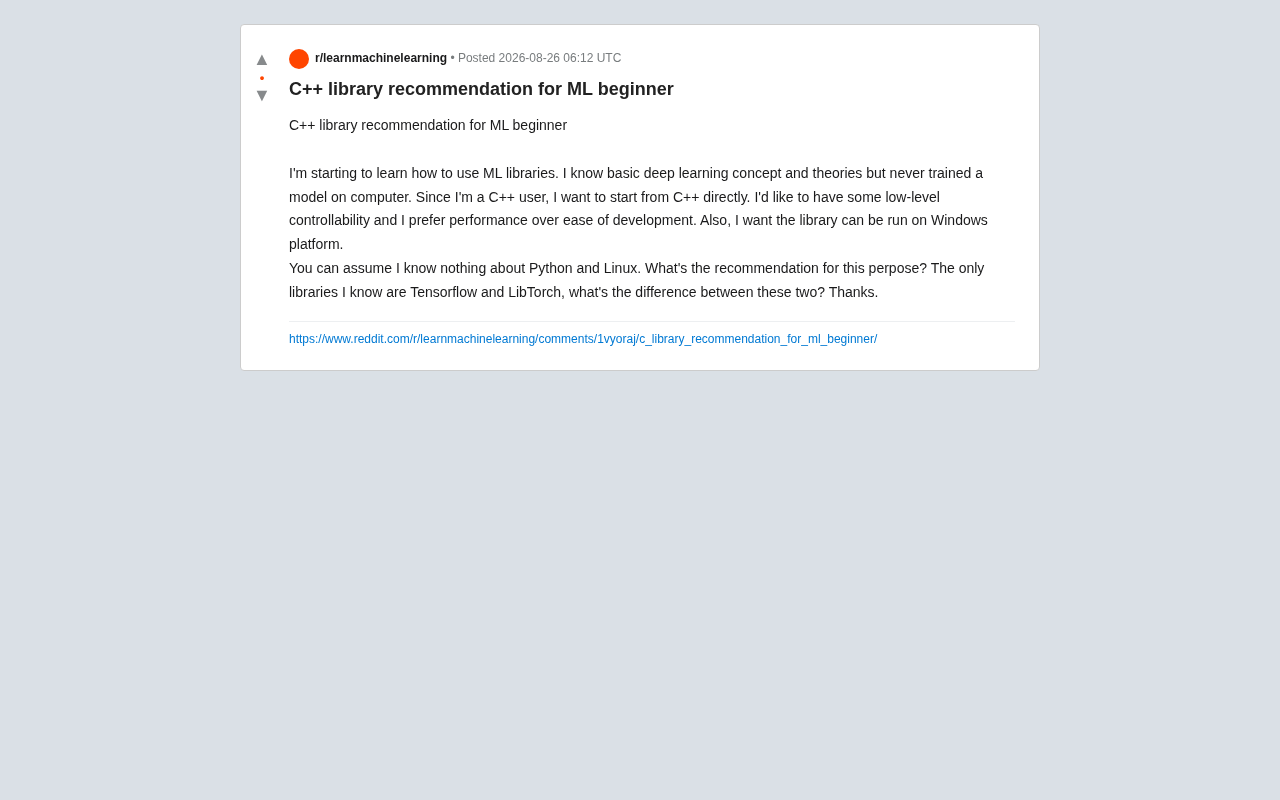
How to Choose a C++ Machine Learning Library: A Comparison Guide for LibTorch vs. TensorFlow
Compare LibTorch and TensorFlow C++ API for machine learning, covering training, Windows support, and learning curve, plus lightweight alternatives like Eigen and mlpack.
Read more →

·2 min
DeepSeek API Pricing Adjustments Explained: A New Option for Developer Cost Optimization
In-depth analysis of DeepSeek's latest API pricing strategy, covering context caching, price comparisons with GPT-4 and Claude, the LLM API price war, and developer recommendations.
Read more →

·2 min
OpenAI Launches Limited-Time Price Cut for GPT-5.6 Sol: AI Model Price War Intensifies
OpenAI launches a limited-time price cut for GPT-5.6 Sol, sparking developer community debate. Analysis of the competitive logic, developer ecosystem impact, and future of AI model pricing wars.
Read more →

·3 min
MiniMax H3 In-Depth Review: A Comprehensive Evaluation of the Open-Weight Audio-Driven Video Generation Model
In-depth review of MiniMax H3 open-weight video generation model covering anime, commercial ads, audio-driven video, R2V reference generation, and ComfyUI local deployment tutorial.
Read more →

·4 min
Running a Local AI Coding Assistant on 8GB VRAM: A Practical Guide to Model Selection
How to deploy a local AI coding assistant with only 8GB VRAM? This guide covers VRAM bottlenecks, recommends quantized models like Qwen2.5-Coder-7B, and shares optimization tips for context length, inference backends, and Agent tool calling.
Read more →

·3 min
Local Deployment of Qwen3-27B: The VRAM and Cost Trade-off Between Full Precision and Quantization
Compare Qwen3-27B quantization from 1Bit to 8Bit: VRAM needs, inference speed, and deployment costs. Single RTX 4090 runs 4Bit at 49 tokens/sec—50x cheaper than cloud APIs.
Read more →

·4 min
Memory Storage for AI Agents: Vector Database vs. Plain Files — How to Choose
Analyzing vector databases vs. plain text files for AI agent memory systems, with decision signals and a hybrid architecture where files are authoritative and indexes are rebuildable.
Read more →

·6 min
Flask Creator's Conversation: Why We Need to Slow Down in the AI Coding Era
Flask creator Armin Ronacher and minimalist Agent Pi's author Mario Zechner discuss AI coding limitations, code quality decline, MCP vs CLI, and why engineers need to slow down.
Read more →