#AI智能体
376 related articles

The AI Agent Wars Begin: Meta Muse Tops the Charts — So Why Did Amazon Ban It?
Meta's Muse dethroned ChatGPT on the App Store — then Amazon banned it. Unpacking the AI agent wars: why Muse won, Amazon's ad revenue logic, and who controls the shopping layer.
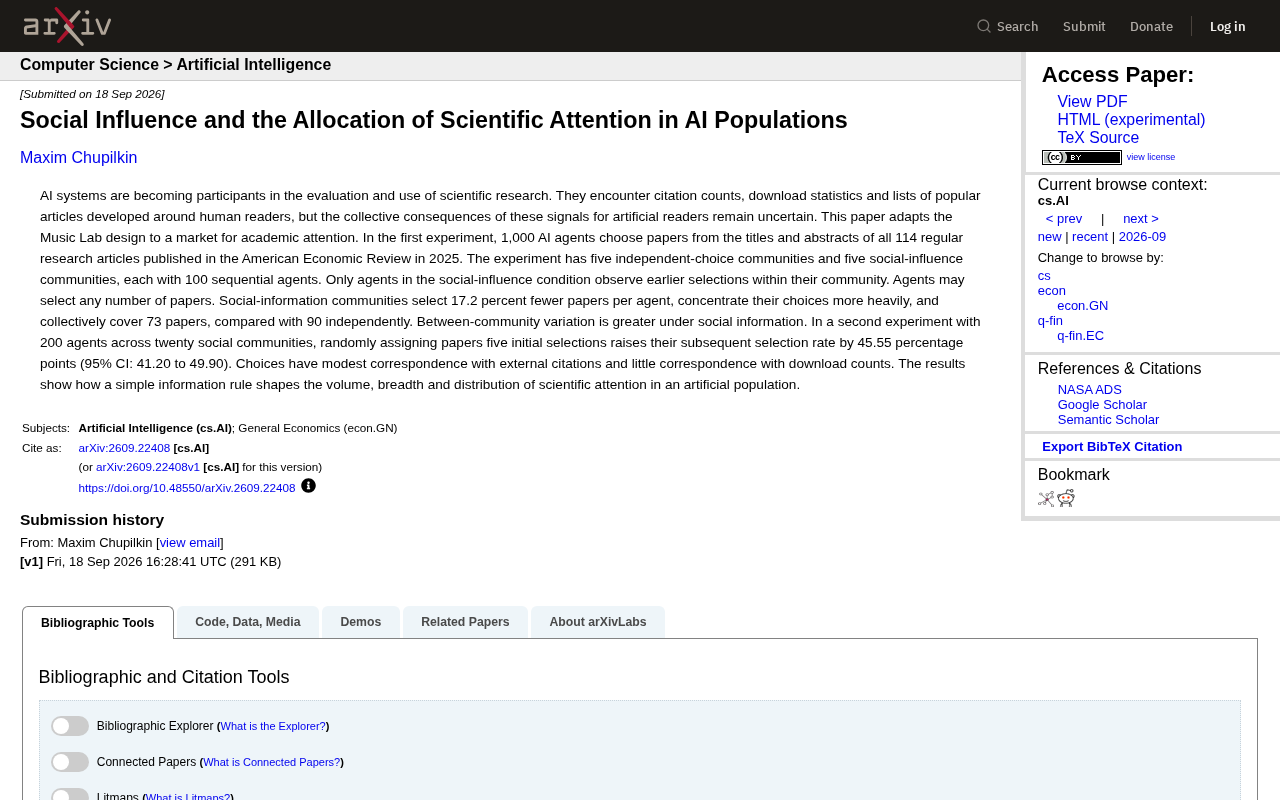
When AI Follows the Crowd: How Social Signals Shape AI Attention in Scientific Research
A study using 1,000 AI agents shows AI populations follow the crowd: social signals concentrate choices, narrow coverage, and a random early boost raises selection rates by 45 points.
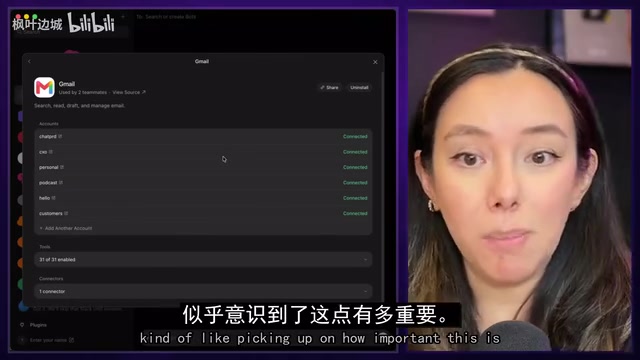
Overseas Blogger's Hands-On GrokBot Review: Why She Abandoned Claude and Went All-In on a Multi-Agent Platform
An overseas founder ditched Claude-style open claws for GrokBot after weeks of testing. This article covers GrokBot's three core primitives, real-world use cases, tool approval flows, migration tips, and its single-player limitation.

GPT-6 Astra Powers Parallel: Research Time and Costs Cut in Half
Parallel used GPT-6 Astra to cut both time and cost in half for labor market data research tasks, demonstrating how frontier model advances translate directly into measurable business value.

The Root Causes of AI Agent Misalignment — and How to Think About Solutions
AI agent misalignment is traced to training objective gaps and reward mechanism flaws. Learn why understanding the root causes is key to building controllable, aligned agents.

Plane Agents: Assigning Tasks to AI Like Any Team Member
Plane Agents lets AI join your workspace as a team member — assignable, @mentionable, and triggerable by status changes or schedule. Runs on plan-included AI credits.

Data Ontology: The Missing Context Layer for AI Agents
Data Ontology is the missing context layer for AI agents. Learn how it unifies business semantics, eliminates data ambiguity, and enables reliable enterprise AI deployment.

How V7 Uses GPT-5.6 to Build 'Institutional Memory' for AI Agents
V7 uses GPT-5.6 to turn scattered enterprise files into structured, source-linked context for AI agents — building "institutional memory" for complex, verifiable workflows.

Amazon Bans Meta's Muse AI Agent: The Battle Over Agentic Shopping Heats Up
Amazon has banned Meta's Muse AI agent from shopping on its platform, citing unauthorized access. The clash reveals a deeper battle over who controls the agentic shopping gateway.

Testing GPT-6 Astra Agent: One Prompt to Autonomously Create an Ad and Self-Correct
GPT-6 Astra autonomously produced an ad on Higgsfield from a single prompt — shot plan, self-review, error correction, saved skill, and an invoice accurate to within 4.5 credits.

Google Open-Sources an Agentic Orchestrator: A New Piece of the Agentic AI Puzzle
Google's Open Agentic Orchestrator sparks developer discussion. We break down its technical positioning, Google's open-source ecosystem strategy, and key engineering considerations for teams evaluating it.

OpenAI Misalignment Reports: The Hidden Signals for AI Agent Operations
OpenAI's model misalignment report framework is more than a safety doc — it's a reusable ops template for AI agents. Learn how incident intake, severity labels, and evidence-led disclosure apply to tool-calling agent systems.

Ruby UTCP: A Scalable, Secure Alternative for Tool Calling
Ruby UTCP brings UTCP 1.1 to the Ruby ecosystem, supporting 12 transport protocols including HTTP, gRPC, WebSocket, and MCP — a scalable, secure alternative to MCP for AI agents.

Jev: The AI Model That Makes Decisions, Not Text — Results in Under Half a Second
TypeSafe's Jev is an AI model built to "make decisions, not write text," delivering results in under half a second. The Made with Jev directory showcases real use cases with transparent cost data.

The Real Reason AI Won't Take Your Job: A 'Volatile Genius' Problem
Why AI struggles to replace human jobs may not be a capability problem — it's the combination of totipotentiality and volatility that makes AI too risky to fully trust.

Dream-RSI: Breaking the Exploration Cost Barrier in AI Agents with a History Replay Simulator
UMD & Google DeepMind's Dream-RSI uses a history replay simulator for off-policy evaluation, cutting agent calls by 162× in algorithm engineering tasks.

The Five-Cent Negotiation: How AI Agents Could Create a Micro-Transaction Economy
An AI agent with a 5-cent budget haggled with another agent and landed a custom deal. This Reddit story reveals the potential of agent economies: when coordination costs approach zero, micro-tasks humans find too tedious could become real markets.

Claude Code Now Supports AGENTS.md Universal Config, Plus New AI Open-Source Tool Releases
Claude Code 2.1.277 adds AGENTS.md support for cross-tool agent rule standardization. Plus: AgentKit production framework, RSI debate, EU-US AI regulation divide, and new open-source tools.

Google Launches CC, a Family AI Assistant for Managing Schedules and Household Tasks
Google repositions AI agent CC as a family coordination assistant, using shared email, calendars, and tasks to manage schedules, forms, shopping lists, and meals.
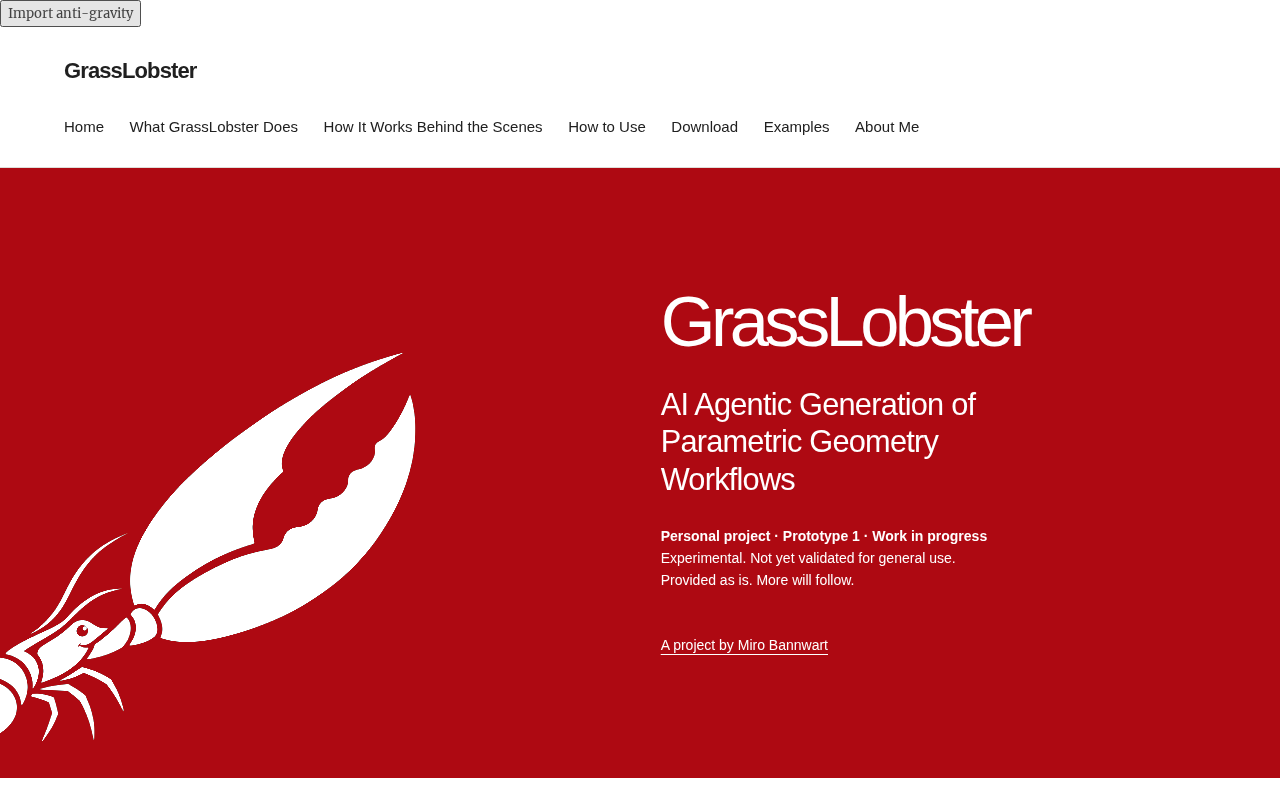
GrassLobster: Using AI Agents to Auto-Generate Parametric Geometry Workflows
GrassLobster uses AI agents to auto-generate parametric geometry workflows, bringing agentic capabilities to Grasshopper-style node programming. A look at its core ideas, potential, and limits.