#AI编程
7821 related articles
Fine-Tuning Large Models Without Changing Weights: PEFT, Adapters, and Prefix Tuning Explained
Explaining the three main PEFT routes: LoRA, adapters, and prefix tuning. How to fine-tune large models without updating original weights, the pros and cons of each method, selection advice, and tuning and deployment considerations in practice.
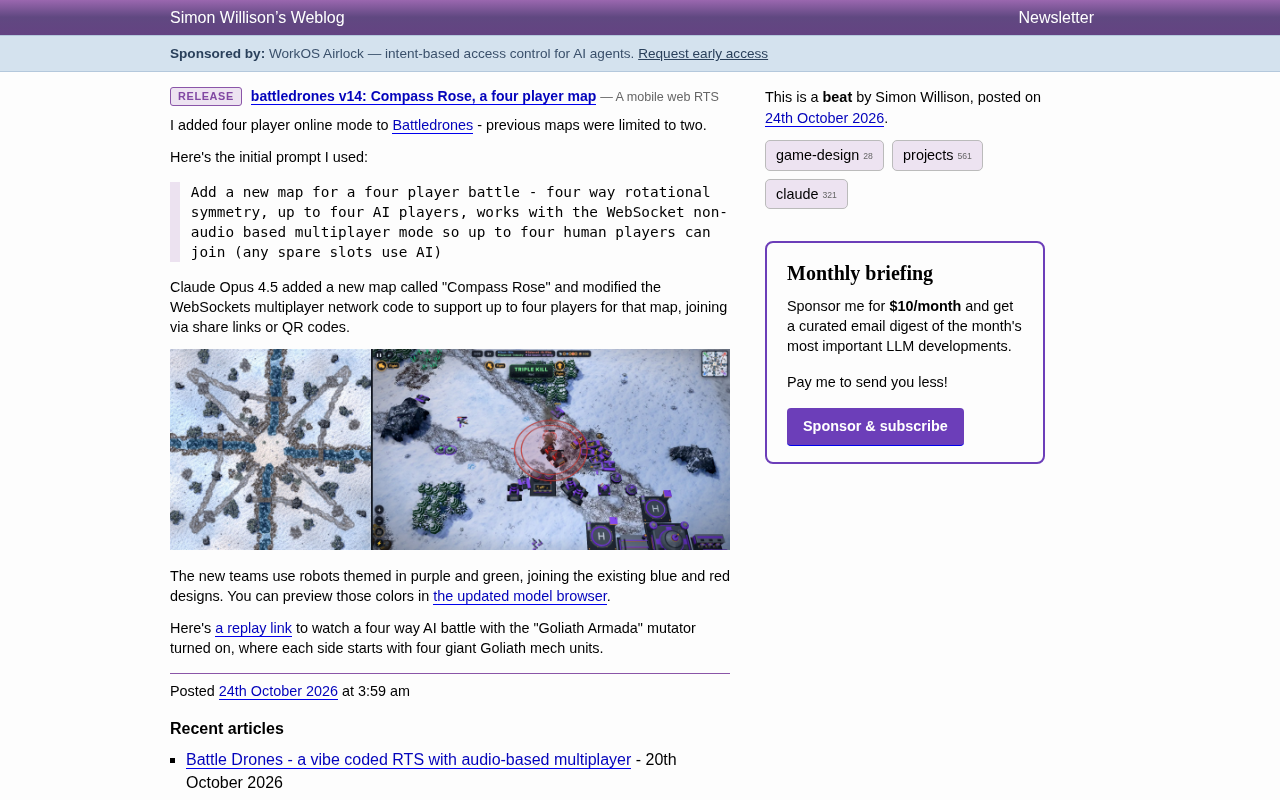
Battledrones v14 Review: Claude Opus 4.5 Builds a Four-Player Map from a Single Prompt
Battledrones v14 releases the Compass Rose four-player map; Simon Willison used one prompt to have Claude Opus 4.5 build a four-way symmetric map and WebSocket four-player support, adding purple and green robot factions.
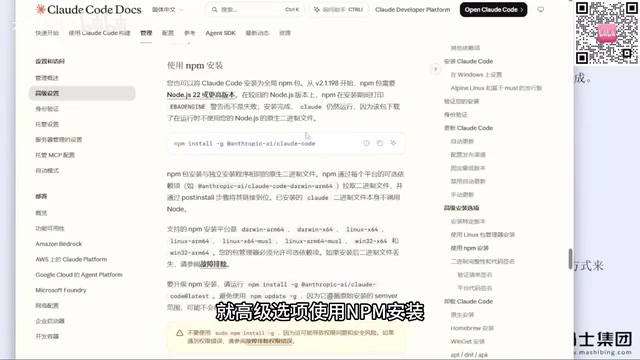
Claude Code Step-by-Step Practical Tutorial: From Installation to Permission Modes, Avoiding Account Bans
Claude Code beginner practical tutorial: detailed npm installation steps, using CC Switch to bypass official login and avoid bans, API Key configuration, and the efficiency difference between permission modes and natural language prompts, helping zero-foundation developers get started quickly.

Vibe Coding for Absolute Beginners: A Six-Step Walkthrough of the Full AI Development Workflow
A Bilibili Vibe Coding tutorial for absolute beginners: six steps covering the full AI programming workflow—tool usage, prompt writing, practice projects, and shipping a large project. Beginner-friendly, hands-on guide to your first complete development project.
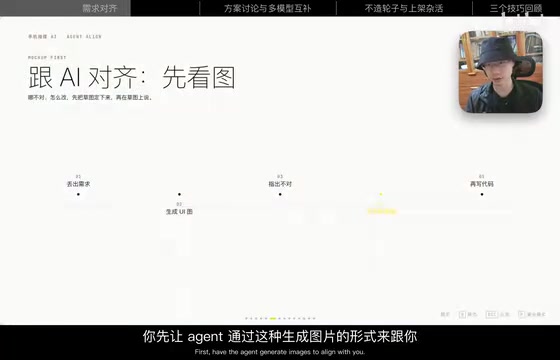
Commanding AI to Publish an App from Your Phone: 3 Practical Collaboration Tips
Bilibili creator shares practical tips for commanding an AI Agent from a phone to develop and publish an app: visual requirement alignment, a second model for cross-review, and browser/CLI automation.
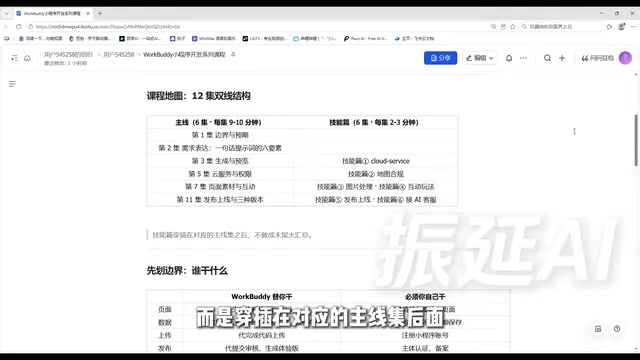
WorkBuddy Mini Program Development in Practice: A Complete Guide to No-Code Building and Monetization
Based on a Bilibili creator's paid course, this guide covers WorkBuddy no-code WeChat mini program development: capability boundaries, five use cases, three cost calculations, three getting-started paths, and a six-element prompt template with monetization workflow data.

Claude Code MCP Tasks: A New Paradigm for Long-Running Tasks and Proactive Questioning
Claude Code supports MCP Tasks and elicitations, enabling tool calls to run as long tasks and ask users questions mid-execution. This article explains the conditions, current gaps, and required server changes.

AI Code Documentation Isn't Just Boring Text: The Practice of Visual Interactive Docs
AI-generated code is outpacing static docs. Learn how visual, dynamic, interactive documentation—with Linear/Jira integration and interactive PR review—keeps engineers in sync.

AgentValley: See All Your Claude Code Agents at a Glance in the Mac Notch
AgentValley is a free open-source Mac menu bar tool that displays Claude Code sessions and sub-agent status in the notch, using cards and pixel avatars to visualize agent activity and solve multi-agent management pain points.
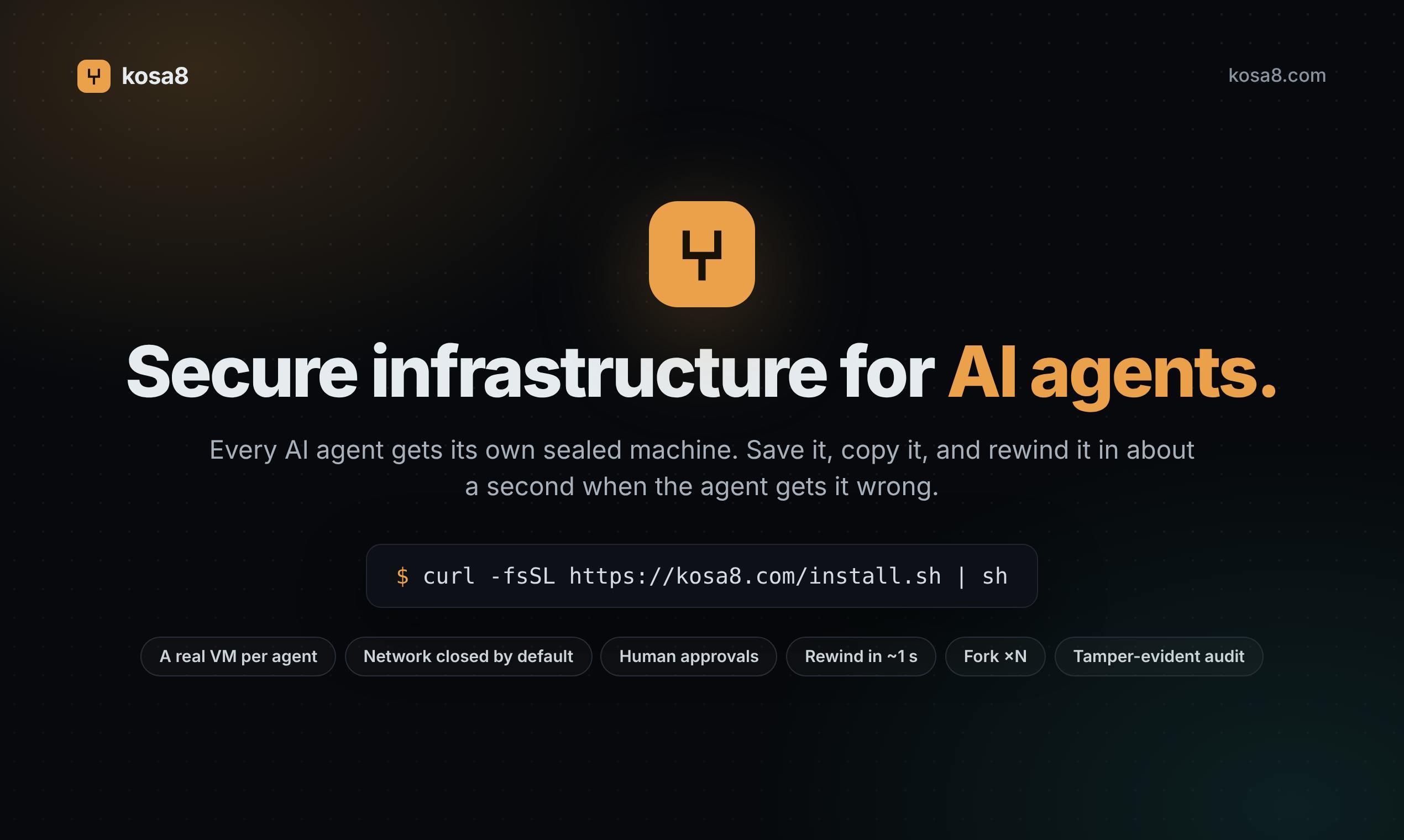
kosa8: A Reversible Secure Sandbox for AI Agents
kosa8 provides isolated VM sandboxes for AI agents like Claude Code and Codex, with environment snapshots and ~1-second rollback (including running processes), plus environment forking for parallel testing, reducing the risk of agents operating on your local computer.

Anthropic Open-Sources sandbox-runtime: A Container-Free Sandbox for AI Agents
Anthropic open-sources sandbox-runtime (srt), an OS-level sandbox built on macOS Seatbelt and Linux bubblewrap that restricts file and network access for AI agents, MCP servers, and CLI tools—lightweight isolation without containers.
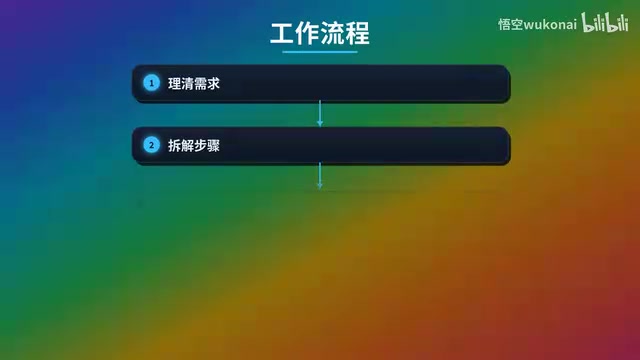
No Code Required: Building SVG Animation Explainer Videos with Claude Code
Bilibili UP host tests: zero code, using Claude Code to build an SVG animation explainer video tool. Covers environment setup, multimodal references, MCP screenshot self-check, Hooks validation, Skills encapsulation, and Subagent review.

Greptile Uses Multi-Agent Code Verification, a New Review Paradigm for the AI Programming Era
Greptile v5 agent launches multiple sub-agents per PR, combining open-source and frontier models for independent, fast code review, with Together AI providing inference support to reduce cost and latency.
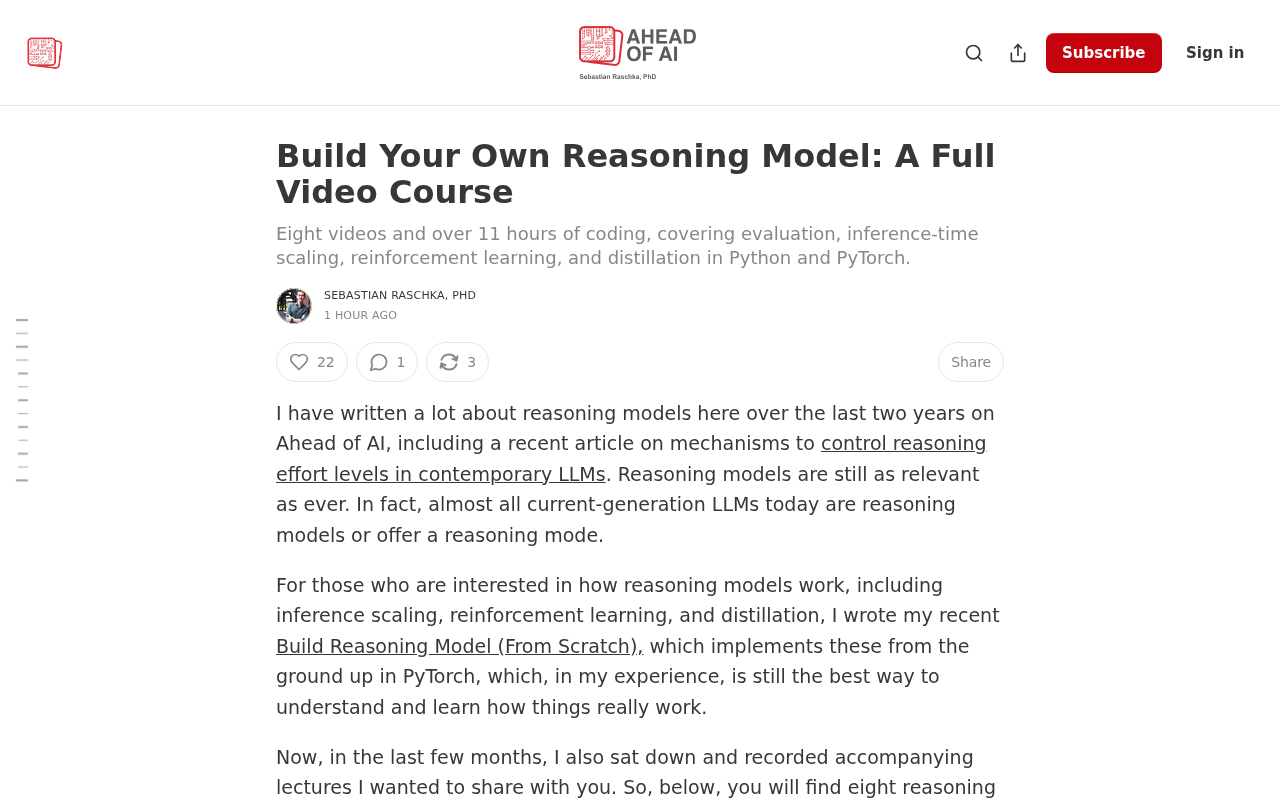
11-Hour Video Course: Building Reasoning Models from Scratch
An 11+ hour video course teaches building reasoning models from scratch with Python and PyTorch, covering evaluation, inference-time scaling, RL, and distillation.
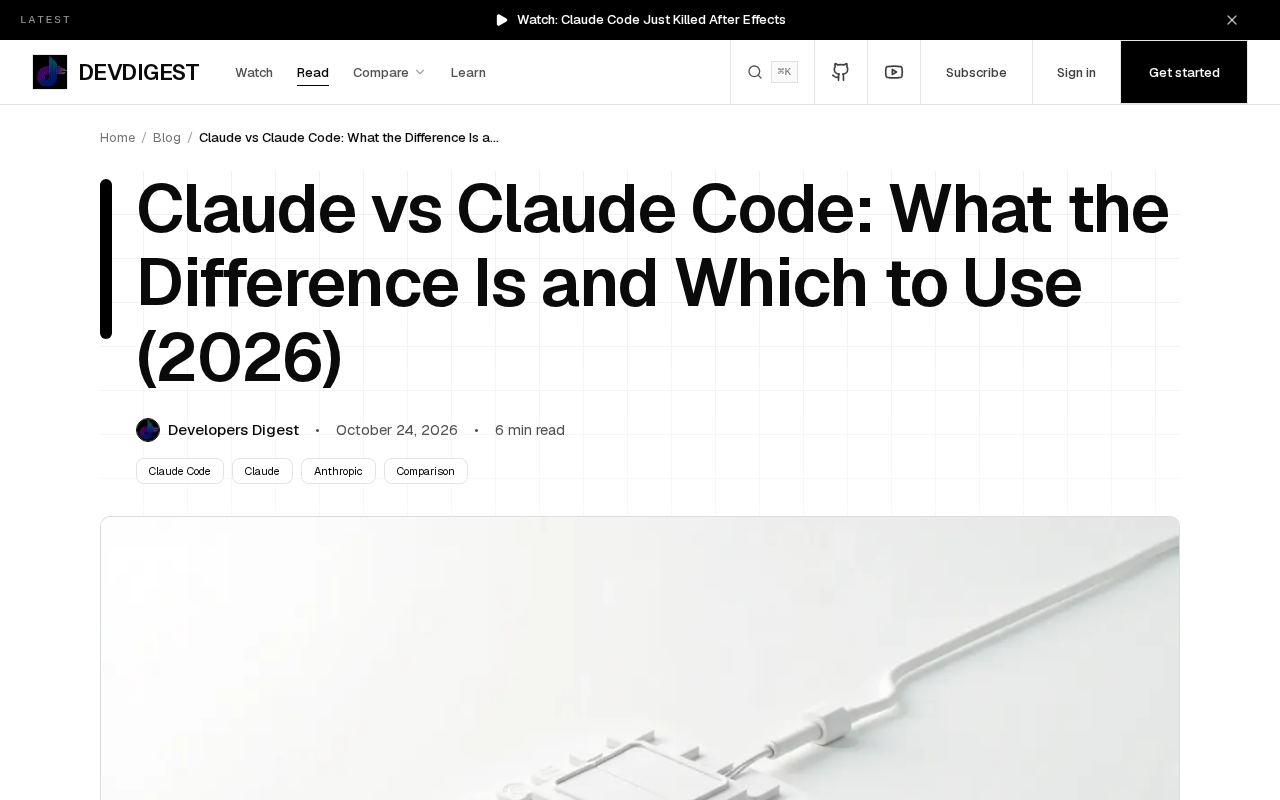
Claude vs Claude Code: What's the Difference and Which Should You Use?
What's the difference between Claude and Claude Code? This article breaks down the positioning: Claude is a general-purpose chat and document app, Claude Code is a coding agent for your codebase. They share the same model family and subscription quota—just route by task type.
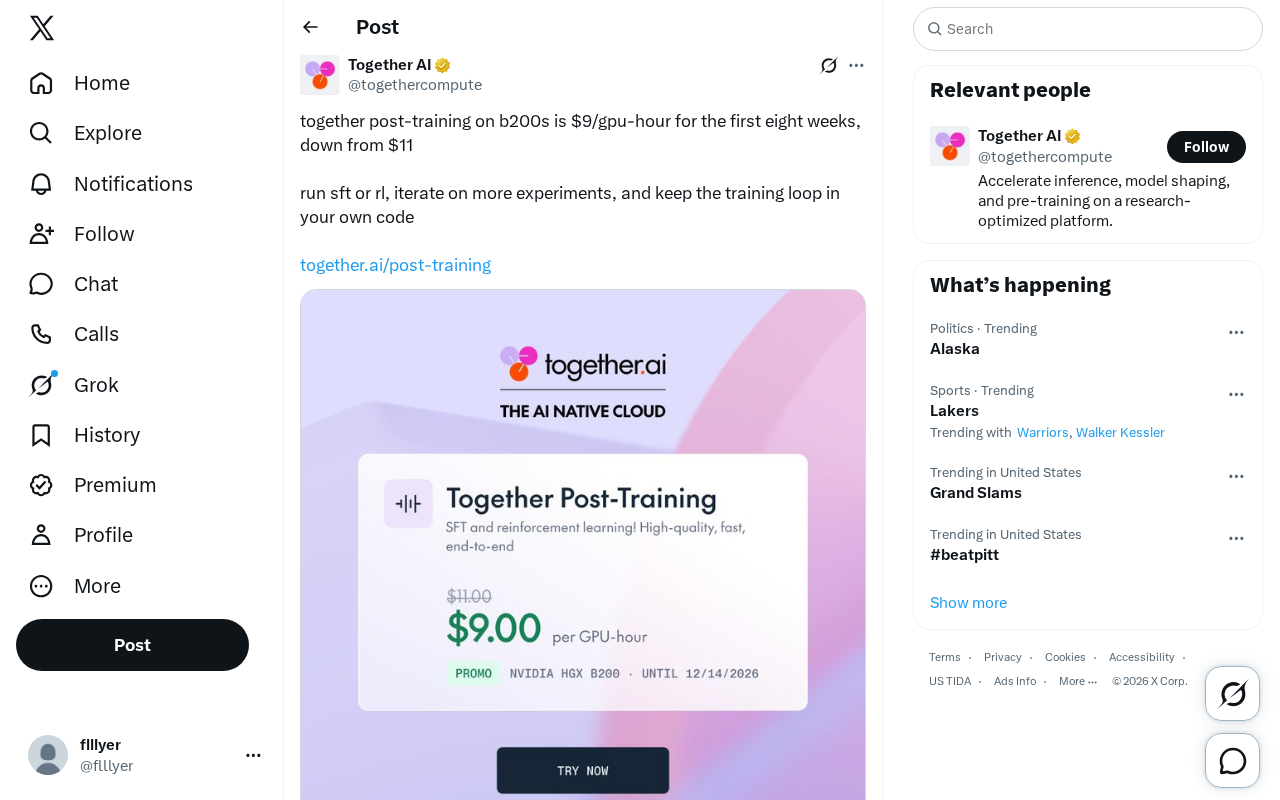
Together AI B200 Training Price Cut: $9/GPU-Hour for the First Eight Weeks
Together AI cuts B200 post-training to $9/GPU-hour for the first eight weeks, covering SFT and RL while letting teams keep the training loop in their own code.

AI-Assisted Paper Cites Nonexistent TorrentFreak Article: Academic Integrity Concerns Resurface
An AI-assisted paper on Z-Library cited a nonexistent TorrentFreak article, exposing the hallucinated citation problem in AI writing and gaps in peer review and academic publishing.
Factory Gets Early Access to Beam: Pre-Release Testing of Reflection AI Models to Validate Real-World Coding Agent Workflows
Factory gained early access to Beam through Together, testing Reflection AI models in real coding and agentic workflows before official release—covering tool error recovery, conflict handling, and repository validation, revealing the strategic value of pre-release testing for AI coding products.
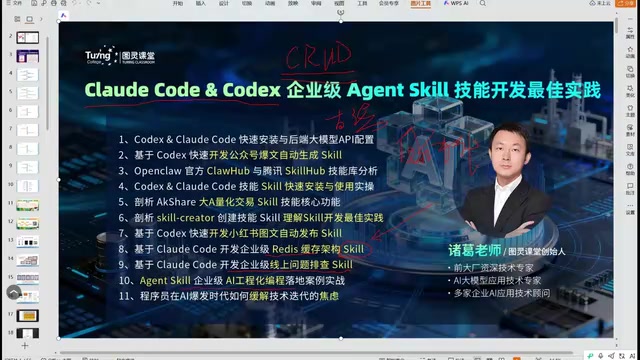
AI Engineering in Practice: The Complete Workflow of Claude Code and Agent Skill Development
A Bilibili hands-on course analyzes AI engineering: using Claude Code, Codex, and WorkBuddy to develop enterprise-grade Agent Skills, covering WeChat article drafts, quantitative analysis, and automated Xiaohongshu posting, while explaining the paradigm shift of Skill-driven development and tool selection.
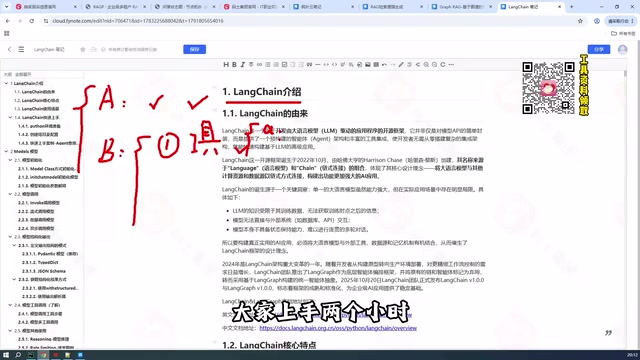
LangChain for Beginners: A Practical Guide to Structured Output and Agents
Starting from zero with LangChain: clarify the difference between low-code platforms and large model application development, covering structured output, tool calling, Agent practice, and multi-tenant RAG enterprise deployment—ideal for engineers with development experience looking to transition into AI application development.