#Agent development
4008 related articles
·2 min
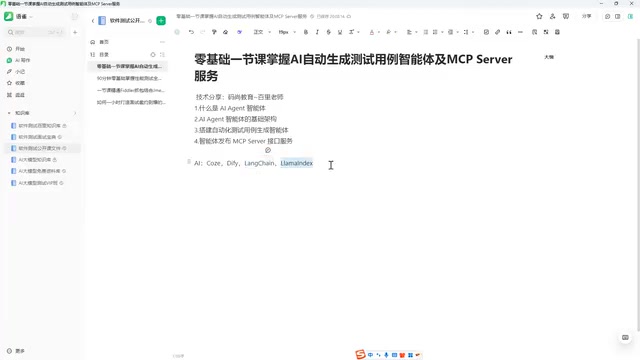
The Complete Guide to AI Agents: Concepts, Principles, and Top Development Tools
A deep dive into AI agents: core concepts, how they differ from LLMs, the Agent = LLM + Workflow + Knowledge Base formula, and a comparison of Coze, Dify, LangChain, and LlamaIndex.
Read more →

·2 min
Loop Engineering Explained: The New Development Paradigm of Closed-Loop AI Agent Iteration
Loop Engineering is an emerging AI dev paradigm where Agents iterate in controlled loops instead of one-shot outputs. Learn the 4-year evolution and what it means for developers.
Read more →

·3 min
Automating Chrome Extension Development with AI Coding Agents: Antigravity & DevTools MCP Complete Workflow
A complete workflow from Google I/O: use Antigravity, Modern Web Guidance, and Chrome DevTools MCP to build Chrome extensions automatically — from prompt to publish.
Read more →

·2 min
AI Agent Development Roadmap: A Four-Stage Guide from Zero to Production
A four-stage AI Agent development roadmap: from core theory and ReAct paradigm to multi-agent collaboration and production deployment. Covers DeepSeek, Coze, Dify, and more.
Read more →

·4 min
Loop Engineering in Practice: Designing and Deploying a Multi-Agent Collaborative Development System
A deep dive into Loop Engineering: how multi-agent collaborative dev systems achieve automated coding loops through workflow scheduling, step isolation, and validation.
Read more →

·2 min
GPT-5.6 Soul In-Depth Review: Can Multi-Agent Programming Mode Reshape the AI Development Tools Landscape?
GPT-5.6 Soul review: Super Mode hits 91.9% on TerminalBench. We break down multi-agent scheduling, benchmark controversies, and real-world dev tool comparisons.
Read more →

·3 min
AI Agent 4-Week Learning Roadmap: A Complete Guide from Zero to Independent Development
A structured 4-week AI Agent learning roadmap: Week 1 covers LLMs & Prompt engineering, Week 2 ReAct paradigms, Week 3 RAG memory systems, Week 4 multi-agent architectures.
Read more →

·2 min
AI Agent Development for Beginners: A Three-Phase Learning Roadmap
A structured zero-to-one roadmap for AI Agent development: Phase 1 covers Python & LLM basics, Phase 2 tackles five core Agent capabilities and LangChain/LangGraph, Phase 3 delivers hands-on RAG projects.
Read more →
AI Agents Accelerate Lightweight USD R…
·3 min
AI Agents Accelerate Lightweight USD Runtime Development: A New Paradigm for Physical AI Infrastructure
How AI agents accelerate lightweight OpenUSD runtime development for physical AI — covering spec understanding, code generation, and iterative optimization for robotics and digital twins.
Read more →

·6 min
A Deep Dive into OpenAI Codex: How AI Engineers Are Reimagining Software Development with Agents
OpenAI Codex is redefining how AI engineers work: from code completion to autonomous Agents, from single-threaded to parallel Value Maxing. A deep dive into the Codex App architecture, open ecosystem, and Manager of Agents practice.
Read more →

·3 min
How to Choose an AI Agent Development Course? 5 Practical Screening Criteria to Avoid Common Pitfalls
How to choose a quality AI Agent development course? This guide covers 5 key criteria: complete delivery pipeline, resume-worthy projects, real engineering perspective, update frequency, and mentorship.
Read more →

·3 min
Complete AI Agent Development Learning Path: From Core Principles to Enterprise Deployment
A structured AI Agent learning path covering core principles, prompt engineering, tool use, multi-agent systems, and frameworks like LangChain, CrewAI, and Dify for enterprise deployment.
Read more →

·2 min
The Complete AI Agent Development Roadmap: A Four-Stage Guide from Zero to Production
A complete four-stage AI Agent development roadmap: from LLM fundamentals and core modules, to ReAct/CoT paradigms, multi-agent collaboration, and real-world projects.
Read more →

·2 min
AI Agent Development for Beginners: A Complete Three-Stage Learning Roadmap
A complete AI Agent development learning roadmap covering three stages: Fundamentals (environment setup, tool use, memory), Advanced (multi-agent systems, RAG, ReAct), and Practical Projects (enterprise chatbots, automation tools).
Read more →

·2 min
AI Agent Development in Practice: A Complete Guide to Framework Selection, Tool Calling, and Production Deployment
A comprehensive guide to AI Agent development: covering Agent vs. Chatbot differences, framework selection, tool calling design, RAG pipeline setup, and production deployment best practices.
Read more →

·2 min
From Beginner to Advanced AI Agent Development: A Deep Dive into One Essential Hands-On Book
A deep dive into a hands-on AI Agent development book covering component architecture, RAG, multi-agent systems, Function Calling, and production observability.
Read more →

·3 min
AgentScope 2.0 Deep Dive: Six Core Upgrades for Production-Grade Multi-Agent Development
AgentScope 2.0 by Alibaba's Tongyi Lab delivers six major upgrades: typed event streaming, dangerous instruction interception, human-in-the-loop, concurrent execution, workspace system, and agent-as-a-service for production-grade multi-agent development.
Read more →

·2 min
Coze No-Code AI Agent Development: A Complete Guide from Getting Started to Deployment
Build AI agents without coding! This guide covers Coze's visual workflows, 60+ plugins, RAG knowledge bases, and persistent memory — plus version selection tips for beginners.
Read more →
·3 min
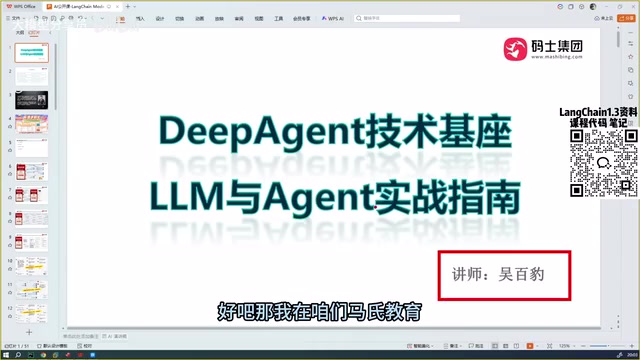
LangChain 1.3 in Practice: A Complete Learning Path from LLMs to Agent Development
A comprehensive guide to LangChain 1.3 — covering the full learning path from Models to Agent development, including Harness architecture, LangGraph, memory management, HITL, and Guardrails.
Read more →
·3 min
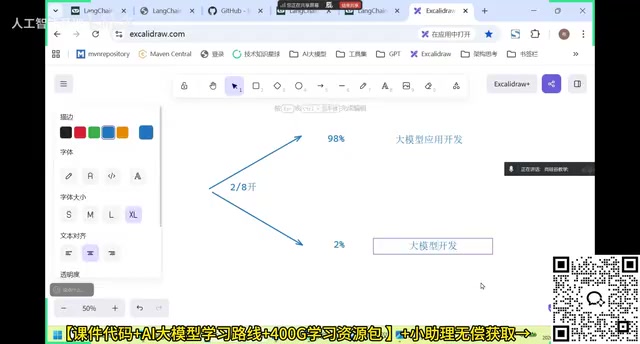
LangChain Practical Guide: From RAG Applications to Intelligent Agent Development
A comprehensive guide to LangChain: core concepts, RAG applications, Agent development, version selection (0.3/1.0), and career opportunities for Java/Python developers entering LLM development.
Read more →