#Docker web stack management
235 related articles

·4 min
A Deep Dive into ASP.NET Core: The Complete Guide to Microsoft's Cross-Platform Web Framework
A comprehensive analysis of ASP.NET Core's architecture and technical strengths: cross-platform deployment, high-performance Kestrel server, modular middleware, built-in DI, and modern web capabilities like Blazor, gRPC, and SignalR.
Read more →

·3 min
Building a Local AI Environment on Ubuntu with Hyper-V: The Complete 1Panel + OpenCode + Hermes Workflow
Create an Ubuntu 22.04 VM on a Windows host with Hyper-V, then deploy the 1Panel dashboard, OpenCode gateway, and Hermes agent to build a complete local AI Agent runtime. Includes port config and troubleshooting.
Read more →
·4 min
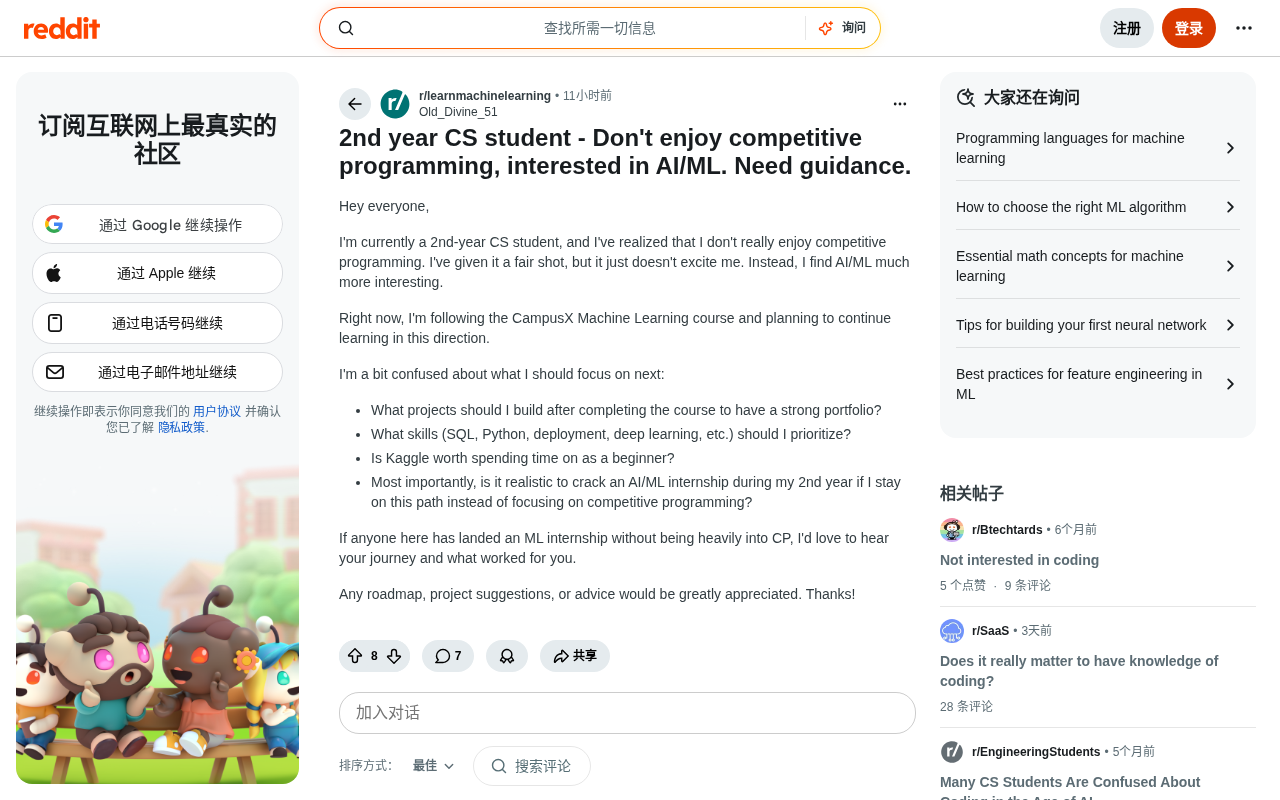
No Competitive Programming Required: How CS Students Can Pivot to AI/ML and Land Internships
How can CS students who dislike competitive programming systematically pivot to AI/ML? This guide covers skill priorities (Python/SQL/ML/deployment), portfolio strategy, Kaggle tips, and real paths to landing AI/ML internships.
Read more →

·6 min
Home Self-Hosting Server Setup Guide: Building a Private Cloud Ecosystem from Scratch
One 32GB server, 8 hours to build a complete home self-hosting ecosystem. This article details the selection logic behind core services like Jellyfin, Forgejo, Immich, and Ollama, plus infrastructure setup essentials for Nginx Proxy Manager and Podman Compose.
Read more →

·5 min
Prismata Analysis: How to Defend Web Agents Against Cross-Site Prompt Injection Attacks
Cross-site prompt injection is becoming the trickiest security threat for Web agents. This article analyzes the Prismata project's 'confining defense' approach—controlling injection's blast radius via context isolation, permission boundaries, and trust grading.
Read more →

·3 min
OpenAI Codex in the Cloud: Exploring Codebases, Auto-Coding, and Generating PRs End-to-End
A deep dive into OpenAI Codex's cloud workflow: using a Next.js project to demo Ask/Code modes, auto-generating Pull Requests, and locally verifying merges for AI-assisted development.
Read more →

·4 min
Next.js Deep Dive: A Full-Stack Framework Selection Guide Behind 140K+ Stars
A deep dive into Next.js: SSR, React Server Components, App Router, and Turbopack. Learn the key differences from plain React, ideal use cases, and how to make the right framework decision.
Read more →

·7 min
Codex Direct Connection Configuration Guide for China: Complete GPT Agent Setup Tutorial
Complete guide for configuring OpenAI Codex Agent in China, covering installation, API key setup, permission modes, reasoning intensity, and security considerations for third-party relay services.
Read more →

·4 min
SparkyFitness: The Rise of an Open-Source, Self-Hosted Health Tracking App
SparkyFitness is an open-source, self-hosted alternative to MyFitnessPal and Flo. In one year: 4,500 users, 73 contributors, covering nutrition, sleep, women's health, GLP-1 tracking, and more.
Read more →

·5 min
Why Did Ollama Rise So Fast? Decoding the Success of a Local LLM Tool
How did Ollama grow from a niche open-source project into developers' default choice for running local LLMs? This article breaks down its rise across product design, technical strategy, and ecosystem building.
Read more →

·4 min
Complete Guide to Dify Local Deployment: Build a Private AI Workflow Platform from Scratch
Step-by-step guide to deploying Dify locally: Docker setup, Docker Compose installation, source code configuration, .env file setup, and container startup for Windows, macOS, and Linux.
Read more →

·3 min
Files over Tools: Rethinking AI Agent Architecture with a Virtual Filesystem
Why give AI Agents a virtual filesystem and bash instead of more tools? A deep dive into the "Files over Tools" design philosophy, tool bloat, Unix principles, security sandboxing, and hybrid architectures.
Read more →
·6 min
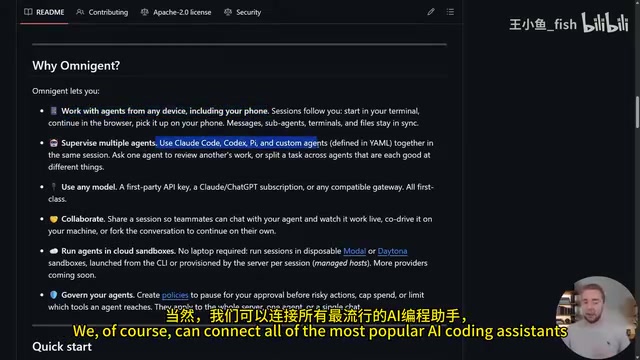
Omnigent Open-Sourced: A Meta-Harness for AI Coding Agents Built by Databricks
Databricks open-sources Omnigent, a Meta-Harness for orchestrating Claude Code, Codex, and more AI coding assistants together—with built-in guardrails, cross-model workflows, and real-time collaboration. Get started in 10 minutes.
Read more →

·6 min
Using Skills to Let AI Automatically Manage LLM API Gateway Stations
An in-depth look at the Skills paradigm in AI programming: through intent routing and script encapsulation, let AI agents auto-manage multi-channel LLM APIs on a One API gateway for one-click distribution, health checks, and auto-degradation.
Read more →

·6 min
Dify Local Deployment in Practice: A Complete Guide to Building an AI Application Platform with Docker
A complete guide to Dify local deployment: from Docker environment setup, source code pulling, and container startup to first access. Build a private AI app development platform across Linux, Windows, and Mac for fast enterprise AI deployment.
Read more →

·7 min
From Vibe Coding to Engineered AI Programming: A Practical Guide to Enterprise Development
AI coding tools are changing development, but Vibe Coding hides risks in code quality and maintenance. This article explores Engineered AI Programming, compares Codex and Claude Code, and reveals real enterprise development paths.
Read more →

·7 min
Dify 1.8.0 in Practice: A Complete Guide to Building Enterprise-Grade AI Workflows with Zero Code
An in-depth walkthrough of deploying Dify 1.8.0 and building applications: three-step Docker deployment, five app types compared, and Workflow vs Chatflow use cases—build enterprise AI apps with zero code.
Read more →
·6 min
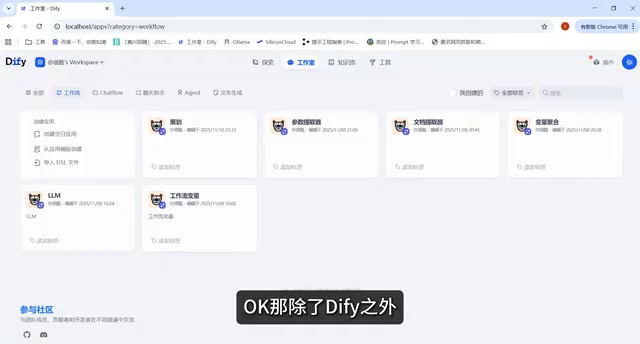
Complete Guide to Deploying Dify Locally: Docker + Ollama + RAG Setup Tutorial
A detailed guide to deploying the Dify agent platform locally: from Docker setup and integrating Ollama + DeepSeek local LLMs to workflow orchestration and RAG knowledge base construction.
Read more →

·7 min
Getting Started with Dify: A Complete Guide from Local Deployment to Building Enterprise-Grade AI Applications
A detailed guide to Dify, the open-source LLM app development platform, covering its core features and full local deployment via VMware + Ubuntu + aaPanel + Docker. Supports 100+ models like DeepSeek and ChatGPT to build enterprise AI apps fast.
Read more →

·6 min
Getting Started with Dify: A Complete Guide to Deployment, Configuration, and Workflow Practice
A systematic guide to Dify's three deployment methods (Docker/source/online), five application types, and hands-on workflow nodes—covering LLM integration, MySQL config, and app publishing.
Read more →