#IDE plugin specification
549 related articles

·6 min
GPT-5.6 Hands-On Deep Dive: ChatGPT and Codex Merge, Full Analysis of the Sol Model
GPT-5.6 is officially released, merging ChatGPT and Codex into one app and launching the three-tier Sol, Terra, and Luna models. A detailed breakdown of 16 hands-on tests plus Worker mode and Codex dev upgrades.
Read more →

·4 min
Notion Meets Cursor: A New Workflow for Dispatching Coding Tasks Directly from Docs
Cursor launches deep Notion integration via the Cursor SDK — @mention Cursor in any Notion doc to trigger a cloud Agent that automatically opens a PR. We break down the workflow, product logic, and real-world limitations.
Read more →

·5 min
Connecting DeepSeek V4 in VSCode: Complete Claude Code Plugin Setup Tutorial
Shrinking GitHub Copilot student benefits? Learn to install the Claude Code plugin in VSCode and connect the DeepSeek V4 API via CCSwitch—powerful Agent capabilities at 25% price, no IDE switch needed.
Read more →

·5 min
Why Did Ollama Rise So Fast? Decoding the Success of a Local LLM Tool
How did Ollama grow from a niche open-source project into developers' default choice for running local LLMs? This article breaks down its rise across product design, technical strategy, and ecosystem building.
Read more →

·8 min
OpenAI Merges Codex with ChatGPT: A Deep Dive into the Unified Desktop App Overhaul
OpenAI officially merges its coding agent Codex with ChatGPT into a unified desktop app, adding new coding workflows, a Chrome extension, a built-in browser, and GPT-5.6-powered Computer Use capabilities.
Read more →

·4 min
OpenAI Build Week Kicks Off: Turning Your Ideas Into Reality with Codex
OpenAI launches Build Week, a global developer event centered on Codex AI coding tool, featuring live sessions and community events to help developers ship ideas fast.
Read more →

·7 min
Turning Any AI Agent into an Orchestration Hub: A Deep Dive into Multi-Agent Collaboration Architecture
An in-depth analysis of the "any Agent as an orchestrator" design philosophy, exploring the technical implementation of multi-Agent collaboration, context management, and workflow automation.
Read more →

·4 min
BingoCode: An Open-Source AI Coding Tool for Offline Deployment — A Claude Code Alternative
BingoCode is an MIT-licensed open-source AI coding tool supporting offline intranet deployment, compatible with DeepSeek, Claude, OpenAI, and Gemini. Pure CLI design, four-step setup, high cache hit rates for lower costs — ideal for security-conscious teams.
Read more →

·4 min
Agent Skills Explained: A Five-Level Evolution from Prompt to AI Expert
A deep dive into Agent Skills: from basic prompts to fully encapsulated AI capability units. Five levels of human-AI interaction evolution, with clear distinctions between Skills, MCP, and Workflow.
Read more →

·3 min
AI-Powered Abaqus Simulation: With vs. Without Skills — The Results Are Worlds Apart
No Skills: AI gets units wrong, assembly fails, zero results. With Skills: AI generates batch stress contour plots end-to-end. A deep dive into the general model + domain skill methodology for AI-driven CAE simulation.
Read more →

·6 min
Using Skills to Let AI Automatically Manage LLM API Gateway Stations
An in-depth look at the Skills paradigm in AI programming: through intent routing and script encapsulation, let AI agents auto-manage multi-channel LLM APIs on a One API gateway for one-click distribution, health checks, and auto-degradation.
Read more →

·5 min
The Complete Guide to Claude Skills: Configure Once, Reuse Your Workflow Forever
An in-depth guide to Claude Skills: from built-in skills and plugins to building your own custom skills and continuous refinement. Learn to end repetitive instructions and build an automated, consistent AI workflow.
Read more →

·4 min
AI-Powered Automatic Environment Patching: JS Reverse Engineering with Sandbox + Prompt
Learn how to automate JavaScript reverse engineering environment patching with AI + sandbox. Three-step flow diagnoses missing BOM/DOM objects, generates patches, and self-validates. Get encrypted data in seconds.
Read more →

·7 min
21-Day Python Automation Testing Crash Course: A Complete Breakdown of the Three-Stage Learning Path
Learn automation testing from scratch! This article breaks down a three-stage path: Selenium/Appium tools, Requests+PyTest API testing, performance testing and CI/CD, with real projects—build a complete skill set in 21 days.
Read more →
·7 min
Getting Started with LangChain 1.3: Core Concepts of LLMs and Agents
An in-depth breakdown of LangChain 1.3's core concepts, covering the three major limitations of LLMs, Agent architecture, memory management, and a complete learning path. Master LangChain and LangGraph to quickly build AI development skills.
Read more →

·6 min
Introduction to Prompt Engineering: Principles, Methods, and Practical Case Studies
Prompt Engineering is the core skill for harnessing LLMs. This article covers principles and design methods through real cases like translation role-setting and DeepSeek image generation.
Read more →
·5 min
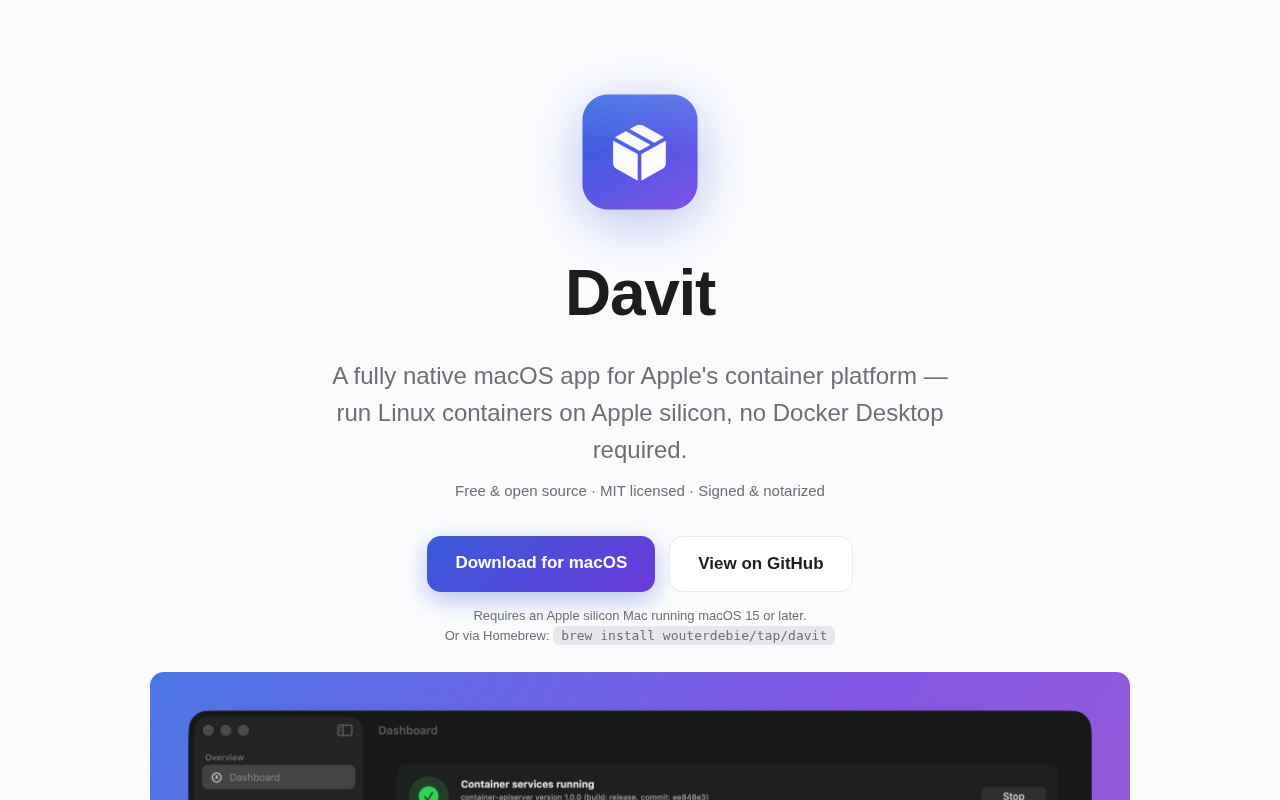
Davit: A Native GUI Management Tool Built Specifically for Apple Containers
Davit is an open-source native macOS UI tool built for Apple Containers, offering graphical container status management, image viewing, and log monitoring.
Read more →

·2 min
Microsoft Open-Sources Flint: A Deep Dive into the AI Agent Behavior Visualization Language
Microsoft open-sources Flint, a visualization language for AI agents that helps developers understand decision paths, multi-step reasoning, and collaboration flows to improve debugging and observability.
Read more →

·6 min
GPT-5.6 Three-Model Launch: Soul/Terra/Luna Tiered Strategy and the AI National Security Game
OpenAI previews the GPT-5.6 series — Soul, Terra, and Luna — with a massive 1.5M-token context. In-depth analysis of coding leaps, the Fable 5 national security game, the heating U.S.-China AI race, and workflow economics.
Read more →

·6 min
Skill vs MCP: The Essential Difference Between Two Types of AI Agent Capabilities and How They Work Together
Skill and MCP are two core concepts for building AI Agents. Skill encapsulates task execution methodology, while MCP provides a standardized protocol for connecting external tools. This article breaks down their core differences, abstraction levels, and collaboration.
Read more →