#LLM
125 related articles

Why Is Technical Documentation Still Wrong in the Age of LLMs?
LLMs make writing docs easier, but why is technical documentation still full of errors? We explore missing intent, weak sync mechanisms, LLM hallucinations, and practical fixes like docs-as-tests.

A New Approach to AI Trading Agents: Let LLMs Write Strategies, Not Make Decisions
AlphaGround redefines AI trading agents by using LLMs to write deterministic strategies rather than make live decisions, solving the randomness and attribution problems of AI trading.

AI Analysis of Massive Technical Documentation: Fact Extraction, RAG Validation, and Anomaly Detection in Practice
How can AI reliably verify facts, detect contradictions, and find duplicates across thousands of 600-page technical documents? This article covers fact extraction, structured schemas, BM25+vector hybrid RAG, and long-context model trade-offs.

Kernl: The Open-Source Python Library That Compresses LLM Conversation Memory by 82.9%
Kernl is an open-source Python library using DSPM technology to compress LLM conversation memory by 82.9% without losing critical information. Here's how it works.

How Does GPT Actually Work? Unpacking the LLM Black Box with a Single Sentence
Using the sentence 'My favourite rock band is…', this article unpacks how GPT and LLMs work — from tokenization and embeddings to attention and next-token prediction.

Praxa: A Governance Framework for AI Agent Execution with Traceable Chains from Proposal to Verification
arXiv paper proposes Praxa, an AI agent execution harness that makes the authorization-to-effect chain explicit and testable via deterministic admission, brokered execution, and external read-back — with four honest evidence chains and clear capability boundaries.

One Developer Used LLMs Solo to Build C Compiler Kcc — and It Can Boot the Linux Kernel
A solo developer used LLMs at ~$100/month to build C compiler Kcc, which reportedly boots the Linux kernel. What does this mean for AI-assisted programming?

One Command to Deploy a Local AI Server: The Complete ODS Guide for LLM, RAG, and Image Generation
ODS (Osmatic Deployment System) is an Apache 2.0 open-source project that deploys a full local AI stack — LLM inference, RAG, image generation, voice agents — with one command on Linux, Windows, and macOS.

How to Pick the Best LLM Team? A Heterogeneity-Driven Framework for Model Collaboration Selection
A new arXiv study proposes a heterogeneity-driven LLM team selection framework using error decorrelation and predictive divergence to optimize model complementarity.
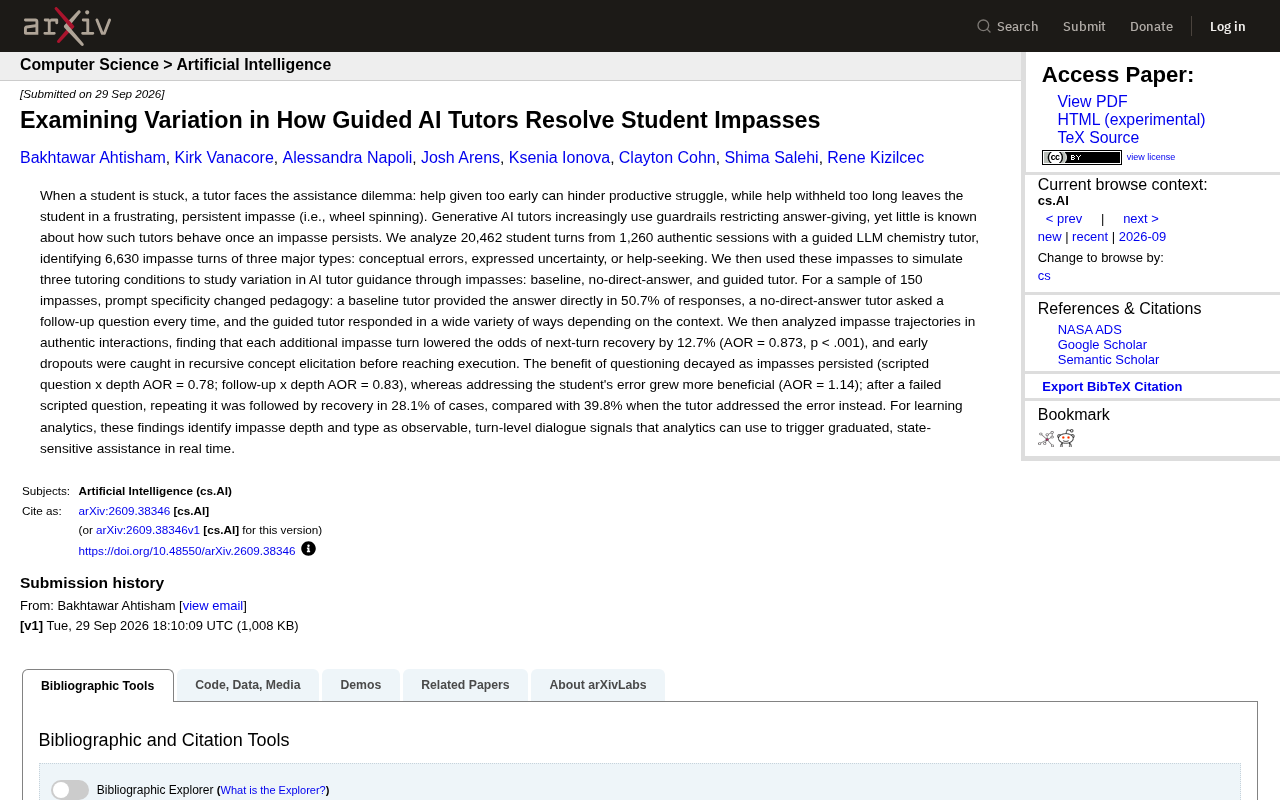
How AI Tutors Break Through Student Learning Impasses: Key Findings from 20,000 Conversations
A study of 20,000 real AI tutor conversations reveals that deeper impasses make questioning less effective, while direct error correction becomes more powerful — with key implications for AI tutoring design.

The Delayed Label Dilemma: How to Evaluate a Buying Signal Agent That Reads Messy Web Text
When an AI Agent extracts buying signals from job posts and earnings calls but true labels take months to appear, how do you evaluate it? We break down delayed labels, sample bias, and LLM-as-judge pitfalls.

AI LLMs + Open-Source Hardware: Reimagining the Traditional Grass-Fed Ranch
Firecrawl engineer Cody shares at AI Engineer how LLMs and open-source hardware can automate rotational grazing for grass-fed livestock, covering satellite imagery, biomass analysis, and multi-species stacked grazing.

Why AI Agents Need a Decision Model — Stop Letting Generative LLMs Do Everything
Most Agent frameworks use generative LLMs for everything, causing high latency and fragility. This article explains the "decision model" architecture: separating decisions from generation for faster, cheaper, more predictable AI Agents.

Jev and System One Models: The New LLM Paradigm Called "Decision Models"
TypeSafe AI's Jev outputs floats instead of text — a new "decision model" paradigm. Explore its Noul/Choice/Score questions, ultra-low pricing, reranking use cases, bias concerns, and open-source replications.
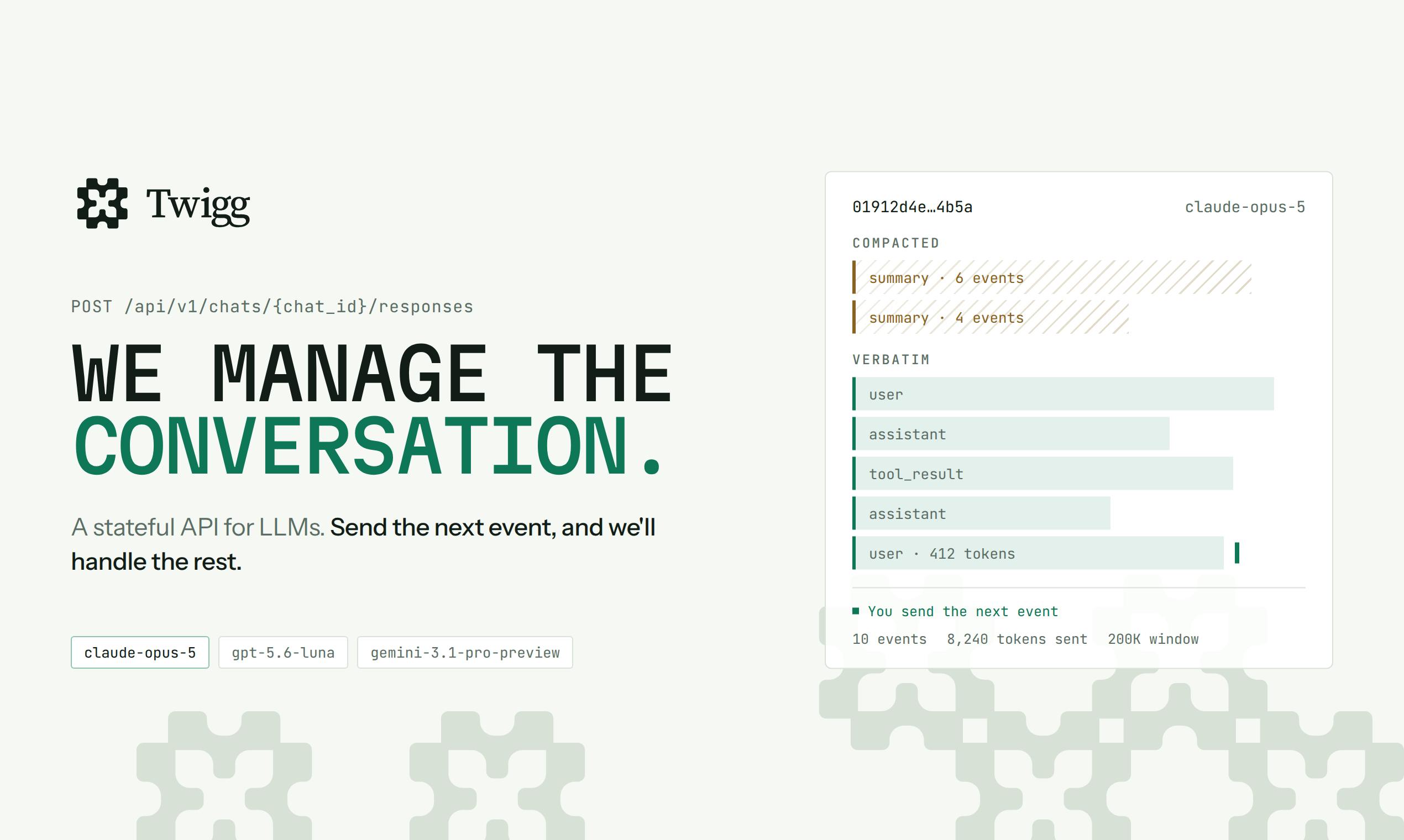
Twigg: A Stateful API That Automates LLM Context Management
Twigg is a stateful LLM API that automates context management — handling model schema adaptation, smart compression, truncation, and routing, with a dashboard for managing tool schemas, system prompts, and billing.
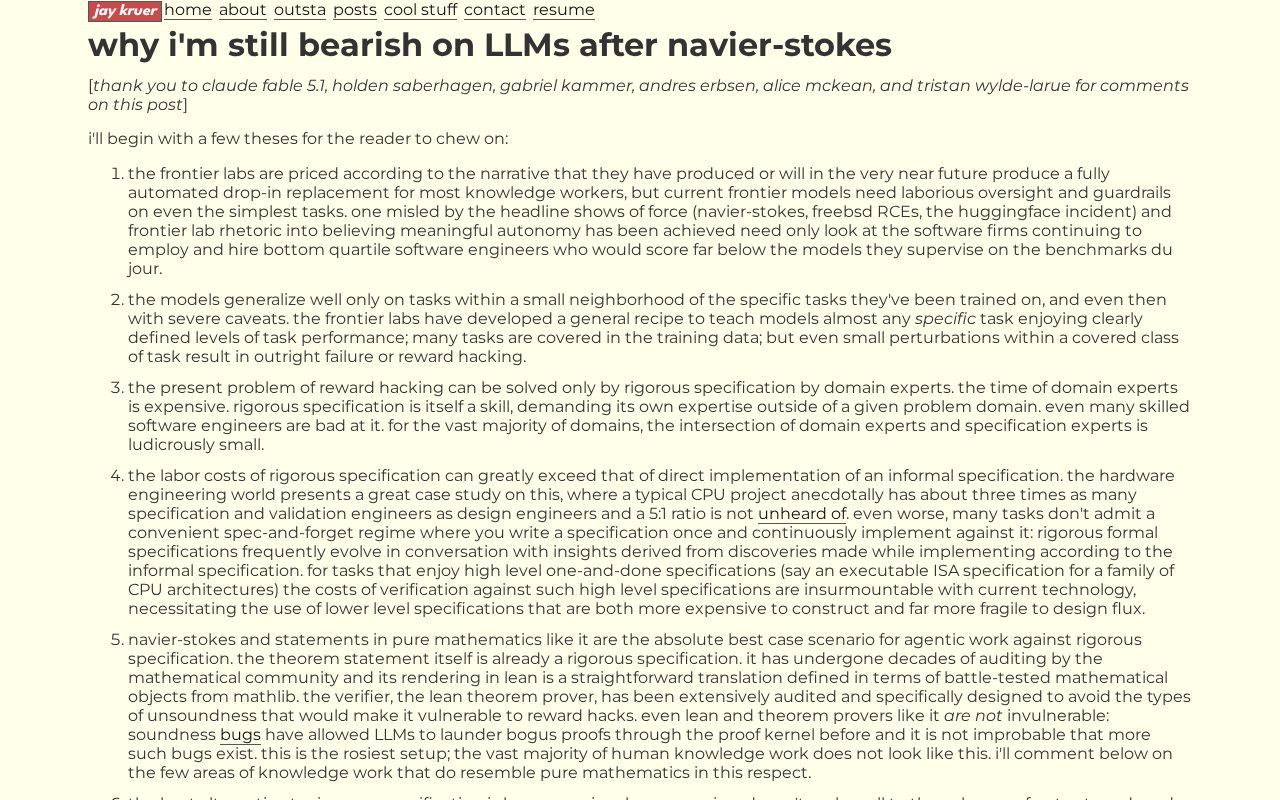
Through the Lens of Navier-Stokes: Why I'm Still Bearish on LLMs
A Hacker News post uses the Navier-Stokes Millennium Problem to argue why LLMs still fall short on rigorous reasoning. Examining generalization limits, verifiability gaps, and scaling diminishing returns.
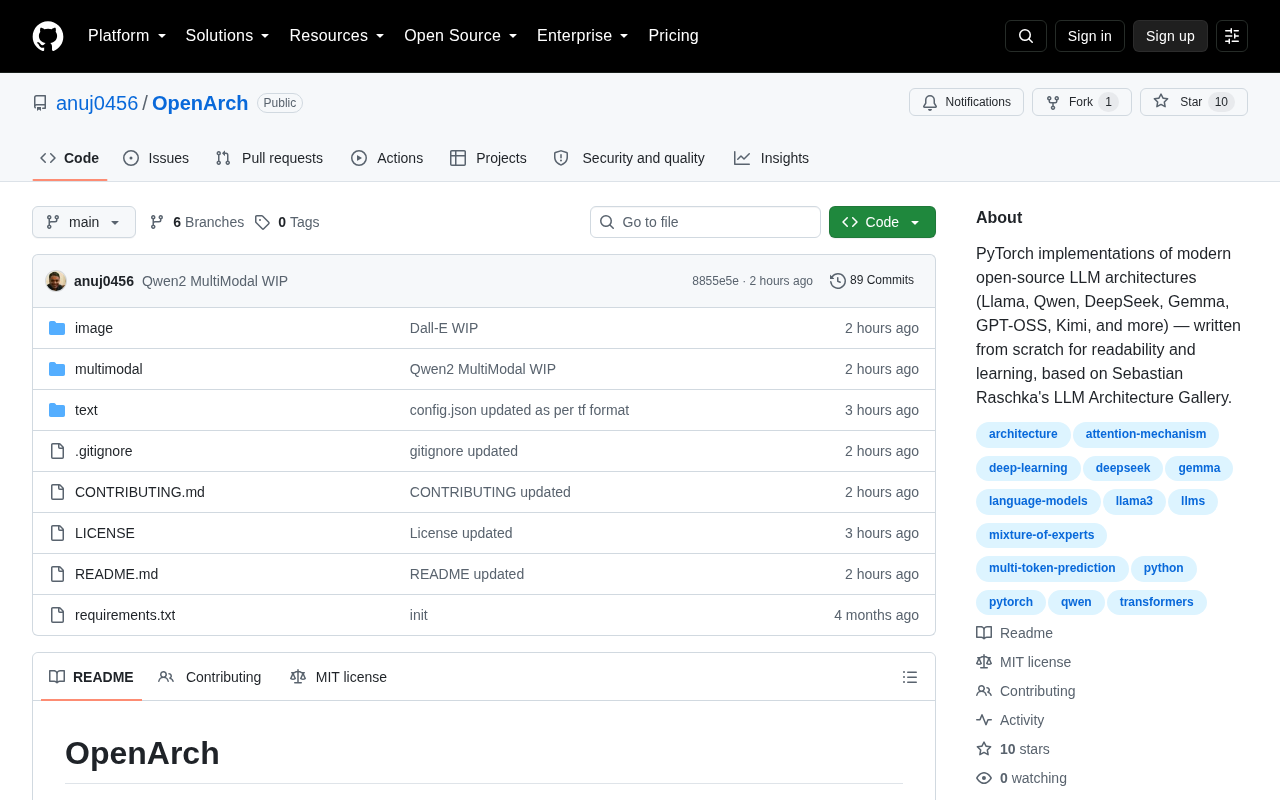
OpenArch: An Open-Source Project Reimplementing Modern LLM Architectures in PyTorch
OpenArch is an open-source PyTorch project reimplementing modern LLM architectures with a focus on clean, readable code. Learn about its value for learners and researchers.
 Industry Insights
AI Product Development in Practice: Model Selection, Building Moats, and Paths to Commercialization
Practical strategies for AI product development: why not to train models from scratch, when to use APIs vs. fine-tuning, building product moats, and the full path from evaluation systems to commercialization.
 Product Reviews
One API: A Complete Guide to the Open-Source API Gateway for Unified Management of 30+ LLMs
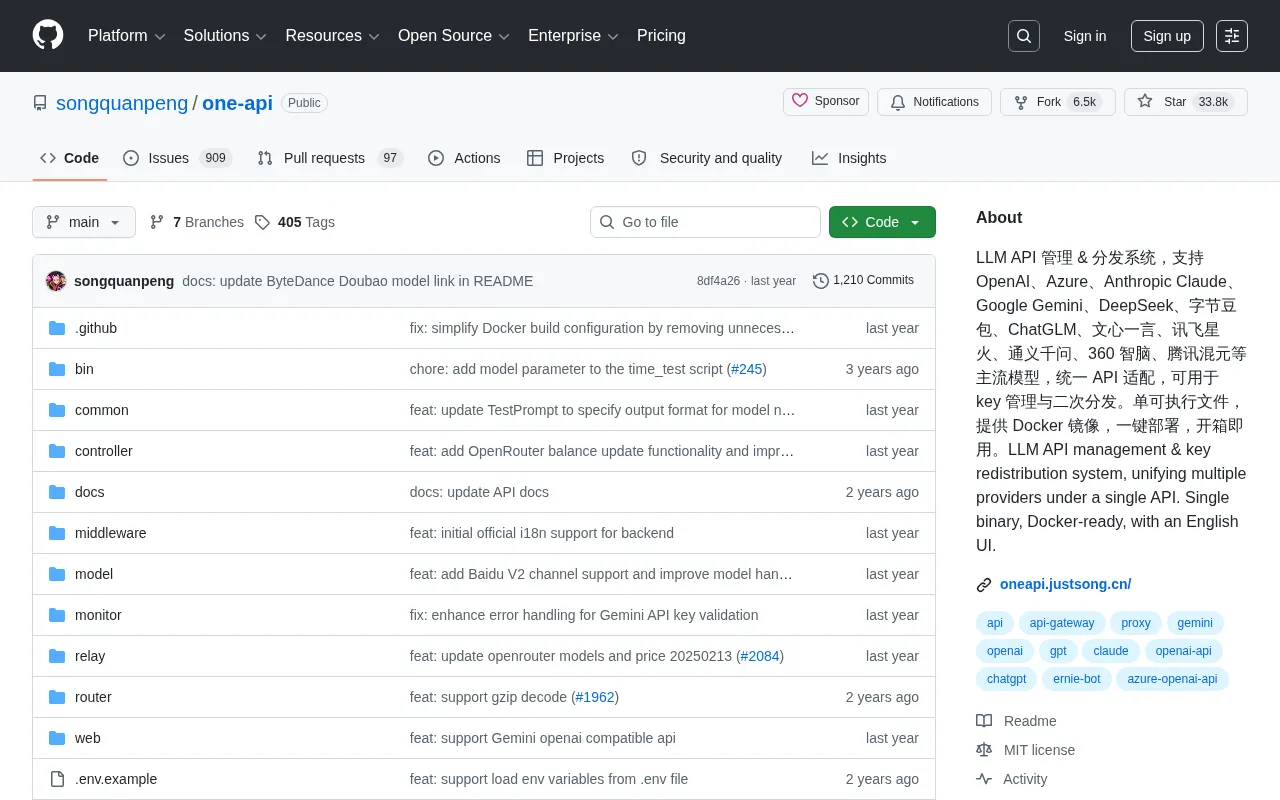
One API is an open-source LLM API gateway with 32K+ GitHub Stars, supporting unified access to 30+ models including OpenAI, Claude, and DeepSeek. Complete guide covering Docker deployment, Key management, and load balancing.
 Product Reviews
One API: A Complete Guide to the Open-Source Gateway System for Unified Management of 30+ LLMs
One API is an open-source LLM API gateway with 32K GitHub stars, supporting unified management of 30+ models including OpenAI, Claude, and DeepSeek via OpenAI-compatible format.